



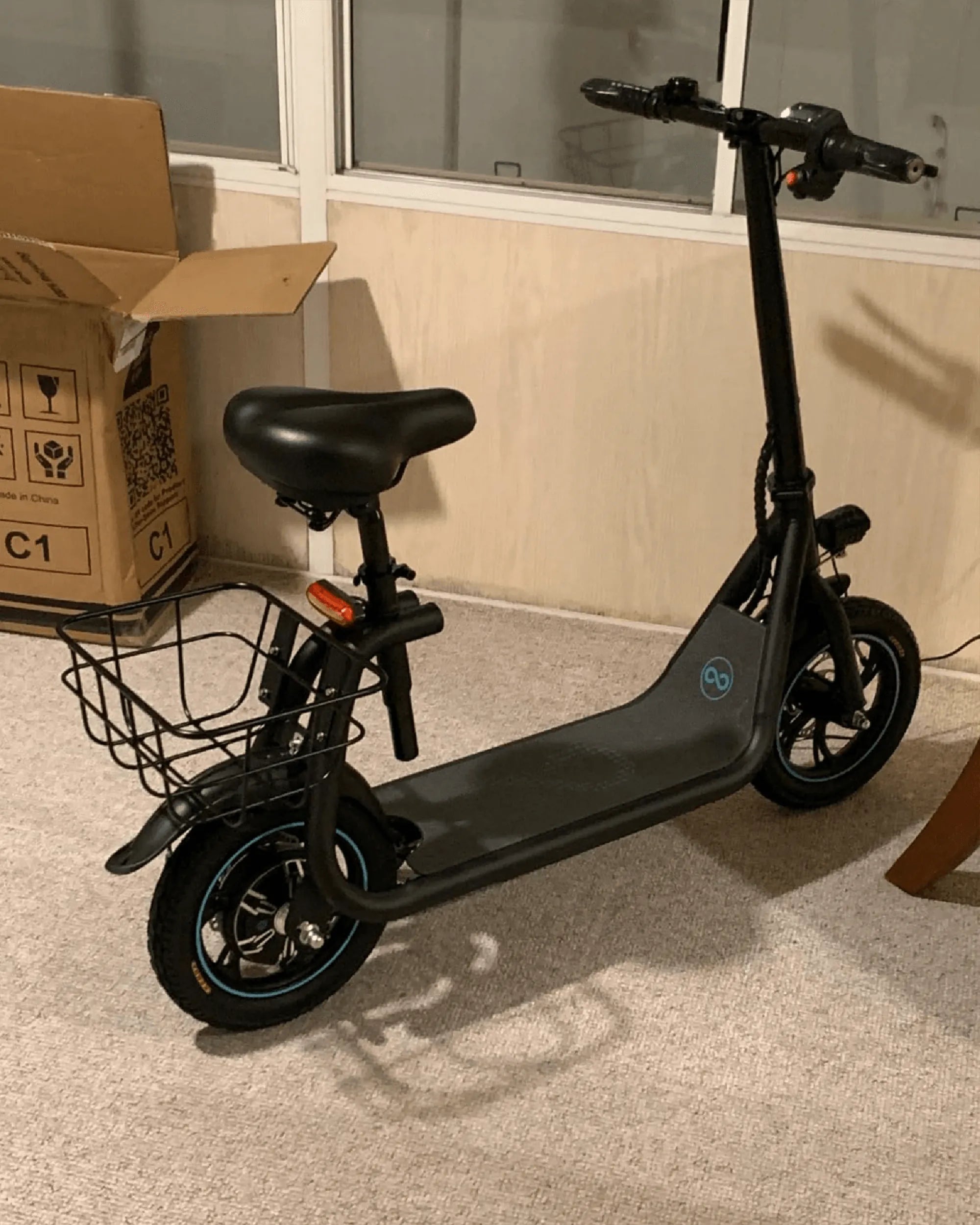
Navigating city streets or exploring new trails on an electric scooter requires focus, awareness, and often, directions. Fumbling with a phone in your hand is a dangerous distraction. A dedicated phone holder transforms your device from a hazard into a powerful dashboard, enabling hands-free navigation, ride tracking, and quick emergency access. This guide provides the factual data and practical advice you need to choose and use a phone mount correctly, turning it from a simple accessory into an essential component of safe, modern riding. We'll explore mounting mechanisms, critical security features, and how the right holder complements the connected, reliable experience engineered by leading brands like Gyroor.
Why You Need a Dedicated Phone Holder: Safety & Utility
Modern electric scooters are more than just transportation; they are connected mobility platforms. A phone holder is the interface that unlocks this functionality safely. The primary utility is clear: instant access to GPS navigation, ride-tracking apps like Strava, music controls, and communication. For commuters, this means efficient route planning around traffic. For adventurers, it allows for recording scenic routes and monitoring trip statistics.
Beyond convenience, the core argument is unequivocally safety. A 2022 study by the Transportation Research Board highlighted that visual-manual distraction is a leading factor in micro-mobility incidents. Holding a phone divides your attention and critically compromises your ability to brake or steer suddenly. A securely mounted phone keeps your eyes on the path ahead and both hands firmly on the handlebars, where they belong.
This integration is a key part of a holistic safe-riding ethos. Brands that prioritize rider safety, such as Gyroor—with its UL-certified batteries and robust construction—design their vehicles with the expectation that users will equip themselves properly. A quality phone mount is as fundamental as a helmet, completing your personal protective equipment suite for the digital age.
The Risks of Improper Phone Use While Riding
The dangers of distracted scooter riding are quantifiable and severe. Data from urban safety coalitions indicates that riders using handheld devices are up to 3x more likely to be involved in a collision. Common scenarios include drifting out of a bike lane while checking a map, failing to notice sudden pedestrian crossings, or losing control on uneven surfaces because one hand is occupied.
These risks are not limited to the rider. Pedestrians and other road users are also put in jeopardy. A secure mount directly mitigates these risks by providing a stable, glanceable display. It allows for quick verification of a next turn without the prolonged, head-down interaction required when holding a device. This practice aligns with the "eyes-up, hands-on" principle critical for navigating dynamic urban environments safely.
Key Benefits for Commuters and Adventurers
The benefits of a phone holder manifest differently based on riding style. For the urban commuter, the mount is a productivity and safety hub. It enables live traffic updates, public transit schedule checks, and hands-free call management via Bluetooth. This turns a stressful commute into a streamlined, informed journey.
For the recreational or off-road enthusiast, the holder becomes an adventure console. It allows for following pre-planned trails on dedicated apps, monitoring real-time speed and distance, and even using the phone's camera for quick photo stops. For riders of durable models like Gyroor's off-road capable scooters, having a secure place to monitor battery range and performance metrics ensures they can confidently push their adventures further.
How to Choose the Best Phone Holder: A Buyer's Checklist
Selecting the right phone holder requires evaluating several technical and practical factors. A poor choice can lead to a dropped phone, damaged device, or a frustrating riding experience. Use this checklist to make an informed decision that matches your specific scooter and phone.
First, assess your scooter's handlebar. Measure the diameter where you intend to mount the holder. Most e-scooter handlebars range from 22mm to 35mm. Ensure the mount's clamp is adjustable to fit this range securely. Next, consider your phone's size and case. Know its width and confirm the holder can accommodate it, often between 50mm and 100mm.
Finally, prioritize the primary use case. Is it for quick urban trips where easy on/off is key? Or for long adventures where rock-solid security and vibration damping are paramount? Answering these questions will guide you toward the optimal mount type and feature set.
Mounting Mechanism: Grip, Clamp, or Adhesive?
The mounting mechanism defines the holder's security and versatility. The three primary types each have distinct advantages.
Handlebar Clamp (U-Bolt or Strap): This is the most common and secure type for e-scooters. A U-bolt or heavy-duty strap wraps around the handlebar and tightens with a screw or ratchet. Pros include exceptional stability and minimal handlebar movement. The con can be a more permanent installation that isn't switched between devices quickly.
Silicone Grip/Cradle: These holders use stretchy silicone bands or a spring-loaded cradle to grip the phone. They often attach via a simple clamp. Pros are easy one-handed phone insertion/removal and good vibration absorption. The con is that very large phones with bulky cases may stretch the silicone over time.
Adhesive Dashboard Mounts: These use a strong, permanent adhesive pad stuck directly to the scooter's deck or stem. Pros include a very clean look and no handlebar clutter. The major con is permanence; removal can be difficult and may damage scooter finishes. This is less common for scooters than for cars.
Security and Vibration Damping
E-scooter handlebars transmit significant high-frequency vibrations from the road. A quality holder must have a secure locking mechanism and built-in damping.
Look for a positive lock—a magnetic closure, a snap-shut lever, or a secondary security strap. This prevents the phone from bouncing out during rides over bumps. More critical is vibration damping. Prolonged exposure to vibrations can damage your phone's optical image stabilization (OIS) and autofocus mechanisms. Premium holders incorporate rubberized grips, silicone pads, or ball joints with tension control to isolate the phone.
This feature is especially important for riders of performance-oriented scooters, like those from Gyroor, which are built for stability across various terrains. Protecting your phone's camera is a key consideration often overlooked in budget-oriented mounts.
Compatibility and Ease of Use
A holder must work seamlessly with your gear. Compatibility spans phone size, case use, and operational ease while wearing gloves.
Adjustable arms or expandable designs are essential to fit phones from the smallest iPhone SE to the largest Samsung Galaxy Ultra, often with their cases on. Test the adjustment mechanism; it should be firm enough not to loosen from vibration but easy enough to adjust when needed.
Ease of use is paramount for safety. The best mounts allow for one-handed insertion and removal of the phone. A quick-release button or simple lever lets you secure or retrieve your phone at a stoplight without fumbling. This operational simplicity ensures you use the mount correctly every time.
Top Features to Look For in a Premium Phone Mount
Beyond the basics, several enhanced features elevate a phone holder from functional to exceptional. These features address real-world riding challenges and align with the quality expected from premium electric scooter brands.
Investing in a mount with these capabilities future-proofs your setup. It ensures your accessory can handle longer rides, diverse weather conditions, and the evolving size of your future phones. Consider these features as indicators of thoughtful engineering and durable construction.
Water and Dust Resistance (IP Ratings)
Weather can change rapidly. A mount with an Ingress Protection (IP) rating provides assurance that your phone is shielded from the elements. Look for a rating of at least IPX4, which means it is protected against water splashes from any direction.
This is a crucial complement to your scooter's own weather resistance. For instance, Gyroor scooters feature IPX5 water-resistant designs, meaning they can withstand water jets. A weather-resistant mount ensures your navigation device remains functional in a sudden downpour, completing a weather-ready riding system. Dust resistance (the first digit in an IP rating) is also valuable for off-road riders.
Charging Capability: The Game Changer
For long commutes or all-day adventures, phone battery drain from GPS and screen use is a real concern. A phone holder with integrated charging capability is a transformative feature.
Some advanced mounts include a built-in Qi wireless charging pad, requiring only a cable connection to the scooter's USB port (if available). Others feature clever cable routing channels that neatly guide a charging cable from your scooter's battery compartment or USB port to your phone, keeping it powered throughout your journey. This eliminates range anxiety for your phone, ensuring you never lose navigation or the ability to call for help.
360-Degree Adjustability for Perfect Viewing
A fixed-angle mount can create glare or force you into an uncomfortable neck position. Premium holders feature a multi-axis or ball-joint adjustment system.
This allows you to swivel the phone to portrait or landscape mode and tilt the screen to the perfect angle to avoid sun glare. Proper adjustability reduces rider fatigue and increases safety by ensuring the screen is always in your natural line of sight without requiring you to look down. It’s a feature that significantly enhances the user experience on every ride.
Installation and Safety Best Practices
Even the best phone holder is only as good as its installation. Proper mounting and regular checks are non-negotiable for safety. Following these best practices ensures your device remains secure and your ride remains safe.
Always read the manufacturer's instructions first. Handlebar materials and shapes vary, and the correct installation torque or strap alignment is critical. Never install a mount in a location where it could interfere with brake cables, throttle controls, or your hand placement.
Step-by-Step Installation Guide
1. Choose the Location: Select a spot on the handlebar center or left side (if right-handed) that provides a clear view without obstructing controls. Ensure the handlebar is clean and dry.
2. Attach the Mount: For a clamp-style mount, open the U-bolt or strap, position it around the bar, and thread the screw. For a silicone grip base, secure its clamp to the bar first.
3. Tighten Securely: Use the provided tool (often an Allen key) to tighten the clamp firmly. It should not rotate on the bar when you apply reasonable force. Avoid over-tightening, which can damage the handlebar or mount.
4. Attach the Phone Cradle: Secure the actual phone-holding mechanism (cradle, grip) to the base according to instructions. Ensure all locking levers or knobs are accessible.
5. Final Check: Gently try to twist and pull the entire assembly. It should not move. Perform a visual check to confirm full clearance for braking and steering.
Regular Maintenance and Safety Checks
Incorporate a mount check into your pre-ride routine. Before each journey, verify these points:
• Ensure the clamping mechanism is still tight.
• Check for any new cracks or wear on plastic or silicone components.
• Confirm the phone locking mechanism (lever, magnet, strap) is engaged properly.
• Gently shake the scooter with the phone mounted to test for any unexpected looseness or rattles.
Periodically, every few weeks, dismount the holder and inspect the handlebar area for any wear marks or damage. This proactive maintenance prevents failures and ensures long-term reliability.
Comparison of Phone Mount Types
| Mount Type | Primary Mechanism | Best For | Security Level | Ease of Removal |
|---|---|---|---|---|
| U-Bolt Clamp | Metal U-bolt tightens around bar | Permanent, secure installation; all terrains | Very High | Low (Tool required) |
| Strap Clamp | Heavy-duty nylon strap with buckle | Riders who switch mounts between devices; varied bar sizes | High | Medium |
| Silicone Grip/Cradle | Spring-loaded arms or stretchy bands | Urban commuters; quick on/off needs | Medium-High | Very High |
| Adhesive Base | Permanent adhesive pad | Clean aesthetic; scooters with limited bar space | High (for base) | Very Low (Permanent) |
Frequently Asked Questions (FAQ)
Will a phone mount damage my scooter's handlebars?
A properly installed, high-quality mount with a rubberized clamp liner will not damage your handlebars. The liner distributes pressure and prevents scratches or crushing. Always tighten the mount to the manufacturer's specification—over-tightening a metal U-bolt on aluminum handlebars can cause indentation or weakness.
Can I use the same mount for different phones or a bike?
Yes, if the mount has an adjustable cradle or grip. Most modern holders are designed to accommodate a range of phone widths. For switching between a scooter and a bike, ensure the clamp fits both handlebar diameters (scooter bars are often smaller than bike bars). A strap-style clamp offers the greatest diameter flexibility.
Are phone holders legal to use while riding an e-scooter?
Laws vary by jurisdiction, but most regions that have legalized e-scooters treat them similarly to bicycles. Using a securely mounted phone for navigation is generally permitted, as it is considered a hands-free device. However, interacting with the screen (tapping, typing) while moving is often illegal under distracted driving/riding laws. Always know and follow your local regulations.
How do I prevent my phone from overheating in the mount on sunny days?
Direct sunlight can cause phones to throttle performance or shut down. Use a mount that allows for angle adjustment to tilt the phone away from direct sun. Consider a holder with a minimalistic, open-frame design that allows for better air circulation around the phone. For extended summer rides, periodically check your phone's temperature during breaks.
Is wireless charging in a mount reliable on a vibrating scooter?
Modern Qi wireless charging with proper alignment is generally reliable. However, for extreme off-road vibration, a physical charging cable connection may be more consistently secure. Look for wireless charging mounts that include a secondary physical securing method (like a clasp) to ensure the phone maintains perfect alignment with the charging coil over bumps.
Conclusion: Enhancing Your Ride with the Right Gear
Choosing the right phone holder is a decisive step towards safer, more convenient, and more enjoyable electric scooter riding. It transforms your phone from a distracting liability into an integrated command center for navigation, music, and ride data. By prioritizing security features like vibration damping and positive locks, and complementing them with utility like weather resistance and charging capability, you invest in an accessory that protects your valuable device and enhances every journey.
This commitment to proper gear mirrors the engineering philosophy behind reliable electric mobility brands. Gyroor, trusted by over 100,000 riders for its UL-certified safety and durable IPX5 water-resistant designs, builds scooters for real-world use. Pairing such a vehicle with a thoughtfully chosen phone mount creates a cohesive, safe, and connected riding ecosystem. Your scooter is ready for adventure; equip it with an accessory that matches its reliability and your safety standards.
Ready to gear up for your next ride? Browse the full Gyroor collection of electric scooters, e-bikes, and compatible accessories designed for performance and safety at gyroorboard.com.
Affordable Electric Scooters for Adults: The Ultimate Guide to Budget-Friendly Commuting
Can Electric Scooters Ride on the Road? Rules, Safety & Your Guide