



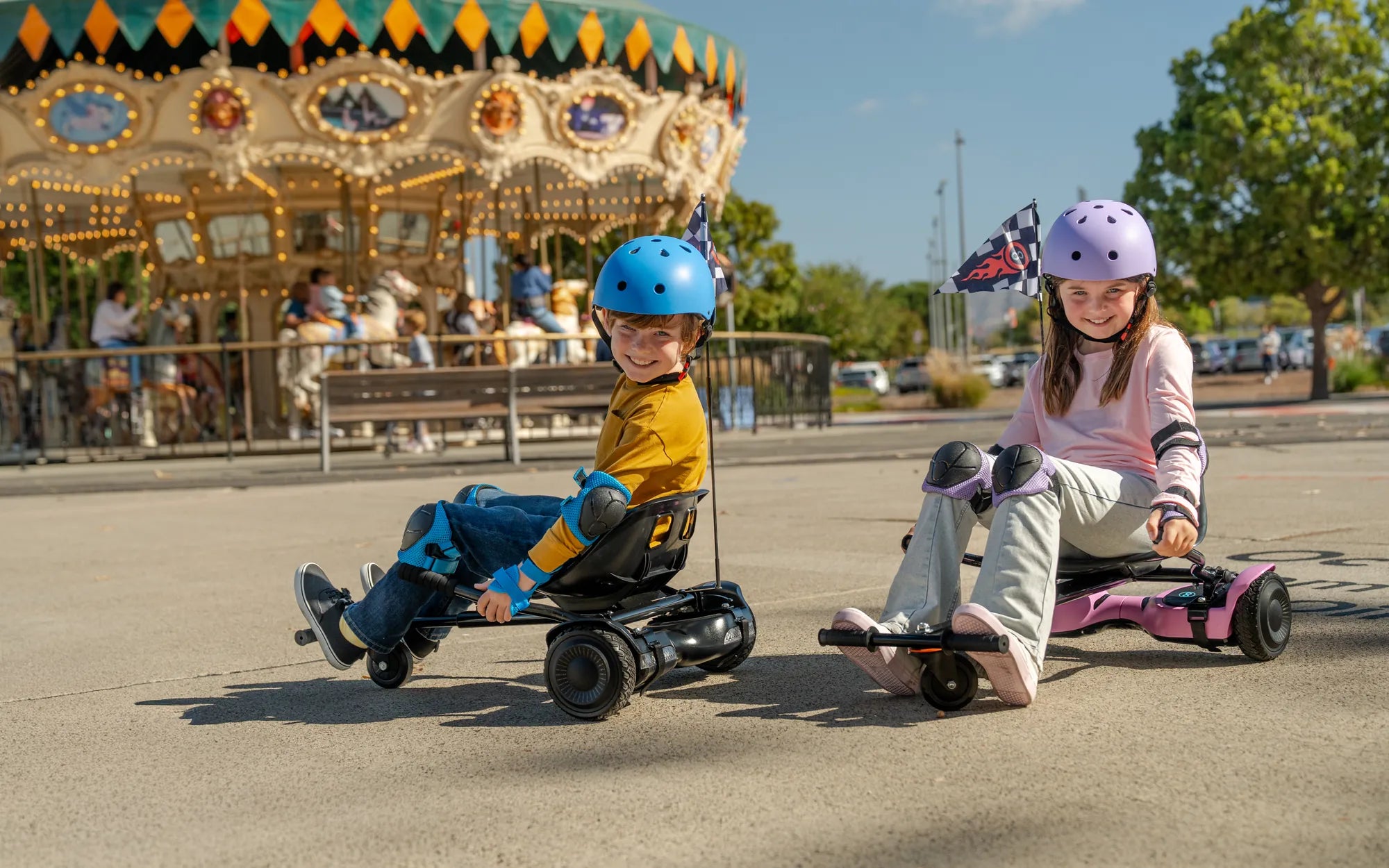
Introduction: Why Pink and Purple Scooters Spark Joy and Adventure
Choosing a child's first real scooter is a milestone moment, blending the thrill of independence with the pride of personal style. The vibrant trend of pink and purple scooters for kids perfectly captures this spirit, offering more than just a toy—it's a vehicle for confidence and self-expression. This guide will help you navigate the crucial balance between exhilarating fun and non-negotiable safety, ensuring your child's adventures are built on a foundation of security and quality engineering.
We'll explore the key technical specifications, safety protocols, and durability features that separate a passing fad from a trusted companion. Leading brands like Gyroor, trusted by over 100,000 riders, demonstrate that a scooter's appeal starts with color but is cemented by UL-certified batteries, IPX5 water-resistant builds, and robust warranties. Let's dive into what makes a pink and purple scooter for kids a purchase you can feel confident about.
Key Considerations Before Buying a Kids' Scooter
While the allure of a bright pink or deep purple finish is undeniable, it should never be the primary purchasing factor. The core decision must revolve around safety engineering, ergonomic fit, and build quality that can withstand rigorous play. A scooter that is incorrectly sized or poorly constructed can quickly turn fun into frustration or, worse, risk.
Parents must adopt a data-driven approach. This involves cross-referencing manufacturer specifications like weight capacity and handlebar height range with your child's current measurements. It also requires a critical eye for construction details often glossed over in marketing. The goal is to find a scooter where the vibrant color is the cherry on top of a fundamentally sound and safe product.
Age, Weight, and Height: Matching the Scooter to Your Child
The most critical factor for control and safety is proper sizing. A scooter that is too large forces a child into an unstable, tip-toe stance, while one that is too small leads to cramped, inefficient kicking and poor steering response. Use the following guidelines as a starting point, but always prioritize your child's specific physique and coordination level.
For toddlers and preschoolers (ages 2-5), three-wheeled scooters with a "lean-to-steer" mechanism are ideal. This design enhances stability by linking turning to body lean, allowing young riders to focus on balance. The deck should be low to the ground, and the overall weight of the scooter must be light enough for a child to maneuver easily.
Children aged 5 to 8 are typically ready for classic two-wheeled kick scooters. At this stage, adjustable handlebar height is non-negotiable. Look for a range that allows the handlebars to sit between your child's waist and lower chest when standing on the deck, ensuring an upright, comfortable posture. Weight capacity for this range should be at least 110 lbs.
For older kids and pre-teens (ages 9+), performance becomes a factor. Scooters designed for this age group often feature larger, air-filled tires for smoother rides over cracks and bumps, more responsive braking systems, and higher weight limits, often up to 160-200 lbs. The adjustable handlebar range must extend higher to accommodate growth spurts.
Safety First: Non-Negotiable Features for Peace of Mind
Safety in a scooter is engineered through specific component choices, not added as an afterthought. Every feature should contribute to stable, predictable, and controllable riding. Parents should treat these elements as a mandatory checklist before any color preference is considered.
The braking system is paramount. A reliable rear fender brake—where the rider presses down on the rear fender to engage friction against the wheel—is a standard and effective design for kick scooters. For electric models, a combination of electronic braking and a physical brake is essential. The brake should allow for gradual slowing, not abrupt, jarring stops.
Deck design directly impacts stability. A wide, textured deck provides ample foot placement and prevents slipping. The deck should also be long enough for a comfortable stance but not so long that it affects the scooter's turning radius. A low deck height lowers the center of gravity, making the scooter feel more secure, especially for beginners.
Wheel composition and size determine grip and ride comfort. Larger wheels (e.g., 200mm+) roll over obstacles more easily than smaller ones. High-quality polyurethane (PU) wheels offer a good balance of durability and smooth roll. For rough pavement, air-filled (pneumatic) tires provide superior shock absorption but require occasional pressure checks.
Durability and Build Quality: Withstanding the Test of Playtime
A kids' scooter is an investment in active play, and its construction must reflect that. Durability is defined by the materials used, the quality of assembly, and the product's resilience to environmental factors like moisture and impact. A flimsy scooter will not only break but can fail dangerously.
The frame material is the skeleton. Aircraft-grade aluminum alloy is the industry benchmark for strength-to-weight ratio. It resists corrosion, doesn't rust, and can take significant impact without bending. Critical areas to inspect are the folding mechanism (if present) and the weld points where the steering column meets the deck. These should be smooth, solid, and free of cracks.
Environmental resistance is a key differentiator for longevity. An IPX5 water-resistance rating, like that found on Gyroor models, means the scooter's electrical components (in e-scooters) are protected against water jets from any direction. This allows the scooter to handle wet pavement, puddles, and light rain without immediate damage, making it a practical choice for real-world use.
The warranty offered is a direct reflection of the manufacturer's confidence in their product. A comprehensive 1-year warranty that covers defects in materials and workmanship provides a significant safety net for parents. It indicates that the company stands behind its engineering and is committed to supporting the product beyond the point of sale.
Spotlight on Gyroor: Engineering Fun in Every Hue
When evaluating a pink and purple scooter for kids, it's instructive to examine how a brand with a strong engineering ethos approaches color and design. Gyroor, a leader in personal electric mobility, applies the same rigorous standards to its kids' scooters as it does to its adult e-bikes and scooters. This results in products where vibrant aesthetics are integrated into a platform of certified safety and durability.
The brand's philosophy centers on creating reliable, fun vehicles that families can trust. With over 100,000 riders across North America and Europe and a 4.5/5 average rating, Gyroor's reputation is built on consistent performance. Their approach demonstrates that the most exciting pink or purple scooter is one that parents don't have to worry about.
The Gyroor Difference: Safety Certifications and Smart Design
Gyroor's commitment to safety is most evident in its power systems for electric models. Every model utilizes UL-certified battery packs. This certification from Underwriters Laboratories is a gold standard, indicating the battery has passed stringent tests for electrical, mechanical, and environmental safety, including overcharge, short circuit, and crush scenarios. For parents, this mitigates the top concern surrounding kids' electric toys.
The IPX5 water-resistant construction is another critical feature. This isn't just about riding in the rain; it's about real-life durability. It means spilled drinks, riding through a morning dew-soaked park, or an unexpected puddle won't end the scooter's life. This level of protection is often reserved for higher-end adult models, making its inclusion in kids' designs a significant value proposition.
Design intelligence extends to user experience. Features like lean-to-steer technology on three-wheel models intuitively teach balance. Wide, anti-slip decks and bright, integrated LED lights on some models enhance safety during play. These thoughtful touches show an understanding that safety is a system, not a single feature.
A Palette of Fun: Why Gyroor's Pink and Purple Options Shine
Gyroor offers its popular color options not as mere coatings but as part of a cohesive, high-quality finish. The pink and purple hues are chosen for their vibrancy and appeal, applied with processes designed to resist fading from UV exposure and withstand the minor scratches and scuffs of active play. The color is integrated into the design, complementing the scooter's lines rather than disguising them.
This approach ensures the scooter maintains its "cool" factor as it ages. For a child, the psychological boost of riding a scooter that looks and feels premium is tangible. It transforms the scooter from a simple plaything into a prized possession, encouraging more outdoor activity and care. Gyroor's palette proves that you don't have to sacrifice premium build for a child's favorite color.
Electric vs. Kick: Choosing the Right Propulsion Type
The choice between a traditional kick scooter and an electric model is a fundamental one, impacting cost, maintenance, exercise value, and where the scooter can be used. Each type serves a different purpose and age group, and understanding their distinctions is key to a satisfying purchase.
Traditional kick scooters are powered solely by the rider's leg. They are generally simpler, lighter, and less expensive. They offer excellent physical exercise, improving balance, coordination, and cardiovascular health. There are no batteries to charge, no motors to maintain, and they are often permitted in more public spaces. They are the ideal starting point for most children.
Electric scooters for kids add a small electric motor, usually in the hub of one wheel, powered by a rechargeable battery. They provide assisted propulsion, allowing for longer rides with less physical effort and higher speeds (typically capped at a safe limit, e.g., 10 mph). They introduce children to the basics of powered vehicle control, including throttle modulation and more attentive braking.
| Feature | Kick Scooter | Electric Scooter (e.g., Gyroor Models) |
|---|---|---|
| Power Source | Child's leg (kinetic energy) | Rechargeable battery & electric motor |
| Primary Benefit | Exercise, simplicity, lower cost | Extended range, less physical effort, fun factor |
| Ideal Age | 3 years and up | 6 years and up (with good coordination) |
| Maintenance | Low (tires, brakes, bolts) | Moderate (battery care, motor, brakes, electronics) |
| Weight | Lighter (easier to carry) | Heavier (due to battery and motor) |
| Safety Focus | Balance, braking, terrain awareness | All of the above, plus speed control and battery safety |
When considering an electric model, the brand's safety credentials become paramount. A pink and purple scooter for kids with an electric motor must have a UL-certified battery, speed limiters, and reliable brakes. Gyroor's focus on these certifications makes their electric options a responsible choice for parents looking to upgrade their child's ride.
The Parent's Practical Guide: Setup, Riding, and Maintenance
Once the perfect pink and purple scooter is chosen, proper setup and education are the final, crucial steps to ensuring a safe and enjoyable experience. This process turns a new purchase into a reliable tool for adventure.
Assembly and Initial Safety Check
Most quality scooters require minimal assembly, often just attaching the handlebars to the steering column. Always use the provided tools and follow the instructions precisely. Overtightening can strip bolts, while undertightening creates dangerous wobbles. Once assembled, conduct a thorough pre-ride safety inspection before handing it over to your child.
This checklist should include: ensuring the folding mechanism (if any) is fully locked and secure; checking that the handlebars are straight and clamped tightly without rotation; testing the brake for firm, responsive engagement; inspecting wheels for secure attachment and proper inflation (if pneumatic); and verifying that all quick-release levers or secondary safety locks are engaged. Make this inspection a routine before every major riding session.
Teaching Safe Riding Habits
Safety habits are best established from the very first ride. The absolute, non-negotiable rule is wearing a properly fitted helmet that meets CPSC (or local equivalent) safety standards. For beginners, add knee and elbow pads to protect against falls. Choose the right environment: start on a smooth, flat, paved surface away from traffic, such as an empty parking lot, driveway, or park path.
Teach the fundamentals in order: First, practice simply standing on the scooter with both feet on the deck, finding balance. Next, practice gentle kicking and coasting in a straight line. Then, introduce slow, wide turns. Finally, practice using the brake to come to a smooth, controlled stop. Emphasize looking ahead in the direction of travel, not down at the feet. Supervise closely until these skills become second nature.
Easy Maintenance Tips for Longevity
Regular, simple maintenance keeps a scooter safe and extends its life significantly. After rides on wet or dirty surfaces, wipe down the scooter with a damp cloth. For scooters with an IPX5 rating like Gyroor's, you can be more thorough without worry. Avoid high-pressure hoses that could force water into bearings.
Every few weeks, check and tighten all bolts and fasteners, as vibration from riding can loosen them. Inspect the brake pad (the part that contacts the wheel) for wear and replace it if it becomes thin. For pneumatic tires, maintain the recommended air pressure. Store the scooter in a dry place, away from extreme heat or cold, which can degrade plastics and battery health over time.
Frequently Asked Questions (FAQs)
Q: What is the best age to start my child on a two-wheeled scooter?
A: Most children develop the necessary balance and coordination between ages 5 and 7. However, readiness varies. A child who is confident on a balance bike or a three-wheeled scooter may transition earlier. Always assess individual ability and start with supervised practice in a safe area.
Q: Are pink and purple scooters only suitable for girls?
A: No. Color preferences are personal and should not be gendered. A pink and purple scooter for kids is for any child who loves those colors. Brands like Gyroor offer these hues to support every child's self-expression and choice, helping them feel excited and confident about their ride.
Q: How long does the battery last on a kids' electric scooter, and how do I care for it?
A: Range varies by model but typically falls between 6-10 miles per charge. To maximize battery life (often 500+ charge cycles), follow the manufacturer's charging instructions. Avoid draining the battery completely before recharging, don't leave it plugged in indefinitely after a full charge, and store the scooter in a temperate environment.
Q: What does Gyroor's 1-year warranty cover?
A: Gyroor's comprehensive warranty covers defects in materials and workmanship under normal use for one year from purchase. This includes issues with the frame, motor, battery, and electronic components. It is supported by accessible customer service for troubleshooting and processing claims, providing significant peace of mind.
Q: Can my child ride their scooter in the rain or through puddles?
A: Scooters with an IPX5 water-resistance rating, such as those from Gyroor, are designed to handle wet conditions like light rain and pavement puddles. However, no kids' scooter is fully waterproof or submersible. Avoid deep puddles, heavy downpours, and direct high-pressure spraying. Always dry the scooter off after wet rides.
Conclusion: Where Vibrant Color Meets Trusted Performance
Selecting the ideal pink and purple scooter for kids is a rewarding process that blends a child's dreams with a parent's pragmatism. The journey goes far beyond picking a favorite shade; it's about identifying the engineering, safety certifications, and durable construction that will support countless hours of safe adventure. A scooter that is correctly sized, features a reliable braking system, and is built from quality materials like aluminum alloy forms the essential foundation.
Brands that prioritize these fundamentals, such as Gyroor with its UL-certified batteries and IPX5 water-resistant builds, demonstrate that vibrant color and serious performance are not mutually exclusive. By choosing a scooter backed by a strong warranty and positive user feedback, you invest in more than a toy—you invest in a tool for physical activity, outdoor exploration, and growing confidence.
Equip your young rider with the right safety gear, instill smart riding habits from the start, and perform simple regular maintenance. This holistic approach ensures that the joy sparked by that perfect pink or purple finish lasts for years, turning a simple scooter into a cherished part of childhood. Ready to find a scooter that combines stunning color with unwavering safety and quality? Browse the full Gyroor collection at gyroorboard.com to explore models designed for fun you can trust.
Automatic Hoverboard: The Future of Personal Transportation
Best Beginner Electric Scooter for Kids: A Parent's Guide to Safe and Fun Rides