



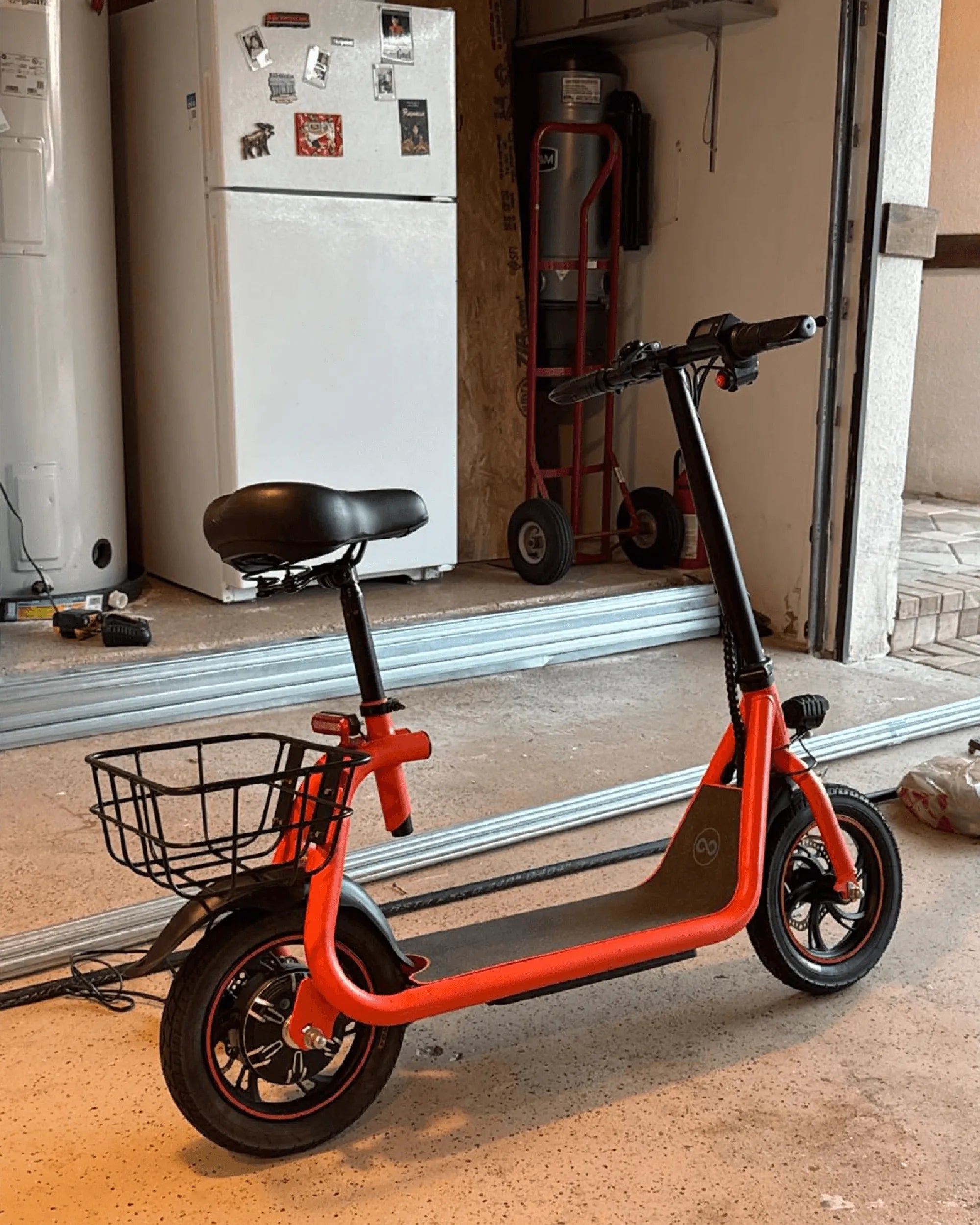
Introduction to Pink Scooters for 5-Year-Olds
Selecting a first scooter is a milestone moment for a child, blending the thrill of newfound mobility with crucial developmental benefits. A pink scooter for a 5 year old represents more than just a vibrant color choice; it's a tool for empowerment, personal expression, and outdoor adventure. However, the allure of a favorite color must be secondary to fundamental safety and ergonomic design. This guide provides a data-driven framework to help you choose a scooter where safety, stability, and durability form the core, beautifully wrapped in a pink finish that sparks joy.
We will analyze the key features that make a scooter appropriate for a kindergarten-aged child, from wheel configuration to braking systems. The goal is to ensure the scooter you select supports your child's physical growth, builds their confidence, and withstands the rigors of playful use. Let's move beyond color to the engineering and design principles that create a safe and rewarding riding experience.
Why a Scooter is a Great Gift for a 5-Year-Old
At age five, children experience rapid development in gross motor skills, balance, and coordination. A scooter directly engages these areas, providing a fun, challenging activity that promotes physical health. Unlike passive entertainment, scooting encourages kids to explore their environment, build spatial awareness, and develop a sense of independence.
The act of balancing on a moving platform strengthens core muscles and improves bilateral coordination. Pushing off the ground enhances leg strength and cardiovascular health. Furthermore, mastering a new skill like scooting provides a significant confidence boost. The journey from wobbly first attempts to smooth, controlled riding teaches perseverance and resilience.
Outdoor play on a scooter also offers sensory benefits and helps establish healthy habits away from screens. It's a social activity that can be shared with friends, fostering communication and cooperative play. A well-chosen pink scooter for a 5 year old can thus be a catalyst for holistic development, combining fun with foundational physical and cognitive growth.
Key Safety Features to Prioritize
Safety is the absolute non-negotiable when selecting any ride-on toy for a young child. The aesthetics of a pink scooter for a 5 year old are irrelevant if the fundamental design is unsafe. Prioritize these features in this order before considering color or decorative elements.
Three-Wheel Stability: For beginners, a three-wheel configuration is paramount. Models with two wheels at the front (a lean-to-steer design) or a two-wheel rear offer superior stability, preventing dangerous sideways tipping. This design allows the child to focus on balancing forward and back before mastering more complex lateral balance.
Effective, Simple Braking System: The brake must be intuitive and easy for small hands and feet to operate. A rear fender brake—where the rider presses down on the rear fender—is often the safest and most reliable option for this age group. It provides controlled stopping power without the complexity of hand brakes.
Wide, Non-Slip Deck: The standing platform must be wide enough for both feet to stand comfortably side-by-side or in a staggered stance. It should feature a textured, non-slip surface (like grip tape) to prevent feet from sliding during pushes and stops, even when wet.
Durable, Stable Wheels: Opt for larger, polyurethane (PU) wheels over small, plastic ones. Larger wheels (e.g., 120mm+) roll more smoothly over cracks and bumps, providing a stable ride. They offer better shock absorption and are less likely to catch on pavement irregularities.
Anatomy of a Perfect 5-Year-Old Scooter: A Feature Breakdown
Understanding each component's role ensures you select a scooter that functions as a cohesive, safe system. This breakdown applies to any quality scooter, with the pink finish being a durable coating on a well-engineered frame.
Wheel Configuration & Stability
The wheel setup is the foundation of safety. For a 5-year-old beginner, a 3-wheel scooter is strongly recommended. The most stable configuration is a dual front wheel system, often using a lean-to-steer mechanism that turns based on body weight, making it intuitive. Traditional 2-wheel scooters require advanced balance and steering coordination typically mastered around age 6 or 7. Starting with three wheels builds foundational skills safely.
Adjustable T-Bar Handlebar
An adjustable handlebar is critical for proper ergonomics and longevity. The handlebar should adjust easily (often with a simple clamp or button mechanism) to sit between the child's waist and lower chest when standing on the deck. Proper height prevents hunching, allows for comfortable steering control, and lets the scooter "grow" with the child for at least a couple of years. Brands like Gyroor incorporate easy-adjust mechanisms in their youth models to ensure a perfect fit.
Deck & Weight Limit
The deck should be low to the ground to lower the center of gravity and enhance stability. Check the manufacturer's stated weight limit, which should significantly exceed your child's current weight. A robust weight limit (often 50kg/110lbs+) indicates a sturdy frame construction. A deck that is both wide and long provides ample foot space for secure positioning during rides.
Braking System
As mentioned, simplicity is key. The rear fender brake is the gold standard for young riders. Ensure the brake engages smoothly without being too stiff or too sensitive. Test the mechanism to confirm it brings the scooter to a steady, non-jarring stop. Avoid complex hand brake systems at this stage, as they can confuse a child in a moment of need.
Materials & Durability
Frame material impacts weight and strength. Aircraft-grade aluminum alloys offer an excellent strength-to-weight ratio, making the scooter light enough for a child to carry yet resistant to bending. Steel frames are more durable but heavier. High-quality pink scooters for 5 year olds use powder-coated finishes on aluminum frames for vibrant, chip-resistant color. All bearings, connectors, and wheels should feel solid, with no sharp edges or wobbly parts.
Top Considerations When Choosing a Pink Scooter
Use this practical checklist during your evaluation. The perfect pink scooter for a 5 year old will check all these boxes, with the color being the final, delightful detail.
Adjustability and Fit: Confirm the handlebar adjusts to the correct height range for your child's current size and offers room to grow. An improper fit compromises control and safety.
Overall Weight: The scooter should be light enough for your 5-year-old to maneuver and carry up a curb or stairs. A weight between 2.5kg and 4kg (5.5-8.8lbs) is typically manageable.
Ease of Assembly: Most quality scooters require minimal assembly—often just attaching the handlebar to the deck. Tools should be provided, and the process should be straightforward, with clear instructions.
Brand Reputation & Safety Certifications: Purchase from reputable brands that adhere to international toy safety standards (like ASTM F963 or EN71). Brands like Gyroor build trust through rigorous testing, using UL-certified components where applicable, and offering reliable warranties. The pink color should be a feature of a trustworthy brand's product, not the sole reason for purchase.
Pink Scooter Styles: Glitter, Sparkle, and Themed Designs
The fun factor is undeniably important for engagement. The market offers a wide spectrum of pink aesthetics that can make the scooter a cherished possession. These design elements, when applied to a well-made scooter, enhance the riding experience.
Sparkle and glitter finishes embedded in the deck's coating or handlebar grips are popular. Light-up wheels, powered by motion-activated LEDs, add magical appeal, especially for evening rides. Themed designs featuring unicorns, mermaids, or floral patterns tap into a child's imagination.
It's essential to ensure these decorative features are durable. The glitter should be sealed within a clear coat, not a superficial layer that flakes off. Lights should be housed securely within the wheel hub. When chosen wisely, a themed pink scooter for a 5 year old can significantly increase their motivation to practice and play outdoors.
Essential Safety Gear: Non-Negotiable Accessories
A helmet is mandatory, not optional. Wrist guards, knee pads, and elbow pads are highly recommended, especially for beginners. This gear significantly reduces the risk of serious injury from falls.
Helmet: Choose a CPSC (U.S.) or CE (Europe) certified helmet specifically for cycling or multi-sport use. It must fit snugly, sitting level on the head and covering the forehead. Many brands offer helmets in pink or with decorative patterns to match the scooter.
Pads: Look for pads with hard plastic caps, sturdy straps, and soft interior padding. They should stay in place during movement without restricting circulation. Like the helmet, allowing your child to choose pink or patterned pads increases the likelihood they'll wear them willingly.
Establishing the rule "No gear, no scooter" from day one creates a lifelong habit of safe riding. Make gearing up part of the fun pre-ride ritual.
Getting Started: Teaching Your 5-Year-Old to Scoot Safely
Patience and a positive environment are key. Start in a safe, controlled area—a smooth, flat driveway, empty parking lot, or park path free of traffic and major slopes.
Step 1: The Stance. Have your child stand on the deck with their dominant foot forward, in a slight "scooting" stance, and the other foot on the ground. Let them get a feel for balancing on the stationary scooter.
Step 2: The Push & Glide. Holding the handlebars, demonstrate a gentle push with the back foot. Have them practice pushing and then placing that foot on the deck to glide. Walk alongside, holding the handlebar post for stability if needed.
Step 3: Steering & Braking. Once gliding is comfortable, practice gentle turns. Then, practice using the brake at a slow speed. Emphasize looking ahead, not down at their feet.
Keep initial sessions short (10-15 minutes) and celebratory. Mastery will come with consistent, positive practice. The goal is to build confidence and muscle memory in a stress-free way.
Frequently Asked Questions (FAQ)
Is 5 years old a good time to start scooting?
Yes, five is an ideal age. Most children have developed the necessary gross motor skills, coordination, and cognitive understanding to follow basic safety instructions. Starting with a stable 3-wheel model sets them up for success.
Are 2-wheel or 3-wheel scooters better for a 5-year-old?
For a complete beginner, a 3-wheel scooter is unequivocally better. It provides essential lateral stability, allowing the child to focus on propulsion, forward balance, and steering without the constant fear of tipping over. Transition to a 2-wheel model can occur later, around age 6 or 7, once they have mastered the basics.
How do I know if the handlebar height is correct?
When your child stands on the deck, the handlebar should reach somewhere between their waist and lower chest. Their arms should be slightly bent at the elbows when gripping the handles, not fully extended or cramped up high. An adjustable T-bar is essential to maintain this fit as they grow.
My child wants a pink scooter, but are they as durable?
Yes, if you choose a quality brand. Durability depends on frame material, construction quality, and component strength, not the color of the powder coat. A reputable brand's pink scooter for a 5 year old will be just as durable as the same model in blue or green. The color is a surface finish applied to a robust frame.
What is the average weight limit for scooters in this category?
Quality scooters for 5-year-olds typically have a maximum weight limit between 50kg (110 lbs) and 65kg (143 lbs). This provides a significant safety buffer beyond the child's current weight and ensures the scooter is built to handle active use. Always check the specific product specifications.
Comparison of Key Scooter Types for 5-Year-Olds
| Feature | 3-Wheel Lean-to-Steer Scooter | Traditional 2-Wheel Kick Scooter | Electric Scooter (Not Recommended) |
|---|---|---|---|
| Best For | Absolute Beginners, Safety Priority | Older 5-year-olds with some balance experience | Not suitable for this age group |
| Stability | Excellent (Dual front wheels prevent tip-overs) | Moderate to Low (Requires good balance) | Varies, often too fast for safe control |
| Steering Mechanism | Lean body weight to turn (intuitive) | Turn handlebars (requires coordination) | Handlebar throttle & steering |
| Learning Curve | Gentle, builds confidence quickly | Steeper, can be frustrating initially | Complex and dangerous for young kids |
| Recommended Age | 3 - 6 years | 6+ years | 8+ (with strict supervision) |
Conclusion: Confidence, Joy, and the Right Ride
The journey to finding the ideal pink scooter for a 5 year old is a balance of practical safety and joyful personalization. By prioritizing a stable three-wheel design, an adjustable frame, a reliable brake, and durable construction, you lay the foundation for countless hours of safe, active play. The vibrant pink color or sparkling details then become the cherry on top—a feature that makes this important tool for development uniquely theirs.
This investment goes beyond a toy; it's an investment in your child's physical confidence, coordination, and love for the outdoors. A well-chosen scooter from a trusted brand will be a reliable companion through years of childhood adventure. Ready to explore a range of thoughtfully designed, safety-first ride-ons that can be the start of your child's journey? Browse the full Gyroor collection at gyroorboard.com to find models that blend quality engineering with the fun aesthetics kids love.
Scooter 65 Kmm: The Complete Guide to Long-Range Electric Freedom
Transport Scooter Battery: The Complete Guide to Range, Safety & Lifespan