

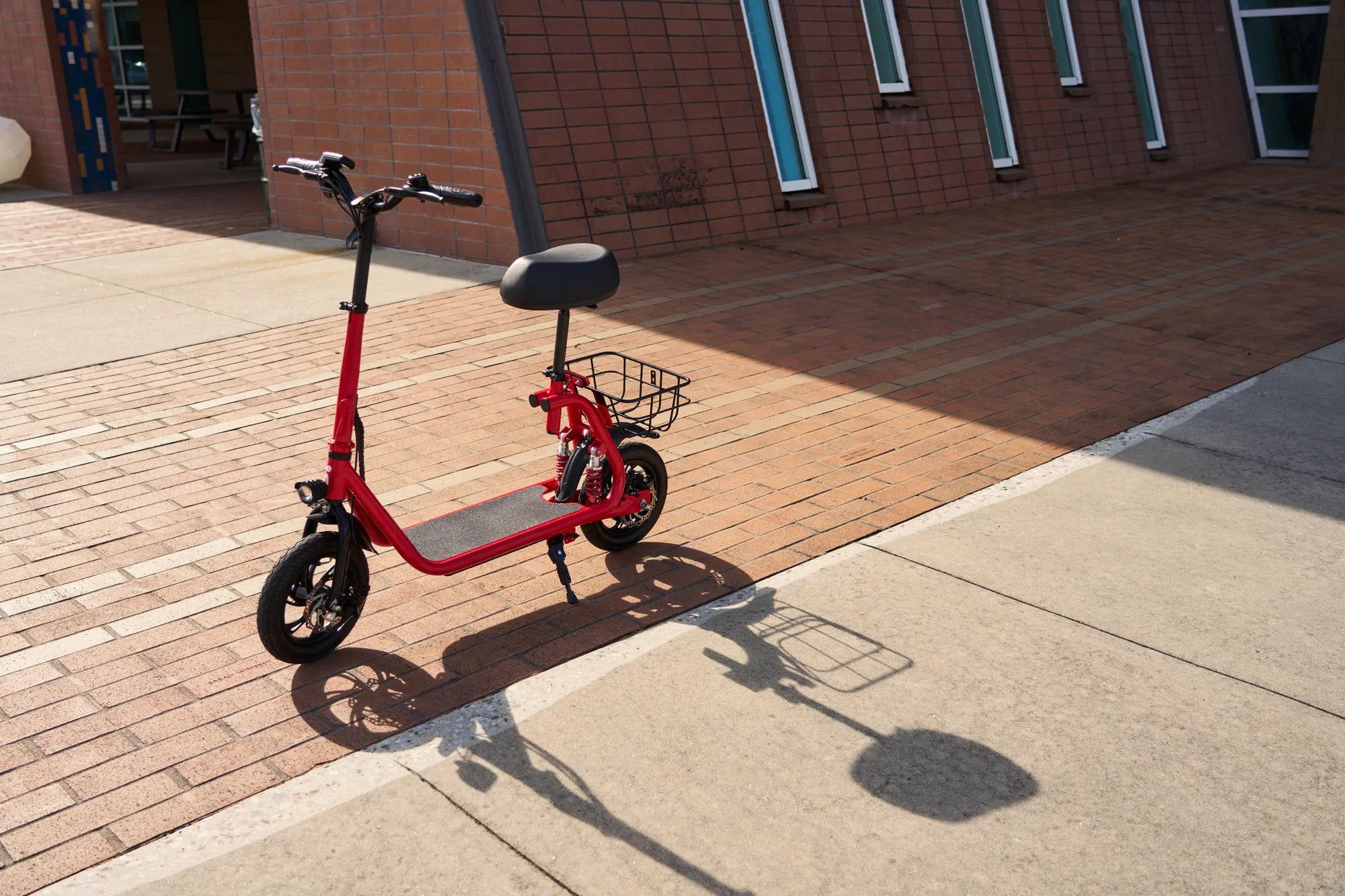
Electric bikes have revolutionized urban commuting and outdoor adventures, offering an eco-friendly and cost-effective alternative to traditional transportation. At the heart of every ebike lies its battery, and the plug for ebike battery plays a crucial role in keeping it charged and ready for the road. Whether you're a seasoned rider or new to the world of electric bikes, understanding the ins and outs of your battery plug can save you time, money, and frustration.
Why the Plug for Ebike Battery Matters
The plug for ebike battery is more than just a simple connector; it's the lifeline between your battery and the power source. A high-quality plug ensures efficient energy transfer, reduces the risk of overheating, and prolongs the lifespan of your battery. On the other hand, a poorly designed or incompatible plug can lead to slow charging, energy loss, or even damage to your battery.
Types of Plugs for Ebike Batteries
Not all plugs are created equal. Here are some common types of plugs used for ebike batteries:
- Standard DC Plugs: These are the most common and come in various sizes. They are easy to use but may not offer the highest level of safety.
- Waterproof Plugs: Ideal for riders who frequently encounter wet conditions, these plugs are sealed to prevent moisture ingress.
- Magnetic Plugs: These plugs snap into place effortlessly and disconnect safely if pulled, reducing the risk of damage.
- Smart Plugs: Equipped with advanced features like auto-shutoff and temperature monitoring, these plugs offer the highest level of safety and efficiency.
How to Choose the Right Plug for Your Ebike Battery
Selecting the right plug for your ebike battery involves considering several factors:
- Compatibility: Ensure the plug matches your battery's voltage and current requirements.
- Durability: Look for plugs made from high-quality materials that can withstand frequent use.
- Safety Features: Opt for plugs with built-in safeguards like overcurrent protection and heat resistance.
- Ease of Use: Choose a plug that is easy to connect and disconnect, especially if you charge your battery daily.
Common Mistakes to Avoid When Using a Plug for Ebike Battery
Even the best plug can fail if not used correctly. Here are some common pitfalls to avoid:
- Using an Incompatible Plug: Always double-check that the plug matches your battery's specifications.
- Ignoring Wear and Tear: Regularly inspect your plug for signs of damage, such as frayed wires or loose connections.
- Charging in Extreme Conditions: Avoid charging your battery in very hot or cold environments, as this can affect the plug's performance.
- Overlooking Waterproofing: If you ride in wet conditions, ensure your plug is waterproof to prevent short circuits.
Maximizing the Lifespan of Your Ebike Battery Plug
To get the most out of your plug for ebike battery, follow these tips:
- Store Properly: Keep your plug and charging cable in a dry, cool place when not in use.
- Clean Regularly: Dust and debris can accumulate in the plug, so clean it periodically with a dry cloth.
- Avoid Overloading: Don't use the plug to charge multiple devices simultaneously unless it's designed for that purpose.
- Replace When Necessary: If your plug shows signs of wear or malfunction, replace it immediately to avoid damaging your battery.
The Future of Plugs for Ebike Batteries
As ebike technology continues to evolve, so do the plugs that power them. Future innovations may include wireless charging, universal plug designs, and even smarter plugs with real-time diagnostics. Staying informed about these advancements can help you make better choices for your ebike battery.
Your ebike's performance and longevity depend heavily on the plug for ebike battery you use. By choosing the right plug, avoiding common mistakes, and maintaining it properly, you can ensure a smooth and efficient ride every time. Don't let a faulty plug slow you down—invest in quality and ride with confidence!
72V Ebike: The Ultimate Guide to High-Voltage Electric Biking
Long Range Folding Ebike: The Ultimate Commuter Companion for Modern Riders