

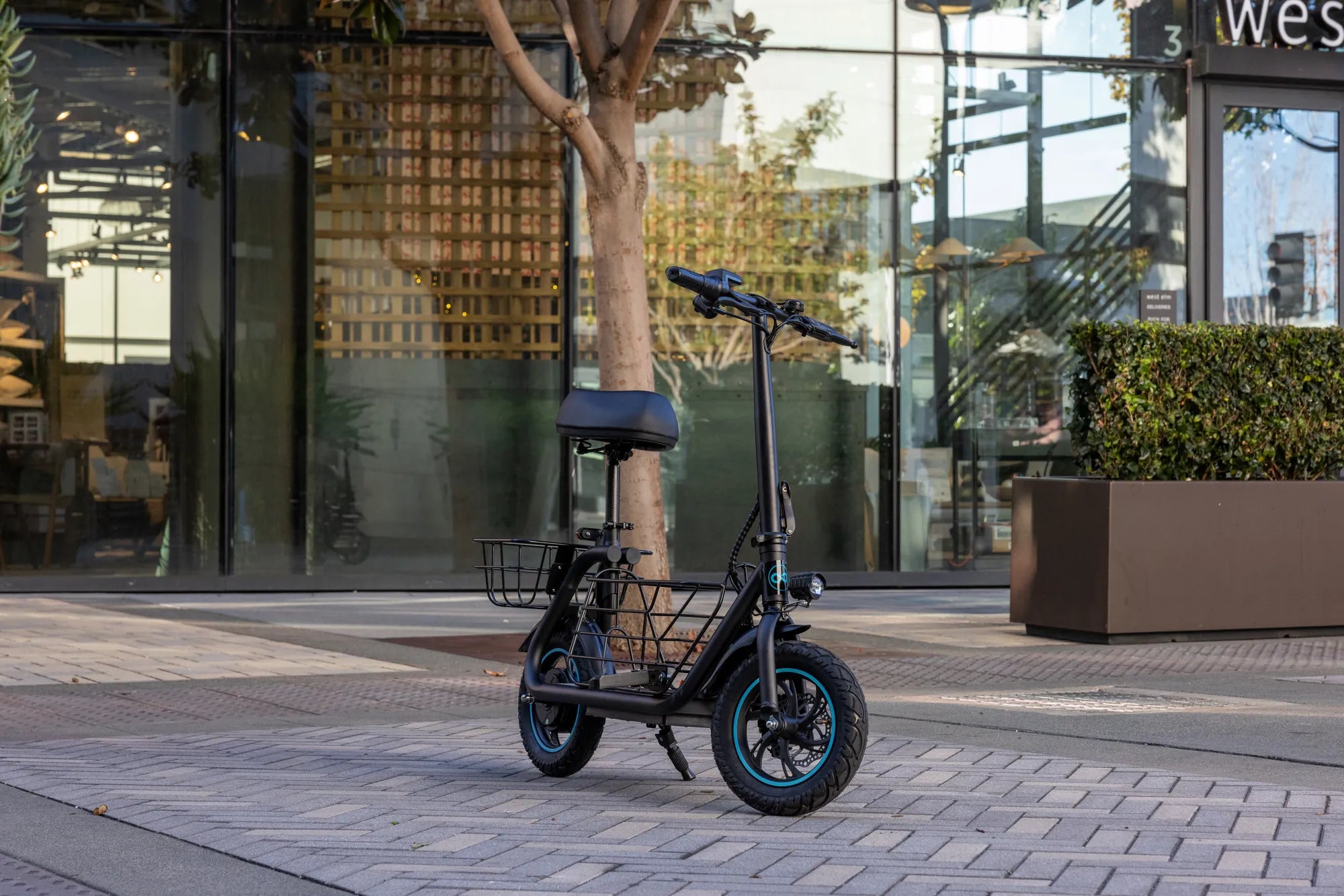
Introduction to Modern Urban Mobility
Urban transportation is undergoing a fundamental shift. For adults navigating congested city streets, the search for an efficient, cost-effective, and reliable commute has moved beyond cars and crowded public transit. The definitive solution emerging is the adoption of powerful electric scooters for adults. These are not toys but sophisticated personal electric vehicles engineered to tackle real-world urban challenges head-on.
The core problems of modern commuting are clear: unpredictable traffic causing delays, soaring costs of fuel and parking, and the sheer frustration of the "last mile" gap between transit stops and final destinations. A high-performance electric scooter directly addresses these pain points by offering a swift, agile, and affordable alternative.
This guide will analyze the technical specifications that define true power, outline the non-negotiable features for daily adult use, and match different performance levels to specific urban lifestyles. We will reference the engineering principles behind leading brands like Gyroor, a company trusted by over 100,000 riders for its focus on UL-certified battery safety, IPX5 water-resistant designs, and robust 1-year warranties.
By the end, you will understand why a powerful electric scooter for adults is more than just a gadget—it's a practical cornerstone of intelligent urban mobility.
What Makes an Electric Scooter "Powerful"? Decoding the Specs
Power in an electric scooter is a composite of several key technical specifications. Understanding these metrics is crucial for selecting a model that won't just move you, but will propel you confidently through urban terrain. The core triad of performance consists of the motor, the battery, and the resulting speed and acceleration.
Motor Wattage and Torque: The Heart of Performance
The motor is the engine of your scooter. Wattage (W) indicates its power output, but there are two key figures: nominal and peak. A 500W nominal motor might sustain that power continuously, while its peak output could surge to 800W or more for short bursts during acceleration or hill climbs. For adult commuters, especially those weighing over 200 lbs or facing inclines, a motor with a high nominal wattage (500W and above) is essential.
Torque, measured in Newton-meters (Nm), is the rotational force that gets you moving from a standstill and powers you up hills. High torque is what prevents a scooter from bogging down on a steep gradient. A powerful scooter for adults pairs high wattage with high torque, ensuring responsive acceleration at traffic lights and the ability to conquer urban slopes without slowing to a crawl.
Battery Capacity and Range: Going the Distance
Power is meaningless without endurance. Battery capacity, measured in Watt-hours (Wh), determines your scooter's range. This is calculated by multiplying the battery's voltage (V) by its amp-hour (Ah) rating. A common configuration for powerful models is a 48V 15.6Ah battery, offering roughly 750Wh of capacity.
Real-world range depends heavily on rider weight, terrain, speed, and temperature. While a manufacturer might claim a 40-mile range, a 220 lb rider on hilly streets at top speed should expect 20-25 miles. This is why investing in a scooter with a UL-certified battery pack, like those used by Gyroor, is critical. These batteries undergo rigorous testing for over 500 charge cycles, ensuring not only safety from thermal incidents but also consistent power delivery and longevity over time.
Speed and Acceleration: Navigating City Flow
Top speed and acceleration profile are the tangible results of motor and battery power. For urban commuting, a top speed of 20-25 mph is often the practical sweet spot, allowing you to keep pace with city traffic flow safely. More powerful scooters can reach 30-40+ mph, which may be desirable for longer, straight-line suburban commutes but requires extreme caution and appropriate safety gear.
Acceleration is arguably more important in stop-and-go traffic. A powerful scooter should offer brisk, controlled acceleration to safely merge into traffic from a side street or accelerate through an intersection. This responsiveness, governed by the motor controller, turns a commute from a passive crawl into an active, efficient journey.
Essential Features for the Adult Commuter: Beyond Raw Power
Raw performance specs must be housed within a package designed for daily, dependable use. For the adult commuter, several features are non-negotiable, transforming a powerful motor into a reliable urban vehicle.
Build Quality and Durability: Built to Last
The frame is the scooter's skeleton. Aerospace-grade aluminum alloys are the standard for high-quality models, providing an optimal balance of strength and lightness. A robust scooter should have a weight capacity of at least 220 lbs, with premium models supporting 300 lbs or more. The folding mechanism must be solid and secure, with no wobble or play when locked in the riding position.
Weather resistance is paramount. An IPX5 rating, indicating protection against water jets from any direction, is a key feature for a commuter who might encounter rain or wet roads. This level of ingress protection, a standard in Gyroor's commuter-focused models, ensures internal electronics and the battery compartment are shielded from the elements, guaranteeing reliability day after day.
Safety Systems: Confidence at Every Turn
With greater power comes a greater need for control and visibility. A comprehensive safety system is mandatory. Braking should involve a dual or triple system, typically combining a responsive electronic brake (which can also regenerate some power to the battery) with a mechanical disc or drum brake for maximum stopping power.
Suspension and tires are your first line of defense against urban potholes and cracks. Front and rear spring or hydraulic suspension absorb impacts, while wide (often 10-inch), pneumatic (air-filled) tires provide superior traction, stability, and comfort compared to small, solid tires. Integrated lighting is also critical: a bright headlight, a responsive brake light, and deck or side lights for 360-degree visibility to other road users at night.
Portability and Practicality: The Last Mile and Beyond
Even a powerful scooter needs to be manageable when not in use. A good folding design should allow the scooter to collapse in seconds and lock securely. The folded dimensions and weight (often 45-65 lbs for powerful models) determine how easy it is to carry onto public transit or store under a desk.
Modern scooters enhance practicality through smart features. Bluetooth connectivity with a dedicated app can provide ride statistics, firmware updates, customizable acceleration profiles, and even an electronic lock that disables the motor. A clear, bright display is essential for monitoring speed, battery level, and riding mode at a glance.
Power in Practice: Comparing Commute Scenarios
Choosing the right level of power depends entirely on your specific urban environment and travel needs. Here’s a breakdown of how different specifications align with common commuting scenarios.
| Commute Scenario | Recommended Power Range | Key Feature Priorities | Realistic Daily Range Need |
|---|---|---|---|
| The Short, Flat-City Hop (2-5 miles on mostly flat terrain) | 350W - 500W | Portability (lightweight, compact fold), basic suspension, IPX4/5 rating. | 10-15 miles |
| The Suburban Connector (5-15 miles, variable terrain with hills) | 500W - 1000W+ | Strong hill climb, dual suspension, large pneumatic tires, high-capacity battery, dual brakes. | 20-35 miles |
| The Car Replacement (15+ mile range, high-speed needs, mixed use) | 1000W+ (often dual motor) | Maximum speed & acceleration, ultra-high capacity battery (52V+), premium braking (hydraulic), superior suspension, full lighting suite. | 35-50+ miles |
For the short hop, excessive power is unnecessary and adds cost and weight. A nimble, portable scooter shines here. The suburban commuter, however, is the prime candidate for a true powerful electric scooter for adults. The need to cover longer distances and tackle inclines demands higher wattage, a larger battery, and robust construction.
The car replacement category represents the pinnacle of performance. These scooters, often featuring dual motors for all-wheel drive and massive batteries, are designed for users who want to eliminate a car entirely for their daily routine. They prioritize long-range comfort and highway-level speeds, making them a serious transportation investment.
Investing in Power: Cost, Value, and Peace of Mind
A powerful electric scooter is an investment in your daily quality of life and long-term savings. Evaluating cost should extend far beyond the initial price tag to encompass total ownership value.
The Total Cost of Ownership
While a high-performance scooter may have a higher upfront cost ($800-$2,500+) compared to basic models, the operational savings are substantial. Compare the cost to daily car ownership: no gas, insurance, parking fees, or expensive maintenance. Even compared to monthly transit passes, a scooter can pay for itself within a year for many commuters.
Maintenance costs are typically low, involving occasional tire replacements, brake pad changes, and keeping the scooter clean. The primary consumable is the battery, which, if it is a quality UL-certified unit, should provide years of reliable service with proper care before any noticeable degradation.
The Importance of Warranty and Support
This is where reputable brands truly differentiate themselves. A powerful machine requires robust support. A comprehensive warranty—covering the frame, motor, battery, and controller for at least one year—is a non-negotiable indicator of a manufacturer's confidence in its product.
Accessible customer service, preferably with local or region-specific support channels, is crucial. The promise of power must be backed by the promise of help if needed. Gyroor's commitment to a 1-year warranty with US-based support exemplifies this principle, turning a significant purchase into a secure, long-term investment for the rider.
Safety, Maintenance, and Riding Best Practices
Owning a powerful tool requires responsible operation and care. Adhering to safety and maintenance protocols ensures longevity for your scooter and security for yourself.
Always wear a helmet certified for cycling or skateboarding. Consider additional gear like gloves, knee pads, and a reflective vest for visibility. Before each ride, perform a quick check: verify tire pressure, test brake function, ensure all lights are working, and confirm the folding mechanism is locked.
Battery maintenance is critical. Avoid draining the battery to 0% regularly; try to recharge when it drops to 20-30%. Use only the manufacturer-provided charger and store the scooter in a cool, dry place. For water-resistant models, still avoid submerging the scooter or riding through deep puddles, and dry it thoroughly after riding in the rain.
Ride defensively. Assume cars and pedestrians do not see you. Obey local traffic laws, which often classify e-scooters as bicycles, meaning you should use bike lanes where available and follow standard road rules. Avoid using headphones at high volume so you remain aware of your surroundings.
Navigating Legal Regulations and Urban Etiquette
The legal landscape for powerful electric scooters for adults is evolving. Regulations typically govern maximum speed (often capped at 15-20 mph for public roads/bike lanes), power output, and where you can ride (sidewalks are frequently prohibited). It is the rider's responsibility to know and follow the laws in their city and state.
Good riding etiquette fosters positive relationships with all road users. On shared paths, slow down when passing pedestrians and announce yourself politely with a bell. Do not block sidewalks or building entrances when parked. By being a courteous and lawful rider, you help ensure the long-term viability of e-scooters as a respected urban mobility solution.
Frequently Asked Questions (FAQ)
1. Are powerful electric scooters legal for adult use in cities?
Legality varies by municipality. Most cities regulate based on top speed (e.g., a 20 mph limit) and motor wattage, and prohibit sidewalk riding. Always check your local Department of Transportation or city council website for the most current e-scooter ordinances before riding.
2. How do I safely handle and maintain a high-wattage battery?
Use only the provided charger. Store and charge the scooter at room temperature, away from flammable materials. Avoid extreme discharges and charges; keeping the battery between 20% and 80% for daily use is ideal for longevity. Inspect the battery casing periodically for damage.
3. Is a powerful scooter safe for a beginner rider?
Many powerful models offer multiple speed modes. A beginner should start in the lowest, most restricted mode (often capped at 10-15 mph) to learn handling and braking in a safe environment before gradually unlocking higher performance as their skill and confidence grow.
4. What's the realistic range I can expect on a single charge?
Take the manufacturer's range estimate and apply a 30-50% reduction for real-world conditions. Factors like rider weight, hills, frequent stops/starts, cold weather, and riding at top speed will significantly reduce range. Plan your commute with a comfortable buffer.
5. What should I look for in terms of after-sales service and warranty?
Prioritize brands that offer a minimum 1-year warranty covering major components (battery, motor, controller) and have clear, accessible customer service channels. Read reviews to gauge the company's responsiveness to issues. A strong warranty is a sign of quality and reduces long-term ownership risk.
Conclusion: Powering a Smarter Commute
The evolution of the electric scooter from a novelty to a legitimate urban commuting solution is complete. For adults, selecting a powerful electric scooter for adults means choosing a vehicle that delivers the performance to handle distance and terrain, the durability to withstand daily use, and the safety features to provide confidence. True power is a holistic package: it's the combination of a robust motor, a reliable UL-certified battery, a solid frame, and comprehensive rider support.
This investment pays dividends in time saved, money retained, and the sheer enjoyment of a liberated, efficient commute. As cities continue to evolve, the powerful electric scooter stands as a practical, sustainable, and intelligent pillar of modern personal transportation. To explore a range of high-performance models built with these principles, from robust commuters to long-range powerhouses, browse the full Gyroor collection at gyroorboard.com.
Cheap Electric Scooters for Girls: Affordable and Stylish Rides
10 Best Electric Scooters for Kids Manufacturers You Need to Know