



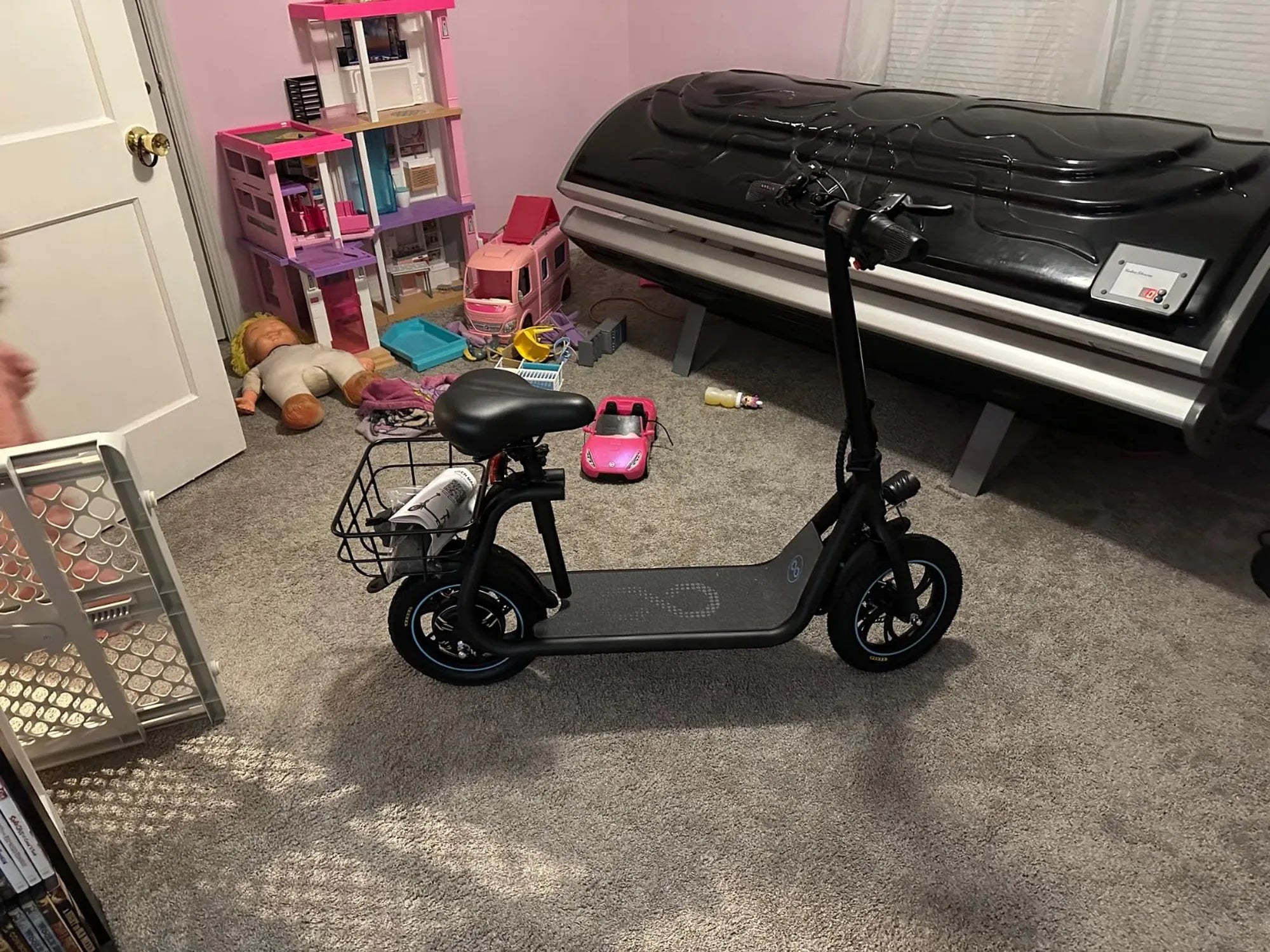
Redefining Urban Commutes with Power and Precision
City streets demand vehicles that are agile, fast, and reliable. The era of the underpowered, last-mile gadget is fading, replaced by a new class of personal electric vehicle designed for serious urban travel. At the forefront of this shift are Powerful Electric Scooters: The Future of Urban Mobility. These are not toys but robust transport tools engineered to handle steep hills, merge confidently with traffic, and significantly reduce commute times. This article will dissect the engineering behind high-performance scooters, translate technical specs into real-world benefits, and explain why this power revolution is backed by critical safety standards. We'll explore how leading brands, including Gyroor—trusted by over 100,000 riders across North America and Europe—are defining this category by combining formidable performance with UL-certified safety and durable, water-resistant designs.
What Makes an Electric Scooter "Powerful"?
Power in an electric scooter is a multi-faceted equation, not defined by top speed alone. It's the combination of components that deliver robust, usable performance under real-world conditions. The primary metrics are motor wattage, battery voltage, and torque output, which together determine acceleration, hill-climbing ability, and sustained speed.
A motor rated at 500W is sufficient for flat terrain, but true powerful electric scooters often feature motors of 800W, 1000W, or more. This higher wattage translates directly to greater torque, the rotational force that gets you moving from a stop and pushes you up an incline. Equally critical is the battery system voltage. While many entry-level models use 36V systems, high-performance scooters utilize 48V or even 52V platforms. A higher voltage system delivers power more efficiently, reducing energy loss as heat and providing stronger, more consistent acceleration, especially when the battery charge dips below 50%.
The Role of Motor and Battery Synergy
The true test of a scooter's power is how its motor and battery work together under load. A high-wattage motor paired with a low-capacity or low-quality battery will lead to rapid voltage sag—a sudden drop in power output when you need it most, like halfway up a hill. This is where synergy is key.
Brands that engineer for performance, like Gyroor, pair high-output motors with high-capacity, UL-certified battery packs. This ensures the battery can deliver the high current (amps) the motor demands without significant voltage drop. The result is consistent power delivery from a full charge down to a low charge, reliable acceleration, and the ability to maintain higher speeds even on gradients. This reliable synergy is what separates a truly powerful electric scooter from a merely fast one that falters in practical use.
The Practical Benefits of Power for the Urban Rider
The technical specifications of powerful electric scooters solve tangible urban commuting problems. For the daily rider, power means practicality and expanded utility. It transforms the scooter from a fair-weather shortcut into a dependable primary vehicle.
First, it conquers topography. Cities are rarely flat; they have bridges, overpasses, and hills. A powerful scooter with ample torque can tackle 15-20% grades without slowing to a crawl, ensuring your commute time remains predictable. Second, it enables safer interaction with traffic. The ability to accelerate quickly from a stoplight or to briefly match the speed of flowing traffic (where legally permitted) allows a rider to claim a lane position more confidently and predictably, rather than being a slow-moving obstacle.
Furthermore, power supports carrying capacity. A commuter often carries a backpack with a laptop, lunch, and other gear. A more powerful motor compensates for the added weight without a dramatic loss in performance or range. It also reduces trip time not just by enabling higher speeds, but by maintaining momentum, which is more energy-efficient than constantly stopping and starting. This makes the powerful electric scooter the future of urban mobility for those who need to travel farther than a mile or two reliably.
Safety Through Performance: Confidence in Traffic
Adequate power is an underappreciated safety feature. In urban traffic, predictability is safety. A scooter that can keep pace with bicycle traffic or accelerate decisively out of a potential conflict zone makes its rider more predictable to drivers, cyclists, and pedestrians.
Quick acceleration allows a rider to clear an intersection promptly when the light turns green, reducing exposure time. It also enables safer merging from a bike lane into a traffic lane when necessary. Conversely, a underpowered scooter that struggles to maintain speed on a slight incline can create hazardous speed differentials. The confidence inspired by having power in reserve allows the rider to focus more on the road and traffic patterns, rather than worrying about whether the scooter will make it up the next hill. This performance-driven safety is a core reason why powerful electric scooters are gaining adoption among serious commuters.
Gyroor's Engineering Edge: Power Built with Trust
Delivering high performance responsibly requires an engineering philosophy that prioritizes safety and durability alongside power. Gyroor has built its reputation with over 100,000 riders on this exact principle, ensuring that "powerful" also means "trustworthy." This is achieved through several key USPs that address the major concerns with high-performance personal electronics.
First is battery safety. Every Gyroor scooter utilizes UL-certified battery packs. This certification means the battery cells, BMS (Battery Management System), and enclosure have passed rigorous independent testing for electrical, mechanical, and fire safety. Given the energy density in these powerful packs, this certification is non-negotiable. Second is durability for all-weather commuting. An IPX5 water-resistance rating means the scooter can withstand water jets from any direction, making it resilient against rain-wet streets and puddles, a critical feature for a daily transport vehicle.
Finally, this robust performance is backed by a comprehensive 1-year warranty and accessible, US-based customer support. This warranty coverage on the motor, battery, and controller gives buyers peace of mind, knowing the brand stands behind the complex engineering of its powerful electric scooters. This combination—certified safety, weather-resistant design, and strong warranty support—defines the trusted engineering required for the future of urban mobility.
Data-Driven Comparison: Power vs. Practicality
Choosing the right scooter involves balancing power with needs like portability and cost. The table below contrasts a typical commuter-focused scooter with a high-performance model, illustrating the trade-offs and ideal use cases. Models like those in Gyroor's lineup often occupy the "High-Performance Commuter" category, blending substantial power with practical features.
| Feature | Standard Commuter Scooter | High-Performance Commuter Scooter (e.g., Gyroor Pro Series) |
|---|---|---|
| Motor Power | 250W - 350W | 500W - 1000W+ |
| Max Practical Speed | 15-18 mph | 22-28+ mph* |
| Hill Climb Ability | Struggles on slopes >10% | Handles 15-25% grades comfortably |
| Acceleration (0-15 mph) | 6-8 seconds | 3-5 seconds |
| Typical Range** | 15-20 miles | 20-40 miles |
| Ideal Use Case | Short, flat last-mile trips, lightweight riders | Longer commutes, hilly cities, riders with gear, faster-paced travel |
*Speed varies by local regulations, which riders must always obey.
**Range varies significantly based on rider weight, terrain, speed, and temperature.
As shown, the powerful electric scooter offers expanded capabilities that unlock new commute radii and terrains. The trade-off often comes in slightly increased weight and price, but for the rider facing a 5-mile commute with hills, the investment directly translates to time saved and reliability gained.
The Future of Urban Mobility: Integrating Power into City Life
The trajectory of urban transport points toward electrification, connectivity, and multi-modal integration. Powerful Electric Scooters: The Future of Urban Mobility are poised to be a cornerstone of this new ecosystem. They are evolving from standalone devices into connected components of a smarter city.
We will see deeper integration with public transit. A high-performance scooter with a 20+ mile range is the perfect first-and-last-mile solution for suburban train or bus commuters, effectively extending the catchment area of transit hubs without needing a car. On the regulatory front, cities are beginning to develop clearer frameworks for these faster personal mobility devices, potentially creating new classes of vehicle with dedicated infrastructure.
Technologically, advancements in battery chemistry (like solid-state batteries) promise even greater energy density and safety for powerful scooters. Motor efficiency will continue to improve, offering more power per watt. Furthermore, smart features like enhanced regenerative braking, Bluetooth connectivity for diagnostics and theft prevention, and integrated lighting systems will become standard. This evolution will solidify the position of the powerful electric scooter not as a niche product, but as a legitimate, sustainable, and efficient node in the urban transport network, reducing congestion and emissions.
FAQ: Your Questions About Powerful E-Scooters, Answered
Q1: Are powerful scooters legal on bike paths and in bike lanes?
A: Laws vary greatly by city, state, and country. Typically, local regulations govern maximum allowable motor wattage and/or speed for electric scooters on bike paths. Many jurisdictions cap speed at 15-20 mph for bike lane use. It is the rider's absolute responsibility to know and obey local laws, which may classify higher-powered scooters differently. Always check your municipal transportation codes.
Q2: How does more power affect battery life and range?
A: Power consumption increases significantly with speed and acceleration. Using a powerful scooter at its top speed will deplete the battery much faster than cruising at a moderate pace. However, a high-performance scooter usually comes with a larger capacity battery. The key is that the power provides capability when you need it (for a hill, for acceleration), but riding conservatively can still yield a long range. Modern Battery Management Systems (BMS) also protect battery health over hundreds of charge cycles.
Q3: What maintenance does a high-performance scooter require?
A>Regular maintenance is crucial for safety and longevity. Key tasks include: regularly checking and inflating tires to the correct PSI; inspecting and tightening bolts (especially on the stem and folding mechanisms); testing brakes and adjusting/replacing pads as needed; and keeping the scooter clean, especially after wet rides. It's also wise to periodically check for firmware updates if your model supports them. Following the manufacturer's guidelines, like those provided with Gyroor scooters, is essential.
Q4: Is a powerful electric scooter suitable for a beginner?
A>It can be, with caution. Many powerful models offer multiple speed modes. A beginner should start exclusively in the lowest speed/beginner mode to get accustomed to the controls, balance, and braking. The increased weight and speed potential mean a learning curve. The advantage is that the scooter will not become "underpowered" as the rider's skill and needs grow. Always wear a helmet and full protective gear, regardless of experience level.
Q5: How important is water resistance for a commuter scooter?
A>Extremely important if you plan to ride regularly. Weather is unpredictable. An IPX5 rating, like on Gyroor models, means the scooter is protected against water spray from all angles, making it safe to ride on wet pavement and in light rain. This prevents water ingress that could damage electronics or cause a short circuit. Never submerge any electric scooter, and avoid heavy downpours.
Empowering Your Urban Journey
The evidence is compelling: powerful electric scooters represent a significant leap forward in personal urban transportation. By combining robust motor performance with high-capacity, safely engineered battery systems, they solve real-world commuting challenges—from daunting hills to the need for traffic-competitive speed. This performance, when built on a foundation of certified safety standards, weather resistance, and reliable warranty support as demonstrated by brands like Gyroor, creates a vehicle that is both thrilling and trustworthy.
The shift towards these capable machines is more than a trend; it's a logical step in the evolution of efficient, compact, and sustainable city mobility. They empower riders to reclaim time, reduce their carbon footprint, and navigate the urban landscape with unprecedented freedom and agility. As infrastructure and regulations adapt, the integration of these vehicles into our daily lives will only deepen. The future of urban mobility is electric, connected, and yes, powerfully efficient.
Ready to experience the fusion of performance, safety, and reliability? Browse the full Gyroor collection of UL-certified, high-performance electric scooters and e-bikes at gyroorboard.com and find the model that empowers your commute.
Electric Scooters for 9 Year Olds: A Safe and Fun Ride for Kids
Electric Mopeds Scooters: The Future of Urban Mobility