



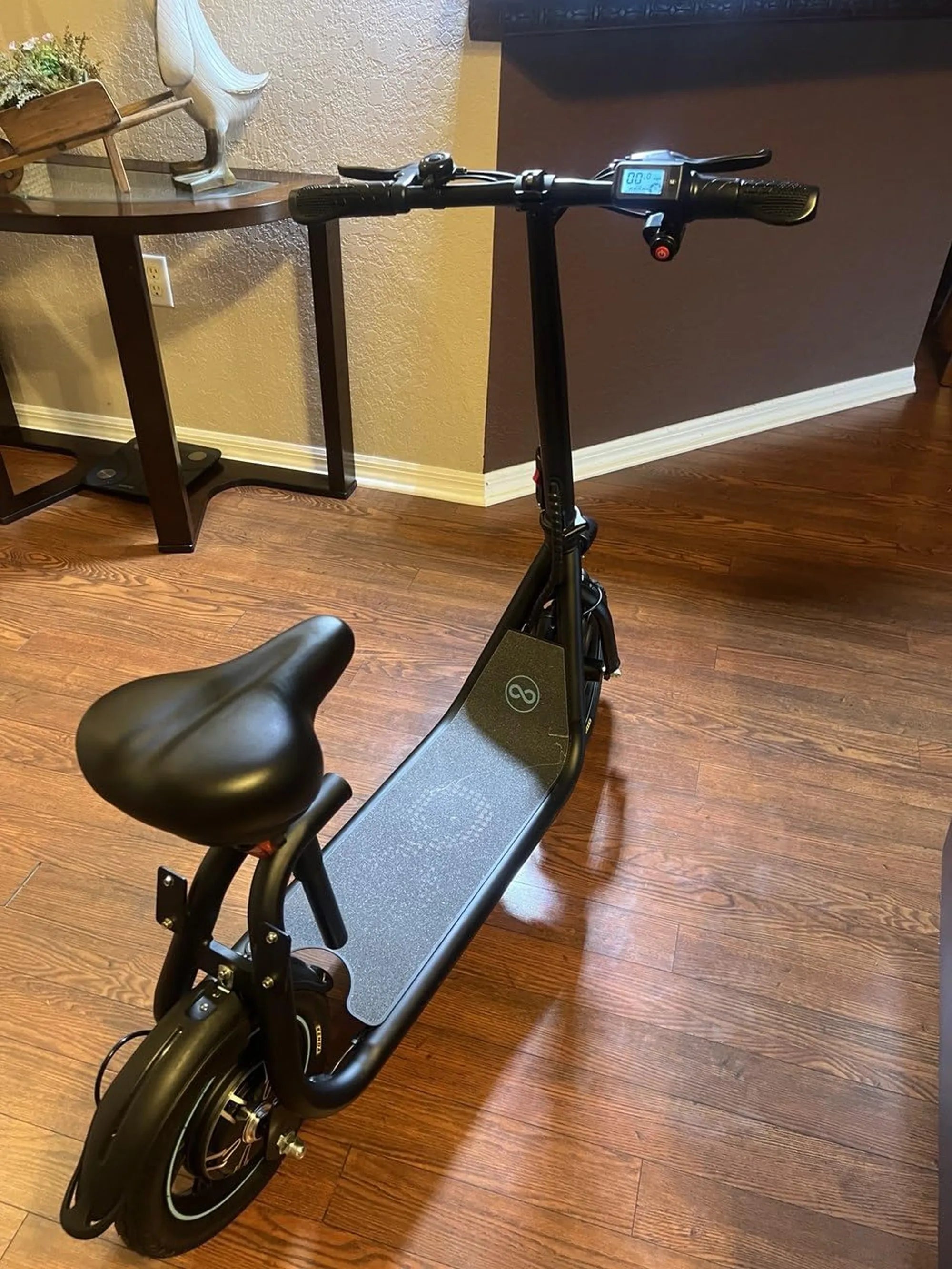
The Rise of Personal Electric Mobility
Urban transportation is undergoing a quiet revolution, moving beyond the initial hype of shared rental fleets. The true future of urban mobility is being claimed by privately owned electric scooters. These personal vehicles are solving the persistent 'last-mile' problem, reducing traffic congestion, and offering unparalleled personal freedom.
Ownership transforms the e-scooter from a sporadic convenience into a reliable daily tool. Unlike rental models, a personal scooter is always available, hygienic, and tailored to the rider's specific needs. This shift represents a maturation of the micro-mobility market towards sustainable, long-term solutions.
This article will detail the compelling advantages of ownership, guide you through selecting the right model, and explore the broader societal impact. You will learn why investing in your own scooter is not just a purchase, but a strategic move towards a more efficient and autonomous urban life.
Why Own Your Scooter? Advantages Beyond the Shared Model
Private ownership of an electric scooter delivers benefits that shared services simply cannot match. The core advantage is reliability. Your scooter is ready when you are, eliminating the frustration of hunting for a charged unit or dealing with app malfunctions.
Hygiene and personalization are other significant factors. You control the cleanliness of your handlebars and deck. Furthermore, you can customize your ride with accessories like phone mounts, storage baskets, and upgraded lights for a truly personalized commute.
Perhaps most importantly, private ownership liberates you from geofencing and restrictive operational areas. Your scooter can travel wherever local laws permit, not just within a corporate-defined zone. This freedom unlocks the full potential of micro-mobility for errands, leisure, and complex multi-modal journeys.
The Economics of Ownership vs. Rental
The financial case for purchasing a privately owned electric scooter is overwhelmingly clear when viewed through a long-term lens. A simple cost comparison reveals a rapid break-even point.
Consider a commuter using a shared scooter twice daily, five days a week. At an average cost of $4 per ride, weekly expenses reach $40, totaling over $2,000 annually. In contrast, a high-quality personal scooter from a brand like Gyroor, with models often priced between $500 and $1,200, pays for itself in 3 to 6 months of equivalent use.
Beyond the initial purchase, maintenance costs for a well-built scooter are minimal—primarily tire replacements and occasional brake adjustments. This stands in stark contrast to the unpredictable surge pricing and per-minute fees of rental platforms. Ownership is a one-time investment in predictable transportation costs.
Unmatched Convenience and Reliability
The 'always-ready' aspect of a personal scooter cannot be overstated. There is no need to check battery levels on an app or walk blocks to find an available unit. Your scooter is charged, parked securely, and prepared for your exact schedule.
This reliability makes a private e-scooter a viable replacement for a car on many short trips. It enables spontaneous decisions without logistical friction. The convenience extends to storage; a folding design can be taken into your office or apartment, eliminating parking fees and theft anxiety.
For daily commuters, this transforms the journey from a variable-cost service into a dependable, owned asset. It integrates seamlessly into your routine, becoming as reliable as your own bicycle or pair of shoes, but with the added benefit of electric assist.
Key Features to Prioritize for Your Private E-Scooter
Selecting the right privately owned electric scooter requires focusing on features that ensure safety, performance, and durability for daily use. Not all specifications are created equal, and understanding their real-world implications is crucial.
A scooter for private ownership must be built to last thousands of miles, not just hundreds of rental rides. This means prioritizing verified safety standards, robust construction, and warranty support. Brands that cater to owners, like Gyroor, design their products with these long-term expectations in mind.
The following sections break down the non-negotiable features that separate a fleeting gadget from a serious mobility tool. Investing in these areas upfront guarantees a safer, more satisfying, and more economical ownership experience over many years.
Safety First: Battery and Build Quality
The battery is the heart of an e-scooter and its most critical safety component. Insist on models with UL-certified battery packs. This independent certification, which Gyroor utilizes across its lineup, verifies rigorous testing for thermal stability, electrical safety, and durability over hundreds of charge cycles.
Frame construction is equally vital. Look for aerospace-grade aluminum or reinforced steel frames that can withstand daily urban punishment. The braking system should be dual-redundant, typically combining a disc brake with an electronic regenerative brake for consistent stopping power in all conditions.
Finally, comprehensive lighting is essential for visibility. A bright headlight, taillight, and side reflectors or deck lights are mandatory for safe night riding. These features are not mere accessories; they are fundamental to integrating your scooter safely into mixed traffic.
Performance for the Real World: Range, Power & Terrain
Manufacturer range claims are often based on ideal lab conditions. For real-world urban use, assume a 20-30% reduction due to stops, starts, hills, and rider weight. Therefore, if your round-trip commute is 10 miles, seek a scooter with a stated range of at least 15-18 miles.
Motor power directly impacts hill-climbing ability and acceleration. A 350W motor is suitable for flat terrain, while 500W or higher is recommended for cities with inclines. This ensures you maintain a safe speed without straining the motor or battery excessively.
Suspension and tire choice define ride comfort and terrain capability. Pneumatic (air-filled) tires and a front or dual suspension system, features found on many Gyroor commuter models, dramatically improve stability over potholes, cracks, and uneven surfaces, reducing fatigue and increasing control.
Durability and Warranty: Investing in Longevity
An IPX5 water-resistance rating is a key indicator of durability. This rating, a standard for Gyroor scooters, means the unit can withstand water jets from any direction, protecting it from rain showers and road splashes. It is essential for a vehicle meant for daily, all-weather use.
The warranty offered is a direct reflection of the manufacturer's confidence in their product. A comprehensive 1-year warranty covering the motor, battery, and controller provides essential peace of mind. It signals a commitment to support owners beyond the point of sale.
Longevity is also about serviceability. Check the availability of replacement parts like tires, tubes, and brake pads. A brand with a strong owner community and accessible parts distribution ensures your scooter remains operational for years, maximizing your return on investment.
Integrating Your Scooter into Urban Life: Practical Considerations
Successfully adopting a privately owned electric scooter involves navigating the practicalities of urban living. Thoughtful planning for storage, security, and local regulations ensures a smooth and sustainable ownership experience.
These considerations turn the scooter from a novel purchase into an integrated part of your daily logistics. Addressing them upfront prevents frustration and promotes responsible ridership, which benefits all micro-mobility users by fostering positive public and regulatory perception.
Storage, Security, and Charging at Home/Work
For apartment dwellers, a folding design is paramount. The ability to quickly collapse the scooter and carry it indoors eliminates theft risk and solves storage problems. Many models, when folded, have a footprint smaller than a suitcase.
For times when you must leave it locked outside, use a high-quality U-lock or heavy-duty chain lock, securing the frame to a fixed object. Never rely solely on the scooter's built-in electronic lock. Charging is straightforward; the removable battery pack on many models allows you to charge it conveniently at your desk or in your home without bringing the entire scooter inside.
Establishing a routine—charging after each use, performing a quick pre-ride tire and brake check—takes minutes but ensures optimal performance and safety. This routine maintenance is far simpler than servicing a car or even a bicycle.
Navigating Regulations and Riding Etiquette
Laws governing e-scooters vary significantly by city and country. Generally, they are treated similarly to bicycles. Common rules include: riding in bike lanes where available, prohibiting sidewalk riding in business districts, adhering to speed limits (often 15-20 mph), and requiring helmet use for riders under a certain age.
It is the rider's responsibility to know and follow local laws. Beyond legality, practicing good etiquette is crucial. Signal your turns, yield to pedestrians, do not ride under the influence, and avoid blocking sidewalks when parked. Responsible ownership helps build a positive case for permanent micro-mobility infrastructure.
Advocating for dedicated bike/scooter lanes and secure parking racks in your community can further enhance safety and convenience for all. Private owners have a vested interest in improving the urban landscape for sustainable transport.
The Broader Impact: Sustainability and Urban Evolution
The widespread adoption of privately owned electric scooters extends far beyond individual convenience. It represents a significant shift towards more sustainable and efficient urban ecosystems, with measurable benefits for the environment and city infrastructure.
As ownership grows, the collective impact on traffic patterns, emissions, and public space utilization becomes profound. This trend aligns with broader urban planning movements aimed at reducing car dependency and creating more livable, human-scale cities.
Reducing Carbon Footprint and Traffic Congestion
Studies consistently show that e-scooters, when replacing car trips, can reduce greenhouse gas emissions per passenger mile. A 2021 study published in *Environmental Research Letters* found that e-scooters, especially privately owned ones with longer lifespans, have a lower carbon footprint per kilometer than many shared options when considering full lifecycle emissions.
Each scooter on the road represents one less short-distance car trip, directly reducing traffic congestion and parking demand. In dense urban cores, where a high percentage of car trips are under three miles, e-scooters offer a compelling zero-tailpipe-emission alternative. This supports the vision of '15-minute cities,' where most daily needs are accessible within a short walk, bike, or scooter ride from home.
The Future Landscape: Technology and Infrastructure
The technology powering private e-scooters will continue to advance. We can expect more energy-dense batteries offering longer ranges, smarter connectivity for diagnostics and anti-theft features, and advanced materials making scooters lighter yet stronger.
In parallel, forward-thinking cities are beginning to invest in supportive infrastructure. This includes expanding networks of protected bike/scooter lanes, installing secure parking and charging stations at transit hubs, and integrating micro-mobility into official transportation plans.
This symbiotic evolution—better technology and better infrastructure—will solidify the privately owned e-scooter's role as a permanent, mainstream mode of transport. It moves from an alternative to an integral component of a multi-modal urban transportation system.
Privately Owned vs. Shared vs. Other Transport: A Comparison
| Mode of Transport | Upfront Cost | Long-Term Cost (1 Year) | Convenience & Availability | Environmental Impact* | Best For |
|---|---|---|---|---|---|
| Privately Owned E-Scooter | Medium ($500-$1,500) | Low (purchase + minimal maintenance) | High (Always available, no geofencing) | Very Low (Zero direct emissions, long lifespan) | Daily commuters, errands, last-mile solution |
| Shared E-Scooter Rental | None (per-ride fee) | Very High ($1,500-$2,500 for daily use) | Low (Subject to availability, battery, zones) | Medium (Higher lifecycle impact from collection/charging) | Occasional, spontaneous one-way trips |
| Public Transit | Low (fare card) | Medium ($800-$1,500 for passes) | Medium (Fixed routes & schedules) | Low (Efficient at scale) | Longer linear commutes, bad weather |
| Personal Car | Very High | Very High (Payment, insurance, fuel, parking) | High (Door-to-door, but traffic/parking) | High (Direct emissions & congestion) | Long distances, family trips, cargo |
| Bicycle | Low-Medium | Very Low | High | None | Short-medium distances, fitness-focused riders |
*Environmental Impact considers direct emissions, lifecycle manufacturing, and operational efficiency for typical urban trips.
Frequently Asked Questions (FAQ)
Are privately owned e-scooters legal in my city?
Laws vary widely. In most U.S. and European cities, they are legal on streets and bike lanes but often prohibited on sidewalks in business districts. Always check your specific city's department of transportation website for the most current regulations regarding speed limits, helmet laws, and approved riding areas.
How much maintenance do they really require?
Routine maintenance is minimal but essential. Regularly check tire pressure, test brakes, and ensure lights work. Plan for tire replacements every 500-1,000 miles depending on use, and brake pad replacements as needed. A quality scooter from a brand with good parts support, like Gyroor, makes this process simple.
Can I ride it in the rain?
This depends on the scooter's water-resistance rating. A model with an IPX5 rating (like many Gyroor scooters) is protected against water jets and can handle light to moderate rain and wet roads. However, avoid deep puddles and torrential downpours, as water can damage electronics regardless of rating. Always dry your scooter after riding in wet conditions.
Is it worth the upfront cost compared to a bike or transit pass?
The value proposition is different. Compared to a transit pass, a scooter offers door-to-door speed and schedule freedom, paying for itself within months for a daily commuter. Compared to a bicycle, it requires less physical effort, allows you to arrive without sweating, and can cover longer distances faster. It's an investment in time savings and personal convenience.
What's the true lifespan of a quality e-scooter?
With proper care and maintenance, a well-built e-scooter using a UL-certified battery (rated for 500+ full charge cycles) can last 3-5 years or more of daily use. The battery may experience reduced range after several years, but other components like the frame and motor are very durable. Choosing a reputable brand is the single biggest factor in achieving maximum lifespan.
Taking Control of Your Commute
The evidence is clear: privately owned electric scooters represent a fundamental upgrade to urban mobility. They offer a superior blend of economic sense, personal freedom, and environmental benefit compared to transient rental solutions. Ownership shifts the paradigm from accessing a service to possessing a reliable, personalized tool for daily life.
This future is not about replacing all car trips or public transit, but about intelligently filling the gaps they leave. It is about reclaiming time lost in traffic, reducing transportation expenses, and contributing to cleaner, less congested cities. The choice to own your scooter is a vote for a more efficient and autonomous urban existence.
When making this investment, prioritize safety, durability, and support. Choose a brand that stands behind its products with rigorous safety certifications, robust warranties, and a commitment to the owner experience. For over 100,000 riders, Gyroor has set that standard with UL-certified batteries, IPX5 water-resistant designs, and reliable performance.
Ready to redefine your urban commute? Explore engineering built for ownership and discover the model that fits your city life. Browse the full Gyroor collection at gyroorboard.com.
Are Electric Scooters Illegal in Australia? The Complete 2024 Guide
Electric Scooters Should Be Banned: The Hidden Dangers and Why Cities Need to Act Now