


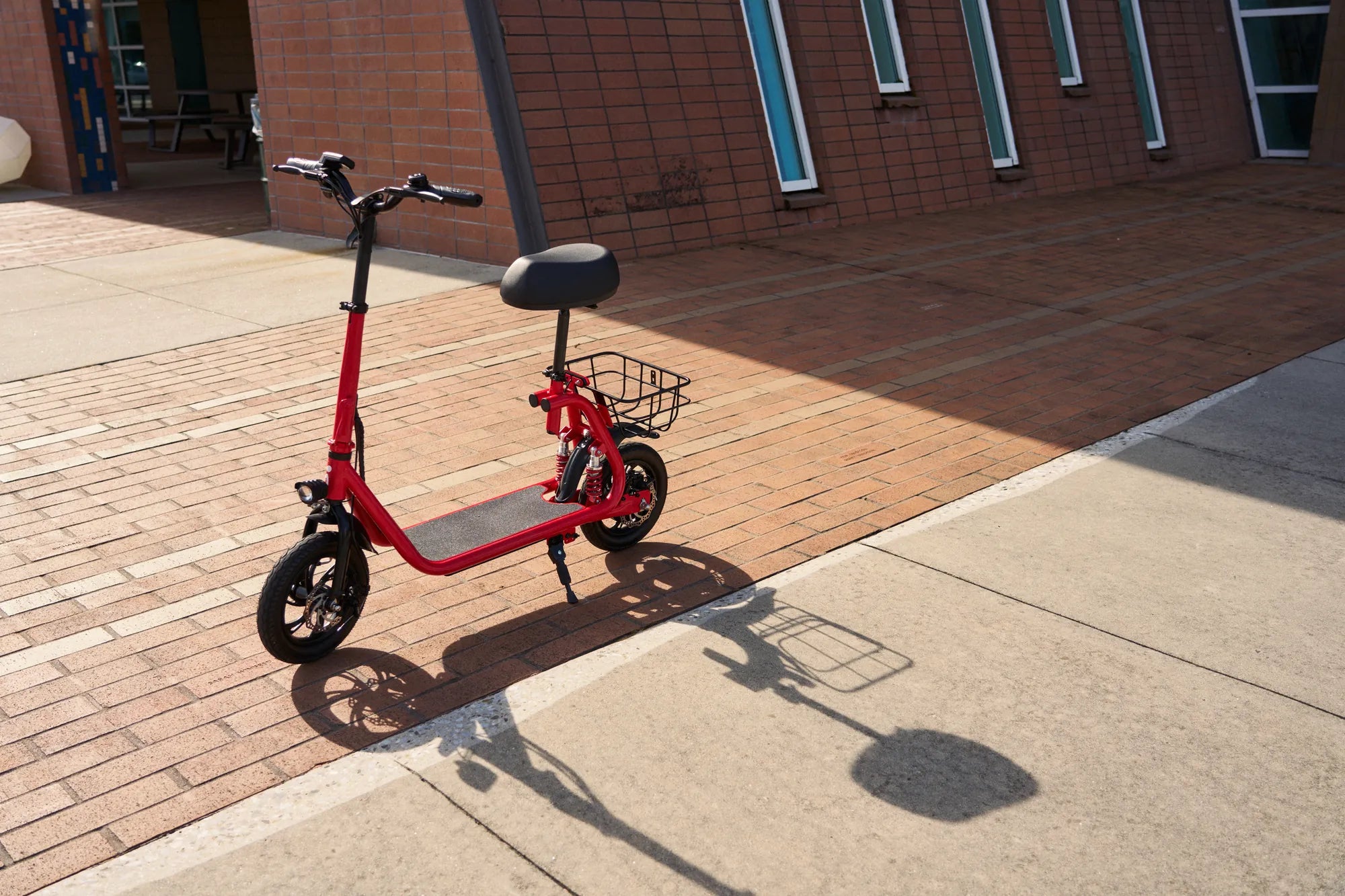
Imagine zipping through city streets without leaving a carbon footprint—electric scooters make this possible. As cities grow denser and pollution levels rise, these compact vehicles offer a sustainable alternative to traditional transportation. From reducing emissions to easing traffic congestion, the pros of electric scooters for sustainability are hard to ignore. Let’s dive into why they’re becoming a cornerstone of green urban mobility.
Reduced Carbon Emissions
One of the most significant advantages of electric scooters is their minimal environmental impact. Unlike gasoline-powered vehicles, they produce zero tailpipe emissions. By opting for an electric scooter, riders directly contribute to lowering urban air pollution, a critical factor in combating climate change. Studies show that switching to electric mobility can reduce CO2 emissions by up to 50% compared to conventional cars.
Energy Efficiency
Electric scooters are far more energy-efficient than cars or even public transport. They require less power to operate and can cover short distances with minimal energy consumption. Charging an electric scooter typically costs a fraction of fueling a car, making them not only eco-friendly but also cost-effective. Their lightweight design ensures optimal energy use, further enhancing their sustainability credentials.
Reduced Traffic Congestion
Urban areas are notorious for traffic jams, which waste fuel and increase emissions. Electric scooters provide a nimble solution, allowing riders to navigate crowded streets with ease. Their compact size means they take up less space on roads and parking lots, reducing overall traffic density. This leads to smoother traffic flow and fewer idling vehicles, which translates to lower collective emissions.
Lower Noise Pollution
Traditional vehicles contribute significantly to noise pollution, especially in busy cities. Electric scooters, on the other hand, operate almost silently. This reduction in noise levels creates a more pleasant urban environment and minimizes stress for residents. Quieter streets also benefit wildlife, particularly in areas where traffic noise disrupts natural habitats.
Promotion of Renewable Energy
As the grid becomes greener with more renewable energy sources, the sustainability of electric scooters improves even further. Charging them with solar or wind power amplifies their eco-friendly benefits. Many cities are investing in clean energy infrastructure, making electric scooters an increasingly sustainable option as the energy mix shifts away from fossil fuels.
Reduced Resource Consumption
Manufacturing electric scooters requires fewer materials than producing cars. Their simpler design means less metal, plastic, and other resources are used in their construction. Additionally, their longer lifespan and lower maintenance needs reduce waste over time. This makes them a more sustainable choice from production to disposal.
Encouraging Sustainable Habits
Electric scooters promote a culture of sustainability by making eco-conscious commuting accessible. They bridge the gap between walking and public transport, encouraging people to leave their cars at home. As more individuals adopt electric scooters, the collective impact on the environment grows, fostering a mindset shift toward greener transportation choices.
The rise of electric scooters isn’t just a trend—it’s a movement toward cleaner, smarter cities. With benefits like lower emissions, energy efficiency, and reduced congestion, they’re paving the way for a sustainable future. Whether you’re a daily commuter or an eco-enthusiast, hopping on an electric scooter could be your next step toward a greener lifestyle.
1200W Dual Motor Electric Scooter: The Ultimate Urban Commuting Machine
E-Scooter 36V 350W: The Ultimate Guide to Efficient and Powerful Commuting