



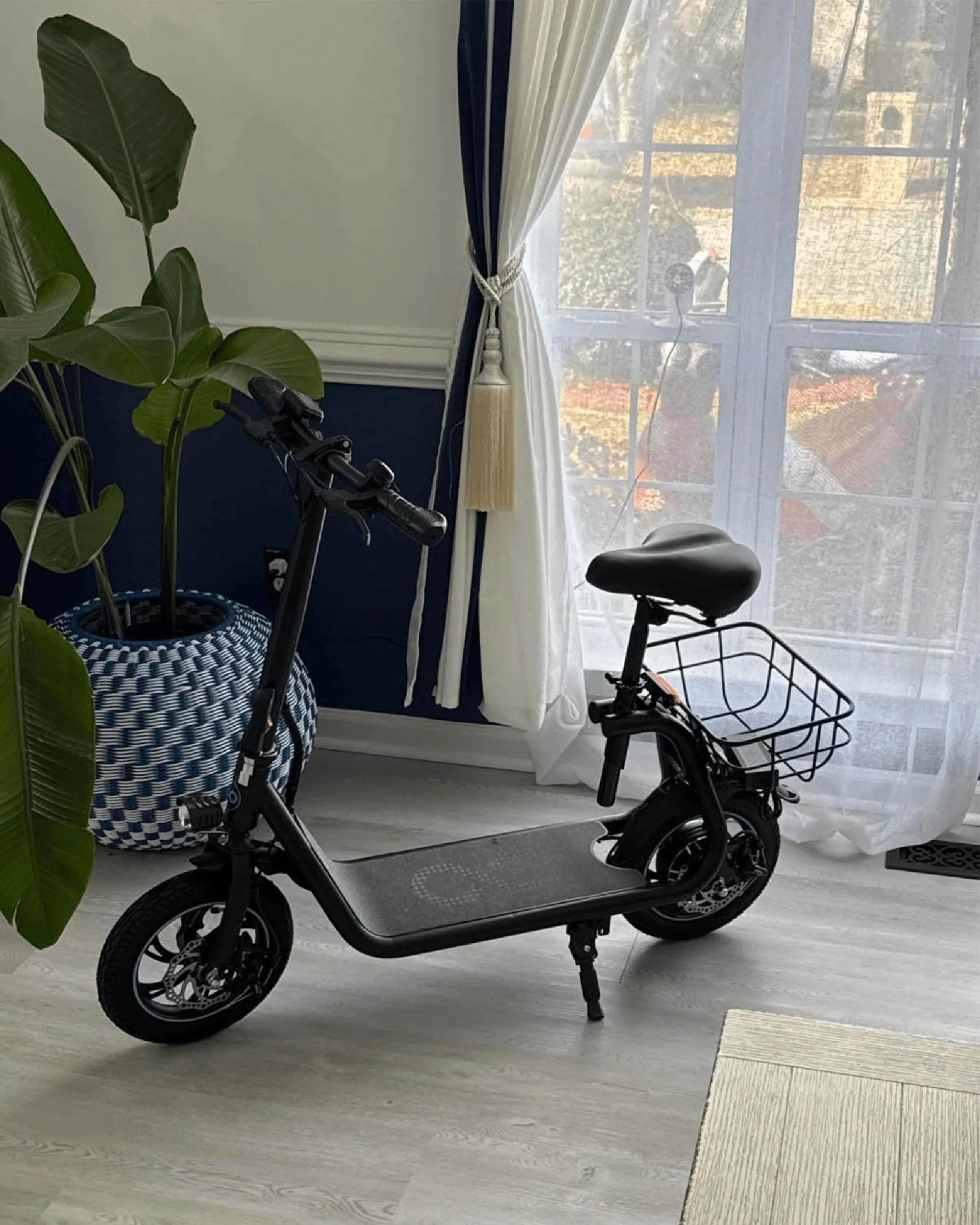
Are you ready to unlock the full potential of your pure electric scooter? The secret lies in one often-overlooked component: the tyre. Whether you're a daily commuter or a weekend adventurer, understanding your scooter's tyres can make all the difference in performance, safety, and longevity. Let's dive into the world of pure electric scooter tyres and explore what makes them unique.
Why Pure Electric Scooter Tyres Are Different
Pure electric scooters place unique demands on their tyres that set them apart from traditional petrol-powered models. The instant torque delivery of electric motors requires tyres with exceptional grip to prevent wheel spin during acceleration. Additionally, the regenerative braking systems common in electric scooters create different wear patterns compared to conventional braking systems.
Electric scooters also tend to be heavier due to their battery packs, requiring tyres with robust construction to handle the extra weight without compromising performance. The quiet nature of electric propulsion means tyre noise becomes more noticeable, making low-noise designs particularly desirable.
Key Features of High-Quality Pure Electric Scooter Tyres
When selecting tyres for your pure electric scooter, several critical features should guide your decision:
- Rubber Compound: Specially formulated compounds provide the perfect balance between grip and durability
- Tread Pattern: Optimized designs for wet and dry conditions while minimizing rolling resistance
- Sidewall Strength: Reinforced construction to handle the additional weight of electric scooters
- Puncture Resistance: Essential for urban commuting where road hazards are common
- Low Rolling Resistance: Maximizes range by reducing energy loss during rotation
Tyre Types for Pure Electric Scooters
Pure electric scooters can use several tyre types, each with its own advantages:
Pneumatic (Air-Filled) Tyres
These traditional tyres offer excellent shock absorption and grip, making them ideal for varied terrain. They provide a comfortable ride but require regular pressure checks and are more susceptible to punctures.
Solid (Airless) Tyres
Maintenance-free and puncture-proof, solid tyres eliminate the worry of flats but typically offer a firmer ride and slightly reduced grip compared to pneumatic options.
Foam-Filled Tyres
A hybrid solution that combines some benefits of both pneumatic and solid tyres, offering puncture resistance while maintaining some cushioning properties.
Maintenance Tips for Pure Electric Scooter Tyres
Proper tyre maintenance is crucial for safety and performance:
- Check tyre pressure regularly (for pneumatic tyres) - underinflated tyres increase rolling resistance and reduce range
- Inspect tread depth frequently - worn tyres significantly compromise grip, especially in wet conditions
- Look for signs of uneven wear, which may indicate alignment issues
- Clean tyres regularly to remove debris that could cause premature wear
- Rotate tyres if your scooter design allows to promote even wear patterns
Seasonal Considerations for Electric Scooter Tyres
Weather conditions dramatically affect tyre performance. In wet conditions, look for tyres with deep tread patterns that channel water away effectively. For winter riding, some riders opt for tyres with softer compounds that maintain flexibility in cold temperatures, though electric scooter use in snow is generally not recommended due to safety concerns.
In hot summer months, be aware that pavement temperatures can cause tyre pressure to increase in pneumatic tyres. Regular pressure checks become even more important during temperature extremes.
The Impact of Tyres on Electric Scooter Range
Your choice of tyres can significantly affect your scooter's range. Low rolling resistance tyres can improve efficiency by reducing the energy needed to maintain speed. However, there's often a trade-off between rolling resistance and grip - finding the right balance for your riding style is key.
Tyre pressure plays a major role in efficiency as well. Just a few PSI below the recommended pressure can noticeably decrease your scooter's range. Investing in a quality pressure gauge and checking weekly can help maintain optimal performance.
When to Replace Your Pure Electric Scooter Tyres
Recognizing when your tyres need replacement is crucial for safety. Look for these warning signs:
- Tread depth below 1mm (use a tread depth gauge for accurate measurement)
- Visible cracks or dry rot in the rubber
- Frequent loss of pressure (for pneumatic tyres)
- Bulges or deformities in the tyre sidewall
- Reduced grip, especially in wet conditions
Most manufacturers recommend replacing tyres every 1,000-2,000 miles, but this can vary based on riding conditions and tyre quality.
Upgrading Your Pure Electric Scooter Tyres
If you're considering upgrading your scooter's tyres, research compatibility carefully. Factors to consider include:
- Wheel diameter and width specifications
- Clearance within the scooter's frame and fenders
- Load rating to ensure the tyre can handle your scooter's weight
- Speed rating appropriate for your scooter's capabilities
Remember that changing tyre types may affect your scooter's handling characteristics, so allow time to adjust to the new feel.
Your pure electric scooter's tyres are the only point of contact with the road, making them one of the most critical components for both performance and safety. By choosing the right tyres and maintaining them properly, you'll enjoy better handling, increased range, and greater confidence on every ride. Don't let subpar tyres limit your electric scooter experience - invest in quality and ride with peace of mind.
Top Rating Electric Scooter: The Ultimate Guide to Choosing the Best
Electric Scooter Battery Cost India: A Comprehensive Guide to Savings and Efficiency