



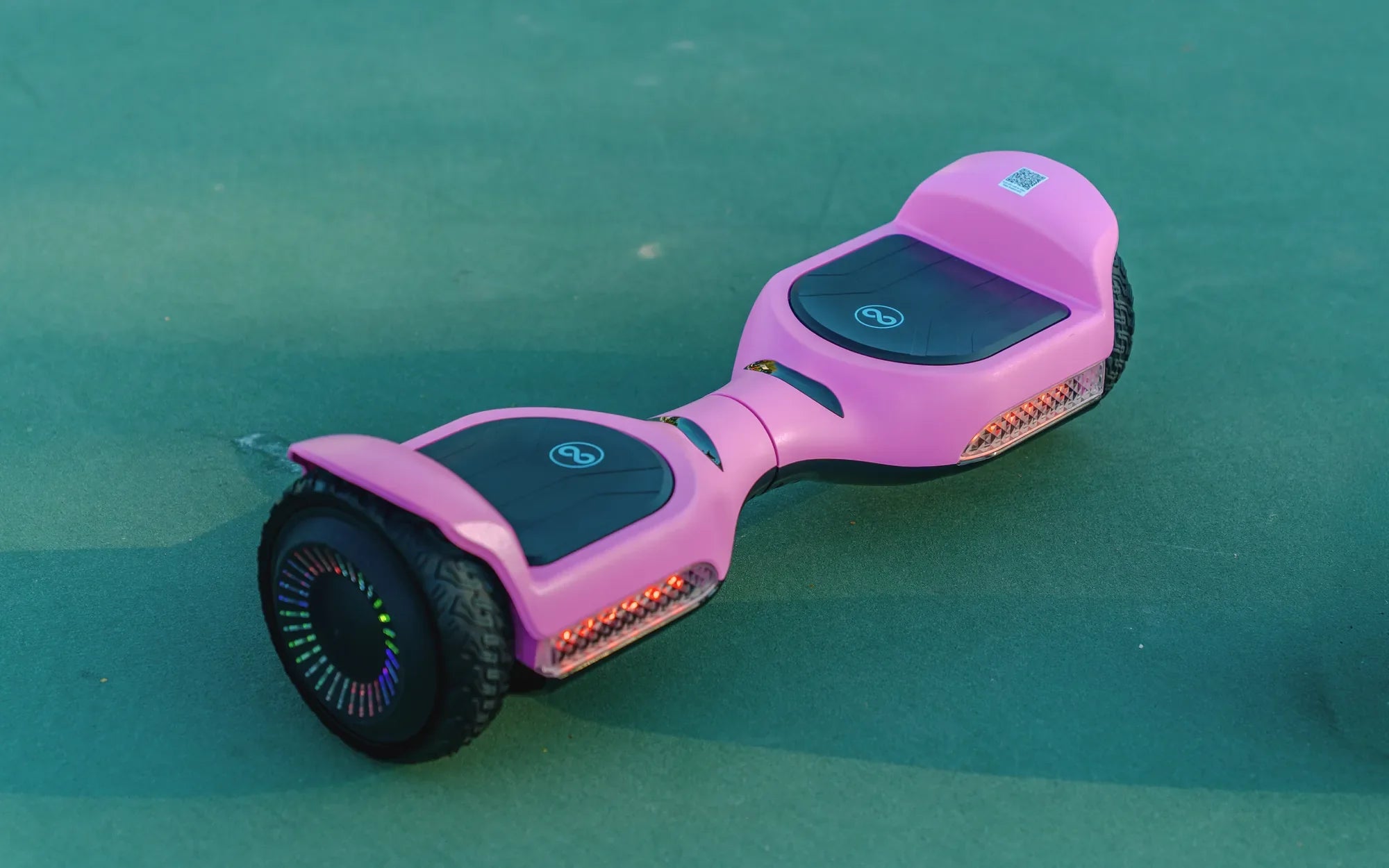
Imagine gliding effortlessly above the ground, defying gravity like a scene straight out of a sci-fi movie. The real hoverboard without wheels is no longer a fantasy—it's here, and it's changing the way we think about personal transportation. This groundbreaking innovation promises to revolutionize mobility, offering a thrilling and eco-friendly alternative to traditional vehicles. But how does it work, and what does the future hold for this futuristic gadget? Let's dive in.
How Does a Real Hoverboard Without Wheels Work?
The real hoverboard without wheels operates using advanced magnetic levitation (maglev) technology. Unlike traditional hoverboards with wheels, these devices rely on powerful electromagnets to create a cushion of air between the board and the ground. This allows the rider to hover smoothly, eliminating friction and providing a seamless riding experience. The technology is similar to that used in high-speed maglev trains but scaled down for personal use.
The Science Behind Magnetic Levitation
Magnetic levitation works by generating opposing magnetic fields that repel each other, creating lift. The hoverboard contains electromagnets that interact with a conductive surface, such as a specially designed track or floor. When electricity flows through the electromagnets, they produce a magnetic field strong enough to lift the board and rider off the ground. This technology requires precise control to maintain stability, which is achieved through onboard sensors and microprocessors.
Benefits of a Wheel-Free Hoverboard
One of the most significant advantages of a real hoverboard without wheels is the absence of friction. Without wheels, there's no wear and tear, meaning fewer maintenance issues and a longer lifespan. Additionally, the smooth, gliding motion provides a more comfortable ride, free from the bumps and vibrations associated with wheeled devices. These hoverboards are also quieter and more energy-efficient, making them an eco-friendly transportation option.
Challenges and Limitations
Despite their potential, real hoverboards without wheels face several challenges. The technology requires a conductive surface to work, limiting where they can be used. Current models are also expensive, putting them out of reach for many consumers. Battery life is another concern, as the electromagnets consume a significant amount of power. However, as technology advances, these limitations are expected to diminish.
The Future of Personal Transportation
The real hoverboard without wheels represents a glimpse into the future of personal mobility. As researchers refine the technology, we can expect more affordable, versatile, and efficient models to hit the market. Imagine a world where commuting involves hovering above traffic, reducing congestion and pollution. While we're not quite there yet, the progress made so far is undeniably exciting.
The real hoverboard without wheels is more than just a futuristic gadget—it's a testament to human ingenuity and the endless possibilities of technology. Whether you're a tech enthusiast or simply curious about the future of transportation, this innovation is worth keeping an eye on. Who knows? In a few years, hovering to work might just become the new normal.
Is Riding a Hoverboard Illegal? What You Need to Know
How to Turn Off Sound on Hoverboard: A Step-by-Step Guide