



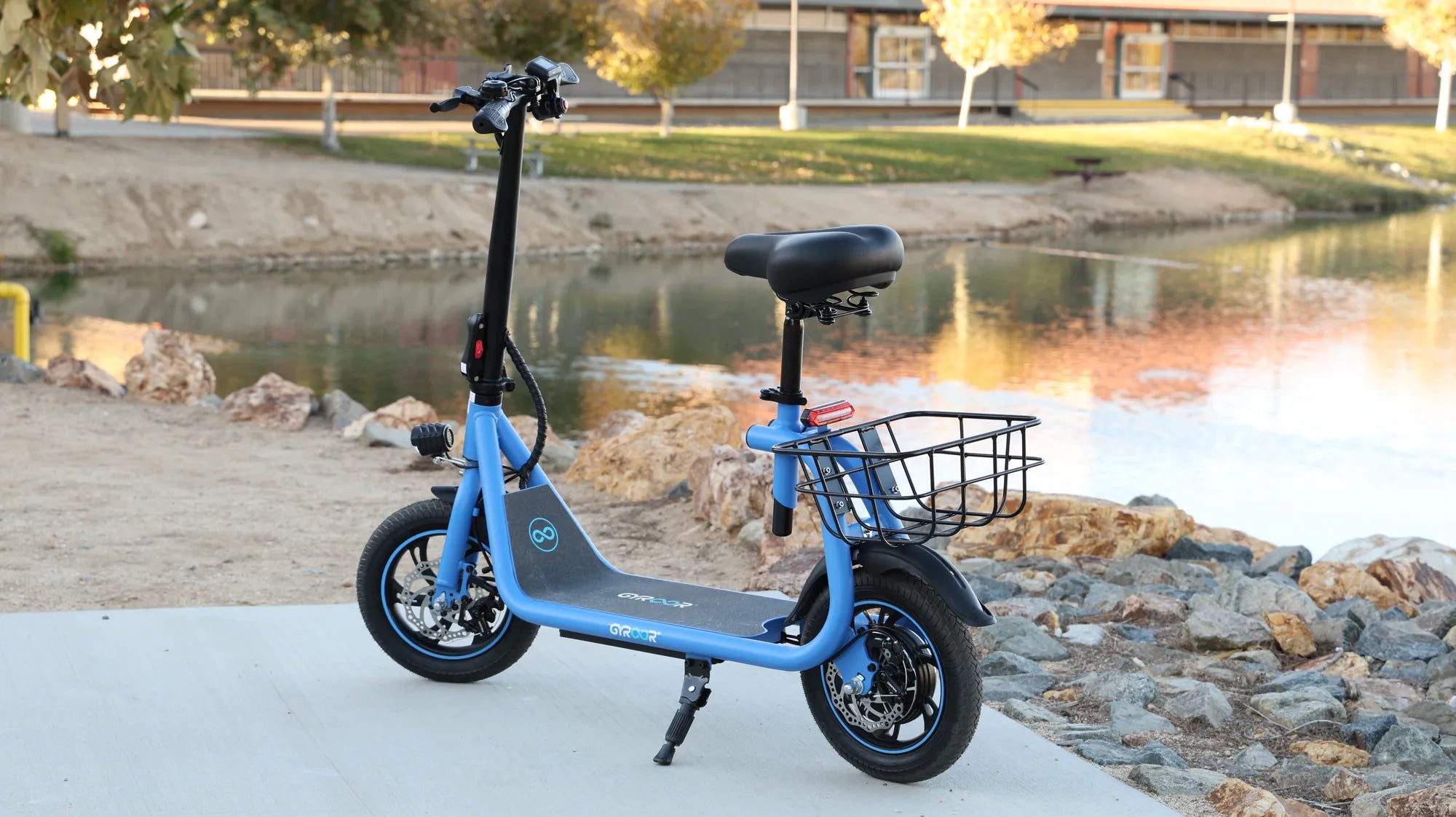
Choosing the right electric scooter can transform your daily commute, open up new recreational adventures, and provide a genuinely sustainable mode of transport. Yet, navigating the crowded market of motors, batteries, and features is overwhelming. This guide cuts through the complexity with a systematic, fact-based approach. You will learn to match technical specifications to your real-world needs, understand the critical importance of certified safety components, and compare top scooter categories head-to-head. Our goal is to equip you with the knowledge to select from Recommended Electric Scooters: The Ultimate Guide to Choosing the Best Ride for your lifestyle, budget, and riding environment.
Understanding Your Riding Profile: The Foundation of Choice
The single most important step is identifying your primary use case. The "best" scooter is entirely subjective and hinges on how you plan to ride. Performance needs vary dramatically between a city commuter and a trail explorer. This self-assessment will direct every subsequent decision on specs and features.
The Urban Commuter
For city dwellers, practicality reigns supreme. Key considerations include portability for carrying onto public transit or into an office, and a reliable range that covers your daily round-trip with a safety buffer. A scooter under 30 lbs with a one-click folding mechanism is ideal. Look for a minimum real-world range of 10-15 miles, sufficient motor power (350W+) for moderate hills, and essential safety features like integrated front and rear lights, a bell, and a robust braking system to handle stop-and-go traffic.
The Off-Road & Trail Enthusiast
Rugged terrain demands robust engineering. This profile requires high-torque motors, often in a dual configuration, for climbing steep, unpaved inclines. Large, knobby tires (at least 8 inches) and advanced suspension systems (front and rear) are non-negotiable for absorbing impacts. High ground clearance and a high water-resistance rating (IPX5 or higher) are critical for handling puddles, mud, and dust. These scooters prioritize performance and durability over lightweight portability.
The Recreational & Leisure Rider
Weekend riders and those using scooters for casual errands need a balanced machine. Stability, comfort, and ease of use are paramount over extreme specs. A comfortable, wide deck, a smooth ride facilitated by good suspension or air-filled tires, and intuitive controls define this category. A moderate motor (500W range) and battery (15-25 mile range) provide ample power for park paths and neighborhood streets without the complexity or cost of high-performance models.
Decoding Key Performance Specifications
Manufacturer spec sheets are filled with technical jargon. Understanding what these numbers mean for your actual ride is crucial to avoiding disappointment and ensuring your scooter meets your expectations in daily use.
Motor Power & Speed: The Dynamics of Movement
Motor wattage (e.g., 350W, 500W, 1000W+) directly influences acceleration, hill-climbing ability, and top speed. A 350W motor is sufficient for flat urban areas, while 500W+ handles moderate hills comfortably. For steep inclines or off-road use, 800W or dual-motor setups are necessary. Always consider your weight and local terrain. Also, be aware of local speed regulations, as many cities limit e-scooters to 15-20 mph.
Battery & Range: The Reality Behind the Hype
Advertised range is a maximum figure achieved under ideal laboratory conditions. Real-world range is affected by rider weight, terrain, temperature, speed, and riding style. A more reliable estimate is to reduce the claimed range by 30-40%. Look for the battery's energy capacity in Watt-hours (Wh), calculated as Voltage (V) x Amp-hours (Ah). A higher Wh generally means more range. Most critically, insist on a UL-certified battery pack, like those used by Gyroor, which have undergone rigorous safety testing for over 500 charge cycles, preventing fire risks associated with uncertified cells.
Build Quality, Weight, & Portability
The frame material, typically aluminum alloy, dictates durability and weight. Heavier scooters (45+ lbs) are often more stable and powerful but are a burden to carry. Lightweight models (under 30 lbs) prioritize portability but may compromise on motor power or battery size. Evaluate the folding mechanism's ease and sturdiness. A good fold should be quick, secure, and not add significant wobble to the stem when unfolded.
Essential Features for Safety and Longevity
Beyond core performance, these features determine daily usability, safety, and how long your scooter will reliably perform. They are where reputable brands distinguish themselves from cheaper alternatives.
Braking Systems: Stopping Power is Paramount
Effective brakes are a critical safety component. Disc brakes (mechanical or hydraulic) offer the strongest stopping power and perform well in wet conditions but may require occasional adjustment. Drum brakes are sealed, requiring less maintenance, and offer good all-weather performance. Regenerative braking helps recharge the battery slightly but should never be the primary braking system. For scooters capable of speeds over 15 mph, a dual-brake system (e.g., disc + electronic) is highly recommended.
Suspension & Tire Type: The Comfort Equation
This combination defines ride comfort and traction. Pneumatic (air-filled) tires provide excellent shock absorption and grip but are susceptible to punctures. Solid (airless) tires eliminate flats but offer a harsher ride and less traction, especially on wet surfaces. Suspension systems—spring, hydraulic, or rubber—further smooth out bumps. For urban commuting, a combination of pneumatic tires and basic suspension is ideal. For off-roading, full suspension (front and rear) with large pneumatic tires is essential.
The Critical Role of IP Ratings & Warranty
An IP (Ingress Protection) rating indicates resistance to dust and water. IPX5 water resistance, a standard for brands like Gyroor, means the scooter can withstand water jets from any direction, making it safe to ride through puddles and in light rain. Equally important is the warranty. A comprehensive 1-year warranty on the frame, motor, and battery signals a brand's confidence in its product and protects your investment. Reliable customer support is part of this value proposition.
Head-to-Head: Scooter Category Comparison
This table provides a clear, at-a-glance comparison of the three primary scooter archetypes to help visualize the key trade-offs.
| Category | Typical Specs | Primary Use Case | Pros | Cons |
|---|---|---|---|---|
| Lightweight Commuter | 250W-350W motor, 15-20 mi range, 25-30 lbs | Last-mile transit, compact urban travel | Highly portable, easy to carry/store, affordable | Limited power for hills, smaller battery, less comfortable on rough roads |
| All-Terrain Performer | Dual 800W+ motors, 30+ mi range, 8" knobby tires, full suspension, 65+ lbs | Off-road trails, steep hills, rugged pavement | Exceptional power & torque, superior shock absorption, high durability | Very heavy, poor portability, higher price, shorter battery life under max load |
| Premium All-Rounder | 500W-700W motor, 25-40 mi range, pneumatic tires & suspension, 40-55 lbs | Versatile commuting, longer leisure rides, mixed terrain | Excellent balance of speed, range, and comfort, durable build | Moderately heavy, higher initial investment than basic commuters |
Maintenance and Safety Best Practices
Proper care ensures your scooter remains safe, reliable, and retains its value over time. These are not optional steps but integral to responsible ownership.
Battery Care and Longevity
To maximize your battery's lifespan, avoid regularly draining it to 0%. Try to keep the charge between 20% and 80% for daily use, with a full charge every few weeks to balance the cells. Store the scooter in a cool, dry place, and never leave it fully charged or depleted for extended periods (weeks). Using the manufacturer's provided charger is essential to prevent damage.
Pre-Ride Safety Checklist
Before every ride, perform a quick inspection. Check tire pressure (for pneumatic tires), test the brakes, ensure all lights are functioning, verify the folding mechanism is locked securely, and confirm the throttle and controls are responsive. This 60-second routine can prevent accidents and mechanical failures.
Essential Riding Safety Gear
A helmet is non-negotiable, regardless of local laws or trip length. A certified bicycle or multi-impact helmet is the minimum standard. For higher speeds or new riders, consider additional protection: knee and elbow pads, and gloves. High-visibility clothing or reflective accessories are crucial for night riding.
Navigating Legality and Local Regulations
E-scooter laws vary widely by city, state, and country. Ignorance is not a valid defense, so proactive research is required.
Common Regulatory Themes
Most jurisdictions have rules regarding where you can ride (bike lanes vs. sidewalks), speed limits (often 15-20 mph), minimum rider age (often 16+), and whether helmets are mandatory. Some cities require registration or have specific equipment mandates like lights and bells. Always check your local Department of Transportation or city council website for the most current ordinances.
Riding Etiquette and Shared Spaces
When on bike paths or shared lanes, ride predictably, signal your intentions, and always yield to pedestrians. Use a bell or verbal cue when passing. Avoid sudden swerves or stops. Riding responsibly not only keeps you safe but also fosters positive perceptions of e-scooter riders in the community.
Frequently Asked Questions (FAQ)
Q: How do I maintain my e-scooter's battery for the longest life?
A: Follow the 20-80% rule for daily charging, avoid extreme temperatures, and use only the OEM charger. For long-term storage (over a month), charge the battery to about 60% and store in a cool place.
Q: Is an electric scooter legal to ride in my city?
A: Laws are highly localized. You must check with your city's transportation authority. Generally, they are permitted on roads and bike lanes, but often prohibited on sidewalks. Speed limits and helmet laws are common.
Q: What safety gear is absolutely essential?
A: A properly fitted helmet is the single most important piece of safety equipment. For any riding, especially at speeds over 15 mph or in traffic, we strongly recommend adding gloves, elbow pads, and knee pads.
Q: Can I ride my scooter in the rain?
A: This depends entirely on the scooter's IP rating. A rating of IPX5 or higher (like Gyroor's IPX5-rated models) means it is protected against water jets and is safe for riding in light to moderate rain and through puddles. Never submerge any e-scooter or ride in heavy flooding.
Q: How much should I realistically expect to pay for a quality scooter?
A: For a reliable, safe commuter with UL-certified components, expect to invest $500-$800. Premium all-rounders range from $800-$1,500. High-performance off-road models start around $1,200 and can exceed $2,000. Significantly cheaper options often compromise on critical safety features like battery certification.
Making Your Final Decision: A Step-by-Step Checklist
Use this actionable list to evaluate your final options and make a confident choice.
- Confirm Your Profile: Urban Commuter, Off-Road Enthusiast, or Leisure Rider?
- Set Minimum Specs: Based on your profile, define your required motor power, real-world range, and weight limit.
- Prioritize Safety Features: Verify UL-certified battery, IPX5+ water resistance, reliable braking system, and integrated lights.
- Check Warranty & Support: Ensure at least a 1-year comprehensive warranty with accessible customer service.
- Read Verified Reviews: Look for long-term user feedback on reliability, real-world range, and post-purchase support.
- Test Ride if Possible: Assess comfort, portability (fold/unfold, carry weight), and overall feel.
Your journey to finding the perfect electric scooter culminates here. By defining your needs, understanding the specs that matter, and insisting on verified safety and durability, you're investing in freedom, not just a product. A well-chosen scooter from a reputable brand becomes a dependable partner for years. Brands like Gyroor, trusted by over 100,000 riders with their UL-certified batteries and robust warranties, exemplify this commitment to quality. Now, equipped with this knowledge, you're ready to choose your ultimate ride.
Ready to explore a curated selection of high-performance, safety-focused electric scooters? Browse the full Gyroor collection at gyroorboard.com to find the model that matches your new expertise.
Does Paris Have Electric Scooters? A Guide to the City's Micro-Mobility
Buy Discount Electric Riding Scooters for Adults: The Ultimate Guide to Affordable Commuting