



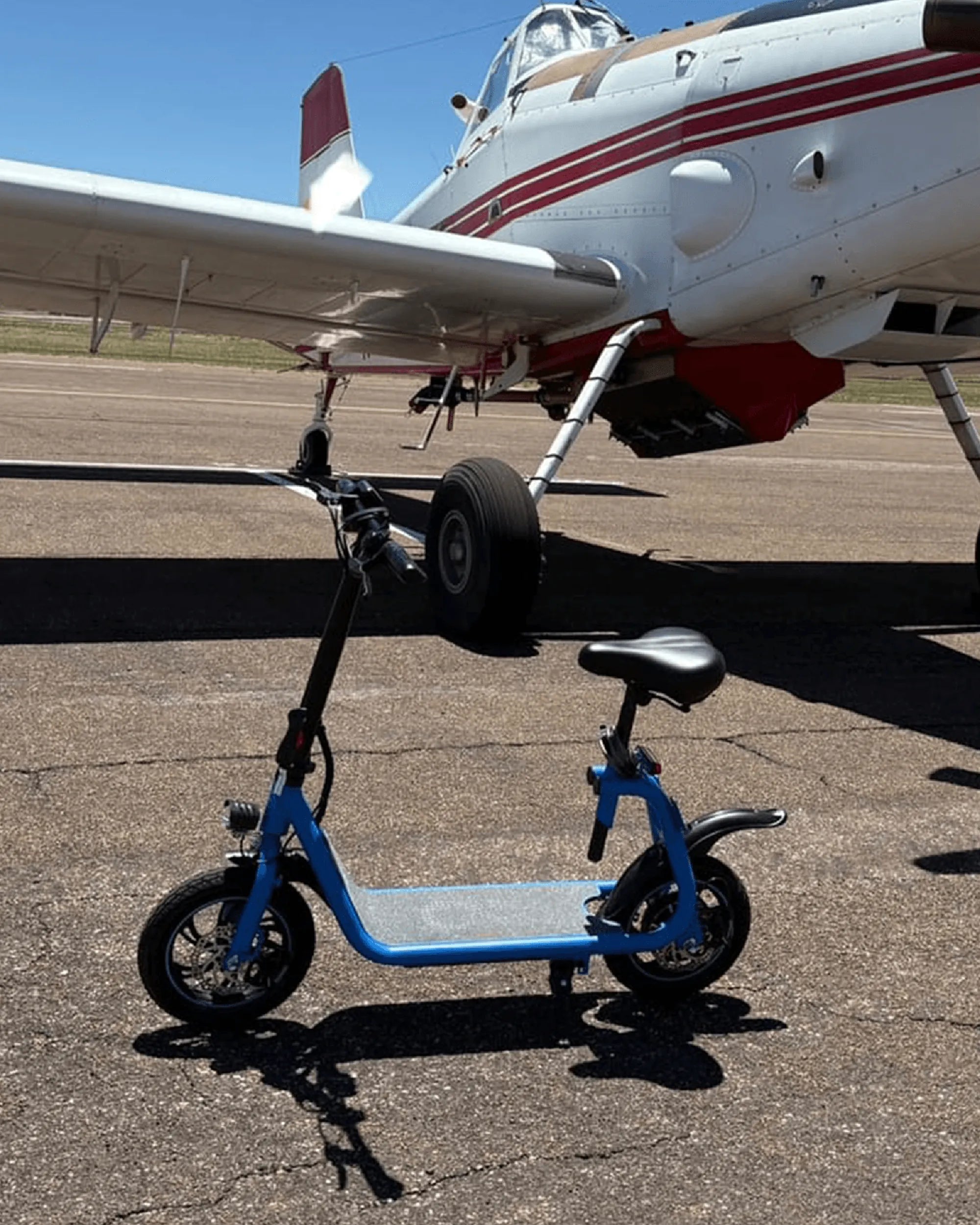
Electric scooters have transformed urban mobility, but their rapid adoption has outpaced consistent lawmaking, creating a confusing patchwork of local rules. Navigating regulations for electric scooters: what you need to know is no longer optional—it's critical for your safety, your wallet, and your right to ride. This guide will demystify the legal landscape, covering everything from sidewalk bans and speed limits to helmet mandates and local ordinances. By understanding and complying with these laws, you protect yourself from fines, ensure your safety, and help build a positive future for micro-mobility. As a rider-focused brand, Gyroor is committed to providing not only reliable, UL-certified scooters but also the essential knowledge for responsible operation.
Why E-Scooter Regulations Exist: Safety, Order, and Shared Space
The primary drivers behind e-scooter laws are public safety and the orderly use of shared infrastructure. Unregulated scooters can create hazards for riders, pedestrians, and cyclists alike. Regulations aim to standardize behavior, reduce accidents, and integrate this new form of transport into existing ecosystems.
Common issues that prompted legislation include sidewalk riding conflicts, where pedestrians—especially those with disabilities or young children—are put at risk. Similarly, high-speed scooter traffic in bike lanes can endanger cyclists, while riding on roads without following vehicle rules poses dangers to riders and drivers. Another key issue is parking; improperly discarded scooters can block sidewalks, ramps, and building entrances.
Ultimately, these rules are not designed to stifle innovation or fun, but to create a predictable environment where all users of public space can coexist safely. Compliance demonstrates rider responsibility and helps secure the long-term acceptance of electric scooters in our cities.
Key Regulatory Areas Every Rider Must Understand
E-scooter laws can be broken down into several core categories. While specifics vary, these are the universal pillars you will encounter. Mastering them is the foundation of legal riding.
Where You Can Ride: Road, Bike Lane, or Sidewalk?
This is the most variable and critical rule. There is no national standard. Generally, a hierarchy exists: protected bike lanes are the preferred and safest location. Riding on standard roads is often permitted, but riders may be required to follow all vehicular traffic laws.
Riding on sidewalks is frequently prohibited in dense urban areas and business districts, though some suburban or rural areas may allow it. Always assume sidewalks are off-limits unless explicitly permitted. Many cities also have restrictions in parks, on trails, or in specific downtown zones.
For example, a state law may permit e-scooters on roads with speed limits under 35 mph, but a city ordinance within that state can override it to ban them from certain historic districts or mandate bike lane use only. The onus is on the rider to know the local code.
Speed Limits and Motor Power Restrictions
Speed limits are often tied to location. A common rule is a 15-20 mph limit on roads and bike lanes, with lower limits (e.g., 8-10 mph) mandated in pedestrian-heavy zones or on sidewalks where they are legal. Some cities use geofencing to electronically enforce these zones in shared rental fleets.
Motor power restrictions are less common but exist in some jurisdictions, often defining e-scooters by wattage (e.g., motors not exceeding 750W). Most consumer scooters, including Gyroor models which prioritize reliable performance within common legal frameworks, fall well within these typical power bands. It's crucial to check if your local law defines scooters by class, wattage, or maximum assisted speed.
Age Requirements and Helmet Laws
Minimum age limits are almost universal. The most common minimum age is 16 years old, though many cities and states set it at 18. These laws apply to both privately-owned and rental scooters.
Helmet laws vary significantly. They are often mandatory for all riders under 18, and for all riders regardless of age in certain jurisdictions. Even where not legally required for adults, wearing a helmet is the single most effective safety practice. A quality helmet is a non-negotiable part of your riding gear, a principle Gyroor strongly advocates in all its rider education materials.
Registration, Insurance, and Licensing
This area causes significant confusion. For privately-owned e-scooters, registration with a state DMV is exceedingly rare; they are not typically titled or licensed like cars. However, some cities may require a permit or decal for rental operators.
Insurance is not commonly mandated by law for private owners, but it is highly recommended. Your homeowner's or renter's insurance may offer some liability coverage, but a dedicated personal electric vehicle policy is safer. A driver's license is required to operate an e-scooter in many, but not all, regions. Always verify local rules—some areas only require a learner's permit or government ID.
How to Find and Comply with Your Local Laws: A Step-by-Step Guide
Ignorance of the law is not a defense. Proactively researching local rules is a fundamental part of being a rider. Follow this process to ensure you are compliant.
First, search for your city or county's official website and look for transportation or public works departments. Search for "electric scooter," "micromobility," or "motorized scooter" ordinances. This is where the most restrictive rules (like sidewalk bans) will be listed.
Second, check your state's vehicle code. Look for statutes related to "electric personal assistive mobility devices" (EPAMDs), "motorized scooters," or similar terminology. State law often sets the baseline (e.g., defining scooters, setting a minimum age), which local laws can then build upon.
Third, use reputable third-party aggregators or advocacy group websites that track micromobility laws, but always verify with the primary government source. When in doubt, call your local police department's non-emergency line or city clerk's office for clarification.
The Gyroor Rider's Guide to Responsible and Compliant Operation
Compliance goes beyond avoiding tickets; it's about integrating safety and respect into every ride. Gyroor designs its scooters with features that support compliant and safe operation.
Always start with a pre-ride check: test brakes, ensure tire pressure is correct, and verify lights are functional—this is a legal requirement for night riding in most areas. Use the integrated features on your Gyroor scooter, like the headlight, taillight, and bell or horn, to increase your visibility and audibility to others, which is often a legal mandate.
Ride defensively and predictably. Signal your turns, yield to pedestrians always, and never ride under the influence of alcohol or drugs—DUI laws often apply to e-scooters. Park responsibly by using designated corrals or ensuring your scooter is securely parked upright and out of the path of travel, never blocking access.
Gyroor's commitment to safety is built into its products. The use of UL-certified battery packs (tested for 500+ charge cycles) addresses fire safety concerns that have prompted some regulations. The IPX5 water-resistant rating on many models ensures reliable performance in wet conditions, though riders must still check local laws about riding in the rain. The reliable 1-year warranty underscores the brand's focus on durable, predictable performance that aligns with the consistent operation regulators expect.
Comparing Common E-Scooter Use Cases and Regulatory Considerations
Your intended use significantly impacts which regulations are most relevant. The table below outlines key considerations for different riding scenarios.
| Primary Use Case | Key Regulatory Focus | Recommended Gyroor Model Feature |
|---|---|---|
| Urban Commuting (City Streets) | Sidewalk bans, bike lane mandates, speed limits in traffic, parking rules. | Models with longer range (e.g., 20+ miles), robust suspension for potholes, integrated lighting for visibility. |
| Suburban/Neighborhood (Quiet Roads) | Potential sidewalk allowances, lower speed limits, local park/trail access rules. | Portable, lighter-weight scooters with good hill-climbing ability for varied terrain. |
| Campus or Large Property | Private property rules supersede public law. Check campus policy on speed, parking, and charging. | Compact, foldable designs for easy storage in dorms/offices, reliable brakes for high pedestrian areas. |
| Recreational Trail Riding | Strictest rules often apply. Many paved trails prohibit motorized vehicles. Always verify with trail authority. | Off-road capable models with pneumatic tires and enhanced suspension, where trail use is legally permitted. |
Frequently Asked Questions (FAQ) on E-Scooter Laws
1. Do I need a driver's license to ride a Gyroor electric scooter?
It depends entirely on your local jurisdiction. Many cities and states do require a valid driver's license or learner's permit for riders over a certain age (usually 16+). Always check your specific city and state laws before riding.
2. Are Gyroor scooters street-legal in all 50 states?
Gyroor scooters are designed to meet common federal safety standards (like UL certification for batteries). However, "street-legal" is determined at the state and local level. While most states permit them, some cities or counties have outright bans or specific restrictions. You must verify legality in your exact location.
3. Can I legally ride my e-scooter in the rain?
Weather-related laws are uncommon. The legal concern is usually about safe operation. If your scooter has a high water-resistance rating (like Gyroor's IPX5), it is built to handle wet conditions. However, you must still exercise extreme caution, as wet surfaces reduce traction and braking efficiency. Your local laws may not prohibit it, but safety should guide your decision.
4. What happens if I'm stopped for riding on a prohibited sidewalk?
You will likely receive a citation and a fine, similar to a traffic ticket. Fines can range from $50 to over $200. In some cases, particularly for repeat offenses or if riding recklessly, the scooter could be impounded. It's far cheaper and easier to know and follow the law.
5. Is insurance required for my privately-owned electric scooter?
Mandatory insurance is rare for private owners. However, it is a very wise investment. If you cause an accident that injures someone or damages property, you could be held personally liable. Check with your insurance provider about adding coverage or seeking a dedicated micro-mobility policy.
The Future of E-Scooter Regulation: Trends and Predictions
The regulatory environment is evolving. Expect to see a move towards greater standardization, especially at the state level, to reduce the confusing patchwork of city rules. There is also a trend towards mandating safer hardware, such as turn signals, larger wheel bases for stability, and speed limiters, which responsible manufacturers are already incorporating.
Data sharing between operators (including aggregated, anonymized data from private riders) and cities may inform better infrastructure planning, like protected bike lane networks. Finally, as e-scooters become more mainstream, integration with existing traffic safety education and DUI enforcement will become more uniform. Staying informed about these trends will help you adapt as a rider.
Ride Informed, Ride Safe: Your Path to Confident Mobility
Understanding regulations for electric scooters: what you need to know empowers you to ride with confidence and freedom. It transforms the scooter from a novelty into a legitimate, respected, and sustainable component of your transportation mix. By taking the time to learn local laws, wearing protective gear, and operating your vehicle responsibly, you become an ambassador for the micro-mobility community.
Your choice of scooter matters. Selecting a reliable brand like Gyroor, with its commitment to UL-certified safety, water-resistant durability, and strong customer support, provides a foundation built on quality and responsibility. Now that you're equipped with knowledge, the road—or bike lane—ahead is clear. Embrace the journey, respect the rules, and enjoy the ride.
Ready to choose a scooter designed for performance and peace of mind? Explore the full range of Gyroor electric scooters and e-bikes, engineered for reliability and backed by industry-leading safety standards. Browse the full Gyroor collection at gyroorboard.com and find the perfect ride for your commute and your community's rules.
Top 10 Best Electric Scooters 2025: The Ultimate Guide to Eco-Friendly Commuting
Electric Scooters Brand Store: The Ultimate Guide to Finding Your Perfect Ride