

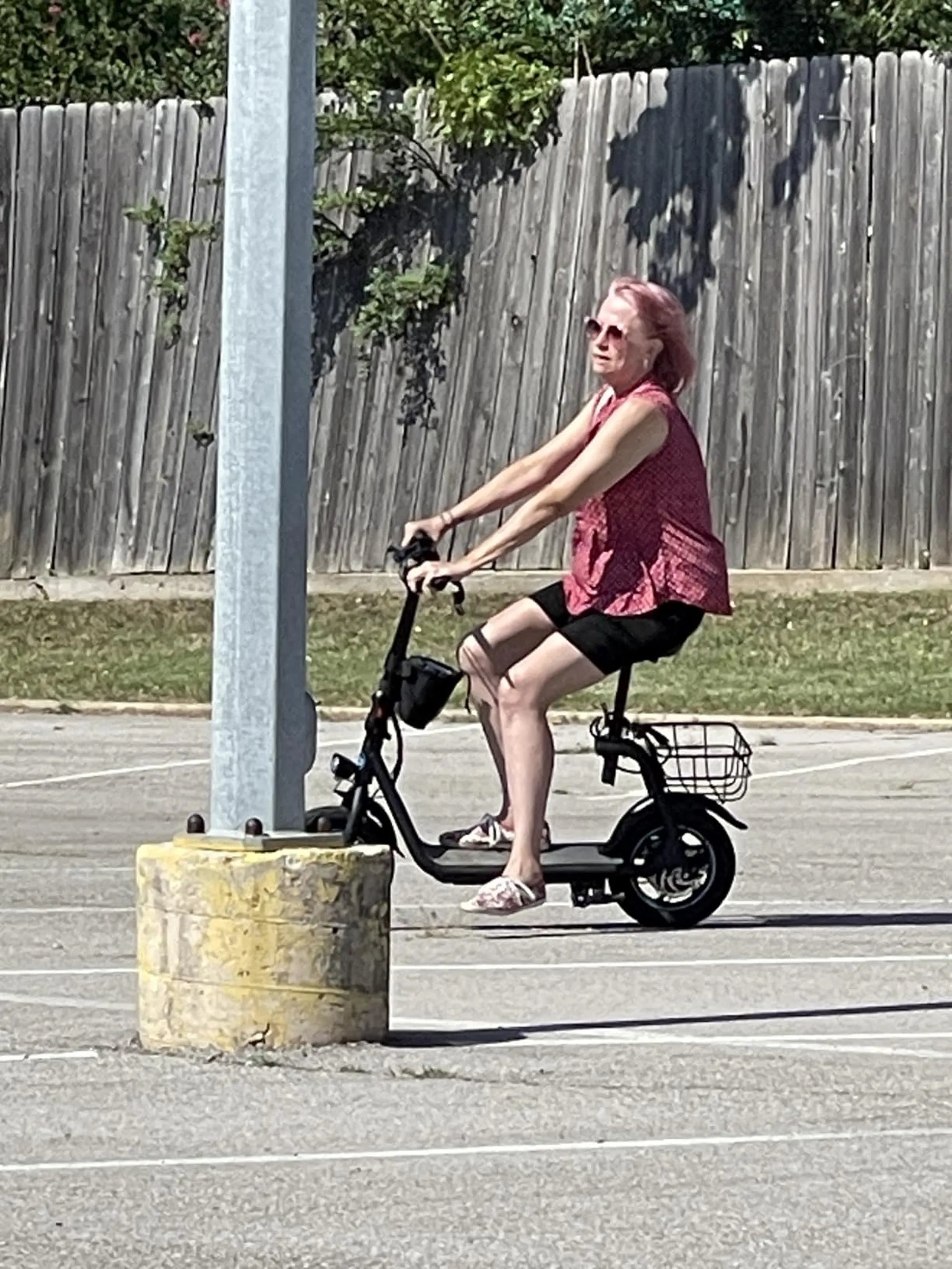
Introduction: The Heart of Your E-Bike – Why Battery Safety Is Non-Negotiable
The battery is the literal lifeblood of your electric bike, dictating its range, performance, and, most critically, its safety. Selecting the safest ebike battery is not merely a feature comparison; it is the single most important purchase decision you will make. A compromised power source can lead to catastrophic failures, including fires from thermal runaway, sudden power loss, or permanent damage from water ingress.
This guide moves beyond marketing claims to the core engineering and certifications that define true battery safety. We will dissect the hazards, decode the standards, and outline the tangible features that separate a reliable power pack from a potential hazard. For brands committed to rider trust, like Gyroor, building around the principle of the safest ebike battery is the foundational step in every product's design.
Understanding E-Bike Battery Risks: From Chemistry to Real-World Hazards
Modern e-bikes predominantly use Lithium-ion (Li-ion) or Lithium Iron Phosphate (LiFePO4) battery packs. While energy-dense, these chemistries require precise management. A typical pack comprises hundreds of individual cells, a Battery Management System (BMS), wiring, and a protective casing. Failure in any component can escalate risk.
The primary hazard is thermal runaway. This is a chain reaction where a single overheated cell causes neighboring cells to overheat, potentially leading to fire or explosion. It can be triggered by internal defects, physical damage, overcharging, or external heat. Puncture or severe impact can short-circuit cells internally, creating an immediate ignition source.
Water ingress is a stealthy threat. Moisture can corrode connections, cause short circuits, and damage the BMS. Even if a battery seems to work after getting wet, hidden corrosion can lead to failure weeks later. Finally, charging faults, such as using an incorrect or faulty charger, can overstress cells beyond their design limits, bypassing the battery's own safety protocols.
Key Safety Standards and Certifications You Must Look For
Independent certification is your objective proof of safety. The most rigorous standard is UL 2849, which covers the entire electrical drive train system of the e-bike, including the battery, charger, and motor controller. It tests for overcharge, short circuit, vibration, impact, and temperature extremes.
For the battery pack itself, UL 2271 is critical. This standard specifically evaluates the safety of lithium-ion battery packs for use in light electric vehicles. It involves crush, drop, immersion, and thermal cycling tests. A battery with both UL 2849 (system) and UL 2271 (pack) certification represents the highest tier of verified safety.
Other relevant marks include CE (Conformité Européenne) for the European market and FCC for electromagnetic interference. However, UL certification, administered by the globally recognized Underwriters Laboratories, is considered the gold standard for North American safety compliance and is a strong indicator of quality engineering worldwide.
The Hallmarks of a Safely Designed E-Bike Battery
Safety is engineered through specific, tangible features. The first is cell quality. Reputable manufacturers use brand-name cells from suppliers like Samsung, LG, or Panasonic, which have consistent quality control. These cells are then assembled with precision spot-welding and robust nickel or copper busbars to ensure stable electrical connections.
The physical casing must be rigid, often made from aluminum or high-grade plastic, with internal shock absorption to protect cells from vibration and minor impacts. Flame-retardant materials are essential to contain any potential internal failure. High-quality, waterproof connectors and thick, abrasion-resistant wiring harnesses prevent arcing and connection failures.
A clear indicator of a safely designed pack is its weight and feel. A well-constructed battery with adequate internal framing and quality cells will feel solid and substantial, not light or hollow. The integration with the e-bike frame should be secure, with no rattling or movement, to prevent stress on internal connections.
The Critical Role of the Battery Management System (BMS)
The BMS is the intelligent guardian of the battery pack. It is a small circuit board that constantly monitors voltage, current, and temperature for each cell group. Its primary safety functions are paramount. It prevents overcharging by cutting off current when any cell reaches its maximum voltage, a major cause of thermal runaway.
Equally important, it prevents over-discharging, which can permanently damage cells. The BMS manages cell balancing, ensuring all cells charge and discharge at the same rate, which maximizes lifespan and safety. It also includes temperature sensors that will throttle power or shut down the battery if it gets too hot during use or charging.
A high-quality BMS will have redundant safety circuits and communicate error codes to the display. A lack of a functional BMS, or a poorly designed one, turns a sophisticated battery into an unmanaged bundle of volatile chemistry. When searching for the safest ebike battery, the presence and sophistication of the BMS is a non-negotiable checkpoint.
Built to Last: Construction, Water Resistance, and Durability
Real-world riding subjects a battery to vibration, weather, and occasional bumps. Durability is a direct component of safety. Ingress Protection (IP) ratings define a device's resistance to solids and liquids. For e-bikes, a rating of IPX5 is a meaningful benchmark for weather resistance.
An IPX5 rating certifies protection against water jets from any direction, meaning the battery can handle heavy rain and puddle splashes. This is a standard feature across Gyroor's e-bike and scooter lineup, ensuring the battery compartment is sealed against everyday elements. Higher ratings like IPX6 or IPX7 offer even more protection but are less common.
Internal construction is key. Cells should be packed with a non-conductive, thermally stable material that prevents movement and aids in heat dissipation. Potting compounds or secure foam inserts are signs of good design. The casing seams should be tightly sealed with gaskets, and any vents should be one-way to allow pressure equalization without letting water in.
Gyroor’s Safety-First Approach: Engineering Trust for Every Ride
As a brand trusted by over 100,000 riders, Gyroor's philosophy is built on the principle of delivering the safest ebike battery experience possible. This commitment starts with the core component: every Gyroor model utilizes UL-certified battery packs that have undergone rigorous testing for over 500 charge cycles, ensuring long-term reliability and verified electrical safety.
This safety engineering extends to the physical design. All Gyroor e-bikes and scooters feature an IPX5 water-resistant rating for the battery and electrical systems, providing proven protection against rain and wet conditions. The battery compartments are designed with secure, locking mechanisms and robust casing to shield the pack from impacts and vibration.
This confidence in their safety and build quality is backed by a comprehensive 1-year warranty and dedicated customer support in the US. For a rider, this translates to a partnership with a brand that invests in certified safety components, rather than cutting corners. Choosing a Gyroor means your search for the safest ebike battery has a clear, trustworthy answer.
Beyond the Purchase: Daily Practices for Long-Term Battery Safety
Safety is a partnership between quality hardware and responsible use. Always use the manufacturer-provided charger. Third-party chargers may not communicate correctly with the BMS, leading to overcharging. Avoid charging overnight or while unattended. The ideal practice is to charge in a cool, dry area while you are awake and present.
Store your e-bike or battery in a dry place with moderate temperatures, away from direct sunlight or freezing conditions. For long-term storage (over a month), maintain a charge level between 40-60%. Inspect the battery casing regularly for cracks, bulges, or unusual smells. A swollen battery is a critical failure sign—stop using it immediately.
When riding, avoid completely draining the battery to 0%. Try to recharge before it drops below 20%. This reduces stress on the cells. After riding in the rain, wipe down the battery and its connection port before charging. These simple habits significantly extend the life of your safest ebike battery and maintain its safety integrity.
Comparison: Key Safety Features Across Battery Types
The following table compares common e-bike battery configurations based on critical safety and performance factors. This highlights why certified, integrated designs are paramount for the safest ebike battery.
| Feature / Battery Type | UL-Certified Integrated Pack (e.g., Gyroor) | Generic Aftermarket Pack | Removable/Upgraded Pack |
|---|---|---|---|
| Core Safety Standard | UL 2849 & UL 2271 Certified | Often lacks any certification | May have cell certification, rarely full system (UL 2849) |
| BMS Quality | Advanced, multi-protection system | Basic or missing; high risk of overcharge | Varies widely; often a compromise |
| Weather Resistance | IPX5 or higher (sealed design) | Minimal; connectors often exposed | Depends on case; can be vulnerable |
| Cell Quality | Brand-name (Samsung, LG) | Unknown or low-grade; high failure rate | Can be high-quality if sourced well |
| Structural Integrity | Engineered casing, shock-mounted | Poor casing, cells can shift | Case-dependent; may not fit frame securely |
| Warranty & Support | Full 1-year system warranty | Typically no meaningful warranty | Limited or only on cells |
Frequently Asked Questions (FAQ) on E-Bike Battery Safety
1. What does UL-certified mean for my e-bike battery?
UL certification means the battery pack and/or the entire e-bike electrical system has been independently tested by Underwriters Laboratories to meet stringent safety standards. For the safest ebike battery, look for UL 2271 (for the pack) and UL 2849 (for the full system). These tests verify protection against fire, electrical shock, and mechanical hazards.
2. Can I leave my e-bike battery charging overnight?
It is strongly discouraged. While a high-quality BMS should prevent overcharging, charging while you are awake and present is the safest practice. This allows you to react to any unusual sounds, smells, or heat. The safest ebike battery protocols include supervised charging in a non-flammable area.
3. Is it safe to ride my e-bike in the rain?
With a properly rated system, yes. An IPX5 rating, like those standard on Gyroor models, means the battery and electrical connections are protected against water jets from any direction. Light to moderate rain is safe. However, avoid deep puddles or submersion, as no standard consumer e-bike is designed to be fully waterproof.
4. What should I do if my battery is physically damaged or swollen?
Stop using it immediately. Do not attempt to charge a damaged or swollen battery, as it is unstable and a fire risk. Isolate it in a safe, dry place away from flammable materials. Contact the manufacturer's support for guidance on safe disposal or potential warranty service. Never dispose of a lithium battery in regular trash.
5. How long should a quality e-bike battery last?
A high-quality, UL-certified battery from a reputable brand should deliver 500-800 full charge cycles before its capacity degrades to about 80% of its original state. With proper care (avoiding full discharges, extreme temperatures, and using the correct charger), you can expect 3-5 years of regular use. This longevity is a hallmark of the safest ebike battery designs.
Conclusion: Your Safety Journey Starts with an Informed Choice
The quest for the safest ebike battery culminates in a simple but powerful checklist: prioritize UL 2849 system certification, understand the non-negotiable role of a sophisticated BMS, demand proven water resistance like IPX5, and choose a brand that warranties its safety claims. It is an investment in peace of mind, ensuring every journey is powered by reliability, not risk.
Brands like Gyroor demonstrate that safety is not an optional upgrade but the core of the riding experience. By combining certified components, durable construction, and clear user support, they provide a trustworthy solution. Your vigilance in selection and maintenance is the final, critical component. Empower your rides with confidence, knowing your power source is engineered for safety first.
Ready to experience power you can trust? Explore the full range of UL-certified, safety-engineered e-bikes and scooters. Browse the full Gyroor collection at gyroorboard.com and find the perfect ride for your adventures.
Best Long Range Ebike 2025: The Ultimate Guide to Maximum Miles
Fat Tire Ebike vs Regular: The Ultimate Terrain & Performance Guide