

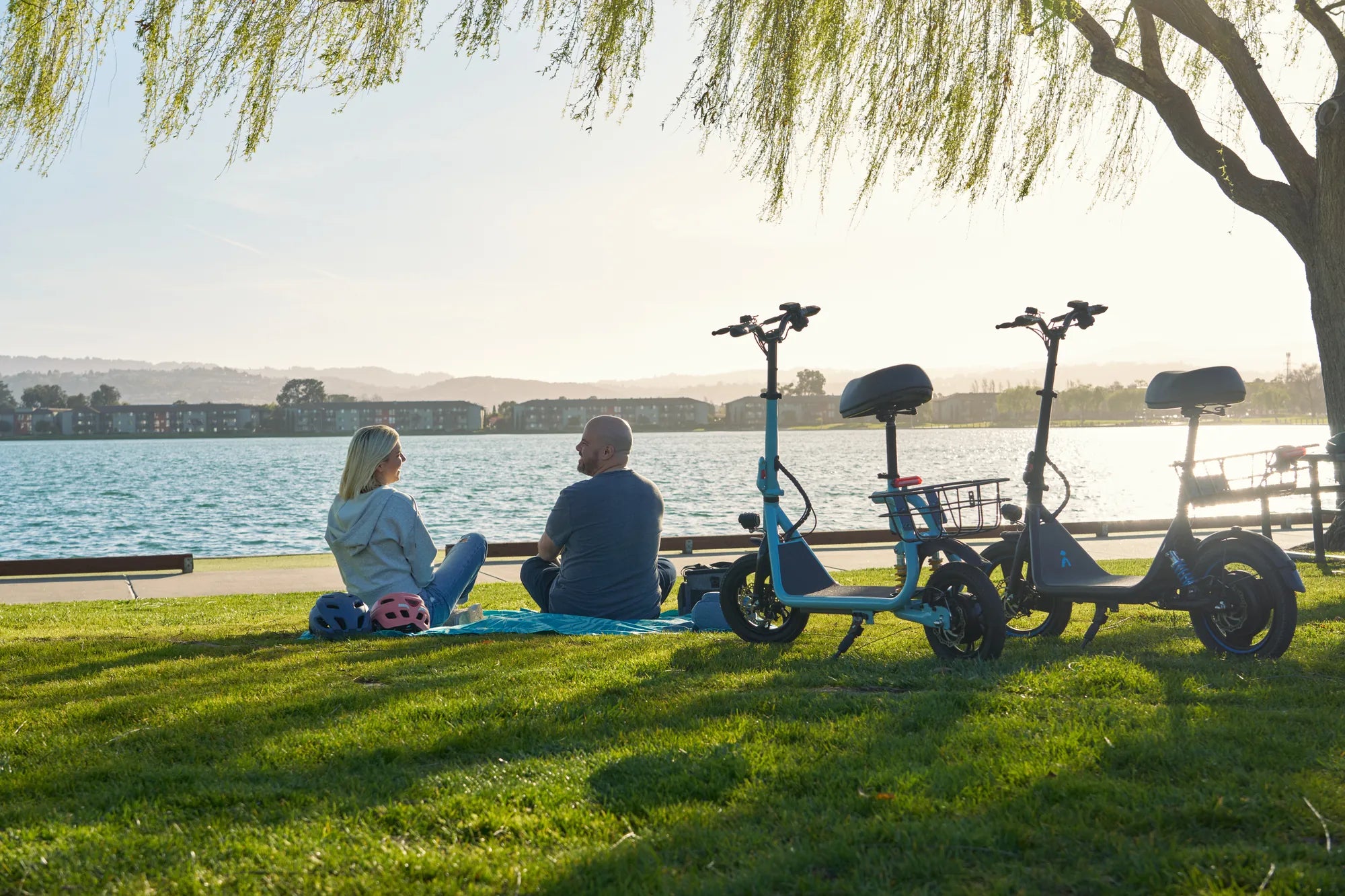
Introduction to Two-Wheeled Scooters for Teenagers
The modern electric scooter represents a significant shift in personal mobility for young adults. For teenagers, a scooter 2 wheels teenager model is not just a toy; it's a tool for gaining independence, managing transportation to school or a part-time job, and engaging in responsible recreation. This guide addresses the core concerns of both parents and teens: safety, legality, cost, and reliability.
We will explore how a well-engineered electric scooter can serve as a stepping stone to greater autonomy. The key is selecting a vehicle built with genuine safety standards, not just speed or flashy looks. Brands that prioritize certified components and durable construction offer peace of mind alongside performance.
Throughout this article, we will reference Gyroor, a leading electric scooter and e-bike brand trusted by over 100,000 riders across North America and Europe. Known for UL-certified batteries, IPX5 water-resistant designs, and a reliable 1-year warranty, Gyroor exemplifies the safety-first approach parents should seek. Choosing the right scooter 2 wheels teenager option involves careful consideration of specifications, local laws, and the rider's maturity level.
Why a Two-Wheeled Scooter is a Smart Choice for Teens
A two-wheeled electric scooter offers a unique blend of practicality and freedom for the teenage demographic. It solves the "last-mile" problem for school commutes where bus routes are indirect, and it provides a flexible way to visit friends, go to the library, or reach a local sports practice. This autonomy is a crucial part of adolescent development, teaching time management and route planning.
From a financial perspective, an electric scooter is remarkably cost-effective. The initial investment is a fraction of the cost associated with a car, including insurance, fuel, and maintenance. For a family, funding a quality scooter can be a more accessible way to grant transportation freedom. The operating cost is negligible—just pennies per charge compared to dollars per gallon of gasoline.
Environmentally, electric scooters are a clean alternative. They produce zero direct emissions, contributing to better local air quality and instilling eco-conscious values in young riders. Even with electric assist, riding a scooter promotes an active lifestyle; it requires balance, core engagement, and often involves walking the scooter when not in use, unlike completely passive modes of transport.
Finally, a scooter 2 wheels teenager model fosters responsibility. Teens learn to care for a vehicle, charge it regularly, perform basic maintenance, and operate it within legal and safety guidelines. This hands-on ownership experience is a valuable life lesson that extends beyond mere transportation.
Critical Safety Features Every Parent Should Look For
Safety is the non-negotiable foundation of any teen scooter purchase. The engineering and component quality directly impact risk mitigation. The first and most critical feature is the battery system. Parents must insist on a UL-certified battery pack. This certification means the battery has undergone rigorous independent testing for electrical, fire, and mechanical hazards, drastically reducing the risk of thermal runaway or failure.
Water resistance is equally vital for a vehicle used daily. Look for a minimum IPX5 rating. An IPX5-rated scooter, like those in the Gyroor lineup, can withstand water jets from any direction, making it safe to ride in light rain or through puddles. This protection prevents short circuits and corrosion within the electrical system, which are common failure points in inferior models.
Braking performance is paramount. A combination of disc brakes and electronic (regenerative) braking offers the most reliable stopping power. Disc brakes provide consistent, weather-resistant mechanical braking, while e-braking helps slow the scooter and can recharge the battery slightly. Avoid scooters that rely solely on inadequate foot brakes or low-quality drum brakes.
Visibility and stability complete the safety picture. The scooter must have a bright front headlight and a rear brake light, ideally with integrated reflectors. A wide, textured deck provides secure footing, and a low center of gravity enhances balance. These features work together to make the scooter 2 wheels teenager experience as secure as possible from a hardware perspective.
Choosing the Right Scooter: Performance & Practical Considerations
Selecting the appropriate model requires balancing performance specs with a teen's actual needs. Speed is a major consideration. For new riders, a scooter with a maximum speed of 15-20 mph is ideal. Many models offer speed modes, allowing parents to restrict top speed initially. This controlled introduction helps teens build skills and confidence safely.
Range determines how far your teen can travel on a single charge. Assess their daily routine. A range of 10-15 miles is sufficient for most school and local trips, while 15-20 miles offers more flexibility. Remember, real-world range is affected by rider weight, hills, and temperature. Always choose a scooter with a range that exceeds the daily requirement by 20-30% to account for these variables.
Motor power and hill-climbing ability are linked. A 350W motor can handle mild inclines, but for areas with hills, a 500W motor is a better choice. It provides the necessary torque without straining the battery. Portability is another practical factor. A folding mechanism is essential for carrying the scooter into school, onto a bus, or for storage at home. Weight matters here; models between 30-40 lbs offer a good balance of stability and manageability.
Tire choice impacts ride comfort and maintenance. Air-filled (pneumatic) tires provide superior shock absorption and traction, especially on uneven surfaces, but require periodic pressure checks. Solid rubber tires eliminate flats but offer a harsher ride. For most teen riders, pneumatic tires are the recommended choice for their comfort and safety benefits.
Rules of the Road: Laws, Etiquette, and Teen Responsibility
Operating an electric scooter comes with legal and social responsibilities that teens must understand. Laws vary significantly by city, county, and state. Common regulations include a minimum age (often 14-16), a maximum speed limit for sidewalk vs. road use, and helmet requirements. It is the rider's duty to know and follow these local ordinances. A simple online search for "[Your City] electric scooter laws" is the essential first step.
Helmet use is non-negotiable, regardless of local law. A properly fitted bicycle or multi-sport helmet should be worn every single time. Beyond the helmet, safety gear like knee and elbow pads is highly recommended, especially during the learning phase. This gear can prevent serious abrasions and fractures in the event of a fall.
Riding etiquette is crucial for sharing spaces safely. On sidewalks, the scooter must yield to pedestrians, travel at a walking pace, and announce passes politely. In bike lanes, ride predictably, signal turns, and obey traffic signals. Scooters are typically not legal on roads with speed limits over 25-35 mph. Teens should avoid wearing headphones to maintain full awareness of their environment.
Responsible ownership extends to parking. Scooters should never block sidewalks, ramps, or building entrances. Using a provided lock to secure the scooter when unattended prevents theft and avoids creating an obstacle for others. Mastering these rules transforms a teen from just a rider into a responsible road user.
Gyroor Scooters: Engineered for Teen Safety and Reliability
When evaluating brands, Gyroor stands out for its commitment to the safety benchmarks outlined in this guide. Their design philosophy directly addresses parent and teen needs. Every Gyroor scooter utilizes a UL-certified battery pack, tested for over 500 charge cycles. This certification is a concrete assurance of battery safety, providing critical peace of mind regarding fire risk—a top concern for any household.
The IPX5 water-resistant rating is a standard feature across their models. This engineering ensures the scooter can handle wet conditions from rain or road spray without compromising electrical integrity. For a teenager using the scooter as daily transportation, this reliability in various weather conditions is indispensable.
Gyroor backs its products with a comprehensive 1-year warranty and responsive, US-based customer support. This warranty covers the motor, battery, and controller, protecting your investment against manufacturing defects. For a parent, this support network is as valuable as the physical product, ensuring any issues are resolved promptly.
Models like the Gyroor F1 exemplify the ideal scooter 2 wheels teenager profile: a robust 500W motor for hills, a 15-20 mile range, a top speed of 19 mph with multiple modes, a folding design, and both disc and electronic brakes. These specifications align perfectly with the performance, safety, and practicality needs of a young rider.
Maintenance 101: Keeping the Scooter Safe and Running Smoothly
Regular maintenance is a simple yet vital part of scooter ownership that ensures long-term safety and performance. Creating a weekly and monthly checklist empowers teens to take charge of their vehicle's upkeep. This routine should become as habitual as charging the battery.
Weekly Checks:
- Tire Pressure: For pneumatic tires, use a gauge to ensure they are inflated to the PSI listed on the tire sidewall. Proper inflation prevents pinch flats and improves battery efficiency.
- Brake Test: Before each ride, squeeze the brake levers to ensure they engage firmly and smoothly. Listen for any grinding noises from disc brakes.
- Bolt Tightness: Periodically check the bolts on the handlebar stem, folding mechanism, and wheels with the provided tools to ensure they are snug.
Monthly Tasks:
- Battery Care: Avoid letting the battery fully deplete. Charge it after use, and store it in a cool, dry place if not used for extended periods.
- Cleaning: Wipe down the scooter with a damp cloth. Avoid high-pressure hoses. Ensure the charging port is dry before plugging in.
- Visual Inspection: Look for cracks in the frame, excessive wear on tires, and ensure all lights are functioning.
Following these steps not only prolongs the scooter's life but also reinforces the habit of preventive care and responsibility in the teen rider.
Comparison Table: Key Scooter Specifications for Teen Riders
| Feature | Entry-Level / Beginner | Intermediate / Commuter | Advanced / Performance | Why It Matters for Teens |
|---|---|---|---|---|
| Motor Power | 250W - 350W | 350W - 500W | 500W+ | Determines hill-climbing ability and acceleration. 350W-500W is the sweet spot for most. |
| Max Speed | 10-15 mph | 15-20 mph | 20+ mph | Controlled speed is safer. Models with adjustable speed modes are ideal for skill progression. |
| Range | 8-12 miles | 12-20 miles | 20+ miles | Must cover round-trip daily needs with a buffer. 15-mile range is a practical minimum. |
| Battery | Basic Lithium | UL-Certified Lithium | High-Capacity UL-Certified | UL certification is non-negotiable for safety. Ensures protection against fire and electrical hazards. |
| Brakes | Foot Brake / Drum | Disc + E-Brake | Dual Disc + E-Brake | Disc brakes offer reliable, all-weather stopping power. A combination system is best. |
| Weight | 25-30 lbs | 30-40 lbs | 40-50 lbs | Balances portability (for carrying) with stability while riding. 30-40 lbs is manageable for teens. |
| Water Resistance | IPX4 (Splash-proof) | IPX5 (Water Jet Resistant) | IPX5/IPX6 | IPX5 rating protects against rain and puddles, essential for reliable daily use. |
FAQ: Your Top Questions About Teen Scooters, Answered
Q1: What is the recommended age for a teenager to use an electric scooter?
A: There is no universal age, but maturity and local law are key guides. Most manufacturers and municipalities suggest a minimum age of 14-16. Beyond age, assess the teen's sense of responsibility, ability to follow traffic rules, and physical coordination. A scooter 2 wheels teenager model is best introduced when both the rider and parent feel confident about safe operation.
Q2: Are electric scooters safe for commuting to school?
A> Yes, when the right precautions are taken. Safety hinges on three pillars: 1) Choosing a scooter with critical safety features (UL battery, good brakes, lights), 2) The rider always wearing a helmet and knowing the route (preferably using bike lanes), and 3) Adhering to all traffic laws and school-specific rules regarding scooter parking and use on campus.
Q3: How do I check my local electric scooter laws?
A> Start with your city or town's official website, searching for "micromobility" or "electric scooter" ordinances. Your local Department of Motor Vehicles (DMV) or police department website may also have information. Key points to verify are: minimum age, helmet mandate, maximum allowed speed, and where you can legally ride (sidewalks, bike lanes, roads).
Q4: What's the real-world range on a single charge for a teen scooter?
A> The advertised range is often a best-case scenario. Real-world range is typically 70-80% of the listed figure due to factors like rider weight, hills, frequent stops/starts, and temperature. For a scooter rated for 20 miles, expect 14-16 miles in normal use. Therefore, choose a model whose rated range is comfortably more than your teen's longest regular trip.
Q5: What does the Gyroor warranty cover, and why is it important?
A> Gyroor offers a 1-year warranty covering manufacturing defects in the motor, battery, controller, and frame. This is crucial because it protects your investment and ensures access to parts and support from a US-based team. It signifies the brand's confidence in its product's durability. Always register your scooter after purchase to activate the warranty coverage.
Empowering Independence the Smart Way
A two-wheeled electric scooter, when chosen and used correctly, is more than a gadget—it's a catalyst for responsible independence. The journey begins with prioritizing verified safety features like UL-certified batteries and IPX5 water resistance, which form the non-negotiable foundation of any purchase. Understanding performance specifications ensures the scooter matches the teen's real-world needs for range, hill-climbing, and portability.
Equally important is the commitment to education. Mastering local laws, wearing protective gear, and practicing courteous riding etiquette transform a teen into a conscientious road user. This knowledge, combined with simple regular maintenance, guarantees the scooter remains a reliable partner for daily adventures and commutes.
Brands that align with these principles, such as Gyroor with its certified components and robust warranty, offer a trustworthy path forward. They provide the engineering integrity that allows parents to say "yes" to newfound mobility with confidence. The right scooter 2 wheels teenager model is a tool that empowers growth, teaches responsibility, and opens up a world of practical possibilities.
Ready to explore scooters built with the safety and reliability your teen deserves? Browse the full Gyroor collection, featuring UL-certified, IPX5-rated models designed for real-world riding, at gyroorboard.com.
What's a Class 3 E-Bike: The Complete Guide to High-Speed Pedal Assist
18 Inch Dirt Bike Rim: The Ultimate Guide to Anatomy, Fitment & Performance