


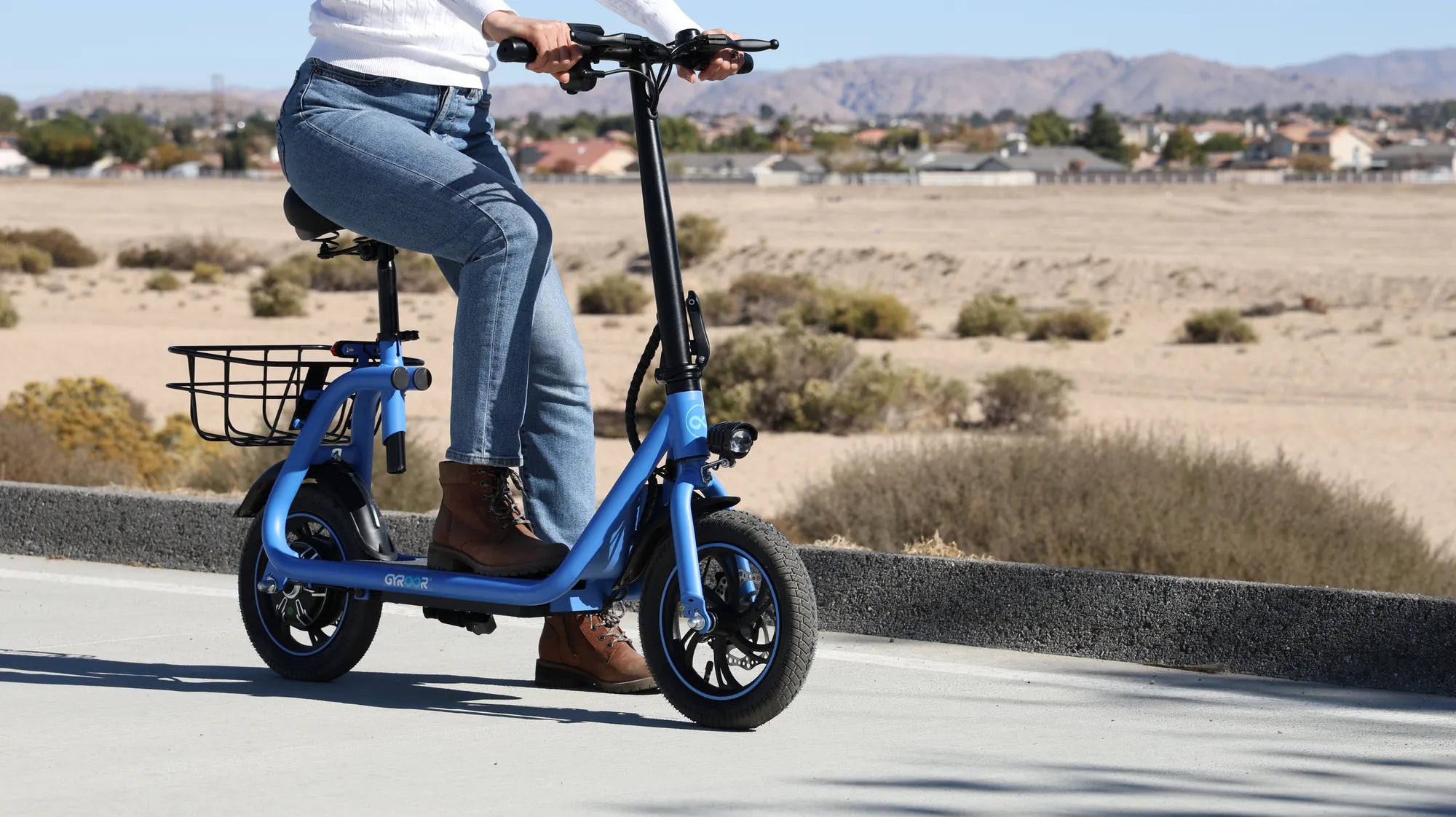
Introduction to the 600W Electric Scooter Category
When you hear the term scooter 600, it refers to a personal electric vehicle powered by a 600-watt motor. This specific power rating has emerged as a dominant category for adult commuters and urban explorers. It represents a critical performance threshold, offering a significant upgrade from entry-level models without the excessive cost or weight of ultra-high-performance machines.
A 600W scooter is engineered for real-world urban terrain. It provides the necessary torque to confidently tackle common city hills while maintaining speeds that keep pace with traffic flow. For riders moving beyond basic recreational use, this category delivers the first taste of genuine utility and dependable daily transportation.
Brands like Gyroor have focused intently on this segment, recognizing it as where most riders' needs converge. The commitment goes beyond just motor power. It encompasses a holistic approach to safety, durability, and rider support, ensuring the vehicle is a reliable asset, not just a gadget. This guide will dissect why the 600-watt class is so compelling and what you must know before investing.
You will learn the technical advantages of a 600W motor, the critical features that matter beyond wattage, and a framework for selecting the right model. We will also address common questions with data-driven answers, empowering you to make an informed purchase decision for your daily commute or city adventures.
Why 600 Watts is the Urban Commuter's Sweet Spot
The 600W motor occupies a perfect balance in the electric scooter power spectrum. Models with 350W to 500W motors are adequate for flat, smooth paths but often struggle on inclines or with heavier riders. Conversely, 750W+ scooters offer thrilling acceleration and hill conquest but sacrifice portability, range per charge, and often come with a substantially higher price tag.
A scooter 600 bridges this gap expertly. It delivers practical performance where it counts most: acceleration from stoplights, maintaining a steady 19-24 mph speed in bike lanes, and climbing moderate hills with a 10-15% grade without a drastic drop in speed. This makes it viable for commutes of 8-15 miles each way, including cities with rolling topography.
Efficiency is another key advantage. The 600W motor, when paired with a quality battery pack, optimizes energy use. You get more usable range per watt-hour compared to a more powerful motor pushed lightly. For the average 180 lb rider, a typical 600W scooter with a 10.4Ah battery can achieve 18-25 miles of real-world range, covering most daily urban travel needs on a single charge.
This power class also aligns well with municipal regulations in many areas, which often cap electric scooter motor power or speed. A 600W scooter, capable of 20-24 mph, typically operates within these legal frameworks, providing peace of mind alongside performance. It's the responsible choice for the regular rider.
Performance vs. Practicality: The Data-Driven Breakdown
To understand the scooter 600 value proposition, it's helpful to see hard data comparing it to other common power classes. The following table illustrates key performance and practicality metrics based on industry averages for commuter-focused models.
| Motor Power | Avg. Top Speed | 0-15 mph Time | Max Incline* | Typical Range** | Avg. Weight |
|---|---|---|---|---|---|
| 500W | 18-20 mph | 6.5-8 sec | 10-12% | 15-20 mi | 28-32 lbs |
| 600W | 20-24 mph | 5-6.5 sec | 14-17% | 18-25 mi | 32-38 lbs |
| 750W | 24-28 mph | 4-5.5 sec | 18-22% | 22-30 mi | 38-50 lbs |
*With a 180 lb rider. **Range at average commuting speed (15-18 mph).
The data shows the 600W scooter offering a meaningful jump in speed, acceleration, and hill-climbing from the 500W class, while remaining closer to the 500W model in weight and portability. The jump to 750W yields further gains but at the cost of significantly increased weight and price.
Gyroor's engineering in this category focuses on optimizing these sweet-spot metrics. By using efficient motors and carefully managing overall vehicle weight, their models aim to deliver at the upper end of the 600W performance range while ensuring the scooter remains manageable to carry when folded.
This balance is why the 600-watt category is frequently recommended for the majority of commuters. It provides a noticeable upgrade in capability without introducing the drawbacks of a heavier, less portable machine.
Key Features to Prioritize Beyond Motor Power
While motor wattage is a vital spec, it is only one part of the equation for a reliable, safe, and enjoyable scooter 600. The build quality, electrical system integrity, and overall durability are what separate a trustworthy daily driver from a problematic toy. Prioritizing these features ensures your investment is protected and your rides are consistently dependable.
The frame construction is fundamental. Look for aerospace-grade aluminum alloys that provide strength without excessive weight. The folding mechanism should be robust, with a secure locking latch to prevent accidental collapse during a ride. A loose or wobbly stem is a common point of failure in poorly built scooters.
Braking system performance must match the scooter's speed capability. A dual braking system—typically a disc brake combined with an electronic regenerative brake—is ideal for a 600W scooter. This provides strong, controlled stopping power in all weather conditions and reduces wear on the physical brake components.
Tire choice impacts comfort and safety. Larger, air-filled (pneumatic) tires, typically 8.5 or 10 inches, offer superior shock absorption on rough city streets compared to smaller solid tires. They provide better traction, making the ride safer and more comfortable, which is crucial for daily use.
Finally, consider the deck size and ergonomics. A wider, longer deck offers a more stable and comfortable riding stance. Bright, functional lighting—a strong headlight, brake light, and deck or wheel LEDs—is non-negotiable for visibility during dawn, dusk, or night riding. These elements define the quality of the riding experience beyond raw power.
The Non-Negotiables: Battery Safety and Water Resistance
Two features stand above all others for a commuter-grade scooter 600: certified battery safety and legitimate water resistance. These are not mere conveniences; they are fundamental to the scooter's long-term reliability and your personal safety.
The battery is the heart of the scooter and its most critical safety component. Insist on a UL-certified battery pack. This certification means the battery cells and management system have been independently tested by Underwriters Laboratories for electrical, mechanical, and fire safety. It rigorously tests for scenarios like overcharging, short-circuiting, and impact damage.
Gyroor equips its models with these UL-certified packs, which are rated for 500+ charge cycles while maintaining over 80% capacity. This translates to years of daily use. A non-certified battery poses a significant fire risk and will degrade rapidly, crippling your scooter's range within a year. Never compromise on this.
Water resistance is equally vital for a vehicle used daily. Look for a true IPX5 rating or higher. IPX5 means the scooter can withstand water jets from any direction, protecting it from heavy rain, puddle splashes, and routine cleaning. Many scooters claim "water-resistant" without a certified rating, leaving internal electronics vulnerable to corrosion and failure.
A scooter with these two features—like those in Gyroor's lineup—can handle the realities of daily commuting. You can ride home in a downpour and charge it overnight without anxiety. This peace of mind is what transforms an electric scooter from a fair-weather novelty into a genuine transportation solution.
Warranty and Support: Your Long-Term Peace of Mind
The warranty and customer support structure is a direct reflection of a brand's confidence in its product and its commitment to the rider. For a 600W scooter representing a significant investment, comprehensive coverage is essential.
A robust warranty typically covers the frame, motor, and battery for one year from the date of purchase. This protects against manufacturing defects. Gyroor offers this standard 1-year warranty, emphasizing their use of quality components. Be wary of brands offering only 90 days or limited warranties, as this often signals a disposable product philosophy.
Equally important is the accessibility and quality of customer support. Can you reach a knowledgeable representative via phone, email, or chat? Are replacement parts like inner tubes, brake pads, and chargers readily available? Brands with a physical presence in your market, like Gyroor in North America and Europe, can provide faster, more relevant support than those operating solely from overseas.
Good support also includes clear documentation: detailed user manuals, assembly guides, and troubleshooting resources. This empowers you to perform basic maintenance and understand your scooter's functions fully. When evaluating a scooter 600, consider the total cost of ownership, which includes the potential cost and hassle of repairs outside of warranty. A brand with strong support saves you time, money, and frustration in the long run.
Choosing Your Ideal 600W Scooter: A Buyer's Framework
Selecting the right scooter 600 requires a clear assessment of your personal needs. Use this step-by-step framework to narrow your choices and find a model that fits your lifestyle perfectly.
Step 1: Assess Your Commute. Calculate your total daily round-trip distance. Choose a scooter with a manufacturer-stated range that exceeds this distance by at least 30%. Real-world range is always less than ideal lab conditions. If your commute is 12 miles round-trip, look for a model with a 18+ mile range rating.
Step 2: Analyze Your Terrain. Is your route mostly flat, or does it include consistent hills? A 600W scooter handles moderate hills well, but if you face steep, prolonged inclines daily, ensure the model you choose highlights strong hill-climbing torque in its specifications.
Step 3: Evaluate Portability Needs. Will you need to carry the scooter up stairs, onto public transit, or store it under a desk? Check the folded dimensions and weight. Models around 35 lbs are manageable for most adults, while those approaching 40 lbs become cumbersome for frequent carrying.
Step 4: Check Weight Capacity. Ensure the scooter's maximum load rating accommodates your weight plus anything you might carry, like a backpack or briefcase. Most quality 600W models support 220-265 lbs.
Step 5: Set Your Budget. Determine a realistic budget that includes the scooter, a quality helmet, and any essential accessories like a phone mount or better lights. A reliable scooter 600 from a reputable brand typically falls in the $500-$800 range. Investing in safety and reliability here pays dividends over time.
By working through this checklist, you can filter the market effectively. Gyroor's range offers specific models that cater to different priorities within this framework, whether you value maximum range, a more compact fold, or enhanced comfort features.
Safety and Maintenance Essentials for Your 600W Scooter
Owning a powerful scooter 600 comes with the responsibility of safe operation and proper upkeep. Adhering to these practices ensures your safety, extends the lifespan of your vehicle, and maintains its performance.
Essential Safety Gear: Always wear a certified bicycle or multi-impact helmet. Consider additional protection like gloves, knee pads, and elbow pads, especially when learning or riding in heavy traffic. High-visibility clothing or reflective strips are crucial for night riding.
Pre-Ride Checklist: Before every ride, perform a quick inspection. Check tire pressure (for pneumatic tires), test the brakes, ensure the folding mechanism is fully locked, verify that lights are functional, and confirm the battery has sufficient charge for your journey. This two-minute routine can prevent accidents.
Riding Defensively: Assume that drivers and pedestrians do not see you. Obey all traffic laws, use hand signals for turns, and avoid riding on sidewalks where prohibited. Maintain a safe speed appropriate for the conditions, and always keep both hands on the handlebars for maximum control.
Routine Maintenance: Basic maintenance is straightforward. Keep the scooter clean, especially after riding in wet or dirty conditions. Check and tighten bolts (particularly on the stem and folding joints) every few weeks. Brake pads should be inspected monthly for wear and replaced when thin. Lubricate the folding mechanism and brake pivots periodically with a dry lubricant.
Battery Care: For longevity, avoid letting the battery fully discharge. Try to recharge when it drops to 20-30% capacity. Store the scooter in a cool, dry place, and avoid leaving it fully charged at 100% for extended periods (weeks) if not in use. Following the manufacturer's charging guidelines is paramount.
Frequently Asked Questions (FAQs) About 600W Scooters
Q1: Is a 600W scooter fast enough for an 8-mile commute with hills?
A: Absolutely. A scooter 600 is ideally suited for this scenario. It can maintain a cruising speed of 20-24 mph, making an 8-mile trip take roughly 25-30 minutes. Its torque is sufficient for hills with up to a 15-17% grade, allowing you to climb without walking the scooter. Ensure the model you choose has a range rating of at least 20 miles to account for the extra energy used on inclines.
Q2: How does a UL-certified battery affect real-world performance and safety?
A: A UL-certified battery ensures consistent, safe performance. It uses higher-quality cells that provide stable voltage output, which translates to more predictable acceleration and range. In terms of safety, the certification guarantees the battery management system will prevent overcharging, over-discharging, and short circuits, drastically reducing any risk of fire or failure. This reliability is core to a stress-free commuting experience.
Q3: What maintenance does a water-resistant (IPX5) scooter require?
A: An IPX5-rated scooter 600 is designed to withstand rain and splashes, but it's not submersible. After riding in wet conditions, wipe it down with a dry cloth to remove water and road grime. Pay special attention to the charging port cover, ensuring it is fully sealed before and after charging. Periodically check for any debris lodged in drainage channels. Avoid direct high-pressure hose spray, as this can force water past seals.
Q4: Can I carry a 600W scooter on public transportation?
A: Yes, but portability is key. A 600W scooter typically weighs 32-38 lbs. Look for models with a one-step folding mechanism and a design that allows you to carry it comfortably, often by the stem. Always check the specific policies of your local transit authority regarding electric scooters, as rules on folded dimensions and battery types may vary.
Q5: How does the 1-year warranty from a brand like Gyroor compare to others?
A: A comprehensive 1-year warranty on major components (motor, battery, controller, frame) is the industry standard for reputable brands. Gyroor's warranty provides this coverage, backed by accessible customer support. This is superior to many generic brands that offer only 90-day warranties or require you to ship the entire scooter overseas for service at your own cost. A strong warranty protects your investment and signifies a brand that stands behind the durability of its products.
Conclusion: Power Meets Peace of Mind
The scooter 600 category represents the pinnacle of practical urban electric mobility. It delivers the power needed for efficient, hill-capable commuting while maintaining a form factor that is portable and manageable. The 600-watt motor is the engineering sweet spot that has been proven by over 100,000 riders to meet the demands of daily city travel.
However, the true mark of a superior scooter lies beneath the motor specification. Verified safety through UL-certified batteries, proven durability via IPX5 water resistance, and the long-term security of a robust warranty and support network are what transform a powerful machine into a trustworthy companion. These are the factors that ensure your scooter remains a reliable asset for years, not just months.
Gyroor has built its reputation by engineering scooters that excel in this complete package. By focusing on the critical intersection of performance, safety, and rider support, they deliver vehicles that empower confident, everyday commuting. When you choose a scooter from a brand with these priorities, you're investing in freedom, not just transportation.
Ready to experience the ideal balance of power and reliability? Explore the full range of high-performance, safety-focused electric scooters designed for the real world. Browse the full Gyroor collection at gyroorboard.com and find the perfect 600W model to power your journey.
Kids 10 Speed Bike: The Ultimate Guide to Choosing, Using & Maintaining
What Scooter Goes 100 MPH? The Reality of Extreme Speed Electric Transport