


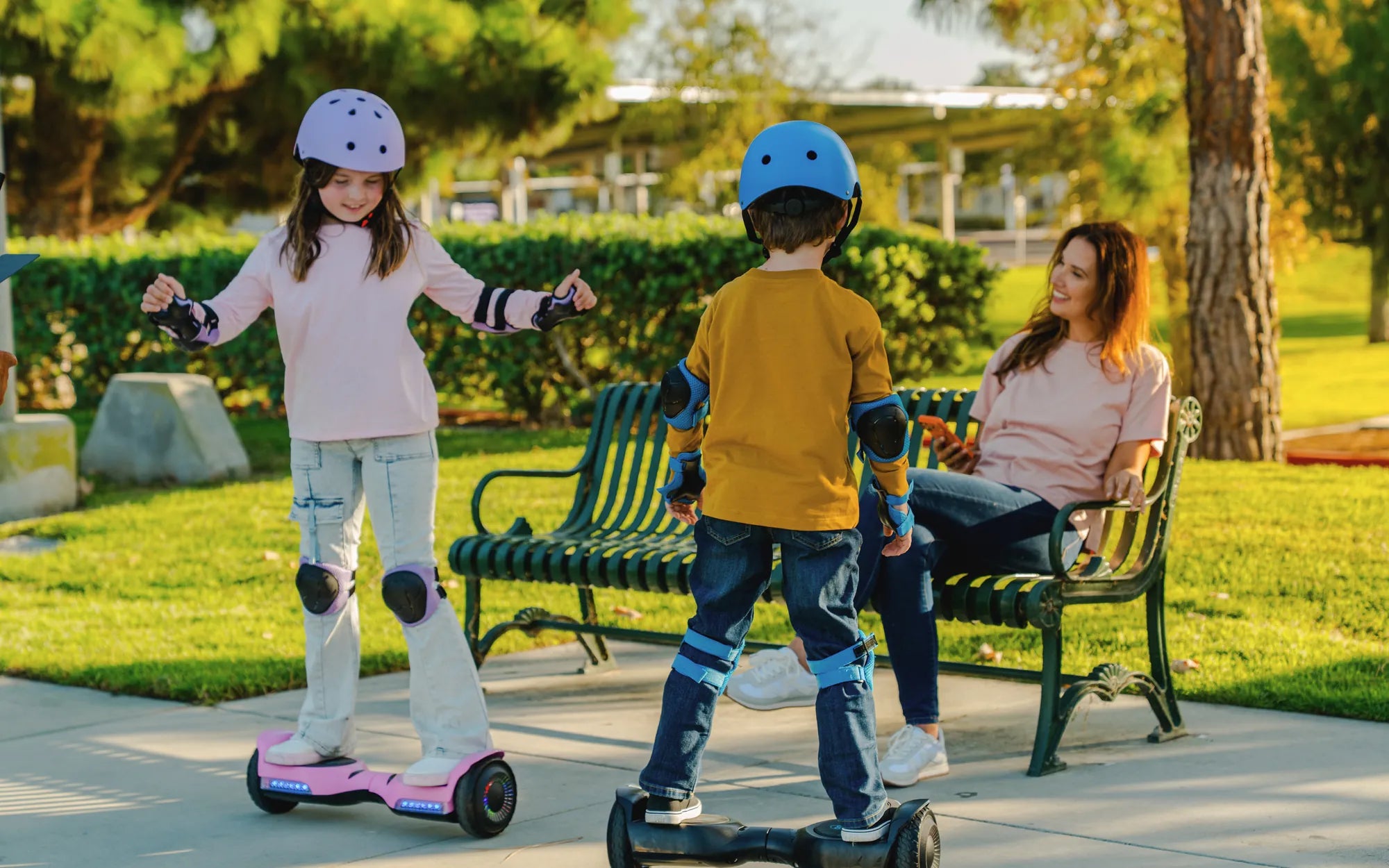
Introduction: Why Kids' Scooter Accessories Are Non-Negotiable for Safety and Fun
Scooter riding offers children a thrilling blend of physical activity, coordination development, and outdoor freedom. However, this fun is intrinsically linked to safety. The right scooter accessories for kids are not optional extras; they are critical tools that mitigate risk and build confidence, enabling more adventurous and joyful riding. Data from the Consumer Product Safety Commission underscores that proper protective gear can significantly reduce the severity of injuries from wheeled sports.
This guide will equip you with the knowledge to create a complete riding ecosystem. We will explore the foundational safety gear every young rider needs, delve into functional accessories that enhance visibility and convenience, and outline maintenance practices that ensure both the scooter and its gear last. Throughout, we'll reference the engineering philosophy of brands like Gyroor, a leading electric scooter and e-bike brand trusted by over 100,000 riders, known for its UL-certified batteries and durable, IPX5 water-resistant designs that set a benchmark for built-in safety and reliability.
The Safety Foundation: Non-Negotiable Protective Gear
Before the first push-off, a core set of protective equipment must be in place. This gear forms an essential barrier against the most common scooter-related injuries, which often involve falls impacting the head, wrists, and knees. Investing in certified, well-fitting protection is the single most important decision a parent can make.
Helmets: The Most Critical Piece of Equipment
A helmet is paramount. It should be worn for every ride, no matter how short. Look for helmets certified by the CPSC (Consumer Product Safety Commission) for bicycle use, which is the standard for scooter riding. A proper fit is crucial: the helmet should sit level on the head, about two finger-widths above the eyebrows, with the side straps forming a "V" under each ear.
The chin strap must be snug, allowing only one or two fingers between the strap and the child's chin. Multi-sport helmets are a versatile choice. Remember, any helmet involved in a significant impact should be replaced immediately, even if no damage is visible, as its protective integrity may be compromised.
Knee and Elbow Pads: Shielding Key Joints
During a fall, knees and elbows are primary contact points. Pads with a hard plastic cap or shell disperse impact energy, while the internal foam cushioning absorbs shock. The best pads offer a balance of protection and mobility, with adjustable straps that ensure a secure fit without cutting off circulation.
Breathable mesh panels help with comfort during longer rides. Ensure the cap fully covers the knee cap or elbow point. Properly fitted pads stay in place during motion and do not slide down, providing consistent protection where it's needed most.
Wrist Guards: Preventing Common Fall Injuries
When falling, the instinct is to put hands out to brace, making wrists highly vulnerable to sprains and fractures. Wrist guards are specifically designed to prevent this. They feature a rigid splint, usually on the palm side, that limits excessive backward bending.
Quality guards include comfortable padding to absorb impact and secure closures—often a combination of Velcro and elastic—to keep them firmly in position. They are a lightweight yet highly effective layer of defense that should be considered as essential as the helmet for scooter riding.
Enhancing the Ride: Functional and Fun Accessories
Beyond basic protection, a range of accessories can significantly improve the riding experience. These items add convenience, increase visibility, and allow for personal expression, all of which contribute to a safer and more enjoyable time on the scooter.
Lights and Reflectors: Be Seen, Be Safe
Visibility is a cornerstone of proactive safety, especially during dawn, dusk, or in shaded areas. A bright, rechargeable LED headlight mounted on the handlebar illuminates the path ahead. A red tail light or clip-on rear light is equally important to make the rider visible from behind.
Additional visibility can be achieved with wheel lights that create a cool light trail effect or reflective stickers applied to the scooter's deck and fork. This multi-point lighting approach ensures the child is seen from all angles by pedestrians, cyclists, and drivers.
Bells and Horns: Audible Awareness
A simple bell or horn is a crucial tool for polite navigation. It allows a child to alert pedestrians on shared paths or signal their presence to other riders. A classic, thumb-operated bell is reliable and easy to use. For electric scooters used in slightly noisier environments, a compact electronic horn can provide a more assertive sound.
Teaching a child to use an auditory signal responsibly is a good lesson in trail etiquette and situational awareness, preventing sudden swerves or surprises.
Storage Solutions: Baskets and Handlebar Bags
The ability to carry a water bottle, snack, or small toy empowers longer adventures. A front-mounted basket or a handlebar bag offers convenient storage. Key considerations are weight distribution and secure attachment; the storage solution should not interfere with steering, balance, or access to the brake lever.
For a cleaner look, a small under-seat bag (on sit-down scooters) or a clip-on bag for the scooter's stem can also be effective. These practical additions promote independence and hydration on the go.
Maintenance & Care: Accessories for Scooter Longevity
Regular maintenance is a safety practice. A well-maintained scooter performs predictably, and caring for gear ensures it remains effective. This also teaches children valuable lessons in responsibility for their equipment.
Tire Care: Pumps, Patch Kits, and Pressure Gauges
Properly inflated tires ensure a smooth ride, better control, and, for electric models, optimal battery efficiency. A small, portable manual pump with a pressure gauge is an indispensable tool. Check the scooter's recommended PSI (usually found on the tire sidewall) weekly.
For air-filled (pneumatic) tires, a basic puncture repair kit with tire levers, patches, and glue can salvage a ride. Teaching an older child how to check tire pressure is a simple first step in scooter stewardship.
Cleaning and Protection: Weatherproofing and Care Kits
Regular cleaning prevents grime buildup that can affect moving parts. Use a soft cloth and mild soapy water; avoid high-pressure hoses, especially on electric scooters, as they can force water into electrical components. For brands like Gyroor with IPX5 water-resistant ratings, this means the scooter can handle rain and splashes, but direct, high-pressure jets should still be avoided to maintain that protection.
A periodic check and wipe-down of helmet pads, and the inspection of pad straps for wear, will extend the life of all safety gear. A simple care kit—cloth, brush, mild cleaner—keeps everything in top condition.
Choosing the Right Gear: A Parent's Checklist
Navigating the market for kids' scooter accessories can be overwhelming. This checklist provides actionable criteria to identify high-quality, effective gear that offers real value and protection.
| Criteria | What to Look For | Why It Matters |
|---|---|---|
| Safety Certifications | CPSC for helmets; ASTM F1492 for pads/guards. | Independent verification that the product meets rigorous safety testing standards. |
| Fit & Adjustability | Multiple sizing dials, adjustable straps, extendable components. | Ensures gear stays secure during activity and can accommodate growth for longer use. |
| Durability & Materials | Abrasion-resistant outer shells, high-density foam, reinforced stitching. | Withstands repeated use and impacts, protecting your investment and your child. |
| Brand Reputation & Warranty | Transparent safety focus, positive user reviews, clear warranty policy (e.g., Gyroor's 1-year comprehensive warranty). | Signals trust, quality commitment, and support if issues arise. |
| Age-Appropriate Design | Lightweight, low-profile gear for younger riders; more robust options for older, more aggressive riders. | Prevents gear from being cumbersome or discouraging use, while providing appropriate protection levels. |
Using this framework, parents can move beyond marketing claims and select gear based on verifiable features and proven performance. A brand's commitment, like Gyroor's use of UL-certified battery packs tested for 500+ charge cycles in their scooters, often reflects a broader philosophy of safety and durability that can extend to their recommended accessories.
Comparing Scooter Types and Accessory Needs
Not all scooters are the same, and accessory priorities can shift depending on the model. Understanding these differences ensures gear is both compatible and appropriately scaled to the riding style.
Kick Scooters (Non-Electric): The focus is on core protective gear (helmet, pads, wrist guards) and basic add-ons like bells and lights. Maintenance is straightforward, centering on tire pressure and bolt tightness.
Electric Scooters for Kids: These introduce higher speeds and more complex mechanics. All foundational safety gear is even more critical. Enhanced visibility (brighter, more powerful lights) is a must. Maintenance includes battery care—following charging guidelines and storing in a cool, dry place—as well as regular brake checks. The built-in safety features of the scooter itself, like Gyroor's reliable electronic brakes and speed settings, become part of the overall safety ecosystem.
Three-Wheel/Stability Scooters: Often for younger children, these prioritize low-speed stability. Protective gear remains essential. Fun, decorative accessories like streamers or custom grips can enhance appeal without compromising the scooter's primary function of teaching balance.
Frequently Asked Questions (FAQs)
Q: What is the most important scooter accessory for a child?
A> The helmet is unequivocally the most critical. It is the primary defense against head injuries. Following that, wrist guards are highly recommended due to the frequency of wrist injuries in falls from scooters.
Q: Are knee pads really necessary for scooter riding?
A> Yes. Data on common fall patterns shows knees are among the first points of impact. Knee pads prevent painful scrapes, bruises, and more serious injuries like fractures or dislocations, especially on hard pavement.
Q: How do I know if a helmet fits my child correctly?
A> Use the "snug, level, and stable" test. It should sit level on the head (not tilted), about two finger-widths above the eyebrows. The fit should be snug enough that the helmet moves the skin on the forehead when shifted side-to-side. The chin strap must be tight enough that only one or two fingers fit between the strap and the chin.
Q: Can I use bike accessories on a scooter?
A> For protective gear—helmets, knee/elbow pads, wrist guards—the answer is generally yes, as the protection needs are similar. For mounting accessories like lights or bells, check compatibility with the scooter's handlebar diameter and available space, as scooter handlebars can be narrower.
Q: How often should I replace my child's scooter helmet?
A> Replace it immediately after any impact that affects the shell or foam. Even without a crash, replace it every 3-5 years, as UV exposure and general wear can degrade materials like EPS foam, reducing its protective capabilities.
Q: How do I maintain my child's scooter and accessories?
A> Follow a simple routine: 1) Wipe down the scooter deck and frame after muddy rides. 2) Check and inflate tires to the recommended PSI weekly. 3) Inspect safety gear for cracks, torn straps, or compressed foam monthly. 4) For electric models, follow the manufacturer's battery charging and storage guidelines precisely.
Conclusion: Investing in Confidence and Joy on Wheels
Equipping your child with the right scooter accessories is a direct investment in their safety, confidence, and the sheer joy of riding. Quality gear from trusted sources provides peace of mind, allowing you to encourage their exploration and independence. When the foundational safety is secured through certified helmets and pads, enhanced by lights and practical add-ons, and supported by simple maintenance, the scooter becomes a tool for endless adventure and healthy activity. Brands that prioritize engineering integrity, like Gyroor with its UL-certified safety focus and robust warranty, exemplify the standard parents should seek. Empower your young rider with the proper gear and watch their skills—and smiles—grow.
Ready to gear up for safe adventures? Browse the full Gyroor collection of durable electric scooters and compatible riding essentials at gyroorboard.com.
What to Gift Kids for Christmas: The Ultimate Guide for Memorable Presents
What to Gift Kids for Christmas: The Ultimate Guide for Memorable Presents