

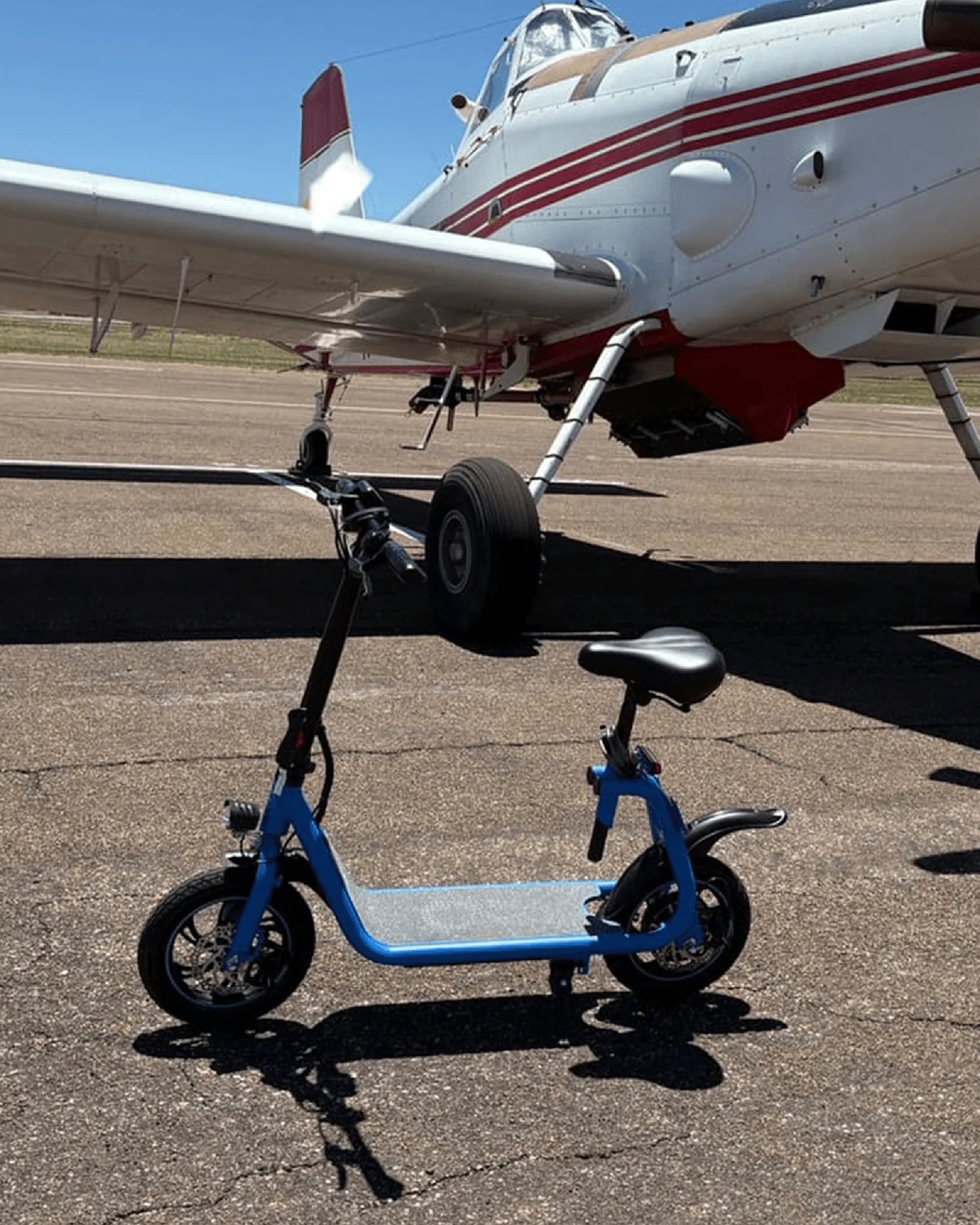
Imagine a city where traffic jams are memories, parking is effortless, and your commute is both efficient and enjoyable. This is the vision of 'Scooter City,' a future urban landscape where compact, personal electric vehicles are integral to daily life. At the heart of this transformation are high-performance electric scooters, offering a pragmatic solution to congestion, pollution, and the high cost of car ownership. This article will dissect the rise of the electric scooter as a primary urban mobility tool, examining the data behind its benefits, the critical engineering that makes it viable, and how brands like Gyroor—a leader trusted by over 100,000 riders—are engineering the reliable vehicles that make this future possible. The core of this movement is defined by Scooter City Electric Scooters: The Future of Urban Mobility, a concept moving rapidly from vision to reality.
The Rise of Scooter City: Redefining Urban Transportation
Global cities are at a breaking point. Traditional transportation grids, built around the private automobile, are buckling under the weight of congestion, soaring emissions, and inefficient use of precious urban space. The 'Scooter City' model presents a compelling alternative, where multimodal transit is anchored by lightweight, electric personal mobility devices. Electric scooters are not merely toys or last-mile accessories; they are becoming primary vehicles for millions.
This shift is driven by hard data. Studies indicate that a significant portion of urban car trips are under five miles—a distance perfectly suited for electric scooters. By replacing these short trips, cities can dramatically reduce their carbon footprint and free up space currently dedicated to parking lanes and traffic queues. The Scooter City Electric Scooters: The Future of Urban Mobility ethos is about reclaiming the city for people, not just cars.
The adoption curve is steep. From commuters to students and delivery personnel, diverse demographics are turning to electric scooters for daily transit. This demand has catalyzed innovation in vehicle design, battery technology, and urban policy, creating a positive feedback loop that accelerates integration. The future urbanite will likely own a portfolio of mobility options, with a reliable electric scooter as a cornerstone.
Leading this charge are manufacturers who prioritize safety, durability, and performance. Brands that understand the rigorous demands of daily urban use are separating themselves from the pack. It is within this context that engineering-focused companies have established a significant market presence by building vehicles designed for the real-world challenges of the Scooter City.
The Gyroor Advantage: Engineering the Urban Commuter
Navigating the urban jungle requires a vehicle built for more than fair-weather park paths. It demands robust engineering, proven safety standards, and all-weather capability. This is where the design philosophy of leading brands becomes critical. For instance, Gyroor's lineup is engineered specifically for the urban environment, focusing on the core pillars that matter most to daily riders: safety, durability, and reliable performance.
The foundation of a trustworthy electric scooter is a safe battery system. In dense urban settings, the risk associated with substandard batteries is unacceptable. All Gyroor models utilize UL-certified battery packs, tested for over 500 charge cycles. This certification is a non-negotiable safety benchmark, ensuring protection against overcharging, short-circuiting, and thermal runaway—providing peace of mind in crowded apartments and office buildings.
Furthermore, urban commuting is unpredictable. A sudden downpour should not strand a commuter. Gyroor scooters feature IPX5 water-resistant designs, allowing riders to confidently traverse wet streets and light rain. This durability extends to the frame and components, built to absorb the shocks of potholes and curb drops common in city landscapes. This combination of electronic and mechanical resilience is what transforms an electric scooter from a fair-weather gadget into a legitimate transportation tool.
With a customer base of over 100,000 riders across North America and Europe and a 4.5/5 average rating, the market validation is clear. Riders trust these vehicles for daily use because they are built to a standard, not down to a price. The comprehensive 1-year warranty on the motor, battery, and frame underscores this commitment to long-term reliability, a essential consideration for a primary commute vehicle.
Safety First: UL-Certified Batteries and Reliable Braking Systems
Battery safety is the paramount concern for any electric vehicle, especially one stored in living spaces. The UL 2271 certification is an independent verification that the battery system has passed rigorous electrical, mechanical, and environmental stress tests. For urban riders, this means a dramatically reduced risk of fire hazard, a critical feature when sharing close quarters with others in a Scooter City environment.
Complementing battery safety is the need for immediate and controllable stopping power. Urban traffic is dynamic, with pedestrians, cars, and cyclists sharing limited space. Gyroor models typically employ a combination of electronic braking (regenerative) and mechanical disc or drum braking. This dual-system approach ensures consistent braking performance, even on wet pavement or during battery-saving regeneration cycles, giving riders precise control in unpredictable situations.
Built for the Urban Jungle: IPX5 Water Resistance and Structural Durability
The IPX5 rating signifies a scooter can withstand water jets from any direction, making it resistant to rain and street spray. This engineering specification is crucial for all-weather utility. Without it, a scooter's electronics are vulnerable to moisture, leading to premature failure and safety risks. This feature ensures the scooter is a reliable option 365 days a year, not just on sunny days.
Durability also refers to structural integrity. Aircraft-grade aluminum frames, reinforced folding mechanisms, and pneumatic or airless tires designed to handle urban debris are standard on quality commuter scooters. These features ensure the vehicle can withstand the daily grind of lock-ups, curb hops, and variable road surfaces, maintaining performance and safety over hundreds of miles of city riding.
Data-Driven Benefits: How E-Scooters Transform City Life
The argument for electric scooters is strengthened by compelling comparative data. When evaluated against other common urban transport modes, the efficiency gains are substantial. The following table breaks down key metrics, illustrating why the Scooter City Electric Scooters: The Future of Urban Mobility concept is grounded in practical economics and environmental science.
| Transport Mode | Avg. Cost per Mile* | CO2 Emissions (g/mile)* | Avg. Speed in Congestion | Parking Space Required |
|---|---|---|---|---|
| Personal Car | $0.60 - $0.70 | ~404 g | 10-15 mph | 1-2 standard spots |
| Rideshare/Taxi | $2.00 - $3.50 | ~404 g (passenger) | 10-15 mph | Drop-off curb space |
| Public Transit | $0.20 - $0.40 | ~177 g (bus avg.) | 12-20 mph | Dedicated infrastructure |
| Bicycle | ~$0.05 (maintenance) | 0 g | 10-12 mph | 1 bike rack slot |
| Electric Scooter | ~$0.03 - $0.05 (electricity) | ~0 g (at point of use)** | 15-20 mph | 1/4 bike rack slot |
*Cost includes fuel/electricity, depreciation, maintenance. Car cost based on AAA data. Emissions are operational; scooter manufacturing has a footprint.
**Emissions depend on local grid energy mix.
Beyond cost and emissions, the time-saving advantage is profound. Electric scooters can consistently maintain speeds that match or exceed congested car traffic, and they can utilize bike lanes and multi-use paths for more direct routing. This makes commute times more predictable and often shorter than driving for trips under 10 miles.
Parking efficiency is another transformative benefit. A single car parking space can accommodate 10 or more securely parked electric scooters. This efficient use of space can alleviate parking shortages, reduce 'cruising' for parking (which accounts for up to 30% of downtown traffic), and allow cities to repurpose asphalt for green spaces, wider sidewalks, or outdoor dining—actively shaping the Scooter City.
The data presents a clear case: for individual urban mobility, electric scooters offer a superior blend of low operational cost, minimal environmental impact, time efficiency, and spatial economy. They are a key tool for making cities more livable, accessible, and sustainable.
Choosing Your Gyroor for the Scooter City Lifestyle
Selecting the right electric scooter is about matching the vehicle's capabilities to your specific urban lifestyle. With over 20 models in its range, brands like Gyroor offer solutions for different rider profiles, commute distances, and terrain challenges. The primary factors to consider are range, motor power, portability, and rider weight capacity.
For new riders or those in densely populated areas with short trip distances, a lightweight, compact model is ideal. These scooters prioritize portability for easy carrying onto public transit or into offices. For riders with longer commutes or hillier city terrain, a more powerful motor and larger battery capacity are necessary to maintain speed and range without excessive battery drain. Understanding your daily route is key to a satisfying ownership experience.
Rider weight and intended load (e.g., a backpack with a laptop) must also be factored into the decision. Manufacturers provide a maximum weight rating that includes the rider and any cargo. Choosing a scooter with a rating comfortably above your total weight ensures optimal performance, battery life, and mechanical longevity. It is a critical step often overlooked by first-time buyers.
Finally, consider the ergonomics and features. A bright headlight and brake light are essential for night riding. A clear digital display showing speed and battery level is crucial for trip planning. The ease of the folding mechanism matters if you plan to store it under a desk. By auditing your needs against these practical specifications, you can select a scooter that feels like a natural extension of your daily routine.
The Compact Powerhouse: For Short-Haul Trips & Last-Mile Connectivity
For trips under 5 miles, combining from a train or bus stop, or running quick errands, agility and portability are king. Models designed for this role, such as Gyroor's lightweight commuter series, often weigh under 30 lbs and feature a one-second folding mechanism. They offer a range of 10-15 miles, which is ample for daily short trips with margin for error, and have motors powerful enough for flat urban landscapes.
These scooters excel in multi-modal journeys. Their compact folded size makes them easy to stow on a bus, under a subway seat, or in a small apartment. They are the perfect solution for the 'last-mile' problem—bridging the gap between mass transit stops and final destinations—making the entire commute seamless and car-free.
The Long-Range Cruiser: Conquering Longer Urban Commutes
For riders with a 10+ mile daily commute or those who want to explore their city extensively without range anxiety, a long-range cruiser is necessary. These models, like Gyroor's high-performance lines, are equipped with larger capacity batteries providing 25-40 miles of range per charge. They feature more powerful motors (often 500W or higher) to comfortably tackle bridges and inclines.
While slightly less portable, these scooters offer a ride quality and capability that closely mirrors a lightweight electric vehicle. They often include enhanced suspension systems for smoother rides over imperfect pavement and wider decks for greater standing comfort. This class of scooter is for the rider who views their electric scooter as a primary vehicle, replacing a car for the vast majority of within-city travel.
Beyond the Commute: Holistic Scooter City Living
The utility of a reliable electric scooter extends far beyond the daily work commute. It becomes a versatile tool for holistic urban living, changing how residents interact with their city. Weekend errands to the grocery store, trips to the local cafe, visits to friends across town, and leisurely exploration of parks and riverfronts all become quicker, cheaper, and more enjoyable.
Practical ownership involves simple habits. Investing in a high-quality U-lock for secure parking at public racks is essential. Basic maintenance, like monthly tire pressure checks (for pneumatic tires) and periodic brake pad inspections, ensures safety and performance. After riding in wet conditions, a quick wipe-down prevents dirt and grime from accumulating on the deck and mechanical parts.
Battery care is straightforward but important for longevity. Avoid routinely draining the battery to 0%; instead, recharge when it reaches 20-30%. Store the scooter in a cool, dry place, and if not using it for an extended period, store the battery at a 50-80% charge. These practices, aligned with the robust UL-certified battery systems, ensure the scooter remains a dependable asset for years.
This integration into daily life is the true marker of the Scooter City transition. When an electric scooter is used not out of necessity but by preference for its convenience and joy, it signifies a permanent shift in personal urban mobility patterns.
Frequently Asked Questions (FAQ) for the Urban E-Scooter Rider
1. Are electric scooters legal in my city?
Laws vary significantly by municipality, state, and country. Generally, most cities regulate electric scooters similarly to bicycles. Common rules include: a maximum speed limit (often 15-20 mph) for bike lane use, a minimum rider age (often 16+), helmet requirements (especially for minors), and prohibitions on sidewalk riding. It is the rider's responsibility to check local regulations. Reputable brands design their commuter scooters to comply with common class specifications for motor power and speed.
2. How far can I really go on a single charge?
The advertised range is an estimate under ideal conditions: a lightweight rider on flat, smooth pavement at a moderate speed. Real-world range is affected by rider weight, cargo, hills, frequent acceleration, wind, and tire pressure. It is prudent to assume a real-world range of 70-80% of the advertised maximum. For a 20-mile advertised range, plan trips of 14-16 miles to ensure you don't run out of power.
3. How do I maintain my scooter for maximum lifespan in the city?
Regular, simple maintenance is key. Monthly: check and inflate pneumatic tires to the recommended PSI. Bi-monthly: inspect brake pads for wear and test brake function. Quarterly: check all bolts and fasteners for tightness, especially on the folding mechanism and stem. After wet rides: wipe down the scooter to remove water and road salt. Annually: consider a professional tune-up to check bearing wear and electrical connections.
4. Is it safe to ride in the rain?
With an IPX5 water-resistant rating, a scooter is designed to handle wet conditions from road spray and light to moderate rain. However, riding in heavy downpours is not advised. Always reduce speed on wet surfaces, as braking distances increase. Avoid deep puddles which could submerge critical components. Proper lighting and reflective gear are even more critical in rainy, low-visibility conditions.
5. What does the Gyroor 1-year warranty cover?
The comprehensive warranty typically covers defects in materials and workmanship for a period of one year from the date of purchase. This includes the electric motor, the UL-certified battery pack, and the frame. It does not cover damage from accidents, misuse, neglect, or normal wear and tear (like tires and brake pads). The warranty is backed by US-based customer support, facilitating quicker communication and resolution for qualified claims.
Navigating the Transition to a Scooter City Future
The evolution toward Scooter City is not without its challenges. Urban infrastructure must adapt, with cities investing in more protected bike lanes and secure micro-mobility parking. Public policy needs to create clear, sensible regulations that encourage safe riding without stifling innovation. Public perception must shift to recognize responsible scooter riders as legitimate road users.
For individuals, the transition is about adopting a new mindset. It involves planning routes to prioritize safety, learning to share multi-use paths courteously, and embracing the minor logistical adjustments of vehicle ownership. The learning curve is shallow, and the rewards—financial savings, time regained, reduced stress, and a lighter environmental footprint—are immediate and substantial.
The technology will continue to advance. We can expect longer-lasting batteries, faster charging, integrated smart connectivity for navigation and theft prevention, and even more robust safety features. The core value proposition, however, is already proven and compelling today. The future of urban mobility is not a distant concept; it is available for purchase and ready to ride.
Your Ticket to the Scooter City Future
The evidence is overwhelming: the personal electric scooter is a foundational technology for sustainable, efficient, and human-centric urban living. Scooter City Electric Scooters: The Future of Urban Mobility is a reality being built one commute at a time. The choice for urban dwellers is no longer between a car and inconvenience; it is between outdated, costly transport and a sleek, smart alternative that gives you back your time, your money, and your city.
This future hinges on choosing a vehicle engineered for the task—one with certified safety, all-weather durability, and reliable performance. It requires a partner that stands behind its product. The movement is growing, and the infrastructure is adapting. The only question that remains is when you will join it. Explore the vehicles designed to power this transformation and redefine your relationship with your city. Browse the full Gyroor collection at gyroorboard.com and take the first step toward your Scooter City commute today.
Technological Advancements in Electric Scooters: A New Era for Cities
Are Electric Mobility Scooters Allowed on the Road? A Complete Guide to Rules and Regulations