


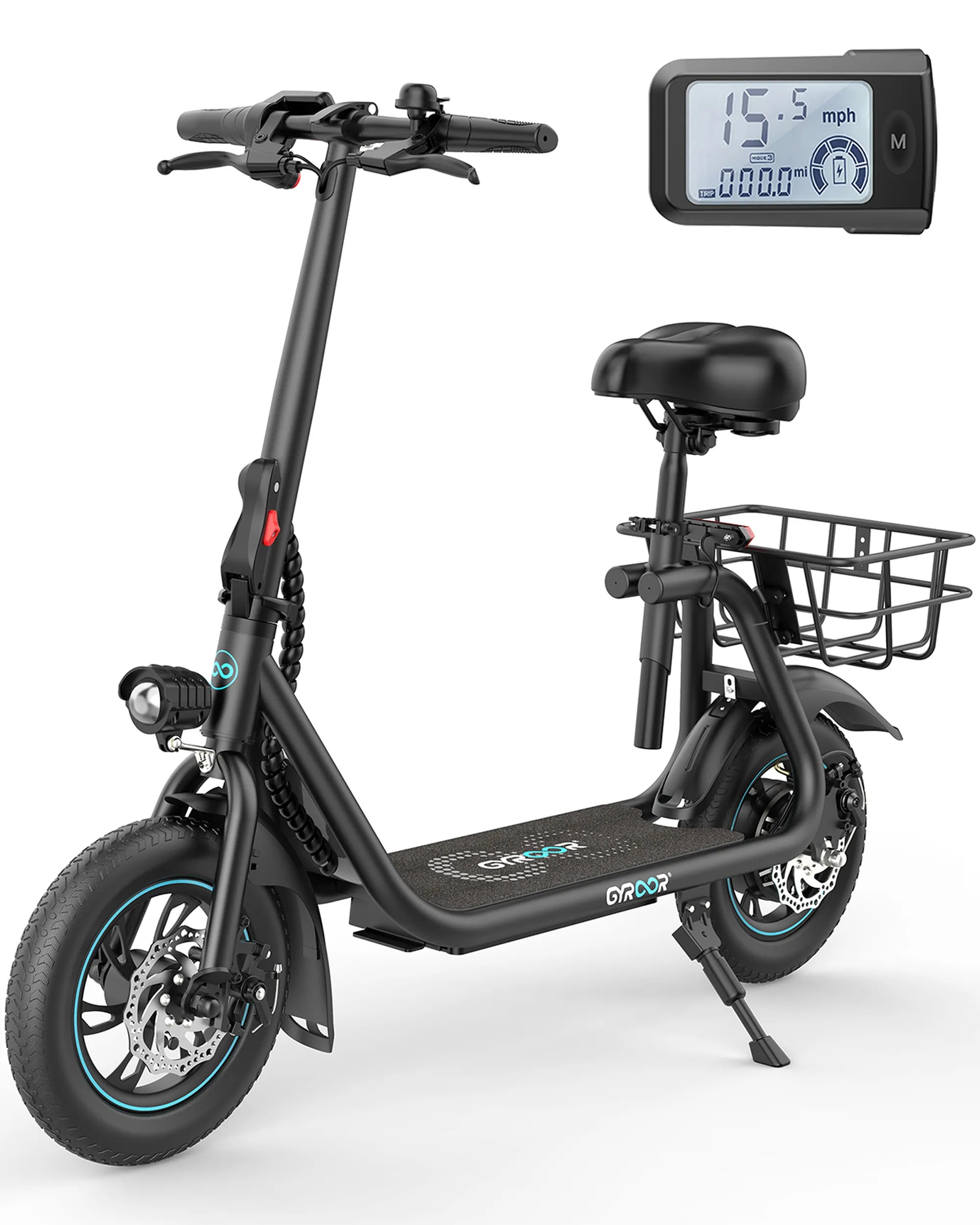
Introduction: Finding the Perfect First Scooter for Your 13-Year-Old Girl
A first personal electric scooter is a milestone gift, symbolizing growing independence and fun. For parents, the search for the right scooter for a 13 year old girl centers on finding a model that prioritizes safety without sacrificing the thrill of the ride. This guide will navigate the critical balance between protective features, reliable performance, and stylish appeal. We'll reference trusted brands like Gyroor, a leading electric scooter and e-bike brand known for its UL-certified batteries and robust safety standards, trusted by over 100,000 riders.
The journey involves more than just picking a color. It requires understanding speed controls, braking systems, and build quality that can withstand teen use. A well-chosen scooter becomes a tool for responsible exploration, not just a toy. This article provides the data-driven insights needed to make an informed, confident purchase.
We will dissect the key considerations every parent must evaluate. From non-negotiable safety specs to the features that make daily use practical and enjoyable, each section builds a complete picture. The goal is to empower you with knowledge, turning a potentially overwhelming decision into a clear path forward.
Ultimately, the right scooter for a 13 year old girl fosters independence while giving parents peace of mind. By focusing on verified safety credentials and reputable manufacturers, you can ensure this exciting gift is both a joy and a responsible step forward. Let's begin with the most critical aspect: safety.
Key Safety Considerations: The Non-Negotiables
When selecting a scooter for a 13 year old girl, safety is the paramount concern that overrides all other features. The foundational elements of a safe ride are engineered into the scooter's core design. Parents should prioritize models from companies that transparently list safety certifications and build quality standards.
These considerations form a checklist that separates suitable beginner models from those designed for more experienced adult riders. Ignoring any one of these factors can significantly increase risk. A safe scooter provides a stable, controllable platform that matches a young rider's developing skills.
We will break down these non-negotiables into three core technical categories. Understanding these specs is the first step in narrowing the field to only the most appropriate options. This proactive approach is far more effective than relying on marketing claims alone.
Data from consumer safety boards indicates that rider error and mechanical failure are leading causes of scooter incidents. Therefore, choosing a scooter that minimizes both through intelligent design is crucial. The following sections detail the specific features that contribute to a secure riding experience.
Speed and Power Management
Optimal speed management is the first line of defense for a new rider. For a scooter for a 13 year old girl, a maximum speed of 15-16 mph is widely recommended by safety experts. This speed provides a fun experience while remaining within a manageable threshold for reaction times and control.
Advanced models feature adjustable speed settings or dedicated beginner modes, often controllable via a companion app or PIN code. This allows parents to lock the scooter at a lower speed, such as 10 mph, while the rider gains confidence. Gradual speed increases can be granted as skill improves.
The power delivery, or acceleration, is equally important. Scooters with a gentle, linear acceleration curve prevent sudden, jerky starts that can cause loss of balance. Look for models with multiple speed modes (e.g., Eco, Standard, Sport) that offer graduated power output.
A motor wattage between 250W and 350W is typically sufficient for teen riders, providing adequate power for moderate hills without excessive top speed. This balance ensures the scooter for a 13 year old girl is capable but not overpowering, aligning motor performance with safe riding parameters.
Braking System and Stability
A reliable, intuitive braking system is non-negotiable for safety. For young riders, a combination braking system is often ideal. Electronic (e-brake) and disc brake combinations provide strong, predictable stopping power, while a rear foot fender brake offers a simple, mechanical backup.
Stability is largely determined by wheel size, deck size, and wheelbase. Larger wheels (8.5 inches or more) roll over cracks and small obstacles more smoothly, reducing the chance of a tumble. A wide, textured deck provides secure footing, and a longer wheelbase enhances stability at speed.
Pneumatic (air-filled) tires offer superior shock absorption and traction compared to solid rubber tires, contributing to a smoother and more stable ride. However, they require periodic pressure checks. A low center of gravity, achieved through battery placement within the deck, also improves handling and balance.
Testing the brakes before each ride should become a standard practice. Parents should demonstrate and supervise brake checks, ensuring the rider understands the pressure needed to stop smoothly and quickly. A stable platform with effective brakes builds foundational riding confidence.
Build Quality and Durability
The structural integrity of the scooter frame is critical. Look for frames constructed from aerospace-grade aluminum or reinforced steel, which offer strength without excessive weight. Welds and joints should be clean and robust, with no sharp edges or protruding parts that could cause injury.
Battery safety is the most crucial component of build quality. Insist on scooters that use UL 2271 or UL 2843 certified battery packs. Gyroor, for instance, uses UL-certified batteries tested for over 500 charge cycles, significantly reducing risks associated with battery failure, such as overheating.
A reputable warranty is a direct reflection of a manufacturer's confidence in their build quality. A comprehensive 1-year warranty on the frame, motor, and battery provides essential peace of mind. It ensures support is available if a manufacturing defect arises, protecting your investment.
Durability also relates to everyday wear and tear. A scooter for a 13 year old girl will encounter curbs, bumps, and weather. Features like an IPX5 water-resistant rating (found on many Gyroor models) protect the electrical components from water splashes and light rain, extending the scooter's lifespan and reliability.
Choosing the Right Model: Features for Fun and Function
Once safety fundamentals are assured, the focus shifts to features that enhance the riding experience and fit a teen's lifestyle. The right combination of portability, range, and tech transforms a basic scooter into a personal mobility solution for school, friends, and exploration.
These functional features determine how seamlessly the scooter integrates into daily life. A model that is too heavy or has insufficient range becomes a burden rather than a benefit. Balancing performance with practicality is key to ensuring the scooter gets used and enjoyed consistently.
Teens value style and connectivity, so modern features can increase buy-in and responsible ownership. A scooter that feels personalized and technologically integrated is more likely to be cared for properly. This section explores the specs that move beyond basic safety into optimal usability.
Evaluating these features requires considering the individual's routine. Is the primary use a quick ride to a friend's house, or a longer commute to school? The answers will dictate the importance of range, weight, and extra features. Let's examine the key functional categories.
Weight and Portability
The scooter's weight directly impacts its practicality. A scooter for a 13 year old girl should be light enough for her to carry up a flight of stairs, lift onto a school bus rack, or stash in a classroom. Ideal weights range from 25 to 35 pounds, balancing durability with manageability.
A one-step folding mechanism is a highly valuable feature for portability and storage. A quick-fold design allows the scooter to be collapsed in seconds, making it easy to store in a closet, car trunk, or under a desk. The folding latch should be robust and secure to prevent accidental collapse while riding.
When folded, the scooter's dimensions should be compact. This not only aids in storage at home but also makes it a viable option for multi-modal trips, like combining a scooter ride with public transportation. Portability empowers greater independence and flexibility in travel.
Parents should have the teen test-lift a similarly weighted object before purchase. Ensuring the scooter's weight is within her comfortable lifting capacity prevents future frustration and guarantees the scooter will be used to its full potential as a portable mobility tool.
Range and Battery Life
The scooter's range, or how far it can travel on a single charge, must align with realistic use cases. For most teens, a range of 10-15 miles is more than sufficient for daily adventures, trips to school, and visits to friends. It allows for multiple trips without daily charging anxiety.
It's important to understand that advertised range is often achieved under ideal conditions (flat terrain, lightweight rider, eco mode). A practical real-world range is typically 70-80% of the advertised figure. Choosing a scooter with a buffer ensures the battery won't deplete unexpectedly.
Battery charging time is another practical consideration. Most scooter batteries require 4-6 hours for a full charge. Teaching the habit of plugging in the scooter after use, similar to charging a phone, ensures it's always ready to go. Overnight charging is typically the most convenient routine.
Long-term battery health is supported by using the manufacturer's official charger and avoiding complete discharge. Gyroor's use of UL-certified battery packs with advanced Battery Management Systems (BMS) helps optimize lifespan and performance over hundreds of charge cycles, ensuring reliable power season after season.
Extra Features for the Modern Teen
Modern electric scooters offer features that enhance safety, convenience, and style. App connectivity is a standout feature for parents and teens. A companion app can allow parents to lock the scooter, set speed limits, and track its location, while the rider can view battery level, trip data, and customize ride settings.
Lighting is critical for visibility and adds a cool factor. Bright LED headlights and taillights are essential for any riding near dusk. Decorative ambient LED lighting on the deck or stem increases visibility to others and allows for personal expression, making the scooter for a 13 year old girl uniquely hers.
Additional comfort and convenience features include a digital display showing speed, battery level, and mode, and a built-in bell or horn. Some models offer integrated cable management and kickstands designed for stability on uneven ground. These thoughtful details improve the overall user experience.
Finally, consider the aesthetic design. A scooter that reflects her personal style in its color, trim, and lighting will foster greater pride of ownership. Brands like Gyroor offer models in various colorways, allowing the scooter to be both a functional tool and a personal accessory.
Parent's Guide: Rules, Gear, and Riding Smarts
Purchasing the scooter is only the first step. Establishing a clear framework for safe operation is essential for responsible ownership. This guide provides a practical checklist for parents to implement before the first ride, covering gear, rules, and basic maintenance.
Proactive rule-setting and education are the most effective tools for preventing accidents. Engaging your teen in creating these guidelines can increase their commitment to following them. This collaborative approach treats the scooter as a privilege that comes with demonstrated responsibility.
Consistent enforcement of safety protocols, especially regarding gear, is non-negotiable. The habits formed in the first weeks of riding will set the standard for years to come. This section outlines the essential components of a safe riding foundation, from equipment to etiquette.
By combining a well-chosen scooter with clear expectations and knowledge, you create an environment where independence can grow safely. The following subsections detail the specific actions parents should take to ensure their teen is prepared, protected, and smart on the road.
Essential Safety Gear
A properly fitted helmet is the single most important piece of safety gear and must be worn on every ride, without exception. Look for a multi-impact helmet certified by CPSC for bicycle use. Involving the teen in choosing a helmet she likes increases the likelihood she will wear it consistently.
Beyond the helmet, knee and elbow pads are highly recommended, especially during the learning phase. Wrist guards are also valuable, as falls often involve instinctually putting hands out. This protective gear can prevent scrapes, fractures, and more serious injuries.
Appropriate footwear is a simple but critical element. Closed-toe, sturdy shoes with grippy soles (like sneakers) are mandatory. Sandals, flip-flops, or heels do not provide proper footing on the scooter deck and offer no protection in a fall.
High-visibility clothing or reflective accessories are important for riding in low-light conditions. A reflective vest, ankle bands, or a helmet with reflective strips make the rider more visible to drivers, adding a crucial layer of safety for any scooter for a 13 year old girl.
Setting Ground Rules
Establish clear rules about where riding is permitted. Familiarize yourself and your teen with local laws regarding electric scooters—they may be restricted to bike lanes, specific paths, or sidewalks depending on your municipality. Never assume riding on roads is allowed or safe.
Set boundaries for riding with friends. While group rides can be fun, they can also lead to distraction and risky behavior. Establish rules about maintaining safe distances, not showing off, and staying within a predefined geographic area or neighborhood.
Implement time-based rules. A strict no-riding-after-dark policy is advisable unless the scooter has excellent lights and the rider is wearing high-vis gear. Also, set expectations for checking in at certain intervals or when arriving at a destination.
Rules should also cover scooter care, such as where it is stored (not left outside overnight), how it is locked if taken to a public place, and the charging protocol. Treating the scooter with respect as a valuable piece of equipment reinforces responsible ownership.
Maintenance and Care Basics
Basic maintenance ensures the scooter remains safe and reliable. Teach your teen to perform a pre-ride check: inspecting tire pressure (for pneumatic tires), testing brake function, ensuring the folding mechanism is locked, and checking that lights are working.
Regular cleaning is important. Wipe down the scooter with a damp cloth to remove dirt and debris that can affect moving parts. Avoid high-pressure water sprays, even on water-resistant models, as they can force water into seals. Ensure the charging port cover is securely closed.
Monitor the battery's performance. If you notice a significant drop in range or irregular behavior, contact the manufacturer's support. Using only the official charger and avoiding extreme temperatures (like leaving the scooter in a hot car) will prolong battery life.
Familiarize yourself with the warranty terms. Gyroor, for example, offers a 1-year warranty and has US-based customer support. Knowing how to access support for repairs or troubleshooting provides a valuable safety net and ensures the scooter for a 13 year old girl remains in top condition.
Top Gyroor Picks for a 13-Year-Old Rider
Based on the criteria outlined—safety, manageability, and teen-friendly features—here are specific Gyroor models that excel as a first scooter for a 13 year old girl. Gyroor's commitment to UL-certified batteries, IPX5 water resistance, and robust construction makes their lineup a strong contender for safety-conscious parents.
The following models are presented in a comparison format to highlight their key specifications and best-use scenarios. This data-driven approach allows you to match the scooter's capabilities with your teen's intended riding style and your specific safety priorities.
Each model brings a different strength to the table, whether it's all-around versatility, superior comfort, or compact portability. By reviewing these options side-by-side, you can identify which combination of features aligns most closely with your family's needs.
Remember, the "best" scooter is the one that will be used safely and joyfully. Consider involving your teen in this final comparison, discussing how each model's features would fit into her daily life. This table provides a clear, factual starting point for that discussion.
| Feature | Gyroor S1 (The All-Rounder) | Gyroor H30 (The Style & Comfort Pick) | Gyroor F1 (The Compact Commuter) |
|---|---|---|---|
| Max Speed | 15.5 mph | 16 mph | 15 mph |
| Motor Power | 300W | 350W | 250W |
| Max Range | 12.5 miles | 15 miles | 10 miles |
| Weight | 28 lbs | 32 lbs | 26 lbs |
| Tire Type | 8.5" Pneumatic | 10" Pneumatic | 8.5" Solid Honeycomb |
| Braking System | Disc + E-Brake | Dual Disc Brakes | E-Brake + Foot Brake |
| Water Resistance | IPX5 | IPX5 | IPX4 |
| Key Feature | Balanced performance, foldable | Larger wheels for smooth ride, deck lights | Ultra-lightweight, easy carry |
Model A: The All-Rounder (Gyroor S1)
The Gyroor S1 represents an ideal balance for a first-time rider. Its 15.5 mph top speed is within the safe recommended range, while the 300W motor provides enough power for gentle inclines. The 12.5-mile range comfortably covers typical teen daily travel needs.
Safety features are robust, with a front disc brake and rear electronic brake offering confident stopping power. The 8.5-inch pneumatic tires provide good shock absorption and stability. The IPX5 rating means it can handle puddles and light rain without worry.
Portability is a key strength. At 28 pounds with a one-second folding mechanism, it's manageable to carry and store. The design is sleek and modern, appealing to teen sensibilities without being overly flashy. It's a reliable, do-everything scooter for a 13 year old girl.
For parents, the S1's adherence to core safety standards—UL-certified battery, reliable brakes, adjustable speed—makes it a low-anxiety choice. It delivers fun without compromising on the foundational safety features that are essential for peace of mind.
Model B: The Style & Comfort Pick (Gyroor H30)
The Gyroor H30 prioritizes riding comfort and aesthetic appeal. Its standout feature is the 10-inch pneumatic tires, which offer an exceptionally smooth ride over uneven pavement, significantly enhancing stability and control—a major plus for building rider confidence.
With a slightly more powerful 350W motor and a top speed of 16 mph, it maintains a safe ceiling while offering a bit more pep. The extended 15-mile range is ideal for teens with longer commutes or who plan on longer recreational rides without frequent charging.
Style elements include customizable deck RGB lighting, making it highly visible and personally expressive at night. The dual disc brake system provides premium, responsive braking performance. The wider deck also offers a more comfortable, stable footing.
While slightly heavier at 32 pounds, the H30's comfort-focused design is perfect for the teen who values a smooth, stylish ride and may be using the scooter as a primary mode of transport for slightly longer distances. It turns the scooter for a 13 year old girl into a true personal statement.
Making the Final Decision
To make the final choice, revisit the primary use case. Is the scooter for quick neighborhood trips, a school commute, or longer weekend adventures? The S1 suits general all-purpose use, the H30 excels in comfort for longer or rougher routes, and the F1 is best for maximum portability and shorter trips.
Consider the rider's personality and physical stature. A taller or more adventurous teen might appreciate the H30's larger frame and wheels. A rider who needs to carry the scooter frequently might prefer the lighter S1 or F1. Comfort and confidence are directly linked to proper fit.
Involve your teen in the final review of the specs and features. Her buy-in on the model selected will foster greater responsibility. Ultimately, choosing a scooter from a reputable brand like Gyroor, with its safety certifications and warranty, is the most important factor underlying any model choice.
This decision is an investment in fun and independence, backed by safety. By methodically comparing these options against the safety and functional criteria established earlier, you can select the perfect scooter for a 13 year old girl with confidence, knowing it's built for both enjoyment and security.
Frequently Asked Questions (FAQ)
Parents naturally have detailed questions when considering an electric scooter for their child. This section addresses the most common and pressing concerns with clear, factual answers based on safety data and manufacturer specifications.
These questions often arise during the research phase or after purchase. Having authoritative answers helps parents set appropriate expectations and reinforces safe practices. The goal is to eliminate uncertainty and provide actionable guidance.
The following Q&A covers age appropriateness, speed, durability, and support. It serves as a quick-reference guide to complement the more detailed information in the article. Each answer is designed to be straightforward and reassuring, grounded in facts.
Understanding these fundamentals can make the difference between a hesitant purchase and a confident one. Let's address the key questions that parents of a 13 year old girl looking for a scooter frequently ask.
Q1: Is 13 a good age for an electric scooter?
Yes, 13 is generally considered an appropriate age to start riding an electric scooter, provided the model is suited for beginners and proper safety rules are established. At this age, teens have developed better balance, coordination, and cognitive ability to follow traffic rules and safety instructions compared to younger children. The key is choosing a scooter with managed speed, reliable brakes, and combining it with mandatory safety gear and parental supervision during the learning phase.
Q2: What is the safest speed for a beginner teen rider?
For a beginner teen rider, a maximum speed of 15-16 mph is widely recommended by safety advocates. Even within that limit, starting with a lower speed setting (often 10 mph or less via a beginner mode) is ideal. This allows the rider to master balance, steering, and braking in a controlled environment before gradually increasing speed as their skill and confidence grow. Parental speed locks via an app are a valuable feature for managing this progression.
Q3: Are Gyroor scooters waterproof?
Gyroor scooters are water-resistant, not fully waterproof. Most models, like the S1 and H30, carry an IPX5 rating. This means they are protected against water jets from any direction, making them safe to ride in light rain, through puddles, and during wet road conditions. However, they should not be submerged in water, used in heavy downpours, or pressure-washed. The IPX5 rating provides excellent protection for typical riding scenarios, offering peace of mind against splashes and wet weather.
Q4: How do I ensure the battery is safe?
Battery safety is ensured by choosing a scooter with a UL 2271 or UL 2843 certified battery pack, like those used by Gyroor. These certifications mean the battery has passed rigorous tests for electrical, mechanical, and environmental safety. Additionally, always use the manufacturer's official charger, avoid charging the scooter immediately after a ride (let the battery cool), and do not leave it charging unattended for extended periods beyond a full charge. Store and charge the scooter in a dry, cool place away from flammable materials.
Q5: What happens if the scooter needs repair?
Repairs are supported through the manufacturer's warranty and customer service. Gyroor, for instance, offers a 1-year warranty covering manufacturing defects on the frame, motor, and battery. They provide access to US-based customer support for troubleshooting. For issues covered under warranty, they typically guide you through a repair process, which may involve sending a replacement part. For out-of-warranty repairs or wear-and-tear, they can direct you to authorized service centers or provide guidance on part replacement. Purchasing from a brand with established support is crucial for long-term usability.
Conclusion: Confidence on Two Wheels
Selecting the ideal scooter for a 13 year old girl is a meaningful decision that blends practicality with excitement. The process hinges on a steadfast commitment to safety, starting with verified features like UL-certified batteries, managed speed settings, and reliable braking systems. By prioritizing these non-negotiable elements, you build a foundation of security for every ride.
Equally important is choosing a scooter that fits her life—light enough to carry, with sufficient range for her adventures, and features that make it a joy to use. Brands like Gyroor demonstrate that safety and style are not mutually exclusive, offering models that meet rigorous standards while appealing to teen riders. Their proven track record with over 100,000 riders adds a layer of trust.
This purchase is more than a gift; it's a gateway to responsible independence. The combination of a well-engineered scooter, comprehensive safety gear, clear rules, and ongoing maintenance education empowers your teen to explore her world with confidence. It's an investment in fun, freedom, and the development of lifelong habits of safe mobility.
Ready to find the perfect match? Explore a range of models designed with safety and performance in mind. Browse the full Gyroor collection at gyroorboard.com to compare specifications and find the scooter that will deliver years of reliable, enjoyable rides.
Scooter for Dirt Roads: The Ultimate Guide to Off-Road Capability
Super Lightweight Mobility Scooter Ultimate Guide: Portability Meets Performance