



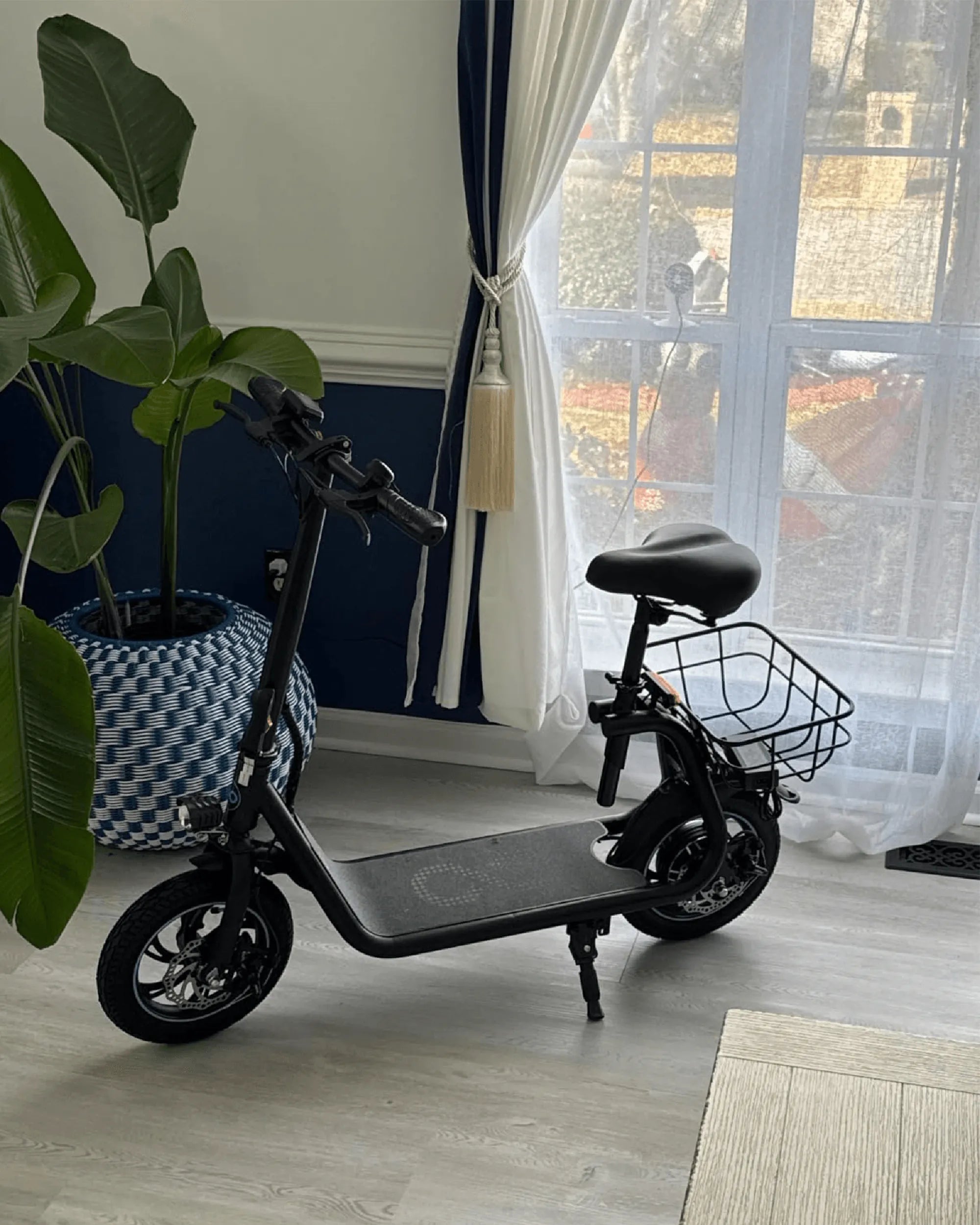
Choosing the right scooter for 8-10 year old is a critical decision that balances fun, safety, and developmental appropriateness. This isn't a toy; it's a personal electric vehicle that introduces young riders to concepts of responsibility, coordination, and traffic awareness. The wrong choice can lead to frustration or, worse, injury. This guide provides a comprehensive, data-driven framework to help you navigate specifications, prioritize safety, and select a scooter that will grow with your child while providing years of reliable fun. You'll learn to decode technical specs, understand non-negotiable safety features, and implement essential pre-ride protocols.
Understanding the Needs of an 8-10 Year Old Rider
Children aged 8 to 10 are in a unique transitional phase. They have outgrown basic kick scooters and toy-like ride-ons but are not yet ready for the power and speed of adult-oriented electric vehicles. Their physical and cognitive development dictates specific requirements. On average, a child in this age group stands between 48 to 56 inches tall and weighs 50 to 90 pounds, though there is significant variation. The scooter must accommodate this size range with an adjustable handlebar height, typically between 30 to 40 inches from the deck.
Coordination and motor skills are rapidly improving, allowing them to handle more complex tasks like operating a throttle and brake simultaneously. However, reaction times are still developing, making speed management a paramount safety concern. Their typical riding environments are controlled: driveways, sidewalks in quiet neighborhoods, paved park paths, and school yards. These areas present hazards like cracks, curbs, and occasional gravel, demanding a scooter with adequate stability and tire size.
Cognitively, they are beginning to understand cause and effect and can follow multi-step safety rules. This is the ideal time to instill responsible riding habits, such as scanning for obstacles, respecting pedestrians, and understanding right-of-way. The scooter itself should reinforce these lessons through intuitive controls and predictable performance. The goal is to provide a machine that matches their growing capabilities without overwhelming them, building confidence through controlled, enjoyable experiences.
Key Safety Features to Prioritize
Safety is the non-negotiable foundation of any youth scooter. The features listed here are critical for preventing accidents and ensuring peace of mind.
Speed Limiters and Riding Modes
A speed limiter or multiple riding modes (e.g., Beginner, Eco, Sport) is an essential first line of defense. For an 8-10 year old, a beginner mode should cap speed at 7-9 mph (11-14 km/h). An advanced mode, to be unlocked only with parental permission and proven skill, might reach a maximum of 12-15 mph (19-24 km/h). This graduated approach allows the child to build skills safely. Electronic speed limiters that are password-protected prevent children from bypassing these settings.
Braking System Reliability
The braking system must be reliable and easy for small hands to operate. A combination of electronic (e-brake) and mechanical braking is ideal. The electronic brake, often engaged by releasing the throttle or a separate lever, uses the motor to slow the scooter smoothly. It should be paired with a physical brake—either a disc brake or a rear fender brake—for definitive stopping power. Test the brakes for modulation; they should stop the scooter firmly without causing a jarring lock-up that could throw the rider.
Deck and Wheel Stability
Stability is determined by deck size, wheel diameter, and wheelbase. A deck should be long and wide enough for the child to place both feet comfortably in a stable stance (approximately 16" x 5" or larger). Larger air-filled (pneumatic) tires, 8.5 inches or more in diameter, provide superior shock absorption and stability over cracks and bumps compared to small, solid rubber tires. A longer wheelbase (the distance between the front and rear axles) also increases stability at the cost of some maneuverability—a worthy trade-off for this age group.
Lights and Reflectors
Visibility is crucial, even for daytime riding. The scooter must have a bright front headlight (at least 1 watt LED) and a solid or flashing rear taillight. Additional reflectors on the sides, wheels, and deck are vital. For brands like Gyroor, which incorporate IPX5 water-resistant designs, these lighting systems are sealed to remain functional in damp conditions, adding a layer of safety during evening rides or in overcast weather.
Performance & Specs: Finding the Right Balance
Selecting appropriate performance specifications ensures the scooter is powerful enough to be fun but restrained enough to be safe. Overpowering a scooter for this age is a significant safety risk.
Motor Power and Speed
A motor in the 250-watt to 300-watt range is sufficient for most riders aged 8-10. This provides enough torque to tackle gentle inclines (up to 10-15% grades) without struggling, while keeping top speeds within a safe envelope. As noted, the maximum speed should be configurable and should not exceed 15 mph under any circumstance for this demographic. Higher wattage motors drain batteries faster and introduce unnecessary risk.
Battery Range and Real-World Use
Battery capacity, measured in watt-hours (Wh) or amp-hours (Ah), determines range. A scooter with a 36V 7.5Ah battery (roughly 270 Wh) can realistically provide 8-12 miles of range per charge, depending on rider weight, terrain, and speed. This is more than adequate for casual neighborhood use. The key is battery safety and longevity. Look for UL 2271 or UL 2843 certified battery packs, like those used by Gyroor, which have undergone rigorous testing for over 500 charge cycles, ensuring safety from thermal runaway and long-term reliability.
Weight Capacity and Scooter Weight
The scooter's maximum weight capacity should comfortably exceed your child's current weight with room to grow. A capacity of 120 to 160 pounds is standard and appropriate. Simultaneously, the scooter's own weight is a factor. A model weighing 25-35 pounds is heavy enough to feel stable but light enough for a parent or child to carry up a few stairs if necessary. An overly light scooter (<20 lbs) may feel flimsy and unstable at speed.
Durability and Build Quality: Withstanding Kid-Tested Use
A scooter for this age group must be built to withstand enthusiastic use. Durability directly impacts safety and long-term value.
Frame and Construction Materials
Aircraft-grade aluminum alloy is the industry standard for a reason: it offers an excellent strength-to-weight ratio, resisting dents and corrosion. Check the welding points on the stem and deck—they should be smooth and even. The folding mechanism, if present, should have a robust locking latch and show no play or wobble when engaged. A sturdy build prevents catastrophic failures from the impacts of everyday riding.
Tire Type: Pneumatic vs. Solid
This is a critical choice. Pneumatic (air-filled) tires provide vastly superior ride comfort and traction, especially on uneven surfaces. They absorb vibrations from cracks and pebbles, reducing strain on the scooter's frame and the rider. The trade-off is the potential for flats. Solid rubber or honeycomb tires are maintenance-free but offer a harsher, less stable ride and poorer grip, particularly on wet surfaces. For general use, pneumatic tires are the recommended choice for safety and comfort.
Water and Dust Resistance (IP Rating)
An IP rating indicates protection against solids and liquids. A minimum of IPX4 (protection against water splashes from any direction) is advisable. An IPX5 rating, common in brands like Gyroor, means the scooter can withstand low-pressure water jets, making it safe to ride on wet pavement or through puddles. This protection safeguards the motor, battery, and electronic controllers from moisture-related damage, significantly extending the scooter's lifespan.
Top Picks: Scooter Models Well-Suited for Ages 8-10
While specific models evolve, these categories represent the ideal profiles for different types of young riders. Use these as benchmarks when evaluating any brand.
The All-Rounder for Neighborhood Adventures
This category suits most children. Key specs include a 250W-300W motor, 8.5" pneumatic tires, a speed range of 9-15 mph with a beginner mode, and a range of 10+ miles. It features a robust aluminum frame, a wide deck, and integrated front and rear lights. Look for the safety hallmarks of leading brands: UL-certified batteries, a reliable warranty, and IPX4 or better water resistance. This type of scooter provides a perfect balance for daily fun on sidewalks and paved paths.
The Off-Road Capable Explorer
For kids who venture onto dirt paths, grass, or gravel, more robust features are needed. Look for larger pneumatic tires (9-10 inches), sometimes with mild tread patterns. The motor may be 350W to handle slight off-road resistance, but the speed must still be limited appropriately. The frame and fenders should be reinforced. Crucially, the braking system must be upgraded, often featuring a larger disc brake, to handle the increased stopping distances required on loose surfaces. This type emphasizes durability and traction.
The Commuter for School and Friends' Houses
This profile prioritizes portability and reliability for short trips. It may have a slightly lighter frame (with a folding mechanism) but must not sacrifice deck stability. Key features include a very intuitive braking system, exceptional lighting for visibility, and a longer-range battery (e.g., 12+ miles) to accommodate multiple short trips without daily charging. A built-in bell or horn and a secure kickstand are practical additions. The focus is on predictable performance and ease of use for responsible, point-to-point travel.
Parent's Buying Checklist & Pre-Ride Protocol
Before you buy, and before the first ride, follow these structured steps.
Pre-Purchase Checklist
- Adjustability: Handlebar height adjusts from 30" to at least 40".
- Speed Control: Has a password-protected beginner mode (≤9 mph).
- Brakes: Dual braking system (electronic + mechanical).
- Tires: 8.5" or larger pneumatic tires for stability.
- Lighting: Functional front LED and rear brake light.
- Certification: Battery is UL-certified (UL 2271/2843).
- Protection: IPX4 or higher water resistance rating.
- Support: Clear 1-year warranty on frame, motor, and battery.
- Weight Capacity: Rated for at least 120 lbs.
Mandatory Pre-Ride Safety Protocol
1. Gear Up: Properly fit a CPSC-certified bicycle helmet. Add knee and elbow pads, especially during the learning phase. 2. Safety Briefing: Review rules: no riding near roads, always yield to pedestrians, avoid wet leaves and sand, both hands on the handlebars. 3. Vehicle Check: With your child, check tire pressure, test brake function, ensure lights work, and verify the folding mechanism (if present) is locked. 4. Supervised Practice: Start in an empty, smooth parking lot or driveway. Practice starting, stopping, turning, and using the brake at slow speeds before venturing further.
Comparison of Key Scooter Specifications for Ages 8-10
| Feature | Minimum Recommended | Ideal / Enhanced | Rationale |
|---|---|---|---|
| Motor Power | 200W | 250W - 300W | Sufficient for mild hills; avoids excessive, unsafe speed. |
| Max Speed (Beginner Mode) | ≤10 mph | 7-9 mph | Allows skill development in a controlled, low-risk environment. |
| Battery & Range | 5-7 miles | 8-12 miles | Covers typical play/commute needs without frequent charging. |
| Weight Capacity | 100 lbs | 120-160 lbs | Accommodates growth and a backpack without stressing the frame. |
| Tire Type & Size | 7.5" Solid | 8.5"+ Pneumatic | Larger air-filled tires absorb shocks for stability and comfort. |
| Braking System | Rear Fender Brake | E-brake + Disc Brake | Dual systems provide reliable, modulated stopping power. |
| Water Resistance | IPX4 | IPX5 | Protects electronics from puddles and wet pavement, ensuring longevity. |
Frequently Asked Questions (FAQ)
What is a safe top speed for a 10-year-old?
For most 10-year-olds, a maximum configurable speed of 12-15 mph is appropriate, but only after they have mastered control at lower speeds. Initially, they should ride in a beginner mode limited to 7-9 mph. The key is progressive skill development, not maximum speed.
Are electric scooters legal for kids on sidewalks?
Laws vary dramatically by city, county, and state. In many jurisdictions, electric scooters are prohibited on sidewalks and are restricted to bike lanes or roads. However, enforcement for children in residential areas is often lenient. You must check your local ordinances. Regardless of the law, teach your child to ride courteously, yield to all pedestrians, and slow down when passing.
How do I maintain the scooter's battery for longevity?
Follow the 20-80 rule when possible: avoid draining the battery completely and try not to charge it to 100% for everyday storage. Store the scooter in a cool, dry place. Use only the manufacturer-provided charger. For UL-certified packs like those from Gyroor, which are tested for 500+ cycles, proper care can extend the battery's useful life for several years.
What should I do if the scooter gets wet?
If the scooter has an IPX4 or IPX5 rating, light rain and puddles should not cause immediate damage. After riding in wet conditions, dry the scooter with a towel, paying attention to the deck and brakes. Do not charge the scooter until it is completely dry to the touch. Avoid submerging any part of the scooter.
How can I tell if a scooter is too powerful for my child?
Warning signs include a motor exceeding 350W, a top speed over 15 mph without a secure limiter, a twitchy or overly sensitive throttle, and brakes that require excessive hand strength to operate. The scooter should feel controllable and predictable, not intimidating or jumpy, during a test ride.
Fostering Fun and Responsibility on Two Wheels
Selecting the ideal scooter for your 8-10 year old is an investment in their independence and enjoyment. The right model seamlessly integrates critical safety architecture—like speed limiters, dual brakes, and UL-certified batteries—with durable construction that withstands years of active use. This choice is about more than specifications; it's about providing a tool that respects your child's developing abilities while offering a thrilling sense of freedom. By prioritizing safety features from reputable brands and establishing clear riding rules, you transform a simple purchase into a foundational experience that teaches mechanical respect, situational awareness, and joyful exploration. The journey begins with a responsible choice.
Ready to explore models built with the safety and durability your young rider deserves? Gyroor designs electric scooters with the precise balance of performance and protection needed for this age group, featuring UL-certified batteries, IPX5 water resistance, and robust construction backed by a reliable 1-year warranty. Browse the full Gyroor collection at gyroorboard.com to find a scooter that empowers safe adventure.
150cc Scooter Plastics Kit: The Complete Replacement & Upgrade Guide
Fastest Legal Ebike: The Complete Guide to 28 MPH Class 3 Performance