


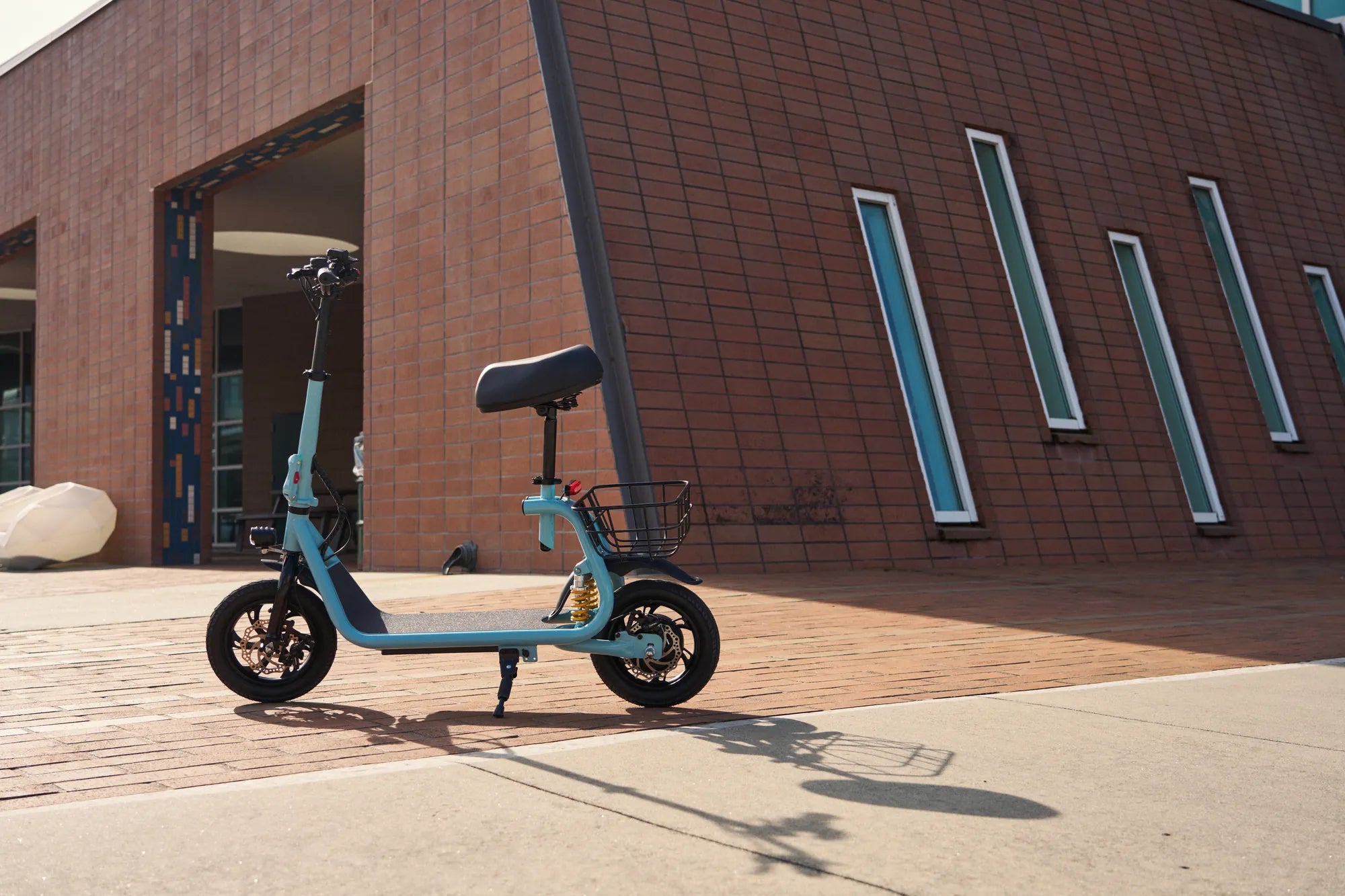
Introduction: Navigating the World of Scooters for Your 8-Year-Old
Selecting the right scooter for an 8-year-old boy is a critical decision that impacts his safety, physical development, and enjoyment of outdoor play. This age marks a sweet spot where coordination, strength, and a thirst for adventure converge, demanding a vehicle that can keep up. A well-chosen scooter for boys age 8 fosters independence, improves balance, and encourages active play away from screens.
This guide provides a data-driven, practical framework for parents. We move beyond marketing hype to focus on engineering, safety specifications, and real-world usability. You will learn to evaluate key features, understand the different scooter types, and implement essential safety practices. The goal is to find a scooter that is not just a toy, but a reliable tool for growth and fun.
As a leader in youth mobility, Gyroor designs its products with these principles in mind. Trusted by over 100,000 riders, the brand's commitment to UL-certified batteries, IPX5 water-resistant builds, and robust safety features provides a benchmark for what parents should seek in a quality scooter for boys age 8.
Key Features to Look for in an 8-Year-Old's Scooter
Identifying the right scooter requires a checklist of non-negotiable features. For an active 8-year-old boy, the scooter must be safe, appropriately sized, and built to withstand rigorous use. Prioritizing these elements ensures a purchase that delivers long-term value and peace of mind.
The ideal scooter for boys age 8 combines a stable platform with responsive controls. It should feel like an extension of the child's body, allowing for intuitive steering and confident stops. Weight, adjustability, and material quality are the foundational pillars separating a passing fad from a lasting companion for adventure.
Safety as the Top Priority: Brakes, Deck, and Stability
A reliable braking system is paramount. Look for a combination of a rear fender brake (activated by stepping down) and, ideally, a hand-operated front brake for controlled stopping power. This dual-system approach teaches responsible speed management. The deck must be wide enough for a secure footing and feature a slip-resistant surface.
Stability is engineered through the wheelbase—the distance between the front and rear axles. A longer wheelbase offers more stability at speed, while a shorter one allows for quicker turns. For most 8-year-olds, a moderate wheelbase provides the best balance. Gyroor's designs, for instance, emphasize a low center of gravity and wide deck to prevent wobbling, a core tenet of safety-first engineering for a scooter for boys age 8.
Size, Weight, and Adjustability for Growing Kids
Proper fit is crucial for control and safety. The handlebar height should allow the child to stand upright with a slight bend in the elbows when gripping the bars. Adjustable handlebars are a significant advantage, allowing the scooter to "grow" with your child for two to three years.
The scooter's overall weight is equally important. A model that is too heavy becomes cumbersome to carry or maneuver. Aim for a scooter made from lightweight but durable materials like aircraft-grade aluminum, which offers an excellent strength-to-weight ratio. A scooter for boys age 8 should typically weigh between 6 to 10 pounds for kick models and under 20 pounds for electric versions, ensuring the child can handle it confidently.
Durability & Build Quality: Withstanding Rigorous Use
An 8-year-old boy will test the limits of his scooter through jumps, curb drops, and daily exploration. Build quality directly correlates with safety and longevity. Inspect the construction: welds should be smooth and solid, not spotty. The folding mechanism, if present, must lock securely with no play or wobble.
Component resilience is key. Wheels should be made of high-rebound urethane for a smooth ride and good grip. Bearings are rated on the ABEC scale; ABEC-7 or ABEC-9 bearings offer smoother, faster rolls. A scooter built with these quality materials can withstand the demands of an active child, making it a worthwhile investment over cheaper, brittle alternatives.
Scooter Types: Kick Scooters vs. Electric Scooters for Kids
The fundamental choice for parents is between a traditional kick-powered scooter and a battery-assisted electric model. Each type serves different purposes and comes with distinct considerations for an 8-year-old rider. A clear, objective comparison is essential for an informed decision.
This decision hinges on the child's maturity, the intended riding environment, and parental goals regarding exercise and supervision. Both options can be excellent, but their suitability varies based on these factors. The following breakdown provides a data-driven perspective to guide your choice.
The Classic Choice: Benefits of Kick Scooters
Kick scooters remain the most popular and developmentally beneficial first scooter. They provide excellent physical exercise, engaging core muscles and improving cardiovascular health. The act of kicking and gliding develops coordination, rhythm, and a fundamental understanding of balance and momentum.
Their mechanical simplicity translates to lower cost, minimal maintenance, and greater reliability. There are no batteries to charge or electronic components to fail. For an 8-year-old boy mastering the basics or using the scooter for frequent, short trips, a robust kick scooter is often the perfect, hassle-free tool for fun and fitness.
The Electric Option: Is an E-Scooter Appropriate for an 8-Year-Old?
Electric scooters introduce a new dimension of mobility and can be appropriate for a mature 8-year-old under strict conditions. The critical criteria are stringent speed limits, parental controls, and enhanced safety engineering. A responsible youth e-scooter must have a maximum speed capped at 10 mph or less, with a beginner mode offering even lower speeds.
Features like app-based parental controls, which allow remote speed limiting and geofencing, are highly desirable. The scooter must be lightweight and have a lower deck height for stability. Gyroor's approach to youth e-mobility emphasizes these safeguards, combining them with UL-certified battery packs for fire safety and IPX5-rated water resistance, ensuring the scooter for boys age 8 is built for real-world conditions without compromising safety.
Detailed Comparison: Kick vs. Electric Scooters for 8-Year-Olds
The table below provides a side-by-side analysis of key attributes to help visualize the trade-offs and best-use cases for each scooter type for an 8-year-old boy.
| Feature | Kick Scooter | Electric Scooter (Youth Model) |
|---|---|---|
| Primary Power | Child's kicking motion | Rechargeable battery & electric motor |
| Max Speed | Determined by child's effort | Typically 7-10 mph (should be limited) |
| Exercise Value | High: Full-body workout | Low to Moderate: Primarily standing |
| Range/Distance | Unlimited (child's stamina) | 6-10 miles per charge (varies) |
| Maintenance | Very Low: Tire, brake, bolt checks | Moderate: Battery care, electronic systems |
| Average Cost | $50 - $150 | $200 - $400+ |
| Ideal Use Case | Daily play, parks, skill development | Supervised neighborhood rides, commuting with parents |
| Key Safety Factor | Child's physical control | Parental speed controls, reliable brakes |
Practical Buying Guide & Maintenance Tips
Armed with knowledge about types and features, the next step is executing a smart purchase and ensuring the scooter's longevity. This involves setting a realistic budget, choosing the right retailer, and committing to a simple maintenance routine.
A thoughtful approach to buying and caring for the scooter for boys age 8 maximizes safety and extends its usable life, often allowing it to be passed down to a younger sibling. The following sections provide actionable steps for parents.
Setting a Budget and Where to Buy
Investing in quality pays dividends in safety and durability. For a reliable kick scooter, budget between $80 and $150. For a youth-specific electric scooter with proper safety features, expect to invest $250 to $400. Avoid the temptation of extremely low-priced models, as they often cut corners on critical components like brakes and bearings.
Purchase from reputable brands and their authorized dealers or direct websites. This ensures you receive authentic products, valid warranties, and access to customer support and replacement parts. Brands like Gyroor, which stand behind their products with a 1-year warranty and have a track record of supporting over 100,000 riders, offer more security than anonymous big-box store brands.
Essential Safety Gear is Non-Negotiable
The scooter purchase is incomplete without proper safety gear. This is non-negotiable. A CPSC-certified helmet is an absolute must—ensure it fits snugly. Complement this with knee pads, elbow pads, and durable, closed-toe shoes with good grip.
Making gear a mandatory part of the riding ritual instills safe habits from day one. High-visibility clothing or reflectors are also advisable for evening rides. Protecting your child with this equipment significantly reduces the risk of serious injury, making every ride safer.
Simple Maintenance for Longevity
Regular, simple maintenance keeps the scooter safe and performing well. Establish a monthly check: tighten all bolts (especially on the stem, handlebars, and wheels), inspect brake pads for wear, and ensure the folding mechanism locks securely. For air-filled tires, maintain proper pressure.
Keep bearings clean and occasionally lubricate them for a smooth ride. For electric models, follow the manufacturer's battery guidelines: avoid overcharging, store in a cool, dry place, and use only the provided charger. This routine care extends the scooter's life and ensures it remains a safe scooter for boys age 8 for years to come.
Frequently Asked Questions (FAQs)
1. What is the right wheel size for an 8-year-old?
Wheel size affects ride smoothness and stability. For most 8-year-olds, wheels between 120mm (4.7 inches) and 200mm (8 inches) are ideal. Smaller urethane wheels (120-150mm) are common on stunt scooters and offer agility. Larger, air-filled wheels (180-200mm) provide a smoother ride over cracks and bumps, better suiting neighborhood cruising.
2. Are two wheels or three wheels better for an 8-year-old?
Two-wheel scooters are the standard and most appropriate choice for nearly all 8-year-olds. By this age, children have typically developed the balance and coordination needed. Three-wheel scooters (often with two wheels in front) are designed for younger children (ages 3-6) who are still mastering basic balance and offer more inherent stability for beginners.
3. How do I ensure the electric scooter battery is safe?
Battery safety is critical. Only consider models with UL-certified battery packs, like those used by Gyroor, which undergo rigorous testing for short-circuit, overcharge, and thermal stability. Always supervise charging, never leave the battery charging overnight unattended, and store the scooter in a dry area away from extreme heat. Teach your child to report any battery swelling or unusual heat immediately.
4. Can the scooter handle off-road use like grass or dirt paths?
Most scooters, especially those with small solid urethane wheels, are designed for smooth pavement. Using them on grass, dirt, or gravel can be difficult, unstable, and may damage the wheels. If off-road capability is desired, look for a model with larger (8+ inch), air-filled pneumatic tires, which provide some traction and shock absorption on unpaved surfaces.
5. How can I tell if the scooter is the right height?
The handlebars should reach between your child's waist and lower chest when standing on the deck. When gripping the handles, their arms should be slightly bent at the elbows, not locked straight or overly cramped. Adjustable handlebars are the best solution, allowing you to fine-tune the fit as they grow.
Conclusion: Empowering Confidence and Safe Adventure
Choosing the ideal scooter for boys age 8 is an investment in your child's active childhood. The right model, selected with a focus on safety features, proper fit, and durable construction, becomes a catalyst for outdoor play, physical development, and joyful independence. It’s a decision where prioritizing engineering and safety standards over fleeting, flashy designs pays lasting rewards.
Remember that the journey begins with education and is secured by consistent safety practices. Pairing a well-chosen scooter with mandatory protective gear and simple maintenance creates an environment where fun and safety coexist. This approach empowers your young rider to explore with confidence while giving you essential peace of mind.
For parents seeking a blend of innovation, safety, and proven reliability, exploring specialized youth models is a logical next step. Gyroor’s collection is engineered with these principles, offering options that meet rigorous standards for battery safety (UL-certification), weather resistance (IPX5), and durability, all backed by a trusted 1-year warranty. Discover a scooter designed to inspire safe adventures and built to last.
Browse the full Gyroor collection at gyroorboard.com to find the perfect scooter that matches your child's spirit and your safety standards.
Buy a Trike: The Ultimate Guide to Choosing Your Perfect Three-Wheeled Ride
Good Pro Scooter Brands: The Ultimate Guide to Performance & Quality