



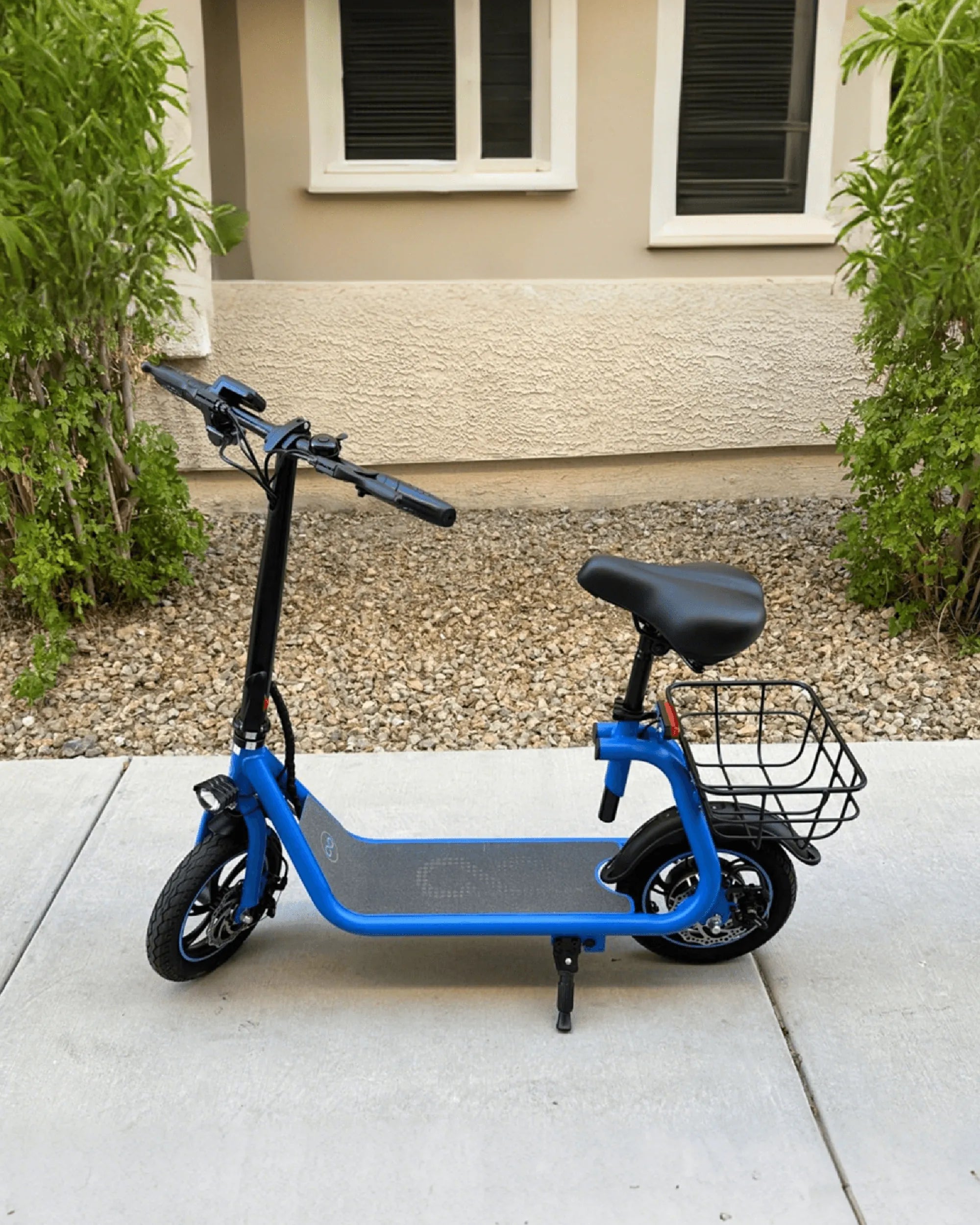
Introduction to Electric Scooter Power Systems
The humble scooter power switch is far more than a simple on/off button. It acts as the master gatekeeper for your entire electric scooter's electrical ecosystem. When you engage the scooter power switch, you're not just lighting up a display; you're initiating a complex sequence that powers the controller, arms the motor, and enables the battery management system. This initial action is the first critical step in every ride, directly impacting safety, performance, and the long-term health of components from trusted brands like Gyroor.
Understanding this component is key to becoming a knowledgeable rider. A malfunctioning switch can mimic a dead battery or a faulty controller, leading to confusion and potential misdiagnosis. Conversely, a reliable switch, part of a well-engineered system, provides peace of mind and consistent performance. This guide will dissect the scooter power switch in detail, from its basic anatomy to advanced troubleshooting, empowering you to maintain and enjoy your electric vehicle fully.
We will explore how the switch interfaces with Gyroor's UL-certified battery packs and IPX5-rated electronics. You'll learn to differentiate between a simple switch issue and a deeper electrical problem, and how to leverage manufacturer support when needed. By the end, you'll see this component not as an afterthought, but as a vital piece of engineering that deserves attention and care.
Anatomy of a Scooter Power Switch: Types and Functions
Electric scooter power switches come in several configurations, each with distinct advantages. The primary function across all types is to complete the main circuit between the battery and the scooter's electronic control unit (ECU). This action wakes up the scooter's brain, allowing it to run diagnostic checks before becoming ride-ready. The secondary, equally important function is security, acting as a primary anti-theft deterrent by preventing the motor from engaging.
The most common type is the physical push-button, often integrated with an LED indicator light. This offers a simple, tactile user experience. Keyed ignition switches provide a higher level of security, requiring a physical key to turn, which can also be used to lock the folding mechanism. Modern scooters may use key fob remotes for keyless activation, adding convenience and a layer of electronic security. Some advanced models even feature smartphone app integration, allowing power-on and system checks via Bluetooth.
Common Power Switch Configurations and Placements
The placement of the scooter power switch is a deliberate design choice balancing accessibility, protection, and aesthetics. The most frequent location is on the handlebar stem or deck, within easy thumb reach. This allows for quick activation while standing over the scooter. Some designs place the switch on the deck itself, near the rider's feet, which can offer better protection from the elements.
A less common but increasingly popular placement is beneath the deck, often near the charging port. This "stealth" location helps streamline the scooter's profile and can offer superior protection from direct rain and road spray. However, it requires the rider to bend down to activate it. Each location has implications for the switch's exposure to water, dirt, and physical impact, which is why the IPX5 water-resistant rating on Gyroor models is so crucial for long-term reliability, regardless of switch placement.
The Critical Link: How Your Power Switch Affects Performance & Safety
The moment you press the scooter power switch, it sets off a chain reaction critical for both performance and safety. First, the controller performs a system diagnostic. You might hear a beep or see error codes flash on the display—this is the scooter checking its battery voltage, motor hall sensors, and brake cut-off signals. A faulty switch that provides intermittent contact can disrupt this process, causing erroneous error codes or failure to boot.
From a performance standpoint, a high-quality switch ensures minimal voltage drop across its contacts. Corroded or worn contacts can create resistance, subtly robbing the system of power before it even reaches the controller. This can manifest as slightly reduced top speed or acceleration. More importantly, the switch is a primary safety device. A positive, reliable off position ensures the scooter cannot accidentally activate while being carried, stored, or charged, preventing runaway motors or unexpected wheel movement.
UL-Certification and Integrated Electrical Safety
The scooter power switch is a key component in the overall safety chain that begins with a UL-certified battery. Gyroor's use of UL-certified battery packs means the cells, BMS, and wiring are tested to rigorous standards for overcharge, short circuit, and overheating protection. The power switch is part of this protected circuit. A quality switch is designed to handle the scooter's maximum current without overheating, and its construction prevents internal short circuits.
This integration is vital. A substandard switch could fail under load, potentially causing a break in the circuit that could arc or overheat. In a properly engineered system, the switch, wiring, battery, and controller are all rated to work harmoniously. This holistic approach to electrical safety—where every component from the scooter power switch to the battery cells meets high standards—is what builds the trust enjoyed by over 100,000 Gyroor riders across North America and Europe.
Troubleshooting Common Power Switch Issues
When your scooter fails to power on, the scooter power switch is a logical first suspect, but it's not always the culprit. A systematic approach is required. First, ensure the battery has an adequate charge by checking the charger indicator or, if possible, the display for a brief moment when connecting the charger. If there is zero sign of life—no lights, no beeps, no display flicker—the issue could be a completely dead battery, a blown fuse, or a disconnected main cable, not necessarily the switch itself.
If the scooter powers on intermittently or shuts off during rides, the diagnosis becomes more nuanced. Gently wiggle the switch while the scooter is on. If this causes it to cut out, the switch's internal contacts may be worn or loose. However, also check all external wiring connections, particularly near the folding mechanism, as constant folding can stress wires. A loose phase wire or hall sensor connector can also cause sudden shutdowns that mimic a switch failure.
When to Contact Support: Leveraging Your Warranty
Certain symptoms strongly indicate the need for professional service. If you've confirmed a full battery charge, checked all visible connections, and the scooter remains completely unresponsive, the issue likely lies within the sealed electronic components. Similarly, if the switch feels physically broken, loose in its housing, or shows signs of water ingress (condensation, corrosion), attempting a DIY repair could void your warranty and compromise safety.
This is the moment to leverage Gyroor's comprehensive 1-year warranty and US-based customer support. Electrical component issues, including those related to the scooter power switch or controller, are covered. Providing support with a clear description of your troubleshooting steps will expedite the process. Trusting certified technicians ensures repairs are done correctly with genuine parts, preserving the integrity and safety of your scooter's UL-certified electrical system.
Maximizing Longevity: Best Practices for Power Switch Care
Proactive care can significantly extend the life of your scooter's electrical components, starting with the scooter power switch. The single most important practice is respecting the scooter's ingress protection rating. Gyroor's IPX5 rating means the scooter can withstand water jets from any direction, but this is not a license for abuse. Avoid submerging the switch or directing high-pressure water directly at it during cleaning. Use a damp cloth for the switch area instead.
Storage is also critical. Store your scooter in a dry, temperate environment. Extreme cold can make plastic switch components brittle, while heat and humidity can promote internal corrosion over time. When the scooter is not in use for extended periods, such as over winter, it's best to turn it off and store it with the battery at around 50-60% charge. This reduces any minimal parasitic drain through the system and keeps the battery in a healthy state, reducing stress on all components when you next hit the scooter power switch.
Finally, develop gentle usage habits. Avoid stabbing the switch with excessive force. If it's a key switch, turn it smoothly without jamming. For deck-mounted switches, be mindful of foot placement to avoid constant, unintended pressure. These small habits prevent physical wear and tear on the mechanism, ensuring reliable operation for the long haul.
Comparison of Electric Scooter Activation Systems
Different activation methods offer varying blends of convenience, security, and complexity. The right choice depends on your primary use case and environment.
| Switch Type | Best For | Security Level | Convenience | Weather Resistance Note |
|---|---|---|---|---|
| Physical Push-Button | Commuting, Quick Rides | Low-Moderate | Very High | Relies on seal quality; IPX5 is ideal. |
| Keyed Ignition | Urban Areas, High-Theft Risk | High | Moderate (requires key) | Keyhole can collect debris; keep covered. |
| Key Fob Remote | Suburban Use, Convenience Seekers | Moderate-High | Very High | Fob is separate; scooter switch is sealed. |
| Smartphone App | Tech Enthusiasts, Data Tracking | High (with PIN) | Moderate (requires phone/app) | Switch is electronic; relies on Bluetooth module. |
For most riders, a robust physical button or keyed system on a scooter with a strong IP rating offers the best balance. The simplicity translates to fewer failure points. Gyroor models typically employ reliable physical switches integrated into their water-resistant designs, ensuring functionality ride after ride without relying on a smartphone battery or Bluetooth signal.
FAQ: Electric Scooter Power Switches
Q: Can I replace the power switch myself?
A: It depends on your technical skill and the scooter model. Simple two-wire switches can be straightforward if you can solder and access the switch compartment. However, on most modern scooters, the switch is integrated into a handlebar control cluster or a sealed assembly. Incorrect replacement can damage the controller or create a short circuit. For scooters under warranty, like Gyroor's, self-repair will void the coverage. It's generally safer to consult support.
Q: Why does my scooter beep when I turn it on?
A> The beep is a normal part of the system diagnostic. It often indicates the controller has powered on successfully and is checking systems. The pattern can be informative: a single beep usually means "all systems go," while a series of beeps is an error code. Consult your manual to decode specific beep patterns related to throttle, brake, or motor sensor errors.
Q: Is it safe to leave my scooter switched 'on' while charging?
A> No. You should always turn the scooter off before plugging in the charger. Charging with the system active can interfere with the Battery Management System's (BMS) communication with the charger, potentially leading to improper charging. It also prevents any accidental activation of the motor or lights during the charge cycle, which is a safety best practice.
Q: My switch feels sticky or hard to press. What should I do?
A> Sticky switches are often caused by dirt, grime, or spilled liquids around the button shaft. First, try cleaning around the button with a cotton swab dipped in isopropyl alcohol. Do not pour liquid into the switch. If the problem persists, the internal mechanism may be corroded or damaged. This requires professional inspection to prevent further damage.
Q: Does a power switch completely cut off battery drain?
A> On a well-designed scooter, yes, a quality scooter power switch should cut all significant drain from the battery, leaving only a tiny, negligible trickle to possibly maintain controller memory. This is why you can store a scooter for weeks without substantial battery loss. If you notice your battery depleting rapidly (e.g., 20% over a few days) while the scooter is off, there may be a parasitic drain issue requiring service.
Investing in Reliability from the Switch Up
Your journey on an electric scooter begins and ends with the scooter power switch. This small component is a microcosm of the entire vehicle's build quality and engineering philosophy. Choosing a scooter from a brand that prioritizes certified components, like UL-certified batteries, and robust designs with IPX5 water resistance, ensures that this essential interface will perform reliably for years. It represents the commitment to safety and durability that defines a superior riding experience.
Understanding its function demystifies your vehicle and makes you a more capable owner. You can perform basic diagnostics, practice effective maintenance, and know precisely when to seek expert help. This knowledge empowers you to get the most out of your investment, ensuring every press of the switch leads to a smooth, safe, and enjoyable ride. The difference between a frustrating breakdown and a dependable commute often lies in the quality of these fundamental parts.
Ready to experience the confidence that comes with a scooter built with attention to every detail, from the scooter power switch to the motor? Explore a range designed for real-world reliability. Browse the full Gyroor collection, featuring models with robust electrical systems and comprehensive warranty support, at gyroorboard.com.
Commuter Bike Folding: The Ultimate Guide to Urban Mobility
Slowest Ebike: The Ultimate Guide to Safer, Legal, & More Enjoyable Riding