



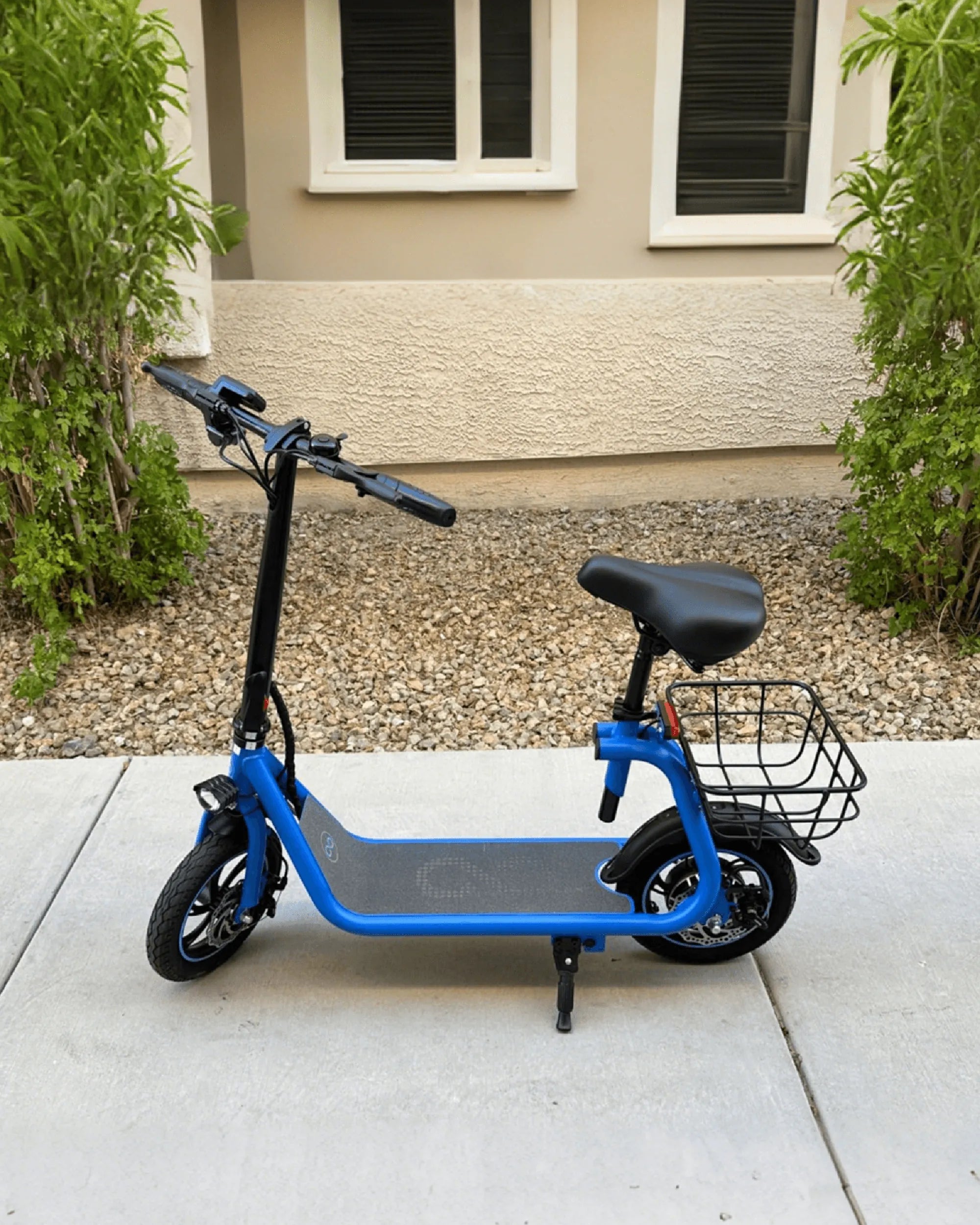
Imagine zipping through city streets, bypassing traffic jams, and reducing your carbon footprint—all with the tap of an app. Scooter sharing has emerged as a game-changer in urban mobility, providing a seamless way to navigate crowded cities while promoting sustainability. Whether you're a daily commuter or a weekend explorer, scooter sharing offers a flexible and fun solution to modern transportation woes.
The Rise of Scooter Sharing
Scooter sharing burst onto the scene in the late 2010s, quickly becoming a staple in urban environments worldwide. Unlike traditional bike-sharing programs, scooters are lightweight, easy to maneuver, and require minimal parking space. Their electric counterparts have further amplified their appeal, offering a silent, emission-free ride that aligns with growing environmental consciousness.
Benefits of Scooter Sharing
Scooter sharing isn't just a trend—it's a transformative force in urban transportation. Here's why:
1. Convenience
With scooter sharing, users can locate and unlock a scooter in seconds using a smartphone app. No more waiting for buses or searching for parking spots. Scooters are designed for short trips, making them ideal for last-mile connectivity.
2. Eco-Friendly
Electric scooters produce zero emissions, helping cities reduce their carbon footprint. By opting for scooters over cars, riders contribute to cleaner air and less traffic congestion.
3. Cost-Effective
Scooter sharing is often cheaper than ride-hailing services or owning a personal vehicle. Pay-per-minute pricing models make it affordable for occasional users, while subscription plans cater to frequent riders.
4. Health Benefits
While electric scooters do most of the work, standing and balancing still engage core muscles. For those who prefer manual scooters, the physical activity adds a healthy boost to daily routines.
Challenges and Solutions
Despite its advantages, scooter sharing faces several hurdles:
1. Safety Concerns
Accidents and injuries have raised questions about scooter safety. Cities and operators are addressing this by implementing speed limits, designated lanes, and mandatory helmet campaigns.
2. Clutter and Parking
Improperly parked scooters can obstruct sidewalks. To combat this, many programs now require users to take photos of parked scooters to ensure they're placed correctly.
3. Regulatory Hurdles
Some cities have imposed strict regulations or outright bans on scooter sharing. Collaboration between operators and local governments is key to creating sustainable frameworks.
The Future of Scooter Sharing
As technology advances, scooter sharing is poised to become even more integrated into urban landscapes. Innovations like swappable batteries, AI-powered fleet management, and improved durability will enhance user experience and operational efficiency. With cities prioritizing sustainability, scooter sharing could play a pivotal role in reducing reliance on fossil fuels.
Ready to ditch the traffic and embrace a smarter way to get around? Scooter sharing isn't just a ride—it's a movement toward a greener, more connected future. Join the revolution today and experience the freedom of urban mobility like never before.
Average Cost of a Scooter: What You Need to Know Before Buying
E-Scooter 90 km/h: The Future of High-Speed Urban Mobility