


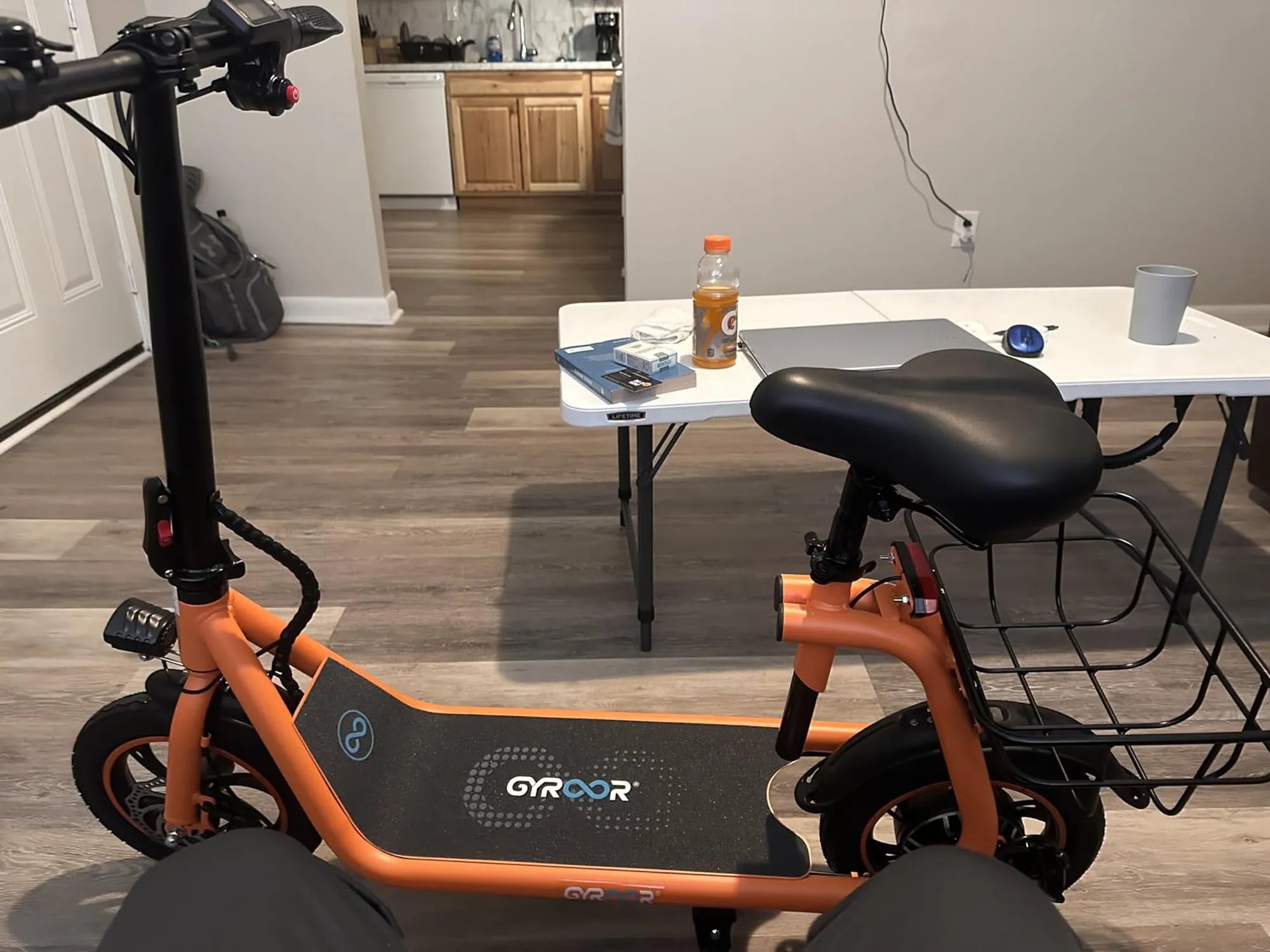
Introduction: What Are "Scooter Things"?
The term "scooter things" encompasses the entire ecosystem of accessories, modifications, tools, and knowledge that surrounds the core act of riding an electric scooter. It's the difference between simply owning a vehicle and curating a personalized, safe, and efficient mobility experience. These scooter things are not mere add-ons; they are integral components that enhance safety, extend the lifespan of your investment, and solve the practical challenges of daily riding.
This guide will dissect the world of scooter things into logical categories, from non-negotiable safety gear to performance-enhancing upgrades and essential maintenance kits. Whether you're a new rider or a seasoned commuter, understanding these elements is key to unlocking the full potential of your electric scooter. We'll provide data-driven recommendations to help you prioritize your investments wisely.
Riding an electric scooter is more than a mode of transport; it's a lifestyle choice that demands smart preparation. The right scooter things can mean the difference between a stressful commute and an enjoyable journey, between a minor incident and a serious injury. Let's begin by exploring the most critical category: your personal safety equipment.
Essential Safety Gear and Accessories
Safety is the absolute foundation of a positive riding experience. This category of scooter things is non-negotiable and should be considered part of the initial purchase price of your scooter. Investing in certified protective gear is an investment in your long-term well-being.
The Helmet: Your Most Important Investment
A helmet is the single most important piece of safety equipment you can own. Data from safety boards consistently shows that head injuries are among the most severe in micromobility accidents. Not all helmets are created equal for scooter riding.
For electric scooters, consider helmets designed for cycling or mountain biking, which are rated for impacts at similar speeds. Look for certifications like CPSC (U.S.) or CE EN1078 (Europe). Full-face helmets offer the most comprehensive protection for your jaw and face, while quality multi-impact helmets provide lasting safety. This is one scooter thing where you should never compromise on quality or fit.
Visibility Enhancers: Lights, Reflectors, and High-Vis Gear
Being seen is a critical component of being safe. Even if your scooter has built-in lights, supplemental lighting is a crucial upgrade. A bright, focused headlight (300+ lumens) illuminates your path, while a solid or flashing rear light alerts traffic from behind.
Consider adding LED wheel lights or under-deck lighting to increase your side profile visibility. Reflective tape on the stem, deck, and helmet, along with a high-visibility vest or jacket, dramatically increases your visibility in dawn, dusk, or night conditions. These scooter things are inexpensive but provide an immense safety return.
Protective Apparel: Beyond the Helmet
While a helmet protects your head, your body needs defense too. Durable gloves protect your hands in a fall and improve grip, reducing hand fatigue. Knee and elbow pads are essential for beginners and those riding in urban environments with unpredictable surfaces.
For regular commuters, investing in abrasion-resistant clothing or jackets with built-in padding can make a significant difference. These items don't just protect; they also extend your riding season by providing warmth and weather resistance. Viewing apparel as part of your scooter things toolkit is a mark of a responsible rider.
Performance and Practicality Upgrades
Once safety is addressed, the next layer of scooter things focuses on enhancing comfort, convenience, and functionality. These upgrades solve everyday problems and make your scooter a more versatile tool for life.
Phone Mounts and Navigation
A secure, vibration-dampening phone mount is a game-changer. It allows for safe GPS navigation, lets you monitor your speed or battery level via the scooter's app, and can even enable hands-free calls. The key is security; a poor-quality mount can launch your phone onto the pavement.
Look for mounts with robust clamping mechanisms and rubberized grips. This simple scooter thing transforms your ride from a guessing game into a connected, informed journey, all while keeping your eyes on the road and your hands on the handlebars.
Storage Solutions: Bags, Baskets, and Hooks
One of the main limitations of scooters is cargo capacity. Practical storage solutions turn your scooter into a true errand-runner. Options range from simple handlebar bags or hooks for a grocery bag to more permanent installations like a rear rack or a front-mounted basket.
For commuters, a waterproof backpack or a frame bag that attaches to the stem can carry a laptop, change of clothes, and lunch. Integrating storage into your collection of scooter things adds immense daily utility, reducing the need for a secondary vehicle for small trips.
Comfort Modifications: Seat Kits and Suspension
Rider comfort directly impacts how far and how often you'll use your scooter. For stand-up scooters, an aftermarket seat kit can be a revelation for longer commutes. Ensure any seat is compatible with your scooter's model and weight rating.
Suspension upgrades, such as replacement shock absorbers or a suspension seat post for seated scooters, can smooth out bumps and reduce fatigue on rough city streets. While not all scooters are designed for aftermarket suspension, for those that are, it's a highly valued scooter thing that enhances ride quality.
Maintenance and Care Essentials
Proper maintenance is the scooter thing that ensures longevity, reliability, and safety. A well-maintained scooter performs better and is less likely to fail unexpectedly. This category includes both tools and consumables.
The Basic Toolkit: What You Need On-the-Go
A minimal toolkit is essential for pre-ride checks and minor adjustments. This should include a set of hex keys (Allen wrenches) that match your scooter's fasteners, a set of tire levers, a portable pressure gauge, and a compact air pump.
For more advanced users, carrying a spare inner tube specific to your tire size can save a long walk home. Keeping these tools in a small bag under the deck or in a backpack means you're always prepared. This practical set of scooter things empowers you to handle common issues independently.
Cleaning and Protection Kits
Regular cleaning prevents grime from damaging moving parts and electrical connections. A simple kit includes a soft brush, microfiber cloths, mild detergent, and isopropyl alcohol for cleaning contacts. Avoid high-pressure water, especially on electrical components.
For additional protection, consider a silicone-based spray for metal parts to inhibit rust and a protectant for rubber seals. Regular cleaning, part of your routine scooter things care, not only keeps your ride looking new but also allows you to spot potential problems like loose bolts or worn tires early.
Battery Care and Charging Best Practices
The battery is the heart of your electric scooter. Following best practices extends its life and maintains performance. Always use the manufacturer-provided charger. For instance, Gyroor scooters use UL-certified chargers specifically designed for their battery packs, ensuring safe, optimal charging cycles.
Avoid storing your scooter with a fully depleted or 100% charged battery for long periods; a 40-80% charge is ideal for storage. Keep the battery and scooter away from extreme heat or cold. These simple habits are the most important intangible scooter things you can practice.
Data-Driven Comparison: Must-Have vs. Nice-to-Have
To help prioritize your spending, here is a practical comparison of common scooter things based on safety impact, utility, and cost. This table organizes accessories from essential to experiential.
| Accessory | Priority Level | Estimated Cost | Primary Benefit |
|---|---|---|---|
| Certified Helmet | Must-Have | $50 - $200+ | Critical head injury prevention |
| Rear Light / Reflectors | Must-Have | $15 - $40 | Dramatically increases visibility to traffic |
| Basic Toolkit (Hex Keys, Pump) | Must-Have | $20 - $50 | Enables safety checks & minor repairs |
| Sturdy Phone Mount | Recommended | $20 - $40 | Safe navigation & ride data access |
| Storage Bag or Basket | Recommended | $30 - $80 | Adds practical cargo capacity |
| Padded Gloves | Recommended | $25 - $60 | Improves grip, protects hands in a fall |
| Aftermarket Seat Kit | Nice-to-Have | $80 - $150 | Enhances comfort for longer rides |
| Enhanced Lighting System | Nice-to-Have | $50 - $120 | Maximum visibility & style customization |
| Suspension Upgrade Kit | Nice-to-Have | $100 - $250+ | Improves ride comfort on rough terrain |
FAQ: Your "Scooter Things" Questions Answered
Q: Is a phone mount really necessary, or is it just convenient?
A: Beyond convenience, a secure mount is a major safety tool. It prevents the dangerous distraction of holding your phone and allows you to keep your head up and eyes forward while using navigation. It's a highly recommended scooter thing for any rider using their scooter for navigation or trip tracking.
Q: Can I use a faster, third-party charger with my electric scooter?
A> No. You should only use the charger provided by the manufacturer. Using an incompatible charger can damage the battery's management system, cause overheating, and void the warranty. Brands like Gyroor design their UL-certified chargers to deliver the precise current and voltage their battery packs require for safe, long-term operation.
Q: How often should I check my tire pressure?
A> For pneumatic (air-filled) tires, check pressure at least once a week and before any longer ride. Proper inflation is crucial for battery efficiency, ride comfort, grip, and preventing pinch flats. It's one of the simplest yet most impactful maintenance scooter things you can do.
Q: Are aftermarket seats and suspension kits safe and reliable?
A> They can be, but you must ensure compatibility. Purchase from reputable sellers, verify the product is designed for your specific scooter model and weight capacity, and follow installation instructions meticulously. An improperly installed seat or suspension can compromise steering geometry and structural integrity.
Q: What's the one "scooter thing" I should buy first after getting a helmet?
A> After a helmet, invest in a high-quality rear light if your scooter's built-in light is not exceptionally bright. Being seen from behind is a critical, often overlooked, aspect of urban safety. It's a low-cost, high-impact addition to your scooter things collection.
Conclusion: Building Your Perfect Ride
Curating your personal set of scooter things is an ongoing process that directly correlates with your safety, enjoyment, and the longevity of your vehicle. Start with the non-negotiable foundation: certified safety gear like a helmet and lights. Then, layer on practical upgrades that solve your specific needs, whether it's storage for errands or a phone mount for navigation.
Remember, the most important scooter things aren't always physical products; they are the habits of regular maintenance, safe charging, and attentive riding. By investing in quality accessories and adopting diligent care practices, you transform a standard electric scooter into a reliable, personalized extension of your daily life. Your journey is defined not just by the scooter you ride, but by the smart choices you make around it.
Ready to equip your ride with confidence? Start with a foundation of quality and safety. Browse the full Gyroor collection at gyroorboard.com to explore electric scooters and e-bikes built with UL-certified batteries, IPX5 water-resistant designs, and backed by a reliable 1-year warranty—the perfect platform for all your essential scooter things.
Folding Trike Bike: The Ultimate Guide to Stability, Portability & Freedom
Mobility Scooter for Young Adults: A Modern Guide to Freedom & Practicality