

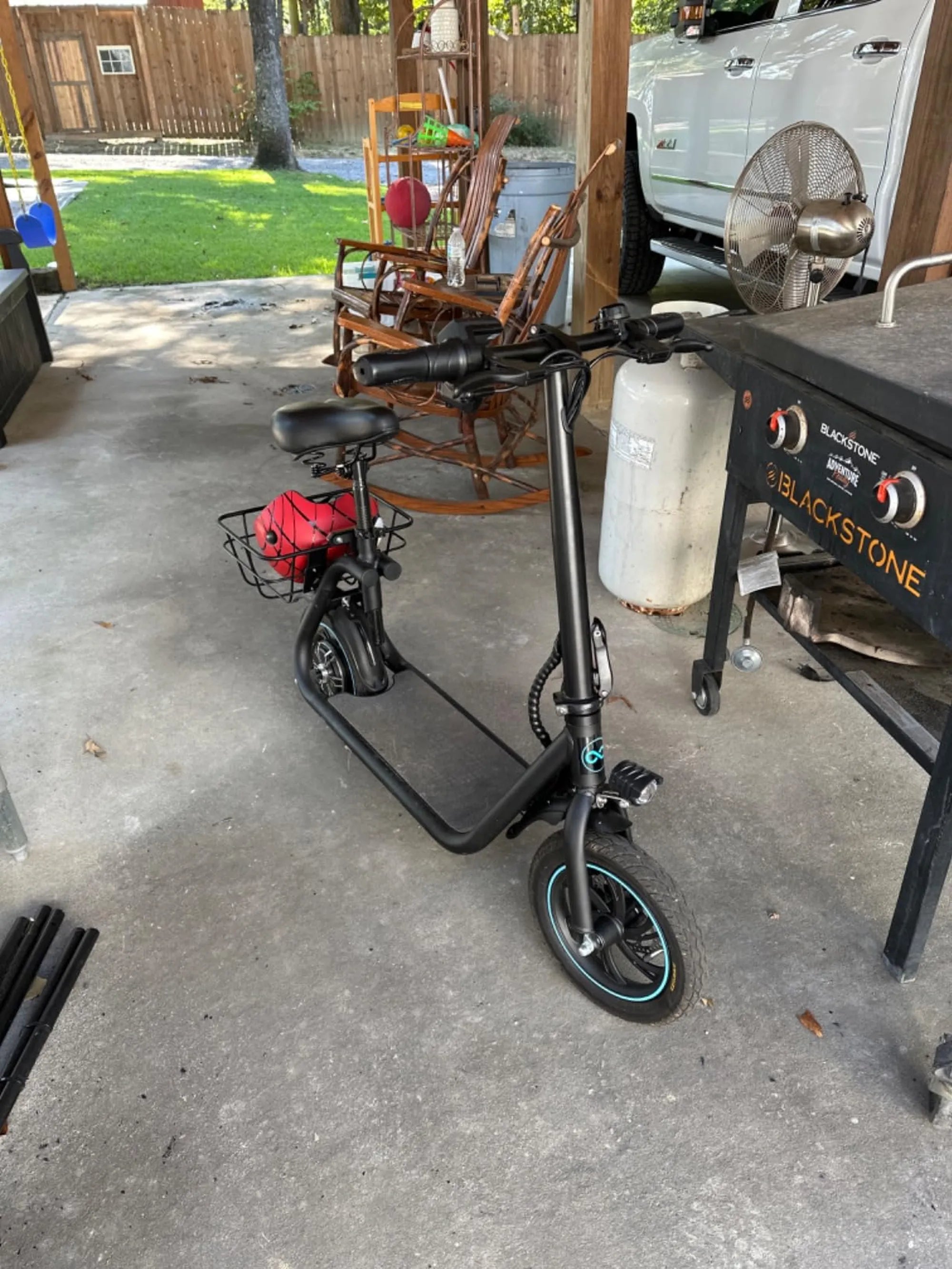
When it comes to urban commuting, the debate between scooters and bikes is hotter than ever. Both offer unique advantages, but which one is right for you? Whether you're a speed enthusiast, an eco-conscious rider, or someone just looking for a convenient way to get around, this guide will help you weigh the pros and cons.
Cost Comparison
One of the first factors to consider is cost. Scooters tend to be more expensive upfront, with higher purchase prices and maintenance costs due to their mechanical complexity. Bikes, on the other hand, are generally cheaper to buy and maintain. However, scooters may save you money in the long run if you're using them to replace car trips, thanks to their fuel efficiency.
Convenience and Portability
Bikes are lightweight and easy to carry, making them ideal for multi-modal commutes. You can easily fold a bike and take it on public transport or store it in small spaces. Scooters, especially electric ones, are bulkier and harder to transport. However, scooters offer the advantage of not requiring physical exertion, which can be a game-changer for those with long commutes or hilly routes.
Environmental Impact
If sustainability is a priority, bikes are the clear winner. They produce zero emissions and require no fuel. Scooters, especially gas-powered models, contribute to air pollution. Even electric scooters have an environmental footprint due to battery production and disposal. That said, both options are far greener than driving a car.
Speed and Efficiency
Scooters generally outperform bikes in terms of speed, especially over longer distances. Electric scooters can reach speeds of up to 30 mph, while bikes rely on human power. However, bikes can be faster in heavy traffic since they can navigate through tighter spaces and aren't restricted by road rules in the same way scooters are.
Safety Considerations
Safety is a critical factor. Bikes are often seen as safer because they're slower and more maneuverable. However, scooters come with built-in lights and sometimes even turn signals, which can enhance visibility. Both require helmets and proper gear, but scooters may offer better protection in collisions due to their sturdier frames.
Health Benefits
Bikes provide a full-body workout, improving cardiovascular health and muscle tone. Scooters, unless they're kick scooters, offer little to no physical exercise. If fitness is a priority, a bike is the better choice. But if you're looking for a low-effort commute, a scooter might be more appealing.
Parking and Storage
Bikes are easier to park and store, especially in urban areas with limited space. Many cities offer bike racks, and some workplaces provide indoor storage. Scooters, particularly larger models, may require dedicated parking spots or garages, which can be a hassle in crowded cities.
Weather Resistance
Neither option is ideal in extreme weather, but bikes can be more challenging to ride in rain or snow due to slippery surfaces. Scooters, with their enclosed designs, may offer slightly better protection from the elements. However, both can be dangerous in poor weather conditions.
Legal Restrictions
Laws vary by location, but scooters often face stricter regulations. Some cities require licenses, insurance, or specific road usage rules for scooters. Bikes, on the other hand, are usually subject to fewer restrictions, making them a more flexible option.
Personal Preference
Ultimately, the choice between a scooter and a bike comes down to personal preference. Consider your daily route, physical fitness, budget, and environmental concerns. Test both options if possible to see which feels more comfortable and practical for your needs.
Ready to make your decision? Whether you choose a scooter or a bike, you're taking a step toward a greener, more efficient commute. The best part? You'll never have to worry about parking fees or traffic jams again!
Cheapest Dirt Bike Parts: How to Save Money Without Sacrificing Quality
Trike Conversion Kit: Transform Your Bike into a Stable Three-Wheeler