



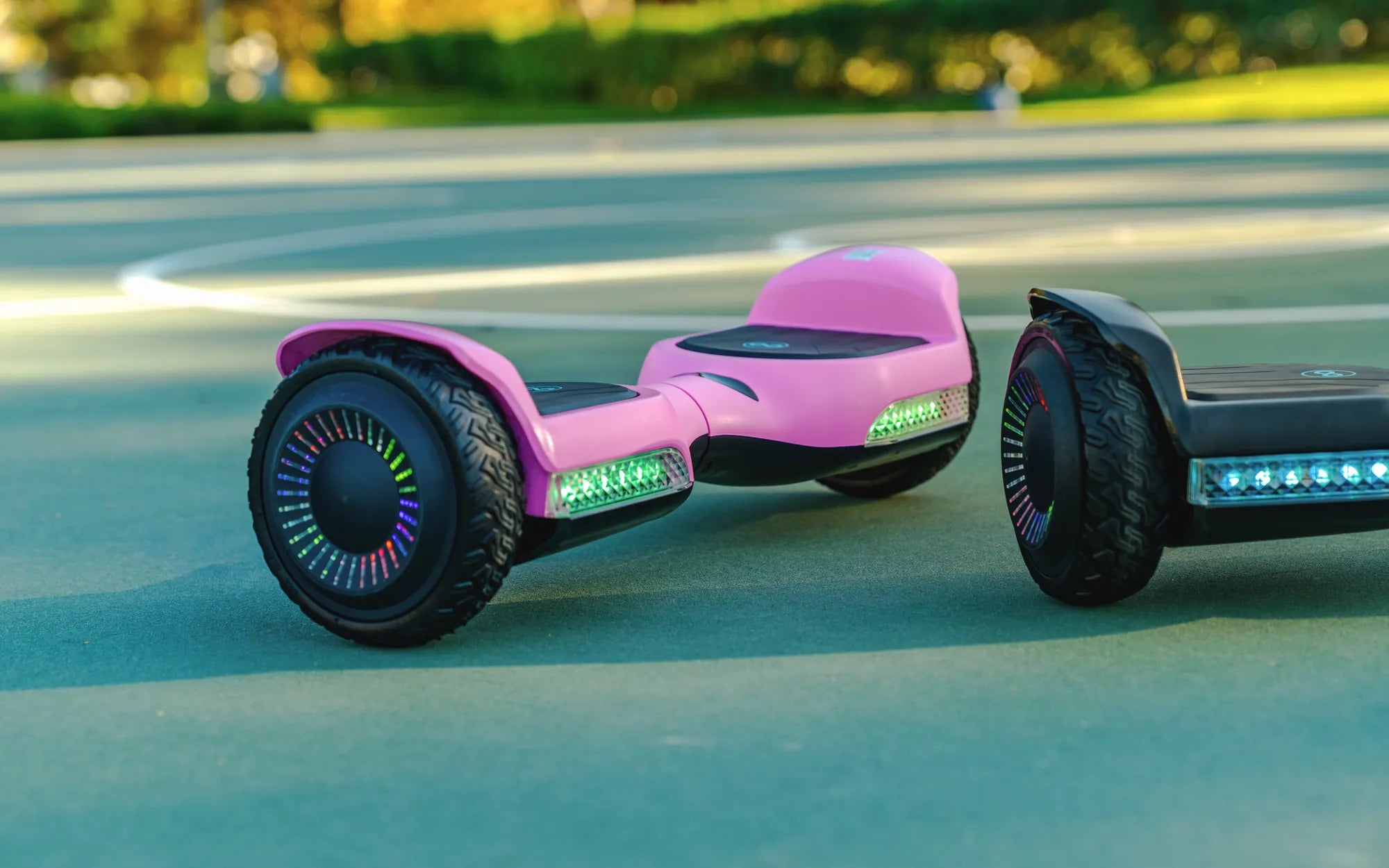
Introduction to Self-Balancing Hoverboards
The self-balance electric hoverboard has evolved from a futuristic novelty into a practical and exhilarating mode of personal transport. At its core, it's a two-wheeled, battery-powered platform that uses gyroscopic sensors and microprocessors to automatically maintain stability based on the rider's subtle weight shifts. This intuitive control mechanism allows for forward, backward, and turning movements with remarkable fluidity.
This technology represents a significant leap in micro-mobility, offering a unique solution for short-distance travel. Brands like Gyroor have been instrumental in advancing the category, moving beyond gimmicks to create reliable, high-performance vehicles. The modern self-balance electric hoverboard is engineered for daily use, blending fun with genuine utility for commuters, students, and urban explorers alike.
The journey from concept to mainstream adoption has been fueled by advancements in battery safety, motor efficiency, and durable construction. Today's models are designed to be a legitimate part of the urban transport ecosystem. As cities become more congested, the appeal of a compact, zero-emission personal vehicle continues to grow exponentially.
Understanding this device is the first step to recognizing its potential. It's not merely a toy but a sophisticated piece of personal technology. With proper safety features and responsible use, the self-balance electric hoverboard stands as a compelling symbol of modern, efficient mobility.
Why the Self-Balancing Hoverboard is Gaining Momentum
Several powerful societal and economic trends are converging to propel the self-balancing hoverboard into the spotlight. Urban congestion is a primary driver, as traditional cars become increasingly inefficient for short trips under five miles. The "last-mile" problem—the gap between public transit stops and final destinations—finds an elegant solution in a device that can be carried onto a train and then ridden the final leg.
Rising fuel costs and a growing cultural emphasis on sustainability make electric alternatives more attractive. A self-balance electric hoverboard produces zero direct emissions and operates at a fraction of the cost per mile compared to a gasoline-powered vehicle. This economic argument is compelling for students, commuters, and anyone looking to reduce their carbon footprint and transportation expenses.
The cultural shift towards micro-mobility is undeniable. Cities are increasingly designing infrastructure for bikes, scooters, and other small electric vehicles. The hoverboard fits perfectly into this new landscape, offering a silent, compact, and agile option. Its fun factor cannot be overlooked; it transforms a mundane commute into an engaging experience, promoting an active lifestyle.
Finally, technological maturation has built consumer trust. Early safety concerns, particularly around batteries, have been addressed by reputable brands. With features like UL-certified battery packs and robust warranties, devices like those from Gyroor provide the reliability needed for daily adoption. This combination of practicality, economy, and enjoyment solidifies its growing momentum.
The Technology Behind the Balance: Gyroscopes and Sensors
The magic of the self-balance electric hoverboard lies in a combination of hardware and software working in real-time. The primary components are gyroscopic sensors, accelerometers, a microprocessor, and electric motors housed in each wheel. These elements create a dynamic stability control system that responds instantly to the rider's input.
Gyroscopic sensors detect the board's angle of tilt in multiple dimensions. When you lean forward, these sensors send data to the central microprocessor. The processor calculates the necessary adjustment and commands the motors to spin the wheels at the precise speed required to move forward while keeping the platform level. Leaning back or shifting weight to one side triggers corresponding adjustments for reverse motion or turning.
This closed-loop system operates hundreds of times per second, creating the sensation of intuitive, effortless control. The learning curve exists not in mastering complex mechanics, but in training your body to trust the technology. Brands like Gyroor invest in precision calibration of these systems to ensure a smooth, responsive, and predictable ride, which is crucial for both beginner confidence and advanced maneuvering.
The sophistication of this sensor suite is what separates high-quality hoverboards from inferior models. Consistent calibration ensures the board reacts predictably to subtle shifts, preventing jerky movements or lag. This technological foundation is why the modern self-balance electric hoverboard is a viable transport tool, not just a novelty item.
Environmental and Economic Benefits
The environmental case for the self-balance electric hoverboard is straightforward and powerful. As a fully electric device, it produces zero tailpipe emissions, contributing to cleaner air and reduced noise pollution in urban environments. Its energy efficiency is exceptional, requiring only a small amount of electricity to recharge, often costing mere cents per full charge.
From an economic perspective, the savings are substantial when compared to traditional transportation for short trips. The initial purchase price is quickly offset by eliminating costs for fuel, parking, public transit fares, or rideshare services for daily micro-commutes. The operating cost is negligible, and maintenance typically involves little more than checking tire pressure and keeping the unit clean.
Consider a daily 2-mile round-trip commute. Using a car incurs fuel, wear-and-tear, and potential parking fees. A rideshare could cost $5-$10 per trip. A monthly transit pass represents a fixed cost. A hoverboard, after its upfront cost, handles this commute for virtually free. Over a year, the savings can amount to hundreds or even thousands of dollars, depending on local alternatives.
This combination of ecological and fiscal responsibility resonates strongly with modern consumers. Choosing a self-balance electric hoverboard is a practical declaration of support for sustainable technology. It represents a personal step towards reducing urban congestion and fossil fuel dependence, all while improving one's own financial bottom line.
Choosing Your Gyroor Hoverboard: A Data-Driven Comparison
Selecting the right self-balance electric hoverboard requires matching specifications to your intended use, riding environment, and personal needs. Gyroor offers a range of models designed for different riders, from urban commuters to off-road adventurers. A data-driven approach focuses on key performance metrics rather than just aesthetics.
The primary considerations are speed, range, terrain capability, and rider weight capacity. A commuter might prioritize range and smooth pavement performance, while a recreational rider may seek larger wheels for park paths. Understanding how these specs interact will guide you to the perfect model. Every decision impacts the riding experience and the board's longevity.
Reliability is paramount. This is where brand reputation and construction quality become critical. Gyroor builds its hoverboards with durable materials, integrates safety-certified components, and backs them with strong customer support. The following comparison table and detailed breakdown will help you navigate the options with confidence.
| Model Type | Best For | Max Speed | Max Range | Wheel Size | Key Feature |
|---|---|---|---|---|---|
| Urban Commuter | Pavement, Daily Errands | 10 mph | 12 miles | 6.5" Solid | Lightweight, LED Lights |
| All-Terrain Pro | Trails, Grass, Rough Paths | 12 mph | 15 miles | 8.5" Pneumatic | Off-Road Tread, High Torque |
| Performance Sport | Speed, Agility, Enthusiasts | 12 mph | 10 miles | 7.5" Hybrid | Enhanced Responsiveness |
| Junior/Slim | Younger Riders, Smaller Feet | 7.5 mph | 9 miles | 6.5" Solid | Lower Weight Limit, Safety Mode |
Key Specs to Compare: Speed, Range, and Terrain
Speed specifications, typically between 7 and 12 mph, determine how quickly you can travel. While higher speeds are attractive, local regulations often limit hoverboard use to sidewalk or bike lane speeds, making controllability and acceleration more important than top velocity for most urban settings. Gyroor models offer balanced speed profiles for safe, controlled riding.
Range is arguably the most critical spec for practical utility. Advertised range (e.g., 10-15 miles) is achieved under ideal conditions: a lightweight rider on smooth, flat pavement. Real-world range will be less due to hills, rider weight, temperature, and riding style. For a reliable commute, choose a model whose rated range is at least double your daily round-trip distance.
Terrain capability is defined by wheel size and type. Smaller 6.5-inch solid rubber wheels are standard for smooth pavement, offering low maintenance. For tackling grass, gravel, or uneven sidewalks, 8.5-inch or larger pneumatic (air-filled) tires are essential. They provide shock absorption and traction. Gyroor's all-terrain models feature these robust tires for a comfortable ride on varied surfaces.
Always cross-reference the maximum rider weight capacity with your weight. Exceeding this limit stresses the motors, reduces range and speed, and can void the warranty. Most adult models support 220 to 265 pounds. Choosing a board built for your size ensures optimal performance, safety, and durability, protecting your investment.
Safety and Reliability: Non-Negotiable Features
Safety is the foremost concern when selecting a self-balance electric hoverboard. The single most important component is the battery. Insist on a UL 2272 certified battery pack. This certification means the battery has passed rigorous electrical, mechanical, and environmental stress tests to mitigate fire risk. Gyroor uses exclusively UL-certified batteries, a non-negotiable standard for peace of mind.
Build quality and water resistance are next. A sturdy frame protects internal components from impact. An IPX5 water-resistance rating means the board can withstand low-pressure water jets from any direction. This allows you to ride through puddles or in light rain without fear of immediate damage, though submerging any electric vehicle should always be avoided.
Reliability is proven through warranty and support. A comprehensive 1-year warranty on the board, battery, and motor signals the manufacturer's confidence in its product. Gyroor offers this, backed by accessible customer service. This support network is crucial for troubleshooting, obtaining replacement parts, and ensuring your hoverboard remains operational for years.
Additional safety features include non-slip foot pads, bright LED lights for visibility, and audible warning systems. A good hoverboard will also have a robust battery management system (BMS) to prevent overcharging, over-discharging, and short circuits. When evaluating options, treat these safety and reliability features as mandatory, not optional extras.
Mastering the Ride: From First Steps to Pro Tips
Learning to ride a self-balance electric hoverboard is easier than it looks, but starting correctly is key. Begin in a wide-open, flat area like an empty parking lot or a smooth driveway. Use a railing or a wall for support as you step onto the board, placing one foot at a time and ensuring your feet are near the wheels, not the center.
Focus on finding your balance while holding the support. The board will activate and try to stay level. Gently shift your weight forward by leaning your ankles (not your whole body) to move ahead. Practice stopping by leaning back slightly to a neutral position. Dismount by stepping backward off the board, one foot at a time, always looking behind you first.
Once moving forward and stopping feels comfortable, practice turning. To turn right, gently press your right toes down (or shift weight to your right foot). To turn left, press with your left toes. Start with wide, gradual turns. Most people achieve basic competency within 30-60 minutes of focused practice. Always wear your safety gear during this learning phase.
For advanced riders, efficiency is the goal. Maintain a slight bend in your knees to absorb shocks and improve control. Look ahead in the direction you want to go, not down at your feet. Use smooth, deliberate weight shifts rather than jerky movements. Practice emergency stops and tight turns in a safe area to build muscle memory for unexpected obstacles.
Navigating Regulations and Etiquette
Hoverboard laws vary significantly by city, state, and country. It is the rider's responsibility to know and follow local regulations. Common rules include age restrictions (often 16+), speed limits (frequently aligned with bicycle speeds), and designated riding areas. Many jurisdictions prohibit riding on public roads but allow it on sidewalks, bike paths, and parks.
Always prioritize pedestrian right-of-way. On sidewalks, ride at a walking pace and give audible warning (a polite "on your left") before passing. In shared bike lanes, maintain a predictable line and use hand signals if possible. Avoid crowded pedestrian areas altogether; the compact size of a hoverboard does not grant license to weave dangerously through foot traffic.
Be mindful of private property. Do not ride in shopping malls, stores, or other private establishments unless explicitly permitted. When in doubt, walk your board. This not only shows respect but also prevents accidents and fosters a positive image of hoverboard riders as responsible community members.
Adhering to regulations and practicing good etiquette ensures your safety, the safety of others, and the long-term acceptance of self-balance electric hoverboards as legitimate personal transportation. Being a courteous ambassador for the technology helps pave the way for broader integration into urban mobility plans.
Frequently Asked Questions (FAQ)
Q: How long does it take to learn to ride a self-balance electric hoverboard?
A: Most adults can learn the basics—mounting, dismounting, moving forward, stopping, and gentle turning—within 30 to 60 minutes of practice in a safe, open area. Mastery for confident urban navigation typically takes a few days of regular use.
Q: Are hoverboards safe to ride in the rain?
A: Models with an IPX5 water-resistance rating, like those from Gyroor, are designed to withstand light rain and riding through puddles. However, they are not waterproof and should never be submerged, ridden through deep standing water, or used in heavy downpours. Always dry the board thoroughly after wet use.
Q: What is the weight limit for most hoverboards?
A: Standard adult models typically support riders between 220 and 265 pounds (100-120 kg). It is crucial to check the specific maximum load capacity for your chosen model and not exceed it, as doing so can damage the motors, reduce battery life, and compromise safety.
Q: How do I maintain the battery for maximum longevity?
A> For UL-certified lithium-ion batteries: Avoid fully draining the battery; recharge when it drops to 20-30%. Do not leave it on the charger indefinitely after reaching 100%. Store the board in a cool, dry place, and if storing for more than a month, leave the battery charge at around 50-60%.
Q: Where can I legally ride my hoverboard?
A> Laws vary widely. Commonly permitted areas include sidewalks (at walking speed), bicycle lanes, and park paths. Riding on public roads is often prohibited. Always check your local city ordinances and state laws regarding "electric personal assistive mobility devices" (EPAMDs) or similar classifications before riding in a new area.
The Road Ahead on Two Wheels
The self-balance electric hoverboard has firmly established itself as more than a passing trend. It is a viable, efficient, and enjoyable answer to the growing demands of urban mobility. By solving the last-mile problem, reducing transportation costs, and offering a zero-emission alternative, it represents a smart personal investment in a more sustainable future.
The key to a positive experience lies in choosing a device built with integrity. This means prioritizing verified safety certifications like UL 2272, robust construction with IPX5 water resistance, and the backing of a reliable warranty and customer support team. Gyroor has built its reputation on these pillars, earning the trust of a global community of riders.
As cities continue to evolve, integrating more micro-mobility infrastructure, the role of the hoverboard will only expand. Mastering the ride and practicing responsible etiquette are essential steps in being part of this transportation evolution. The future of personal transportation is diverse, connected, and electric.
Ready to experience the freedom and efficiency of a top-tier self-balance electric hoverboard? Explore Gyroor's full range of high-performance, safety-focused models designed for every type of rider. Find the perfect match for your commute or adventure and join over 100,000 satisfied riders. Browse the full Gyroor collection at gyroorboard.com.
Best Electric Scooter for Kids: A Parent's Ultimate Guide
Why Is My Hoverboard Not Working? Troubleshooting Common Issues