



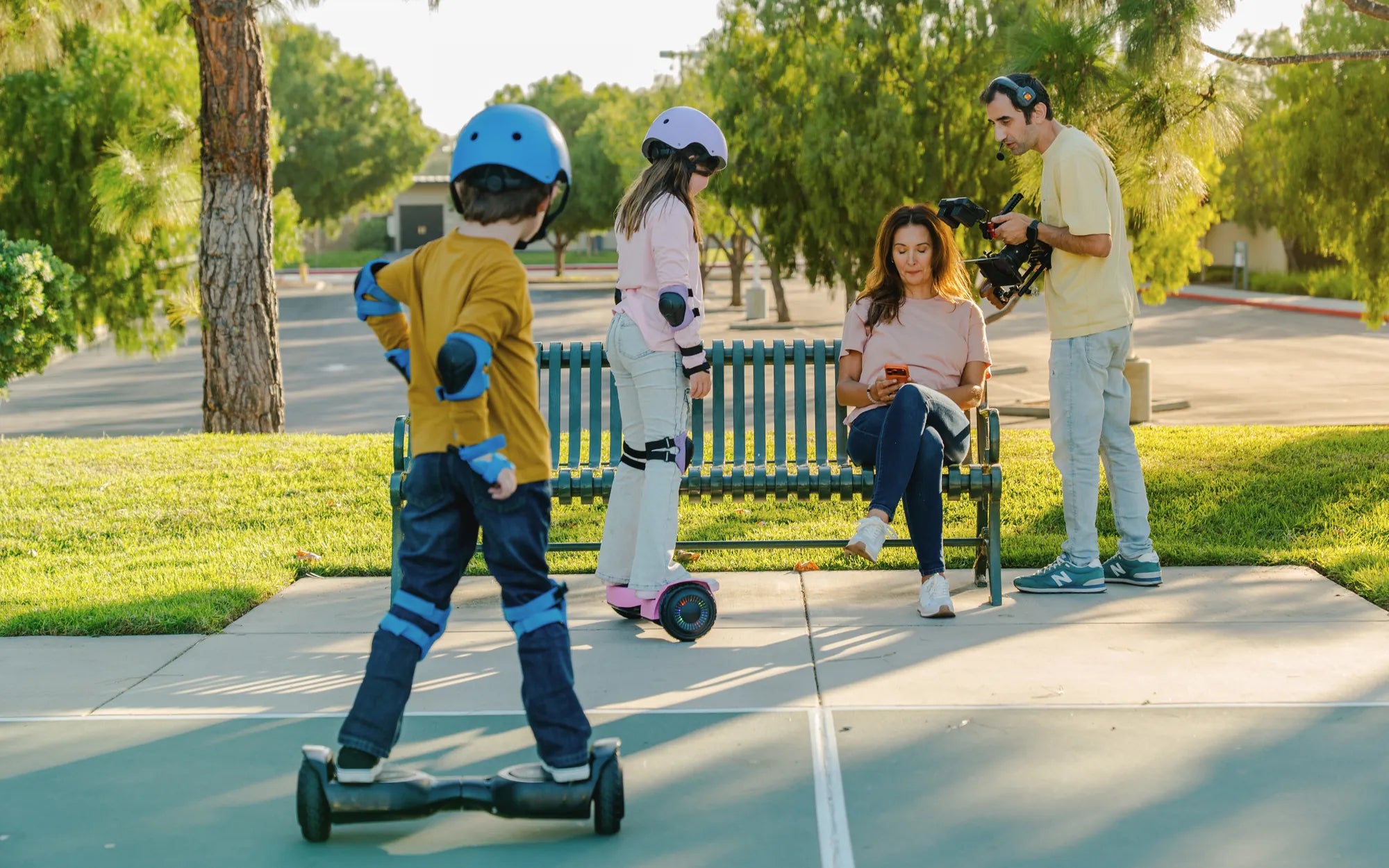
Hoverboards have revolutionized personal transportation, offering a fun and efficient way to get around. But when it comes to choosing between a self-balancing hoverboard vs a non-self-balancing one, the decision isn't always straightforward. Each type has its own set of advantages and drawbacks, depending on your skill level, budget, and intended use. Let's dive into the details to help you make an informed choice.
What Is a Self-Balancing Hoverboard?
A self-balancing hoverboard uses advanced gyroscopic technology to automatically maintain stability. These devices are equipped with sensors that detect your body movements and adjust the board's tilt accordingly. This makes them incredibly user-friendly, especially for beginners who might struggle with balance.
Pros of Self-Balancing Hoverboards
- Ease of Use: Perfect for beginners, as the board does most of the balancing work for you.
- Safety: Reduced risk of falls due to the built-in stabilization features.
- Learning Curve: You can start riding almost immediately with minimal practice.
Cons of Self-Balancing Hoverboards
- Higher Cost: The advanced technology comes at a premium price.
- Limited Customization: Less control over the board's movements compared to non-self-balancing models.
What Is a Non-Self-Balancing Hoverboard?
Non-self-balancing hoverboards require the rider to manually control their balance. These boards lack the gyroscopic sensors found in their self-balancing counterparts, meaning you'll need to rely on your own skills to stay upright.
Pros of Non-Self-Balancing Hoverboards
- Lower Cost: Generally more affordable due to the absence of complex balancing technology.
- Greater Control: Experienced riders can perform tricks and maneuvers more easily.
- Durability: Fewer electronic components mean fewer things that can break.
Cons of Non-Self-Balancing Hoverboards
- Steeper Learning Curve: Not ideal for beginners, as balancing requires practice and skill.
- Safety Risks: Higher chance of falls, especially for inexperienced riders.
Key Differences Between Self-Balancing and Non-Self-Balancing Hoverboards
The primary difference lies in the technology. Self-balancing hoverboards use gyroscopes and accelerometers to keep you upright, while non-self-balancing models rely entirely on your ability to balance. This affects everything from the learning process to the overall riding experience.
Performance and Handling
Self-balancing hoverboards offer smoother rides and are more forgiving of minor mistakes. Non-self-balancing boards, on the other hand, provide a more raw and engaging experience but demand greater skill.
Price and Affordability
Self-balancing models are typically more expensive due to their advanced features. Non-self-balancing hoverboards are a budget-friendly alternative but come with trade-offs in usability.
Which One Is Right for You?
If you're a beginner or prioritize safety and ease of use, a self-balancing hoverboard is the way to go. However, if you're an experienced rider looking for more control and a challenge, a non-self-balancing model might be a better fit.
Choosing between a self-balancing hoverboard vs a non-self-balancing one ultimately comes down to your personal preferences and riding goals. Whether you value convenience or crave a more hands-on experience, there's a hoverboard out there that's perfect for you. Ready to take the plunge?
How to Dismount a Hoverboard Safely and Confidently
Hoverboard Wheel Stuck: Causes, Fixes, and Prevention Tips