


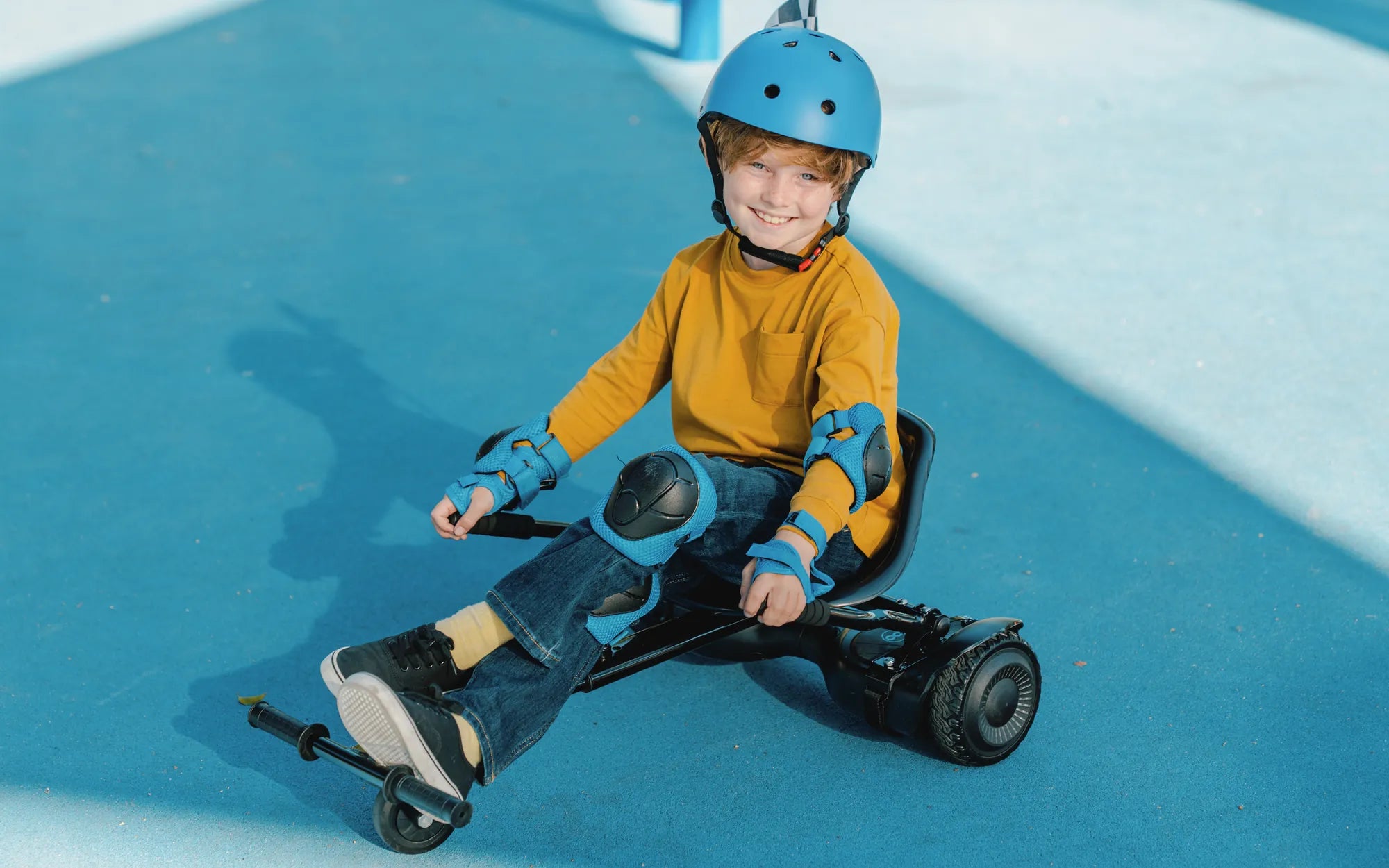
Determining the right self balancing scooter age for a rider is the most critical decision for ensuring safety and long-term enjoyment. This guide provides a data-driven framework, evaluating rider readiness through physical ability, judgment, and proper equipment selection rather than a single calendar number. You will learn age-specific recommendations, non-negotiable safety gear, pre-ride checklists, and how to match Gyroor's engineering—like UL-certified batteries and IPX5 water resistance—to rider profiles for confident, secure riding from first practice to daily commuting.
Introduction: Redefining Age Appropriateness for Self-Balancing Scooters
The question of the correct self balancing scooter age is often oversimplified. Manufacturer suggestions provide a baseline, but safe operation hinges on a composite of developmental readiness. A self-balancing scooter, whether a hoverboard or electric unicycle, demands continuous micro-adjustments in balance, core engagement, and split-second reaction to terrain.
Rider age is a proxy for physical coordination, cognitive maturity to assess risk, and the discipline to wear safety gear. This guide deconstructs these elements, providing a holistic view. Brands like Gyroor design with layered safety features, but the rider's preparedness is the first and most important component.
Our analysis draws on developmental milestones, product safety specifications, and accident prevention data. The goal is to equip parents, guardians, and new riders with a framework to make informed decisions, ensuring that the introduction to personal electric mobility is both thrilling and fundamentally safe.
Understanding the Factors: Why Age is More Than Just a Number
Chronological age offers a rough guideline, but it masks significant individual variation. Two children of the same age can differ vastly in motor skills and risk perception. Therefore, assessing a potential rider requires evaluating three core pillars: physical readiness, cognitive maturity, and size compatibility with the device.
Ignoring these factors and relying solely on a minimum age label can lead to frustration, loss of confidence, or increased risk of injury. A responsible approach involves honest appraisal before purchase, not after a fall. This evaluation is as crucial as checking the scooter's battery certification.
Physical Readiness and Motor Skills
Operating a self-balancing scooter is a full-body activity. It requires adequate core strength to maintain an upright posture, leg strength for control inputs, and well-developed proprioception—the sense of one's body in space. Average developmental milestones suggest these skills coalesce around ages 8-10 for most children.
Key physical indicators include the ability to ride a bicycle without training wheels, demonstrating good balance, and possessing the coordination to catch a ball. Reaction time is also critical; riders must instinctively shift weight to avoid obstacles or stop smoothly. Without this foundation, learning is significantly harder and riskier.
Cognitive Maturity and Judgment
A scooter can go where the rider directs it. Cognitive maturity involves the judgment to direct it safely. This includes understanding and following rules, such as not riding into traffic, yielding to pedestrians, and avoiding steep hills beyond one's skill level.
It also encompasses situational awareness—scanning the path ahead for cracks, debris, or changes in slope—and the ability to resist distractions like phones or headphones. Crucially, it involves the discipline to consistently wear all protective gear, even for "quick" rides, a concept younger children often struggle to internalize.
Weight and Size Considerations
Every self-balancing scooter has strict minimum and maximum weight limits dictated by its motor torque, gyroscopic sensors, and structural design. For example, many Gyroor models have a minimum rider weight of 44 lbs (20 kg) and a maximum of 220 lbs (100 kg).
A rider below the minimum weight may not generate enough force to reliably control the gyroscopes, leading to erratic behavior or failure to activate. Exceeding the maximum weight stresses the motor, battery, and frame, causing premature failure and potential safety hazards like cutouts. Foot size relative to the platform also affects control and comfort.
Age-Specific Guidelines and Data-Driven Recommendations
The following recommendations synthesize developmental data, safety research, and industry insights. They are guidelines; the final decision must involve parental supervision and direct assessment of the individual child's capabilities. The consistent theme is that supervision intensity inversely correlates with age and demonstrated skill.
Young Children (Ages 4-7): Early Exploration with Extreme Caution
For this age group, independent riding of standard self-balancing scooters is strongly discouraged. Their physical coordination and cognitive judgment are typically underdeveloped for the demands of the device. However, supervised introduction in a controlled setting can be possible with specific, child-centric products.
If introducing a scooter, seek models with dedicated beginner modes that limit speed to a walking pace (under 4 mph). The environment must be perfectly flat, soft (like grass), and free of obstacles. The adult must provide physical support, holding the child's hands or a stability harness, focusing on balance sensation rather than independent operation.
Full protective gear is non-negotiable: a properly fitted helmet, wrist guards, and knee and elbow pads. Sessions should be very short (5-10 minutes) to match attention spans. The primary goal is familiarization, not proficiency.
Kids and Pre-Teens (Ages 8-12): Supervised Riding and Skill Building
This is the most common age range for successful introduction to self-balancing scooters. Many children have the necessary physical skills and can begin to understand and follow safety rules. However, active, direct adult supervision remains absolutely essential, especially in the first 10-15 hours of practice.
Practice should start in a confined, private area like an empty parking lot, driveway, or tennis court. The focus should be on mastering mounting/dismounting, gentle acceleration and deceleration, and controlled turns before progressing to slight inclines. Parents should enforce a mandatory gear protocol and establish clear boundaries for where riding is permitted.
Choosing a scooter with a speed limiter or a beginner mode (capping speed at 6-7 mph) is highly advisable. This allows skill development without the temptation of excessive speed. Regular safety conversations about hazard awareness are crucial during this phase.
Teenagers (Ages 13-17): Responsible Independence
Teens are often physically and cognitively capable of operating self-balancing scooters competently. The focus shifts to reinforcing responsible habits for independent riding. This includes strict adherence to local laws, which may dictate where scooters can be ridden (sidewalks vs. bike lanes) and minimum age requirements.
Key discussions must cover distraction avoidance—no phone use or headphones at full volume while riding—and night riding precautions. If riding at dusk or dawn, the scooter must have bright front and rear lights, and reflective clothing is a must. Teens should also learn basic maintenance, like checking tire pressure and battery charge levels.
While supervision becomes less hands-on, parents should periodically review riding routes, ensure gear is worn, and verify the scooter's mechanical condition. This age is ideal for transitioning to more capable models suited for commuting or varied terrain, provided responsibility is demonstrated first.
Adults (Ages 18+): Maximizing Utility and Enjoyment
Adult riders use self-balancing scooters primarily for commuting, recreation, or last-mile transportation. The selection criteria shift to performance: range, speed, comfort over longer distances, and terrain capability. Safety remains paramount, but the onus is on the rider to self-regulate.
Adults should select a scooter matched to their daily needs. An urban commuter needs portability and good range; an off-road enthusiast requires all-terrain tires and robust suspension. Understanding and respecting the vehicle's limits, such as maximum incline angles and safe braking distances, is critical to prevent accidents.
Investing in high-quality safety gear is just as important for adults as for children. A commute alongside traffic demands high visibility and protection. Regular maintenance, like monitoring battery health and tire wear, ensures long-term reliability and safety.
Essential Safety Gear and the Non-Negotiable Pre-Ride Checklist
Safety is an integrated system comprising the rider's gear, the scooter's condition, and the chosen environment. Compromising on any element increases risk exponentially. This protocol is universal, regardless of the rider's age or experience level.
The Mandatory Protective Kit
Every ride requires a full complement of protective equipment. A CPSC-certified bicycle or multi-impact helmet is the single most important item, protecting against traumatic head injury. Wrist guards are critical, as falls naturally lead to outstretched hands; they prevent fractures and severe abrasions.
Knee and elbow pads protect major joints from impact and road rash. For higher-speed or off-road riding, consider additional protection like padded shorts or gloves. The gear must be correctly sized and securely fastened to be effective; loose pads can shift during a fall.
Gyroor's Built-In Safety Features: Your First Line of Defense
The scooter itself must be a reliable partner in safety. Gyroor integrates multiple layers of protection. UL-certified battery packs undergo rigorous testing for overcharge, short-circuit, and thermal stability, directly addressing fire safety concerns that have plagued uncertified brands.
An IPX5 water-resistance rating means the scooter is protected against water jets from any direction, safeguarding electronics against puddles, wet roads, and rain. This prevents sudden cutouts due to water ingress. Combined with a reliable 1-year warranty and robust construction, these features provide a foundation of trust that the hardware will perform as expected under normal conditions.
The 5-Point Pre-Ride Checklist
- Battery & Power: Ensure the battery is adequately charged for your planned trip. Never depart with a critically low charge. Verify all lights are functional.
- Tire Inspection: Check tire pressure (for air-filled tires) and look for signs of wear, cracks, or embedded debris. Proper inflation ensures optimal stability and range.
- Mechanical Integrity: Give the scooter a quick shake. Listen for unusual rattles. Check that the foot platforms are secure and that all screws are tight.
- Gear Fastening: Personally secure your helmet strap, wrist guards, and pads. Do a buddy-check for family members.
- Route & Environment Scan: Plan your route. Check the weather. Avoid known hazardous areas like steep hills, heavy traffic, or poor pavement if you are a beginner.
Choosing the Right Gyroor Self-Balancing Scooter by Rider Profile
Matching the scooter to the rider's primary use case ensures satisfaction and inherent safety. A model ill-suited to its task will be pushed beyond its design limits. Gyroor's range, trusted by over 100,000 riders, offers distinct solutions for different profiles.
| Rider Profile | Recommended Focus | Key Gyroor Features to Prioritize | Ideal Model Type |
|---|---|---|---|
| Young Beginner (Ages 8+ with Supervision) | Stability, Speed Limiting, Durability | Beginner mode, low top speed (≤7 mph), robust frame, responsive customer support for parents. | Entry-level hoverboards with training modes. |
| Commuting Teen or Adult | Range, Portability, Reliability, Visibility | Long-range battery (UL-certified), folding mechanism, bright LED lights, comfortable ride, 1-year warranty for daily use. | Compact electric scooters or advanced hoverboards with carry handles. |
| Off-Road Adventure Seeker | Torque, Traction, Suspension, Weather Resistance | All-terrain tires, high-torque motors, enhanced suspension, IPX5 water-resistance, higher weight capacity. | All-terrain electric scooters or rugged hoverboards. |
Selecting a scooter from a reputable brand with clear specifications and safety certifications is the most important purchasing decision. It ensures the vehicle has been engineered to handle the demands placed upon it, providing a stable platform for skill development.
Maintenance and Care for Long-Term Safety and Performance
Regular maintenance is preventative safety. A well-maintained scooter responds predictably and reduces the chance of mechanical failure. Establish a simple routine that aligns with your riding frequency.
For all scooters, keep it clean and dry. Wipe down the body with a damp cloth after riding in dusty or wet conditions, and always store it in a dry place. Avoid exposing the scooter to extreme temperatures for prolonged periods, as this degrades the battery.
For models with pneumatic tires, check pressure weekly. Under-inflated tires reduce range, make the scooter harder to control, and increase the risk of pinch flats. Inspect tires monthly for wear and replace them when the tread is significantly diminished or if cracks appear.
Battery care is paramount. Follow the manufacturer's charging instructions: use only the provided charger, avoid leaving the scooter plugged in for extended periods after a full charge, and never store it with a completely empty battery. If you notice a significant reduction in range or erratic behavior, contact customer support.
Navigating Local Laws and Community Etiquette
The legal landscape for self-balancing scooters is evolving and varies by city, state, and country. Responsible riding requires knowing and obeying local regulations. Common legal restrictions include minimum age requirements (often 12-16), speed limits (frequently aligned with bicycle limits), and designated riding areas (bike lanes vs. sidewalks).
Even where sidewalk riding is legal, etiquette demands extreme caution. Pedestrians always have the right of way. Slow to walking speed when passing, and give audible but polite warning (a bell or a verbal "passing on your left"). On shared bike paths, ride predictably in a straight line and signal your intentions.
Never operate a self-balancing scooter under the influence of alcohol or drugs. The balance and judgment impairments are magnified, creating severe danger for the rider and others. Set a positive example for younger riders by demonstrating lawful and courteous behavior every time you ride.
Frequently Asked Questions (FAQ)
What is the legal minimum age for riding a self-balancing scooter?
There is no universal law. Legal minimum ages are set by local municipalities or states. Common minimum ages range from 12 to 16 years old. Always check your specific city and state ordinances before allowing a child to ride in public spaces. Manufacturer age recommendations (often 8+) are for the product's capability, not legal permission.
Can my 6-year-old learn to ride with me helping?
With extreme caution and under constant, hands-on supervision, a 6-year-old can be introduced to the sensation of balance on a scooter in a safe, private, soft area. However, they should not operate the device independently. Use a model with a very low-speed beginner mode, and physically support the child. The focus should be on a fun, pressure-free introduction, not skill mastery.
How does Gyroor ensure safety for younger riders?
Gyroor designs safety into its products. Key features include speed-limiting beginner modes on applicable models, robust construction to withstand learning curves, and the fundamental safety of UL-certified batteries and water-resistant electronics. These features create a more forgiving and reliable platform, but they do not replace the necessity of adult supervision and proper protective gear for young riders.
What is the most important piece of safety gear?
A properly fitted, certified helmet is the most critical piece of safety gear. It is the only protection against a catastrophic traumatic brain injury in the event of a fall. No ride, regardless of distance or location, should ever commence without a helmet securely fastened on the rider's head.
Where is the best place for a beginner to practice?
The ideal beginner practice area is a smooth, flat, paved surface in a private, controlled environment. Empty parking lots (on weekends), school playgrounds (after hours), or smooth driveways are perfect. The area should be free of traffic, pedestrians, and major obstacles like curbs or potholes. Grass, while softer, is often uneven and makes initial balance much more difficult.
How often should I perform maintenance on my scooter?
Perform a basic visual and functional check before every ride (the Pre-Ride Checklist). A more thorough maintenance check, including tire pressure inspection, bolt tightening, and cleaning, should be done weekly for frequent riders or monthly for casual riders. Deep maintenance, like brake inspection (on scooters with brakes) or professional servicing, should follow the manufacturer's schedule, typically after 6-12 months of regular use.
Mastering the Balance: Fun Rooted in Safety and Responsibility
The journey with a self-balancing scooter should be defined by joy and freedom, not preventable accidents. Achieving this hinges on the fundamental understanding that the appropriate self balancing scooter age is a multi-factor equation. It combines the rider's demonstrable physical and cognitive readiness, a relentless commitment to full protective gear, a scooter maintained in top condition, and a riding environment suited to one's skill level.
By treating age as a starting point for assessment rather than a definitive green light, parents and riders make safety a proactive choice. Selecting a responsibly engineered scooter from a brand like Gyroor, with its foundational UL certification and robust build, provides the reliable hardware necessary for that choice to be effective. The habits formed during early rides—checking gear, planning routes, respecting limits—become the foundation for a lifetime of safe personal mobility.
Start slow, prioritize control over speed, and gradually expand your horizons as skills solidify. The ultimate goal is to weave safety so seamlessly into the experience that it becomes an unconscious part of the fun, allowing you to confidently explore your world on two wheels.
Ready to find the perfect, safety-engineered self-balancing scooter for your rider's profile? Browse the full Gyroor collection, featuring UL-certified batteries, IPX5 water resistance, and models for every age and adventure at gyroorboard.com.
Best Quality Scooter for Kids: A Comprehensive Guide for Parents
When Can Kids Use a Scooter: A Parent’s Guide to Safe Scooting