

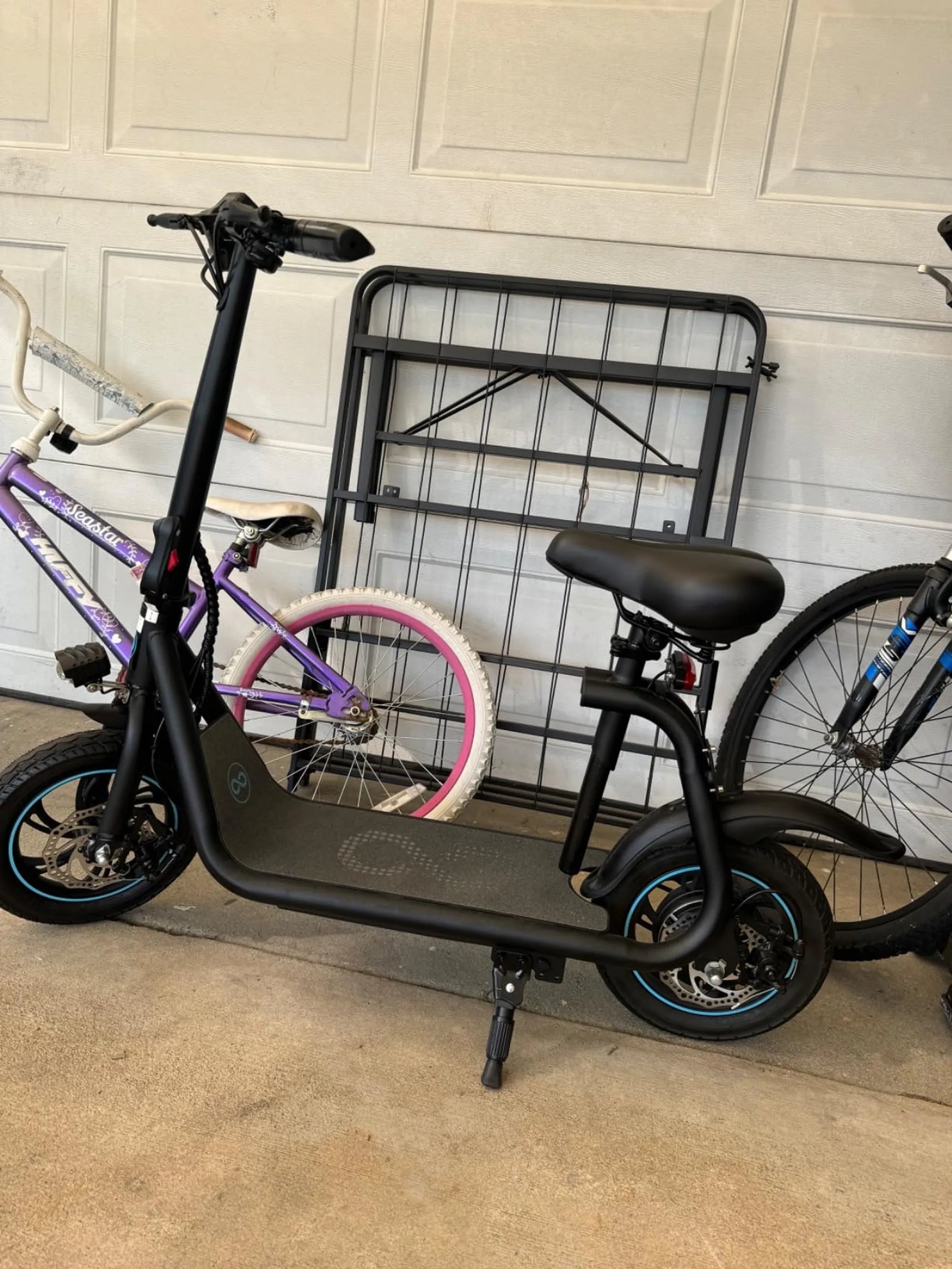
Few things are as frustrating as stepping onto your self-balancing scooter only to find it won't turn on, wobbles uncontrollably, or simply refuses to balance. Whether you rely on it for daily commutes or weekend fun, a broken self-balancing scooter can throw a wrench in your plans. But before you panic or rush to buy a new one, let's explore the most common causes of failure, how to diagnose the problem, and what you can do to prevent future breakdowns.
Common Reasons Why a Self-Balancing Scooter Breaks Down
Self-balancing scooters are complex devices with multiple components that can fail over time. Here are the most frequent culprits behind a malfunctioning scooter:
- Battery Issues – The battery is the heart of your scooter. If it's not holding a charge, your scooter won't function properly. Overcharging, extreme temperatures, or simply old age can degrade battery performance.
- Motor Failure – The motors in each wheel can wear out, especially if you frequently ride on rough terrain or overload the scooter.
- Faulty Gyroscope or Sensors – The self-balancing mechanism relies on gyroscopes and tilt sensors. If these malfunction, the scooter may tilt unexpectedly or refuse to balance.
- Damaged Wiring or Connections – Loose or corroded wires can disrupt power flow, causing erratic behavior or complete failure.
- Software Glitches – Like any smart device, firmware issues can cause unexpected shutdowns or calibration problems.
How to Diagnose a Broken Self-Balancing Scooter
Before attempting any repairs, it's essential to identify the root cause of the problem. Here's a step-by-step guide to troubleshooting:
- Check the Power Supply – Ensure the battery is charged and the charger is working. If the scooter doesn't turn on, try a different power outlet.
- Listen for Unusual Sounds – Grinding or clicking noises may indicate motor or gear issues.
- Test the Balance Function – If the scooter turns on but doesn't balance, the gyroscope or sensors may be faulty.
- Inspect the Wheels – Uneven wear or resistance when spinning the wheels manually could point to motor or bearing problems.
- Look for Error Codes – Many scooters flash error lights to indicate specific issues. Refer to the user manual for interpretations.
DIY Fixes for a Broken Self-Balancing Scooter
If you're comfortable with basic repairs, you might be able to fix some issues yourself:
- Reset the Scooter – Sometimes, a simple reset can resolve software glitches. Turn it off, wait a few minutes, and restart.
- Check and Tighten Connections – Open the casing (if possible) and inspect wiring for loose or corroded connections.
- Clean the Sensors – Dust or debris on the gyroscope can interfere with balance. Gently clean the sensors with a soft cloth.
- Replace the Battery – If the battery is old or swollen, replacing it might restore functionality.
When to Seek Professional Help
While some issues can be fixed at home, others require expert attention. Consider professional repair if:
- The scooter still won't turn on after checking the power supply.
- There are signs of water damage or severe electrical issues.
- The motors or internal components need replacement.
- You're unsure about disassembling the scooter safely.
Preventing Future Breakdowns
To keep your self-balancing scooter running smoothly, follow these maintenance tips:
- Avoid Overcharging – Unplug the scooter once it's fully charged to prolong battery life.
- Ride on Smooth Surfaces – Rough terrain can strain the motors and suspension.
- Keep It Dry – Water exposure can damage electronics. Avoid riding in heavy rain or through puddles.
- Regularly Inspect Components – Check tires, screws, and connections periodically for wear and tear.
- Store Properly – Keep the scooter in a cool, dry place when not in use.
A broken self-balancing scooter doesn't have to mean the end of your rides. With the right troubleshooting steps, some issues can be resolved quickly, while others may need professional intervention. By understanding common failure points and practicing good maintenance habits, you can extend the life of your scooter and enjoy smooth, worry-free rides for years to come.
Buy 100W Electric Scooter: The Ultimate Guide to Affordable and Efficient Commuting
Prestige Electric Scooter: The Ultimate Guide to Luxury and Performance