



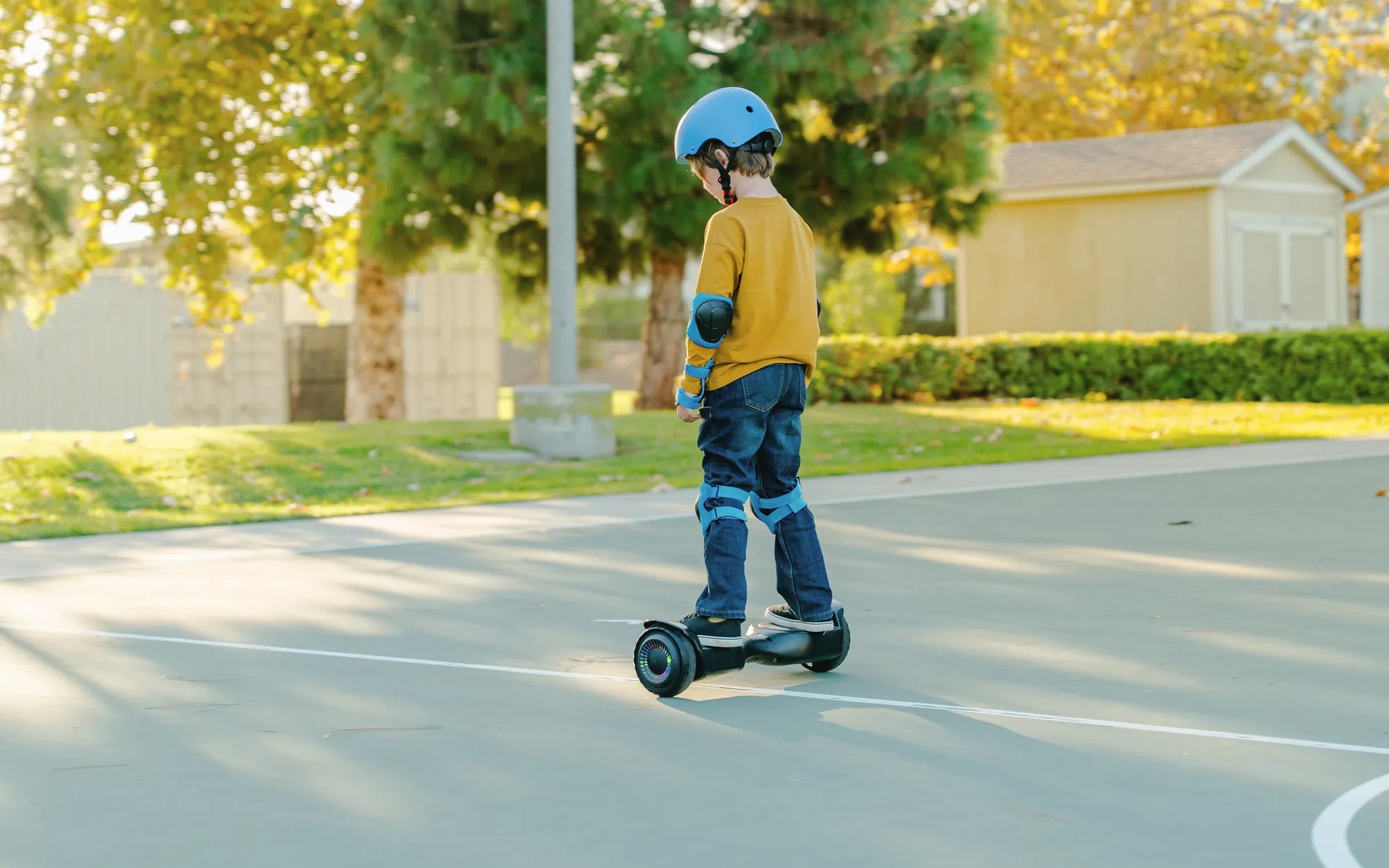
Introduction to Self-Balancing Scooters in Los Angeles
Los Angeles commuters face a daily reality of gridlocked freeways, scarce parking, and sprawling distances. The search for an efficient, cost-effective, and enjoyable urban mobility solution has led many to embrace the self balancing scooter Los Angeles residents are increasingly adopting. These personal electric transporters, including hoverboards and electric unicycles, are transforming short-distance travel across the city.
They offer a direct answer to the infamous "last-mile" problem, bridging the gap between public transit stops and final destinations. This article provides a comprehensive guide to using a self balancing scooter in Los Angeles as your primary urban commute solution. We will explore the city-specific challenges they solve, the critical features to look for, and how to ride safely and legally across LA's diverse neighborhoods.
Why Los Angeles is the Perfect City for Self-Balancing Scooters
Los Angeles's urban fabric creates a unique set of problems that traditional vehicles struggle to solve. The average LA driver spends over 90 hours per year stuck in traffic, with congestion costs running into the billions. A self balancing scooter provides an agile alternative to sitting idle on the 405 or the 10 freeway during rush hour.
Parking is another monumental challenge and expense, especially in areas like Downtown, Hollywood, and Santa Monica. Using a portable electric scooter eliminates parking fees and the time spent searching for a spot. You can simply dismount and carry your device to your final destination.
The city's geography and climate are exceptionally favorable. With over 280 sunny days per year, riders can depend on their device for daily use without frequent weather disruptions. Furthermore, LA's extensive network of bike lanes and paved paths, from the beachfront Strand to the LA River Bike Path, provides relatively safe corridors for personal electric vehicles.
Finally, the city's scale makes it ideal. Many daily trips—grabbing coffee, commuting to a local Metro station, or running errands within a neighborhood like Westwood or Silver Lake—are between one and five miles. This is the precise range where a self balancing scooter Los Angeles commuters can rely on excels, offering a faster door-to-door time than a car for these short journeys.
Key Features to Look for in a Reliable Self-Balancing Scooter
Not all self-balancing scooters are created equal, especially for the demands of a major city. Choosing a device with the right specifications is crucial for safety, performance, and longevity. The urban environment requires robust construction, reliable power, and smart design.
Key performance metrics include motor power, typically ranging from 250W to 800W. For LA's occasional hills, a motor with at least 350W of sustained power is recommended. Top speed is often capped at around 10-15 mph for safety and compliance, which is sufficient for urban bike lanes and paths.
The deck design and tire size significantly impact ride comfort. Larger, air-filled tires (6.5 inches or more) provide better shock absorption on cracked sidewalks and uneven pavement compared to smaller, solid tires. A wide, textured deck offers stable footing for longer rides.
Advanced features like LED headlights and taillights are non-negotiable for visibility during early morning or evening commutes. Integrated Bluetooth speakers and companion apps for speed adjustment are valuable bonuses but should not compromise core safety and durability features.
Battery Safety and Range for LA Distances
Battery safety is the paramount concern. Inferior lithium-ion batteries can pose a significant fire risk. Always insist on a model equipped with a UL 2272 certified battery pack, which has undergone rigorous testing for electrical, mechanical, and environmental safety.
For range, consider your most common trips. A commute from Downtown LA's Arts District to the 7th Street/Metro Center station is less than a mile, but a ride along the Venice Beach boardwalk might cover 5+ miles. Look for a self balancing scooter with a real-world range of 10-15 miles on a single charge.
This accounts for variables like rider weight, terrain incline, and frequent stops and starts. A battery with a capacity of 36V/4.4Ah (158 Wh) or higher is generally necessary to achieve this range reliably. Brands like Gyroor utilize these UL-certified packs, tested for over 500 charge cycles, ensuring both safety and long-term performance for the daily Los Angeles commute.
Durability and Water Resistance for Urban Terrain
Los Angeles streets and paths present a mix of surfaces. Your device must handle everything from smooth bike lanes to grainy beachside concrete. A sturdy, aluminum-alloy frame is essential for durability and impact resistance against minor bumps and curb drops.
Water resistance is critical. Morning sprinklers, occasional puddles, and beachside humidity are ever-present. An IPX5 water resistance rating means the scooter can withstand low-pressure water jets from any direction, making it suitable for wet sidewalks and light rain. Avoid models with no official IP rating.
This protection ensures the internal electronics, motors, and battery compartment are sealed against dust and moisture. For a self balancing scooter Los Angeles riders use daily, this feature drastically extends the product's lifespan and reliability, preventing costly repairs from environmental damage.
Portability and Local Regulations
Portability defines true last-mile utility. A device weighing between 25-30 pounds is light enough to carry onto a Metro train or up a flight of stairs at the office. Foldable handlebars on hoverboard models or a telescopic trolley handle on electric unicycles enhance carry convenience.
Understanding local regulations is crucial for legal and safe operation. In Los Angeles, electric scooters and similar devices are generally regulated as "electric rideables." They are permitted in bike lanes and on streets with speed limits at or below 25 mph. Riding on sidewalks is prohibited in the City of Los Angeles, though rules can vary in smaller incorporated cities like Beverly Hills.
The California Vehicle Code recommends, but does not mandate, helmets for riders over 18. For safety, a certified bicycle helmet is strongly advised. Devices intended for road use should have front and rear lights if ridden after dark. Choosing a compliant self balancing scooter ensures a hassle-free commute without legal concerns.
Gyroor Self-Balancing Scooters: Engineered for LA's Demands
When selecting a self balancing scooter, Los Angeles commuters need a brand that prioritizes the features that matter most: safety, durability, and reliable support. Gyroor, a leading electric scooter and e-bike brand trusted by over 100,000 riders across North America and Europe, designs its products with these urban challenges in mind.
Every Gyroor self-balancing scooter is powered by a UL 2272 certified battery pack. This certification is a direct response to safety concerns, providing peace of mind that the power source has passed stringent tests for overcharge, short circuit, and impact. It's a foundational feature for safe daily charging at home or the office.
To handle LA's varied conditions, Gyroor models boast an IPX5 water-resistant rating. This engineering protects the scooter's core components from the elements, whether it's a puddle on the Rose Bowl loop or morning dew in Griffith Park. Coupled with robust frames and high-quality motors, this durability ensures the scooter is a long-term investment.
Gyroor backs its products with a comprehensive 1-year warranty and accessible U.S.-based customer support. For a daily commuter, this support network is invaluable, offering quick assistance for any questions or concerns. The combination of certified safety, environmental protection, and strong warranty coverage makes Gyroor a standout choice for navigating Los Angeles.
Comparing Scooter Types for Different LA Use Cases
Choosing the right type of self-balancing device depends on your specific commute, skill level, and storage needs. The main categories are hoverboards (two-wheeled, foot-guided) and electric unicycles (single-wheel, self-balancing). Each has distinct advantages for the Los Angeles context.
| Feature | Hoverboard (e.g., Gyroor Hoverboard Models) | Electric Unicycle (EUC) |
|---|---|---|
| Learning Curve | Moderate; easier for beginners with side-by-side wheels. | Steeper; requires more practice to master balance. |
| Portability | Very portable; often under 30 lbs, easy to carry. | Portable but can be heavier (40-50 lbs+). |
| Terrain Handling | Good on paved surfaces; larger tires help with cracks. | Excellent with large tires; better for mild off-road. |
| Typical Range | 10-15 miles | 15-50+ miles |
| Ideal LA Use Case | Last-mile from transit, campus travel, neighborhood errands, beachfront paths. | Longer commutes (e.g., North Hollywood to Burbank), dedicated enthusiasts, mixed-terrain exploration. |
For most urban commuters tackling the classic "last-mile" scenario, a hoverboard offers the best balance of ease-of-use, portability, and sufficient range. Its intuitive lean-to-steer control is quickly mastered, making it practical for a wide range of riders. The self balancing scooter Los Angeles newcomers often start with is typically a robust hoverboard model.
Electric unicycles offer greater range and speed for longer commutes but demand a significant time investment to learn. They are ideal for riders who have mastered the basics and seek a more dynamic, car-replacing form of transport for distances beyond 5-7 miles one way.
Top LA Routes and Scenic Rides for Your Self-Balancing Scooter
Beyond pure utility, a self balancing scooter unlocks new ways to experience Los Angeles. These routes combine safety, scenery, and smooth pathways perfect for electric rideables.
The Venice Beach to Santa Monica Strand: This iconic, flat, paved path is a premier route. Cruise from the Venice Skate Park past Muscle Beach to the Santa Monica Pier. It's a vibrant, car-free route ideal for people-watching and ocean views, though it's best enjoyed during off-peak hours for easier navigation.
The Rose Bowl Loop, Pasadena: A 3.1-mile paved loop around the iconic stadium. It's wide, smooth, and popular with cyclists and pedestrians. It offers a perfect, controlled environment to practice handling and enjoy a scenic ride with mountain views, especially on weekday mornings.
LA River Bike Path (Griffith Park to Elysian Valley): For a more urban-adventure feel, this path provides a unique perspective of the city. The paved section starting at Griffith Park offers a straight, car-free run alongside the river, perfect for an uninterrupted cruise.
Downtown LA's Financial District to Grand Park: Utilize the growing network of bike lanes in Downtown. A commute from Pershing Square through the historic core to Grand Park demonstrates the scooter's efficiency in a dense urban setting, bypassing traffic and parking headaches.
Always remember to yield to pedestrians, maintain a safe speed, and use lights if riding near dusk. These routes showcase how a self balancing scooter Los Angeles explorers use can transform both commute and leisure.
Safety Tips and Maintenance Advice for Daily Riding
Consistent safety practices and simple maintenance are key to a reliable and long-lasting self-balancing scooter experience in a demanding city like LA.
Essential Safety Gear: Always wear a certified bicycle or multi-impact helmet. Wrist guards, knee pads, and elbow pads are highly recommended, especially for new riders. High-visibility clothing or reflective strips are crucial for evening rides.
Pre-Ride Checklist: Before each ride, inspect your scooter. Check tire pressure (for air-filled tires) for wear and ensure they are properly inflated. Verify that all lights are functioning. Listen for any unusual sounds from the motors or wheels. Ensure the battery is adequately charged for your planned trip.
Riding Defensively: Assume cars and pedestrians do not see you. Avoid riding in blind spots. Use hand signals when turning. Obey all traffic signs and signals when in bike lanes. Never use headphones at a volume that blocks ambient traffic noise. Be extra cautious at intersections and driveways.
Basic Maintenance: Keep your scooter clean by wiping it down with a damp cloth; avoid high-pressure hoses. Store it in a cool, dry place away from direct sunlight. Charge the battery after it cools down from a ride, and avoid draining it completely. Periodically check and tighten any screws or fasteners. Following the manufacturer's guidelines, like those provided by Gyroor, will ensure optimal performance.
Frequently Asked Questions for LA Riders
1. Is it legal to ride a self balancing scooter on LA sidewalks?
No. Within the City of Los Angeles, it is illegal to operate electric scooters and similar motorized devices on sidewalks. They must be ridden in bike lanes or on streets where the speed limit is 25 mph or less. Always check local ordinances in smaller cities like Burbank or West Hollywood, as rules can differ.
2. How do I safely navigate hills in areas like Silver Lake or Echo Park?
First, know your scooter's specifications. Models with motors of 350W or higher handle moderate inclines better. Always approach hills at a steady, controlled speed. Lean forward slightly when ascending to maintain balance. When descending, lean back gently and use the brake (often by leaning back) gradually to avoid overpowering the motor. Practice on smaller hills first.
3. Can I take my Gyroor scooter on the Metro or a bus?
Yes. LA Metro permits folded personal electric mobility devices on all trains and buses at all times. Ensure your device is powered off and folded/compact to avoid obstructing aisles or doors. Carrying a device under 30 lbs, like many Gyroor hoverboards, makes this process seamless for a true multi-modal commute.
4. What's the real-world range I can expect on LA's slightly inclined streets?
Advertised range is based on ideal conditions. In LA, factors like rider weight, frequent acceleration/deceleration, and mild inclines can reduce range by 15-25%. A scooter advertised for 12 miles may reliably deliver 9-10 miles in mixed urban use. Plan your commute with this buffer in mind and charge regularly.
5. Do I need a driver's license or insurance to ride?
In California, a driver's license is not required to operate an electric scooter. Insurance is also not legally mandated for these devices. However, it is wise to check if your homeowner's or renter's insurance policy offers any coverage for personal electric vehicles, especially for theft or liability.
Embracing a Smarter Commute in Los Angeles
The self balancing scooter Los Angeles commuters are adopting represents more than a gadget; it's a pragmatic shift in urban mobility. It directly addresses the city's core pain points: traffic congestion, expensive parking, and inefficient short trips. By choosing a reliable, safety-certified model, you invest in a tool that offers daily freedom and efficiency.
This solution aligns with a more sustainable and active lifestyle, reducing carbon emissions and personal transportation costs. The joy of gliding along a beach path or breezing past stalled traffic transforms the daily grind into an engaging experience. The key to unlocking this potential is selecting a device built for the long haul, with proven safety standards and durable construction.
For a commute solution engineered with UL-certified batteries, IPX5 water resistance, and robust support, explore the range designed for city life. Browse the full Gyroor collection at gyroorboard.com to find the perfect self-balancing scooter for your Los Angeles journey.
Kids Scooter with 2 Front Wheels: The Ultimate Guide for Safe and Fun Riding
Christmas Gift for 10 Year Old Girls: Top Ideas to Delight and Inspire