


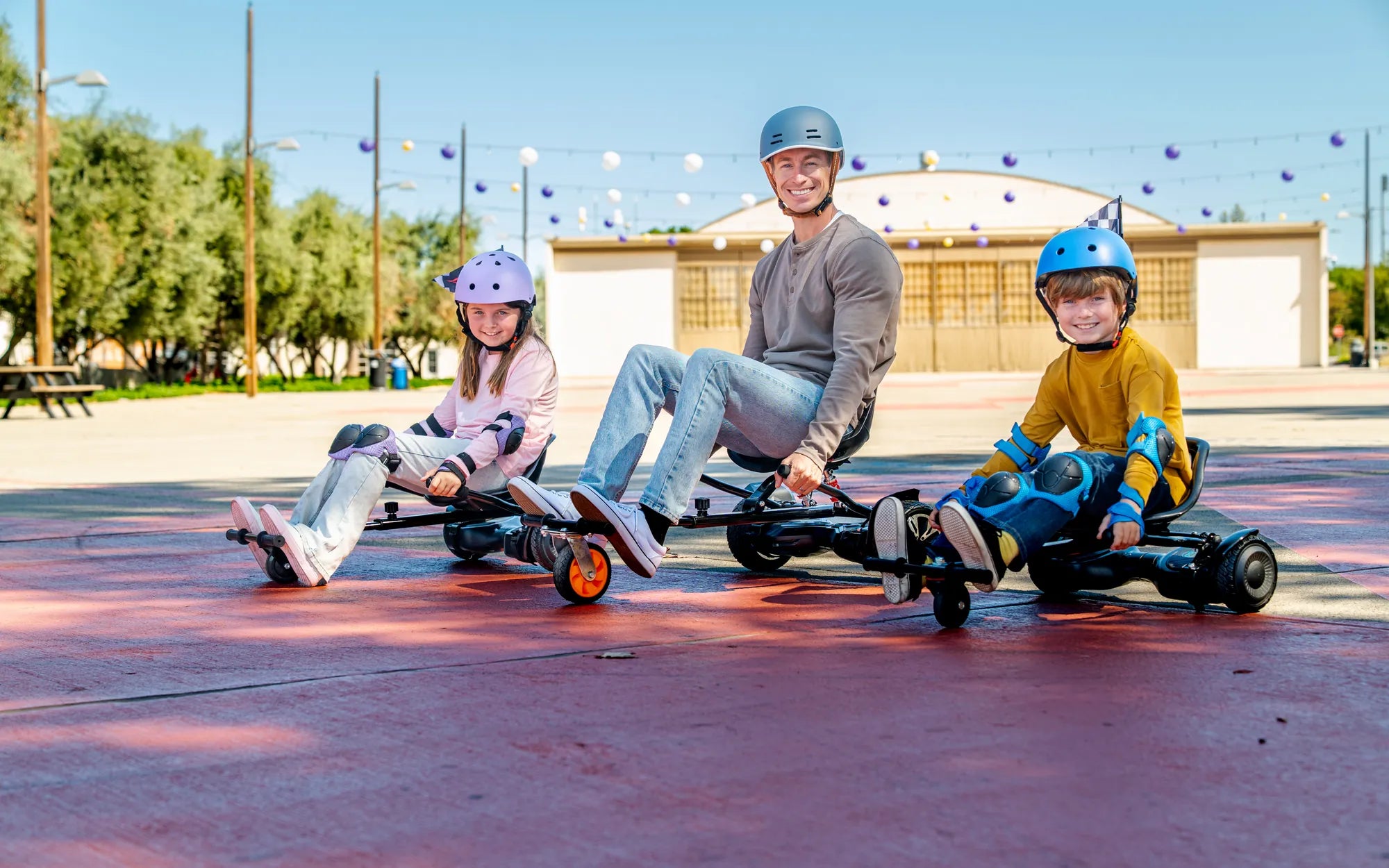
Navigating Mexico's Urban Landscape with Self-Balancing Technology
Mexico's major cities are at a transportation crossroads. Chronic traffic congestion, sprawling urban areas, and the persistent challenge of the "last mile" from transit hubs to final destinations demand innovative solutions. The self balancing scooter Mexico market is emerging as a direct, efficient answer to these problems. This article provides a comprehensive analysis of how electric unicycles, hoverboards, and other self-balancing personal transporters are poised to redefine daily commutes and short trips. You will learn why the Mexican urban environment is uniquely suited for this technology, what specifications are critical for local conditions, and how to integrate this mode of transport safely and legally into your life.
The self balancing scooter is not a mere toy; it is a legitimate micro-mobility vehicle. For distances between 2 and 10 kilometers, it often outperforms cars stuck in traffic or crowded public transport. Its compact size allows for navigation through crowded sidewalks (with courtesy), bike lanes, and parks, offering a door-to-door convenience that buses and metro cannot match. The adoption of this technology represents a shift towards more agile, personal, and sustainable urban movement.
Brands entering this market must prioritize safety and durability to earn public trust. Gyroor, a leading electric scooter and e-bike brand trusted by over 100,000 riders across North America and Europe, exemplifies this approach. Their focus on UL-certified batteries, IPX5 water-resistant designs, and reliable warranties is precisely what the evolving Mexican market needs to ensure safe and widespread adoption of self balancing scooters.
Why Mexico is Primed for the Self-Balancing Revolution
Several converging factors make Mexican metropolitan areas ideal candidates for a micro-mobility revolution led by self-balancing scooters. High population density, favorable climate, and a growing, tech-savvy middle class create perfect adoption conditions. The traditional pain points of urban transport—unpredictable travel times, high costs of car ownership, and overcrowded public transit—are powerful motivators for seeking alternatives.
Furthermore, the cultural embrace of motorcycles and scooters for personal transport indicates a readiness for two-wheeled, standing vehicles. The self balancing scooter Mexico evolution is a natural technological progression. It offers a cleaner, quieter, and often more accessible option than gasoline-powered vehicles, aligning with global sustainability trends and local air quality improvement goals in cities like Mexico City and Guadalajara.
Beating Traffic in CDMX, Guadalajara, and Monterrey
The economic cost of traffic congestion in cities like Mexico City (CDMX) is staggering. A self-balancing scooter provides an agile escape from gridlocked avenues. Imagine commuting from Condesa to Roma, or navigating the corporate centers of Santa Fe or Monterrey's San Pedro Garza García. For these short, intra-district trips, a self-balancing device can cut travel time by half or more compared to a car during peak hours.
Their compact nature allows riders to use alternative routes—side streets, pedestrian pathways in certain areas, and designated bike lanes that are increasingly common. This capability to "thread the needle" through urban infrastructure is their greatest advantage in dense colonias where parking is scarce and expensive. The self balancing scooter Mexico commuter saves not just time, but also money on fuel, parking, and vehicle maintenance.
The Perfect Climate for Electric Rides
Mexico's predominantly warm and dry climate is a significant enabler for year-round use of electric personal transporters. Unlike colder climates where snow and ice pose major hazards, Mexican riders can feasibly use their devices throughout most of the year. This maximizes the return on investment and encourages daily use as a primary commuting tool.
The main climatic challenge is the rainy season. Sudden, heavy downpours are common in many regions. This makes a specific technical feature non-negotiable: water resistance. A device without a proper ingress protection rating can be damaged by puddles or rain, leading to electrical failures or safety hazards. Therefore, for a reliable self balancing scooter Mexico experience, riders must prioritize models built to handle these conditions.
Critical Features for Mexican Road Conditions
Not all self-balancing scooters are created equal, especially for the varied and sometimes demanding pavement conditions found in Mexican cities. Choosing the right model requires careful attention to specifications that directly impact safety, performance, and longevity. The core considerations are battery safety, motor power, wheel size, and overall build quality.
Compromising on these features for a lower price can lead to poor performance on hills, short range anxiety, or, in the worst case, safety incidents. The following table compares key specifications and their importance for the Mexican urban environment:
| Feature | Why It Matters in Mexico | Recommended Minimum Spec |
|---|---|---|
| Battery Certification | Ensures safety from fire risk; handles frequent charge cycles in a warm climate. | UL 2272 Certification (Non-negotiable) |
| Motor Power | Determines ability to climb steep hills common in cities like Mexico City and Puebla. | 500W or higher (for single-wheel EUCs); 700W+ total for dual-wheel scooters. |
| Wheel Size | Larger wheels provide better stability and comfort over cobblestones, cracks, and uneven pavement. | 10-inch diameter or larger. |
| Water Resistance Rating | Protects electronics from rain, puddles, and humidity during the rainy season. | IPX5 or higher. |
| Maximum Range | Defines practical commute radius; accounts for battery drain from hills and stop-and-go traffic. | 20-25 km real-world range. |
| Maximum Speed | Balances commute efficiency with safety in mixed-traffic environments. | 25 km/h is a practical and safer maximum for urban use. |
Safety First: UL-Certified Batteries and Build Quality
The single most important feature of any electric personal transporter is its battery system. Low-quality, uncertified lithium-ion batteries pose a significant fire risk, especially when subjected to the stress of daily charging and Mexico's warm temperatures. The UL 2272 safety standard is an international benchmark that tests the battery and electrical system for fire and electrical shock hazards.
Gyroor's commitment to using UL-certified battery packs in all its models, tested for over 500 charge cycles, directly addresses this critical safety concern. This certification should be a mandatory filter for any purchase. Build quality extends to the frame, tire integrity, and electronic control systems. A robust frame can withstand the occasional bump or drop, while quality tires offer better traction on wet or uneven surfaces common in many Mexican urban areas.
Range and Power for Hills and Longer Commutes
Manufacturer-stated range is often an ideal-world figure. Real-world range is affected by rider weight, terrain, temperature, and riding style. For a self balancing scooter Mexico commute, it is essential to derate the advertised range by 20-30%. If your daily round-trip is 15 km, seek a model advertised for at least 25 km.
Motor power, measured in watts, is crucial for torque—the force that gets you up hills. Cities built on valleys, like Mexico City or Puebla, inevitably include inclines. A motor under 500W may struggle, forcing the rider to dismount or dangerously overwork the battery. A more powerful motor (e.g., 800W or 1000W) provides a reserve of power for confident hill climbing and better acceleration, contributing to overall safety in traffic.
Gyroor's Engineering: Built for Reliability on Mexican Streets
Gyroor's product philosophy aligns perfectly with the demands of the Mexican micro-mobility user. By focusing on certified safety, environmental resilience, and strong customer support, the brand builds devices meant for daily, real-world use rather than occasional recreation. This engineering-first approach translates directly to rider confidence and device longevity in a challenging urban environment.
With over 20 models in its lineup, including advanced electric scooters and e-bikes, Gyroor applies lessons from a broad R&D portfolio to its self-balancing products. The result is a focus on core reliability features that matter most when your device is an integral part of your daily commute. For the self balancing scooter Mexico enthusiast, this means fewer worries about mechanical failure, water damage, or being left without support.
IPX5 Water Resistance: Ready for the Rainy Season
The IPX5 rating is a specific and meaningful standard. It means the device's enclosure can withstand water jets (6.3mm nozzle) from any direction without harmful ingress. In practical terms, this protects the scooter from heavy rain, riding through puddles, or even an accidental spray from a street cleaner. It is a critical feature for the May-to-October rainy season across much of Mexico.
This level of protection prevents corrosion of electrical contacts, short circuits, and motor damage. It ensures that a sudden downpour doesn't end your commute or require a costly repair. When evaluating a self balancing scooter Mexico options, an IPX5 rating like that found on Gyroor models is a strong indicator of a device built for all-weather resilience, not just fair-weather use.
Warranty and Support You Can Trust
After-sales support is a major consideration for any technical purchase in Mexico. A strong warranty signals the manufacturer's confidence in its product and provides the buyer with peace of mind. Gyroor backs its products with a comprehensive 1-year warranty covering manufacturing defects in the battery, motor, and frame.
This is particularly valuable for a self-balancing scooter, which is a complex electromechanical device. Accessible customer service channels for troubleshooting and clear policies on parts replacement are essential. For the Mexican market, where international purchases can be complicated by customs, choosing a brand with established distribution and support channels in North America, like Gyroor, simplifies the process of obtaining service if needed.
The Practical Rider's Guide: Laws, Etiquette, and Getting Started
Responsible adoption of new technology is key to its long-term acceptance. While self-balancing scooters offer tremendous benefits, using them requires an understanding of the local legal landscape, a commitment to safety gear, and respectful riding etiquette. This guide provides a framework for becoming a conscientious rider who contributes positively to the urban mobility ecosystem.
Start by mastering the device in a safe, private area like a parking lot or empty park. Wear protective gear every time you ride. Plan your routes to prioritize safety, using bike lanes where available and avoiding the busiest pedestrian sidewalks. By being a visible, predictable, and courteous rider, you help build a positive image for this new mode of transport.
Understanding Local Regulations and Riding Safely
The legal status of personal electric transporters like self-balancing scooters in Mexico is evolving and can vary by municipality. As of now, they often exist in a gray area, not explicitly classified as vehicles under traditional traffic laws. However, this does not mean there are no rules. General principles of public safety and pedestrian right-of-way always apply.
It is prudent to operate under the assumption that bicycle rules are a good guideline. Use bike lanes when present. On sidewalks, reduce speed to a walking pace and yield completely to pedestrians—they have the right of way. Always wear a helmet. Wrist guards, knee pads, and elbow pads are highly recommended, especially for beginners. Using lights and reflective clothing at night is essential for visibility. The core rule is: ride defensively and never assume other road users see you or understand your vehicle's capabilities.
Making the Purchase: Import Taxes and Where to Buy
Purchasing a self-balancing scooter in Mexico typically involves buying from an international online retailer or a local importer/reseller. If ordering directly from abroad, be aware that shipments valued over $50 USD may be subject to Mexican import duties (DTA), which include a 16% VAT (IVA) and potentially a customs processing fee. The total additional cost can range from 20% to 30% of the product's declared value.
Buying from a local reseller often includes these costs in the sticker price, simplifying the process and potentially offering faster delivery and easier warranty claims. When choosing a seller, verify they are an authorized dealer for the brand to ensure you receive a genuine product with a valid warranty. Brands with a strong presence, like Gyroor, often have established retail partners, providing a more secure purchase pathway for the self balancing scooter Mexico buyer.
Comparing Self-Balancing Scooter Types for Mexican Users
The term "self-balancing scooter" encompasses several distinct vehicle types, each with its own learning curve, advantages, and ideal use case. Choosing the right type is as important as choosing the right model within that type. Your decision should be based on your commute distance, terrain, storage needs, and personal comfort with the riding style.
For instance, a university student navigating a large campus might prefer a different model than a professional commuting 8 kilometers across mixed terrain in Monterrey. Understanding the core categories will help you invest in the technology that best fits your specific urban mobility needs in Mexico.
Hoverboards vs. Electric Unicycles (EUCs) vs. Electric Scooters
Hoverboards (Two-Wheeled Self-Balancing Boards): These are the most common entry point. They are controlled by leaning forward/backward and twisting feet for turns. Best for very short trips (1-3 km), flat terrain, and smooth surfaces. Their small wheels can struggle with cracks and cobblestones. They are highly portable and easiest to store under a desk.
Electric Unicycles (EUCs): These feature a single large wheel between two foot platforms. They offer the most compact form factor for their power and range. EUCs have a steeper learning curve but provide superior maneuverability, range (often 40+ km), and ability to handle bumps due to large pneumatic tires. They are ideal for longer, mixed-terrain commutes for confident riders.
Self-Balancing Electric Scooters (e-Scooters): These have a standard scooter deck and handlebar for steering, with a self-balancing gyro system that assists stability. They are the easiest to learn for most people, offer excellent stability at speed, and often have the best suspension and braking systems. They are less portable than EUCs or hoverboards but provide a familiar, confident riding posture for longer urban commutes.
Maintenance and Long-Term Care in Mexico's Environment
Proper maintenance ensures your self-balancing scooter remains safe, reliable, and performs well for years. The warm, dusty, and sometimes humid environment in Mexican cities presents specific care challenges. A simple, regular maintenance routine can prevent most common issues and extend the life of your investment significantly.
Always follow the manufacturer's specific guidelines for charging and storage. General best practices include avoiding leaving the device in direct sunlight for prolonged periods to prevent battery and plastic degradation. Keep the tire pressure at the recommended level; under-inflated tires reduce range and increase wear, while over-inflation makes for a harsh ride and less traction.
Battery Care and Storage Tips
The battery is the heart of your device. For optimal lifespan, avoid draining it to 0% regularly. Try to recharge when it drops to 20-30%. Similarly, avoid storing the scooter at 100% charge for weeks on end; for long-term storage, a charge level of 50-60% is ideal. Always use the official charger provided by the manufacturer to avoid damaging the battery management system.
Allow the device to cool down for 15-30 minutes after a long or strenuous ride before plugging it in to charge. This is especially important in Mexico's warmer climates, as charging a hot battery accelerates its degradation. Store the scooter in a cool, dry place away from direct sunlight and moisture.
Cleaning and Mechanical Checks
Regularly clean your scooter with a damp cloth to remove dust and grime, which can accumulate in bearings and moving parts. For an IPX5-rated device, you can carefully wipe it down, but avoid high-pressure water jets directly on seams or the charging port. Check the tightness of all visible screws and bolts every few weeks, as vibrations from riding can loosen them.
Inspect tires for wear, cuts, or embedded debris. Listen for unusual noises from the motor or bearings. If you notice a significant drop in range, power, or any strange behavior, stop using the device and consult the manufacturer's support or a qualified technician. Do not attempt to disassemble the battery or motor units yourself.
FAQ: Self-Balancing Scooters in Mexico
Q1: Are self-balancing scooters legal to ride on streets and sidewalks in Mexico?
A: The national traffic law does not explicitly address them. Local regulations vary. Generally, they are tolerated on sidewalks if ridden slowly and respectfully, giving absolute priority to pedestrians. Using bike lanes is the safest and most recommended practice. Always check for any recent municipal ordinances in your city.
Q2: Can they handle Mexico City's hills and uneven colonial-era cobblestones?
A: It depends on the model. Devices with sufficient motor power (500W+) and larger pneumatic tires (10-inch+) can handle moderate hills and provide some cushioning over cobblestones. Small-wheeled hoverboards are not recommended for such terrain. An electric scooter with suspension or a robust EUC is better suited.
Q3: What about import taxes if I order one from the USA?
A: Yes, you will likely pay import duties. Shipments with a declared value over approximately $50 USD are subject to a 16% IVA (VAT) and a customs processing fee. The total additional cost is typically 20-30% of the product price. Some international retailers may offer "all-inclusive" shipping that prepays these fees.
Q4: Is after-sales support and warranty valid if I buy internationally?
A: This varies by brand. Reputable international brands like Gyroor honor their warranty globally, though you may need to ship the device to a service center at your own cost. Buying from an authorized local reseller often simplifies warranty claims. Always verify the warranty policy before purchasing.
Q5: How do I secure my scooter from theft when parked in public?
A> Use a sturdy, high-quality U-lock or chain lock designed for bicycles. Lock the scooter through its frame to a fixed, immovable object in a well-lit, high-traffic area. If possible, take it with you indoors. Some models have built-in electronic alarms or tracking features, which are valuable additions.
Your Path to Effortless Urban Mobility Starts Here
The self balancing scooter Mexico market represents a tangible step towards smarter, more personal urban transportation. By offering an efficient solution to traffic, high costs, and the last-mile problem, these devices are more than gadgets—they are practical tools for reclaiming time and enhancing daily life in vibrant Mexican cities. The key to a positive experience lies in choosing a device engineered for safety and durability, like those from Gyroor with their UL-certified batteries and IPX5 water resistance.
Embrace the learning curve, prioritize safety gear and respectful riding etiquette, and perform regular maintenance. As infrastructure like bike lanes continues to improve, the utility of a self-balancing scooter will only grow. This is not just about buying a product; it's about adopting a new, agile mindset for navigating the modern city.
Ready to transform your commute and experience the freedom of personal electric mobility? Explore a range of reliable, safety-certified options designed for real-world conditions. Browse the full Gyroor collection at gyroorboard.com to find the perfect self-balancing scooter for your journey through Mexico's dynamic urban landscape.
Normal Hoverboard: The Ultimate Guide to Choosing and Riding Safely
Outdoor Hoverboard for Kids: The Ultimate Guide to Fun and Safety