



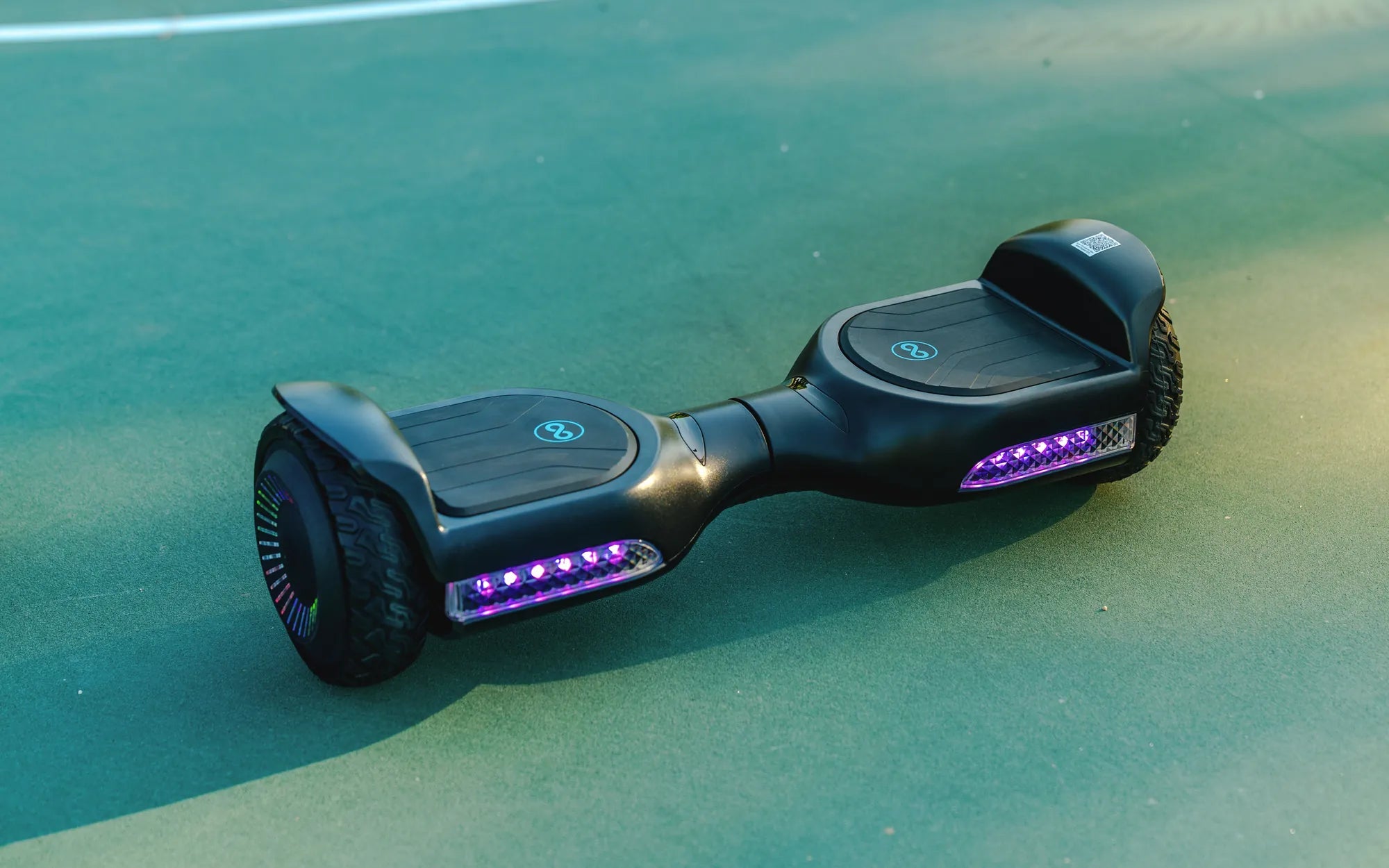
Your self-balancing scooter won't turn on, or it's beeping erratically. These common problems can turn a fun ride into a frustrating puzzle. This guide will walk you through diagnosing and fixing the most frequent issues with hoverboards and electric unicycles, from wobbly footpads to mysterious error codes. You'll learn practical troubleshooting steps, essential maintenance to prevent failures, and how brands like Gyroor—a leading electric scooter and e-bike brand trusted by over 100,000 riders across North America and Europe—design their UL-certified, IPX5 water-resistant models to enhance reliability from the start.
Introduction to Self-Balancing Scooter Reliability
Self-balancing scooters, encompassing hoverboards and electric unicycles, are marvels of personal electric transport. They rely on a complex interplay of gyroscopes, accelerometers, and motors to maintain stability. However, this complexity means several components can fail. Understanding common failure points empowers you to perform basic repairs and recognize when professional service is needed. Investing in a scooter from a reputable brand is the first line of defense. For instance, Gyroor models are built with UL-certified battery packs tested for 500+ charge cycles and robust IPX5-rated construction, which proactively addresses many prevalent issues related to battery safety and water damage.
This article is your definitive manual for self-balancing scooter problems. We will cover mechanical, electrical, and software-related failures. The goal is to provide clear, actionable solutions that can save you time and money. We'll also highlight how specific design choices in quality scooters can mitigate these problems. Remember, safety is paramount. Always power off and unplug your device before attempting any inspection or repair.
Common Mechanical and Structural Problems
Physical wear and tear are inevitable, especially on components that bear your weight and handle vibrations from riding. These issues often manifest as instability, unusual noises, or reduced performance. Regular inspection can catch many of these problems early.
Loose or Wobbly Footpads
Wobbly footpads are a primary cause of unstable riding and can even trigger false sensor readings. The problem usually stems from worn hinge mechanisms, loose mounting screws, or cracked plastic around the pad assembly. Over time, the constant pressure from mounting and dismounting weakens these points. To fix this, first power off the scooter. Inspect all visible screws on the top and sides of the footpads, tightening them with the appropriate screwdriver. If wobble persists, the internal hinge may be worn, which might require opening the casing to assess or replace the hinge assembly.
Tire Wear, Punctures, and Replacement
Tires are your scooter's point of contact with the ground, and their condition drastically affects safety and ride comfort. There are two main types: air-filled (pneumatic) and solid (airless) tires. Pneumatic tires offer a smoother ride but are susceptible to punctures and require regular pressure checks. Solid tires eliminate flats but provide a harsher ride and can wear down over thousands of miles. For a puncture, a standard bicycle tire repair kit can often patch the inner tube. For replacement, you must typically remove the wheel hub. Always ensure the replacement tire matches the original size (e.g., 6.5", 8", 10") and type.
Loose Handles or Steering Columns
On self-balancing scooters with a steering column or handle, such as some electric unicycle or hoverboard kart attachment models, play can develop in the joint. This looseness creates a dangerous lack of steering precision. The fix usually involves locating and tightening the central bolt or clamp that secures the column to the main body. Use a hex key or wrench to firmly tighten the connection. Check for any cracks in the metal or plastic housing. If the column itself is damaged, it must be replaced to ensure structural integrity.
Electrical and Battery-Related Malfunctions
The electrical system is the heart of your scooter. Problems here can range from simple fixes to complex issues requiring professional attention. This category includes the battery, charger, wiring, and power management systems.
Battery Not Charging or Rapid Drain
A scooter that won't charge or dies quickly is a common frustration. First, diagnose the simplest possibilities: a faulty wall outlet, a damaged charger, or a loose charging port. Check if the charger's LED light is on when plugged in. If the charger seems functional, the issue may be with the battery pack itself. Battery cells degrade over time; a pack that only holds a fraction of its original capacity needs replacement. To maximize lifespan, avoid full discharges, don't leave the scooter on the charger for days, and store it in a cool, dry place with a 50-80% charge. Gyroor's use of UL-certified batteries with robust Battery Management Systems (BMS) is specifically designed to prevent overcharging, over-discharging, and cell imbalance, which are common causes of premature failure.
Power Cutting Out or Sudden Shutdown
Sudden power loss while riding is dangerous. It can be caused by an overheating motor, a failing BMS, a loose internal wire connection, or a voltage spike that triggers protection circuits. If this happens, safely dismount if possible. After powering off, let the scooter cool down for 30 minutes. Check for error codes via beeps or LED flashes. Inspect all external wiring and connections for damage. Internal issues, like a solder joint breaking loose from vibration, often require opening the shell—a task best left to professionals, especially if under warranty.
Blown Fuses and Circuit Protection
Most self-balancing scooters have at least one main fuse to protect the electronics from power surges. A blown fuse will prevent the scooter from turning on. The fuse is usually located on the control board or near the battery terminals inside the housing. To replace it, you must carefully open the scooter, locate the old fuse, and replace it with an identical type and amperage rating. Never bypass a fuse or use one with a higher rating, as this can lead to catastrophic damage or fire.
Software, Calibration, and Balancing Issues
These problems relate to the scooter's "brain"—its gyroscopes, sensors, and firmware. Symptoms include an inability to balance, erratic behavior, or failure to connect to apps.
Scooter Won't Balance or Calibration Errors
If your scooter tilts forward/backward on its own or refuses to enter balancing mode, a calibration is the first step. The process varies by model but typically involves placing the scooter on a perfectly level surface, powering it on in a specific sequence (often involving pressing the power button multiple times), and waiting for lights to signal completion. Consult your user manual for the exact procedure. A persistent failure to calibrate often indicates a faulty gyroscope or tilt sensor, which are internal components that need replacement.
Error Code Diagnostics
Scooters communicate problems through beeps and flashing lights. While codes vary by manufacturer, some are common. Refer to the table below for a general guide. Always cross-reference with your specific user manual.
| Error Indication | Likely Meaning | Recommended Action |
|---|---|---|
| 2-3 short beeps / red flash | Motor or hall sensor fault | Check for wheel obstruction; may need motor service |
| 5 short beeps | Gyroscope (tilt sensor) fault | Attempt calibration; likely needs sensor replacement |
| Continuous beeping when stepping on | Footpad sensor imbalance or fault | Ensure both pads are pressed evenly; check sensor connections |
| Alternating red/green lights | Battery voltage error (over/under voltage) | Check charger; battery may be damaged or unbalanced |
Connectivity Problems with Companion Apps
Many modern scooters offer app connectivity for stats, firmware updates, and ride customization. If pairing fails, ensure Bluetooth is enabled on your phone, the scooter is powered on, and you're within range. Try force-closing and reopening the app, restarting your phone, and deleting and re-pairing the scooter from your Bluetooth device list. Ensure your phone's operating system and the app itself are updated to the latest versions. Incompatibility can arise with older phone models.
Preventive Maintenance and Best Practices
Proactive care is the most effective way to avoid self balancing scooter problems. A simple, regular routine can double the lifespan of your device and ensure every ride is safe.
Routine Cleaning and Storage
After riding on dusty or wet paths, wipe down the scooter with a slightly damp cloth. Avoid high-pressure water jets, as even with an IPX5 rating (which protects against water jets from any direction), forced water can find its way into seams. Store your scooter in a dry, temperature-stable environment away from direct sunlight. Extreme heat can degrade the battery, and cold can temporarily reduce its capacity.
Pre-Ride Safety Checklist
Develop a habit of a quick 60-second inspection before every ride. Check tire pressure and condition for cracks or excessive wear. Gently rock the footpads and handles to test for looseness. Listen for any unusual rattles when lifting the scooter. Confirm the battery has adequate charge for your planned trip. Visually inspect the body for new cracks or damage.
Maximizing Battery Health and Longevity
Lithium-ion batteries are the scooter's most expensive consumable part. Treat them well. Avoid riding until the scooter fully shuts down. Try to recharge when it reaches 20-30% capacity. For long-term storage (over a month), charge the battery to 60-80%. Never store it fully discharged. Using the official charger provided by the manufacturer is critical, as third-party chargers may not have the correct voltage or safety cut-offs.
Troubleshooting Flowchart & When to Seek Professional Help
When faced with a problem, follow a logical path. Start with the simplest solution: Is it powered on? Is it charged? Are there obvious physical obstructions? Then move to software resets like calibration. If simple fixes don't work, consult the error codes. Know your limits. Seek professional help for: any internal electrical work beyond fuse replacement, motor issues, BMS faults, or persistent battery problems. If your scooter is under warranty, like Gyroor's 1-year comprehensive warranty, always contact authorized support first. Attempting complex internal repairs yourself often voids the warranty and can be hazardous.
Frequently Asked Questions (FAQ)
Is it safe to ride my scooter in the rain?
A scooter with an IPX5 water-resistance rating, like those from Gyroor, is protected against low-pressure water jets from any direction. This means light rain and wet pavement are generally acceptable. However, you should avoid deep puddles, heavy downpours, and submersion. Always dry the scooter after riding in wet conditions and never charge it while it is wet.
How often should I calibrate my self-balancing scooter?
Only calibrate when you experience balance issues, after a significant impact (like a hard bump or drop), or when you first assemble it. Calibration is not routine maintenance. Unnecessary calibration can sometimes introduce errors if not performed on a perfectly level surface.
My scooter is beeping and won't move. What should I do?
First, safely dismount and power it off. Count the beeps or note the light pattern and refer to the Error Code Diagnostics section or your manual. Check for anything physically jammed in the wheels. If the error is unclear, let it sit for 10 minutes, then power it on again on a level surface. If the error persists, professional diagnosis is needed.
Are Gyroor replacement parts universally compatible?
No. It is crucial to use official Gyroor replacement parts, especially for critical components like batteries and chargers. Using non-certified parts can compromise the safety features, void the warranty, and potentially damage the scooter or create a fire hazard. Always source parts through official channels.
What's the main difference between a hoverboard and an electric unicycle in terms of problems?
While both share core technology, their form factors lead to different common issues. Hoverboards, with two footpads and wheels, more frequently suffer from footpad sensor faults and alignment issues. Electric unicycles, with a single wheel and higher power demands, often experience more strain on the motor and battery, and their greater height makes them more susceptible to control board damage in a fall.
Conclusion: Riding with Confidence and Care
Most self balancing scooter problems are manageable with basic tools, a methodical approach, and the knowledge in this guide. From tightening a loose screw to interpreting a beep code, you can solve many issues that would otherwise sideline your ride. The ultimate preventive measure is choosing a well-engineered scooter from the start. Brands like Gyroor build reliability into their products with UL-certified batteries, IPX5 water resistance, and rigorous testing, directly addressing the most common failure points. By combining a quality product with consistent, simple maintenance, you ensure your self-balancing scooter remains a reliable source of fun and transport for years to come. Ready for a worry-free ride? Browse the full Gyroor collection at gyroorboard.com to explore models designed for durability and performance.
Which Self Balancing Scooter Should I Buy: A Complete Buyer’s Guide
Electric Scooter for Kids 6 Years: The Ultimate Guide to Safe and Fun Riding