



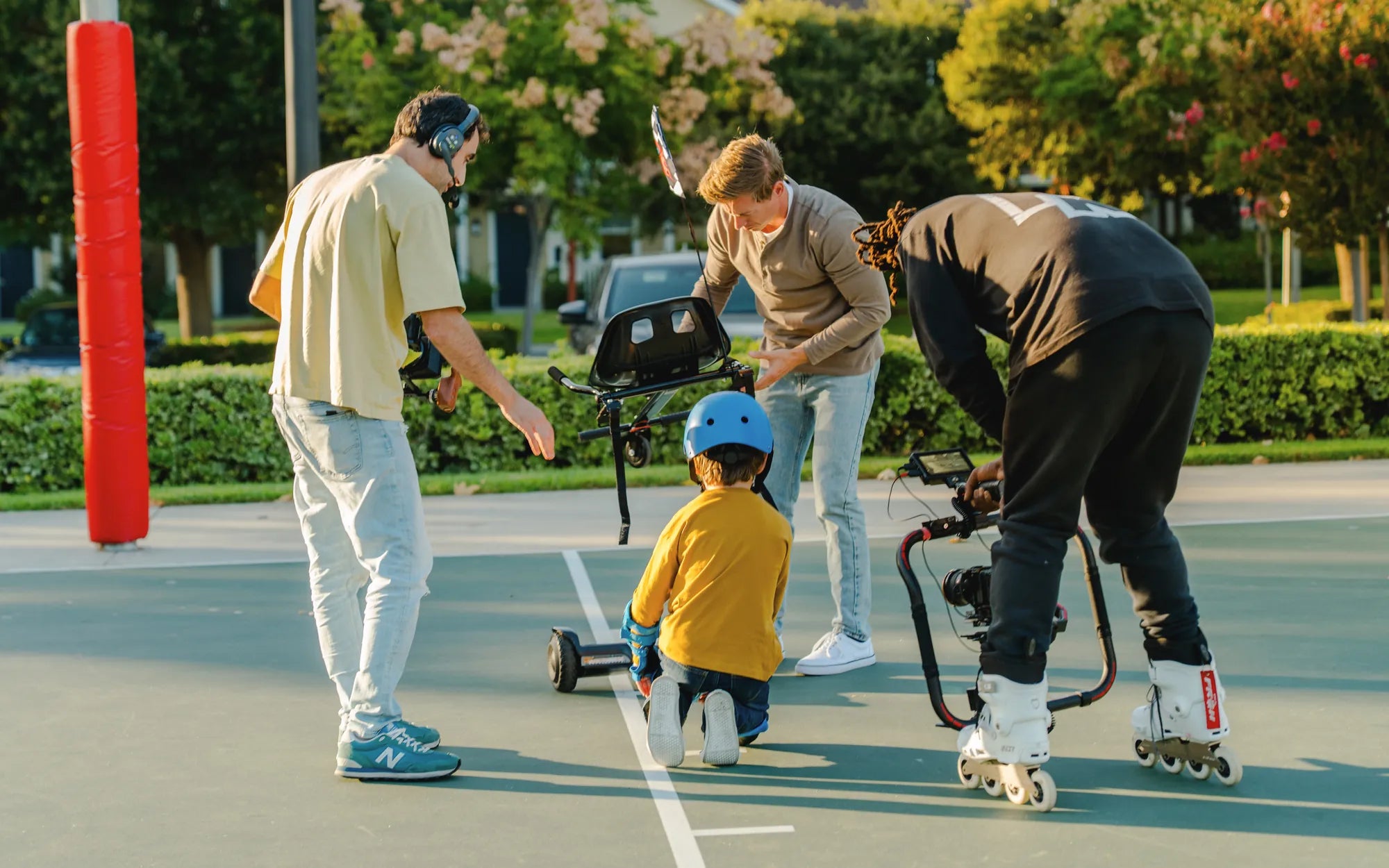
Imagine gliding through crowded city streets effortlessly, avoiding traffic jams, and reducing your carbon footprint—all while riding a sleek, futuristic vehicle. This is the promise of self-balancing two-wheelers in India, a rapidly growing segment of urban mobility. As cities become more congested and pollution levels rise, these innovative vehicles are emerging as a smart, eco-friendly alternative to traditional transportation. But what exactly are they, and why are they gaining popularity? Let’s dive in.
The Rise of Self-Balancing Two-Wheelers in India
Self-balancing two-wheelers, also known as electric balance bikes or hoverboards, have taken the world by storm, and India is no exception. These compact, battery-powered vehicles use gyroscopic sensors and advanced algorithms to maintain balance, making them incredibly easy to ride. Unlike conventional scooters or motorcycles, they require no pedaling or manual balancing, offering a seamless riding experience.
India’s urban landscape, with its narrow lanes and traffic congestion, is the perfect breeding ground for these vehicles. Cities like Bangalore, Delhi, and Mumbai are witnessing a surge in demand as commuters seek faster, greener ways to navigate their daily routes. The government’s push for electric mobility, coupled with rising fuel prices, has further accelerated their adoption.
Benefits of Self-Balancing Two-Wheelers
Why are self-balancing two-wheelers becoming the go-to choice for urban commuters? Here are some compelling reasons:
- Eco-Friendly: These vehicles run on electricity, producing zero emissions and helping reduce air pollution.
- Cost-Effective: With no fuel costs and minimal maintenance, they are far cheaper to operate than traditional vehicles.
- Compact and Portable: Their small size makes them ideal for navigating tight spaces and storing in apartments or offices.
- Easy to Learn: Most models are designed for beginners, with intuitive controls and automatic balancing.
Challenges and Considerations
Despite their advantages, self-balancing two-wheelers face several challenges in India:
- Infrastructure: Lack of dedicated lanes and charging stations can hinder their widespread use.
- Safety Concerns: Riding on uneven roads or in heavy traffic can be risky without proper safety gear.
- Regulatory Hurdles: Clear guidelines on their classification and usage are still evolving in many states.
The Future of Self-Balancing Two-Wheelers in India
The potential for self-balancing two-wheelers in India is immense. As technology advances, we can expect longer battery life, faster charging, and enhanced safety features. Companies are also exploring shared mobility models, where users can rent these vehicles for short trips, further boosting accessibility.
With urbanization showing no signs of slowing down, self-balancing two-wheelers could play a pivotal role in shaping the future of transportation. They offer a glimpse into a world where commuting is not just efficient but also enjoyable and sustainable.
Ready to join the revolution? Whether you’re a tech enthusiast, an eco-conscious commuter, or simply someone looking for a fun way to get around, self-balancing two-wheelers are worth exploring. The road ahead is exciting—hop on and ride into the future!
What Electric Scooters Are Usable by Non-18 Year Olds: A Complete Guide
Safest Hoverboard for 10 Year Old: A Parent’s Guide to Smart Choices