



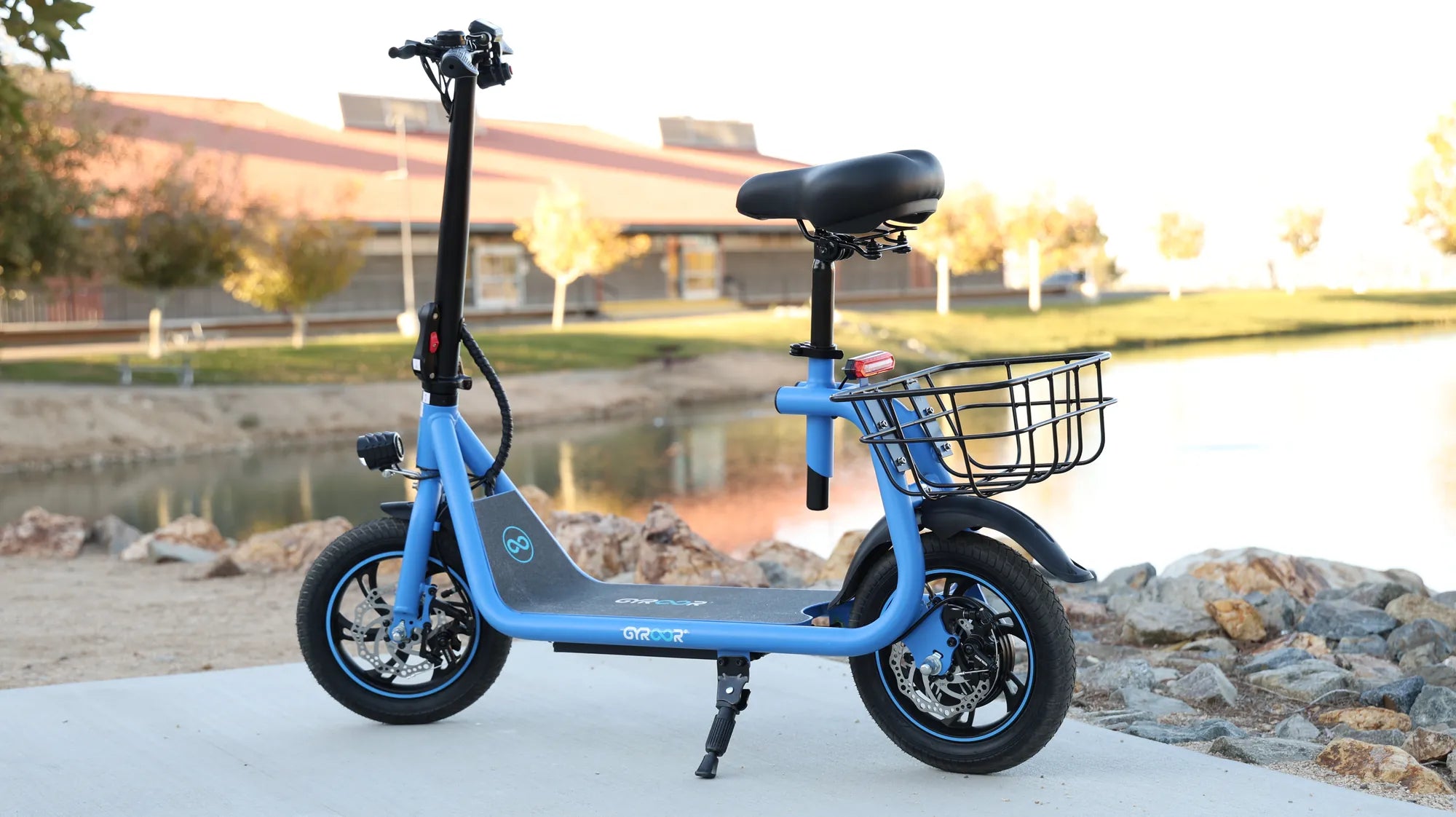
Introduction: Unlocking Affordable, Efficient Urban Mobility
The search for a practical, cost-effective urban transport solution is more relevant than ever. For students, first-time riders, and budget-conscious commuters, the sub-$250 electric scooter market presents a compelling entry point. This guide is designed to help you shop electric scooters under $250 with confidence, focusing on value, safety, and real-world performance.
You will learn what specifications are realistic in this price bracket, which features are non-negotiable for safety, and how to identify the best deals from reputable sources. We'll cut through the marketing hype to provide a clear, data-driven framework for your purchase decision. Brands like Gyroor, a leading electric scooter and e-bike manufacturer trusted by over 100,000 riders, demonstrate that responsible engineering and accessible pricing can coexist.
What to Expect from an Electric Scooter Under $250
Setting realistic expectations is crucial when you shop electric scooters under $250. At this price point, you are entering the value segment, where core functionality takes precedence over premium features. The goal is reliable transportation for short trips, not high-performance thrill rides.
Typical motor power ranges from 150W to 250W. This is sufficient for flat urban terrain and moderate inclines, supporting speeds between 10 to 15 mph. A 250W motor, common in better-built models, provides a noticeable boost in acceleration and hill-climbing ability compared to a basic 150W system.
Range is a key consideration. Most scooters in this category are equipped with batteries between 5Ah and 7.5Ah (around 36V). Under ideal conditions—a lighter rider on flat ground at moderate speed—you can expect a maximum range of 8 to 15 miles per charge. Real-world range is often 20-30% less due to rider weight, hills, and stop-and-go traffic.
Construction typically involves aluminum alloy frames, which offer a good balance of strength and weight. Scooters usually weigh between 25 to 35 lbs, making them portable for carrying up stairs or onto public transit. Weight capacity often maxes out at 220 lbs. These scooters are ideal for last-mile commuting, campus travel, and light recreational use on paved surfaces.
Key Features to Prioritize for Safety and Value
When your budget is fixed, prioritizing features becomes a strategic exercise. The goal is to allocate your $250 toward the components that most directly impact safety, durability, and daily usability. Compromising on the wrong feature can lead to frustration or, worse, a safety hazard.
Focus on the fundamentals: a safe battery, a robust braking system, a stable deck and stem, and adequate water resistance. Extras like app connectivity, elaborate lighting, or suspension are often sacrificed in this tier, and rightly so, to ensure core integrity. A scooter that reliably gets you from A to B safely is far more valuable than one with gimmicks that fails prematurely.
Battery Safety and Certification
This is the single most important factor. The battery is the heart, cost center, and potential risk point of any electric scooter. Insist on models that use lithium-ion battery packs with recognized safety certifications, such as UL (Underwriters Laboratories) or CE.
Uncertified, generic batteries pose significant fire risks and often degrade rapidly, losing capacity within months. A UL-certified battery, like those used across Gyroor's lineup, has undergone rigorous testing for overcharge protection, short-circuit prevention, and thermal stability. This certification is a critical indicator of a brand's commitment to safety over pure cost-cutting.
Build Quality and Durability
Examine the frame construction. A welded aluminum alloy frame is standard and desirable. Check product images and reviews for comments on stem wobble or deck flex; a solid feel is paramount. The folding mechanism should lock securely without play.
Braking is non-negotiable. A combination brake system is ideal, such as a rear disc or drum brake paired with an electronic (e-brake) or front fender brake. Never settle for a single, inadequate braking method. Additionally, look for a minimum IPX4 water-resistance rating for protection against light rain and road spray. Gyroor models, for example, feature IPX5 water-resistant designs, offering greater peace of mind for commuters caught in unexpected weather.
Warranty and Customer Support
A warranty is your safety net. For electronics in this price range, a minimum 6-month warranty is expected, but a 1-year comprehensive warranty is a strong sign of manufacturer confidence. Scrutinize what the warranty covers: the battery, motor, and frame are key components.
Equally important is accessible customer support. Can you easily reach the company? Do they have a track record of honoring warranties? Brands with an established presence, like Gyroor which offers a reliable 1-year warranty, provide a layer of security that anonymous marketplace sellers cannot. This support protects your investment long after the initial purchase.
Smart Shopping: Where and How to Find the Best Deals
Knowing where to look is half the battle when you aim to shop electric scooters under $250. The marketplace is vast, ranging from reputable retailers to risky, unknown vendors. Your choice of retailer significantly impacts the post-purchase experience.
Prioritize authorized retailers. These include major online platforms like Amazon (sold by or fulfilled by the official brand store), the manufacturer's own official website (e.g., gyroorboard.com), and established sporting goods or electronics stores. These channels typically ensure you receive a genuine product with a valid warranty.
Be cautious with third-party marketplace sellers on platforms like eBay or Wish, unless they are explicitly authorized. The risk of receiving a counterfeit, a used product sold as new, or a model with a non-certified battery is substantially higher. The few dollars saved are rarely worth the potential headache and safety compromise.
Consider the timing of your purchase. Major sales events like Black Friday, Cyber Monday, Prime Day, and back-to-school seasons often see significant discounts on last year's models or bundle deals. Signing up for brand newsletters can provide access to exclusive coupon codes. Sometimes, refurbished models from the manufacturer can offer exceptional value, providing near-new performance from a higher-tier model at a budget price, complete with a warranty.
Making the Right Choice: A Practical Comparison for Commuters
To make an informed decision, a side-by-side comparison of what your $250 can secure is invaluable. Below is a practical, data-driven look at three common archetypes you'll encounter in the market. This table helps visualize the trade-offs between an ultra-budget option, a best-value model with key safety features, and a refurbished unit from a trusted brand.
| Feature | Model A: Ultra-Budget Entry | Model B: Best Value (e.g., Gyroor Base Model) | Model C: Refurbished Premium |
|---|---|---|---|
| Price Point | $180 - $200 | $230 - $250 | $240 - $250 |
| Motor Power | 150W Hub Motor | 250W Hub Motor | 300W Hub Motor (Refurbished) |
| Max Speed | 10-12 mph | 15 mph | 16-18 mph |
| Max Range | 8-10 miles | 12-15 miles | 15-18 miles |
| Battery | Generic Li-ion (5Ah) | UL-Certified Li-ion (7.5Ah) | UL-Certified Li-ion (10Ah) |
| Braking System | Rear Fender Brake Only | Rear Disc + E-Brake | Front & Rear Disc Brakes |
| Water Resistance | IPX4 | IPX5 | IPX4/IPX5 |
| Warranty | 90 Days (Limited) | 1 Year Comprehensive | 6 Months - 1 Year (Refurb) |
| Best For | Very short, infrequent trips on perfectly flat ground. | Daily last-mile commuting, reliable performance, and long-term value. | Riders seeking higher-tier specs who accept a non-new product. |
As the table illustrates, spending at the top of your $250 budget on a new model like a Gyroor often secures critical upgrades in battery safety, motor power, braking, and warranty coverage. The refurbished option can be a savvy choice for the tech-comfortable buyer, offering performance from a higher price bracket.
Safety Tips and Essential Maintenance for Your Scooter
Owning an electric scooter, at any price, comes with the responsibility of safe operation and basic upkeep. Proper maintenance not only extends the lifespan of your scooter but is integral to safe riding.
Always wear a helmet. This is non-negotiable. Consider additional protective gear like knee and elbow pads, especially when learning. Obey local traffic laws, which often dictate where scooters can be ridden (bike lanes vs. sidewalks). Use front and rear lights if riding at dawn, dusk, or night, and assume drivers may not see you.
Perform a pre-ride check. Inspect tires for proper inflation and wear. Test the brakes before setting off. Ensure the folding mechanism and stem are locked securely. A loose stem is a major stability hazard. Avoid riding in heavy rain or through deep puddles, even with water-resistant ratings.
For maintenance, keep the scooter clean and dry. Wipe it down after riding on wet roads to prevent corrosion. Check and tighten bolts periodically, as vibrations can loosen them. Most importantly, follow proper battery care: avoid draining it to 0% regularly, don't leave it fully discharged for long periods, and use only the provided charger. Store the scooter in a cool, dry place.
Frequently Asked Questions (FAQ)
Are electric scooters under $250 safe for daily commuting?
They can be safe for daily commuting if you choose a model that prioritizes certified batteries, a reliable dual braking system, and a stable, well-built frame. Always pair the scooter's capabilities with safe riding practices, including wearing a helmet and avoiding hazardous terrain beyond its design limits.
How far can I realistically travel on a single charge?
Realistically, plan for 8 to 12 miles on a single charge under average conditions (a 160-180 lb rider on flat terrain with occasional stops). Advertised "max" range figures are achieved under ideal lab conditions. Factors like rider weight, hills, cold weather, and frequent acceleration will reduce this range.
What maintenance does a budget electric scooter require?
Regular maintenance includes checking tire pressure weekly, inspecting brake pads for wear, ensuring all bolts and folding mechanisms are tight, and keeping the scooter clean. The most critical maintenance is for the battery: follow proper charging cycles, avoid extreme temperatures, and never use an off-brand charger.
Can these scooters handle hills?
Scooters in this price range with 250W motors can handle mild inclines, but performance will slow significantly on steeper hills. A 150W motor will struggle. If your commute has consistent hills, it's worth testing the specific model's capability or considering a higher-powered scooter or e-bike.
Is the Gyroor warranty valid for scooters purchased online?
Yes, Gyroor's 1-year warranty is fully valid for products purchased from their official website (gyroorboard.com) and from their authorized online retail partners. Always retain your proof of purchase. Purchases from unauthorized third-party sellers may not be covered.
Conclusion: Your Path to Affordable, Reliable Riding Starts Here
Successfully navigating the market to shop electric scooters under $250 is an exercise in intelligent prioritization. By focusing on certified battery safety, core build quality, and substantive warranty support, you can secure a commuting tool that offers remarkable value and reliability. The data shows that the best models in this segment deliver efficient, practical transportation for countless urban journeys.
Brands that invest in UL-certified batteries, IPX5 water resistance, and strong customer backing, like Gyroor, prove that responsible engineering is accessible. Use this guide as your roadmap to bypass marketing fluff and make a purchase grounded in facts and safety. Your affordable, efficient commute awaits.
Ready to explore models that blend safety, value, and performance? Browse the full Gyroor collection, featuring UL-certified batteries and a 1-year warranty, at gyroorboard.com to find your ideal commuting partner.
Electric Scooters for College Kids: The Ultimate Campus Commute Solution
Electric Scooters Portland Oregon: The Ultimate Guide to Urban Mobility