



Redefining Your Ride in the Electric Era
The daily commute is undergoing a silent revolution. As urban congestion and fuel costs rise, personal electric vehicles (PEVs) offer a compelling alternative. Shopping for electric mopeds and scooters is no longer a niche hobby but a practical decision for cost-effective, sustainable urban mobility.
This guide provides the data-driven insights you need to make an informed choice. You will learn to distinguish between vehicle types, evaluate critical specifications, prioritize safety features, and implement maintenance practices that extend your vehicle's life. The goal is to transform your commute from a costly chore into an efficient and enjoyable part of your day.
Understanding Your Options: Electric Scooters vs. Electric Mopeds
Choosing the right vehicle starts with understanding fundamental categories. While both are electric two-wheelers, their design, use case, and legal status differ significantly. Knowing these distinctions is the first step to shopping mopeds & scooters electric with confidence.
Electric Scooters typically refer to stand-up, kick-scooter-style vehicles with a small deck. They are compact, lightweight, and highly portable, often featuring a folding mechanism. Riders operate them in a standing position, making them ideal for short to medium-distance trips, last-mile connectivity from public transit, and easy storage in offices or apartments.
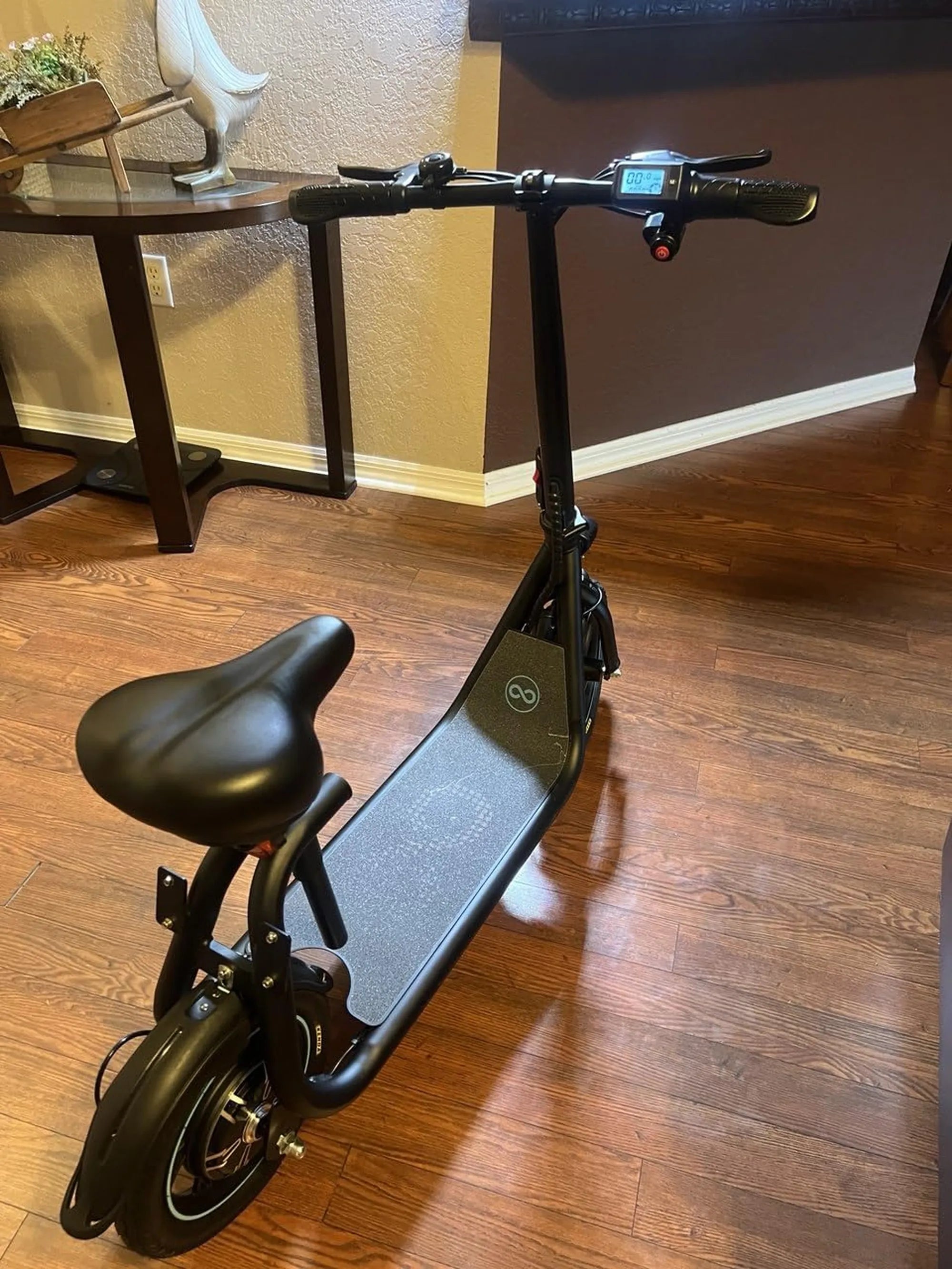
Electric Mopeds resemble traditional bicycles or small motorcycles with a step-through frame and always include a seat. They are designed for seated riding, offering greater comfort for longer distances. These vehicles often have higher power and speed capabilities, along with more robust construction, blurring the line between a bicycle and a motorcycle in terms of regulation.
Key Differences at a Glance
The following table outlines the core distinctions to help you decide which category aligns with your commuting needs, budget, and local laws.
| Feature | Electric Scooter (Standing) | Electric Moped (Seated) |
|---|---|---|
| Rider Posture | Standing | Seated |
| Typical Top Speed | 15 - 25 mph | 20 - 30+ mph |
| Typical Range* | 15 - 40 miles | 30 - 60+ miles |
| License Requirement | Often not required (varies) | Frequently required for higher speeds |
| Ideal Terrain | Paved city paths, smooth roads | City streets, capable of handling varied surfaces |
| Portability | High (often foldable) | Low to Moderate |
*Range varies significantly based on battery capacity, rider weight, terrain, and speed.
The Critical Importance of Safety and Reliability
When you shop for mopeds and scooters electric, the lowest price tag can be misleading. The vehicle's core components—especially the battery and braking systems—directly impact your safety. Compromising on quality for cost can lead to premature failure, safety hazards, and a disappointing ownership experience.
Reliability is measured by build quality, component certifications, and warranty support. A vehicle that fails during your commute negates its time-saving benefits. Investing in a reputable brand with proven engineering and safety standards ensures consistent performance and peace of mind, making it a smarter long-term financial decision.
The Gyroor Advantage: Engineering Trust in Electric Mobility
As a leader in personal electric transportation, Gyroor's philosophy is built on the pillars of safety, durability, and rider satisfaction. Trusted by over 100,000 riders across North America and Europe, the brand's commitment is reflected in its technical specifications and customer-centric policies.
Every Gyroor model utilizes UL-certified lithium-ion battery packs. This independent certification is a non-negotiable safety benchmark, ensuring batteries meet rigorous electrical, fire, and hazard safety standards tested over 500+ charge cycles. This directly addresses the foremost concern for electric vehicle owners.
Further enhancing reliability, Gyroor designs feature IPX5 water resistance. This rating means the scooter can withstand water jets from any direction, making it capable of handling wet roads and light rain without compromising electrical systems. Coupled with a robust 1-year warranty and accessible customer support, Gyroor provides a complete, trustworthy ecosystem for new and experienced riders alike.
Your Electric Moped & Scooter Buying Checklist
Arm yourself with this detailed checklist of specifications and features. Use it to compare models objectively, moving beyond marketing claims to understand real-world performance. This is your essential toolkit to shop mopeds & scooters electric intelligently.
Performance & Range: Getting There and Back
Motor power, measured in watts (W), determines acceleration and hill-climbing ability. A 350W motor suits flat urban areas, while 500W or more provides confidence on inclines. Top speed should align with local regulations and your comfort level; most urban commutes are efficient at 15-20 mph.
Advertised range is a maximum figure under ideal conditions. For a realistic estimate, reduce the claimed range by 20-30%. Factors like rider weight, frequent stops/starts, hills, cold weather, and higher speeds consume more battery. Look for models with multiple speed/assist modes to extend range when full power isn't needed.
Battery & Charging: The Heart of Your E-Ride
The battery is your vehicle's fuel tank and its most critical safety component. Capacity is measured in watt-hours (Wh) or amp-hours (Ah); a higher number generally means more range. Prioritize models with UL, CE, or RoHS certifications—this is non-negotiable for safety.
Charging time is a practical consideration. A standard charger may take 4-8 hours for a full charge. Understand the battery's estimated lifecycle (often 500+ full cycles before significant degradation) and follow manufacturer guidelines for charging and storage to maximize its lifespan.
Build Quality & Safety Features
Frame material (typically aluminum alloy) should feel solid, not flex under weight. The braking system is paramount: disc brakes offer strong, consistent stopping power, especially in wet conditions, while some models add regenerative braking to slightly recapture energy.
Tire choice affects comfort and safety. Pneumatic (air-filled) tires provide better shock absorption and traction but require maintenance. Solid or honeycomb tires are puncture-proof but offer a firmer ride. Front and rear lighting, reflectors, and an audible bell or horn are essential for visibility and communication.
Comfort & Practicality
For seated mopeds, assess seat padding and ergonomics. For stand-up scooters, check deck size and grip. Suspension (spring or hydraulic) dramatically improves comfort on uneven pavement. Consider the vehicle's weight if you need to carry it upstairs or onto transit.
Practical features add value. Does it have a built-in display for speed and battery level? Is there a USB port to charge devices? What about a simple mounting point for a phone or bag? These details enhance daily usability. Gyroor models, for example, often integrate clear LCD displays and app connectivity for ride tracking and customization.
Maximizing Your Investment: Ownership Tips for the Long Haul
Your responsibility begins after the purchase. Proper ownership habits ensure safety, optimize performance, and protect your investment for years. This section covers the essential practices every rider should adopt.
Pre-Ride Safety and Local Regulations
Always wear a helmet that meets safety standards (e.g., CPSC, CE). Consider additional gear like gloves, knee pads, and reflective clothing, especially at night. Before your first ride, thoroughly research and comply with local laws.
Regulations vary widely by city, state, and country. Key questions to answer: Are electric scooters/mopeds legal on roads, bike lanes, or sidewalks? What are the speed limits? Is a driver's license, special license, or registration required? Is there a minimum age? Ignorance of the law is not an excuse and can result in fines.
Maintenance and Care for Peak Performance
Establish a simple weekly check: inspect tire pressure (for pneumatic tires), test brake lever responsiveness, and ensure all lights function. Wipe down the scooter with a damp cloth to prevent dirt buildup, especially around brakes and folding mechanisms.
Battery care is crucial. Avoid letting the battery fully deplete regularly. Store the vehicle in a cool, dry place, away from extreme temperatures. Follow the manufacturer's specific charging instructions—typically, unplugging once fully charged is recommended. Periodically check all bolts and fasteners for tightness, especially if you ride on bumpy terrain.
Frequently Asked Questions (FAQ)
Q1: Do I need a license to ride an electric moped or scooter?
A: It depends entirely on your local laws and the vehicle's specifications. Lower-speed electric scooters (e.g., under 20 mph) often do not require a license in many areas. Electric mopeds with higher speeds and power almost always require at least a standard driver's license, and sometimes a motorcycle license or specific moped registration. Always check with your local Department of Motor Vehicles (DMV) or transportation authority.
Q2: How far can I really go on a single charge?
A> Real-world range is typically 70-80% of the manufacturer's advertised maximum. For an accurate estimate, consider your weight, the terrain (hills reduce range), the average speed you'll travel, and outdoor temperature. Using a lower assist mode on flat ground can significantly extend your range compared to using maximum power constantly.
Q3: Are electric scooters like Gyroor's safe to ride in the rain?
A: Gyroor models with an IPX5 water-resistance rating are designed to withstand water spray from any direction, making them safe for riding on wet roads and in light rain. However, no electric scooter is fully waterproof or submersible. Avoid deep puddles, heavy downpours, and submerging any part of the scooter. Always dry it off after a wet ride and exercise extra caution as braking distances increase on wet surfaces.
Q4: What does the standard warranty cover?
A: A comprehensive warranty, like Gyroor's 1-year warranty, typically covers defects in materials and workmanship for key components such as the frame, motor, controller, and battery. It does not cover damage from accidents, misuse, neglect, or normal wear and tear (like tires). Always read the warranty terms carefully and retain your proof of purchase.
Q5: How do I secure my electric scooter from theft?
A> Use a high-quality, hardened steel U-lock or heavy-duty chain lock to secure the frame (not just the wheel) to a fixed, immovable object. If possible, take the scooter indoors with you. For added security, some models have companion apps with electronic locking features that disable the motor. Registering your scooter with the manufacturer or a national database can also aid recovery.
Your Journey to Smarter Commuting Starts Now
Choosing an electric moped or scooter is a decision that pays dividends in time saved, money not spent on gas or parking, and a reduced personal carbon footprint. The key is an informed approach: select the vehicle type that matches your commute, prioritize verified safety features like UL-certified batteries and robust braking, and commit to regular maintenance.
Brands that invest in these fundamentals, such as Gyroor with its focus on certified safety and water-resistant durability, provide the reliable foundation for a positive long-term experience. Your eco-friendly commute is more than a trip; it's a step towards a more efficient and sustainable lifestyle. Use this guide as your roadmap, evaluate your options carefully, and get ready to redefine your ride.
Ready to explore models that combine performance, safety, and proven reliability? Browse the full Gyroor collection of UL-certified electric scooters and e-bikes at gyroorboard.com.
Top Electric Scooters for City Commuting 2025: The Future of Urban Mobility
Electric Scooters for Adults Fast Under $300: Affordable Speed and Convenience