



Introduction to Small Trikes: The Compact Powerhouse
The term small trike has evolved far beyond its association with children's toys. Today, it represents a category of compact, three-wheeled electric vehicles designed for adult use, offering a unique blend of stability, utility, and accessibility. This guide will define the modern small trike, which includes electric tricycles, compact cargo trikes, and advanced mobility scooters. You will learn how their three-point design provides unparalleled advantages over two-wheeled alternatives, making them a practical solution for a wide range of users, from urban commuters to those seeking enhanced personal mobility.
The core appeal of a small trike lies in its inherent stability. Unlike bicycles or scooters, a trike does not require balancing at a stop, which significantly lowers the barrier to entry. This design makes it an ideal choice for individuals with balance concerns, seniors looking to maintain an active lifestyle, or anyone who needs to transport goods without the worry of tipping over. The modern electric small trike amplifies this stability with quiet, efficient motor assistance.
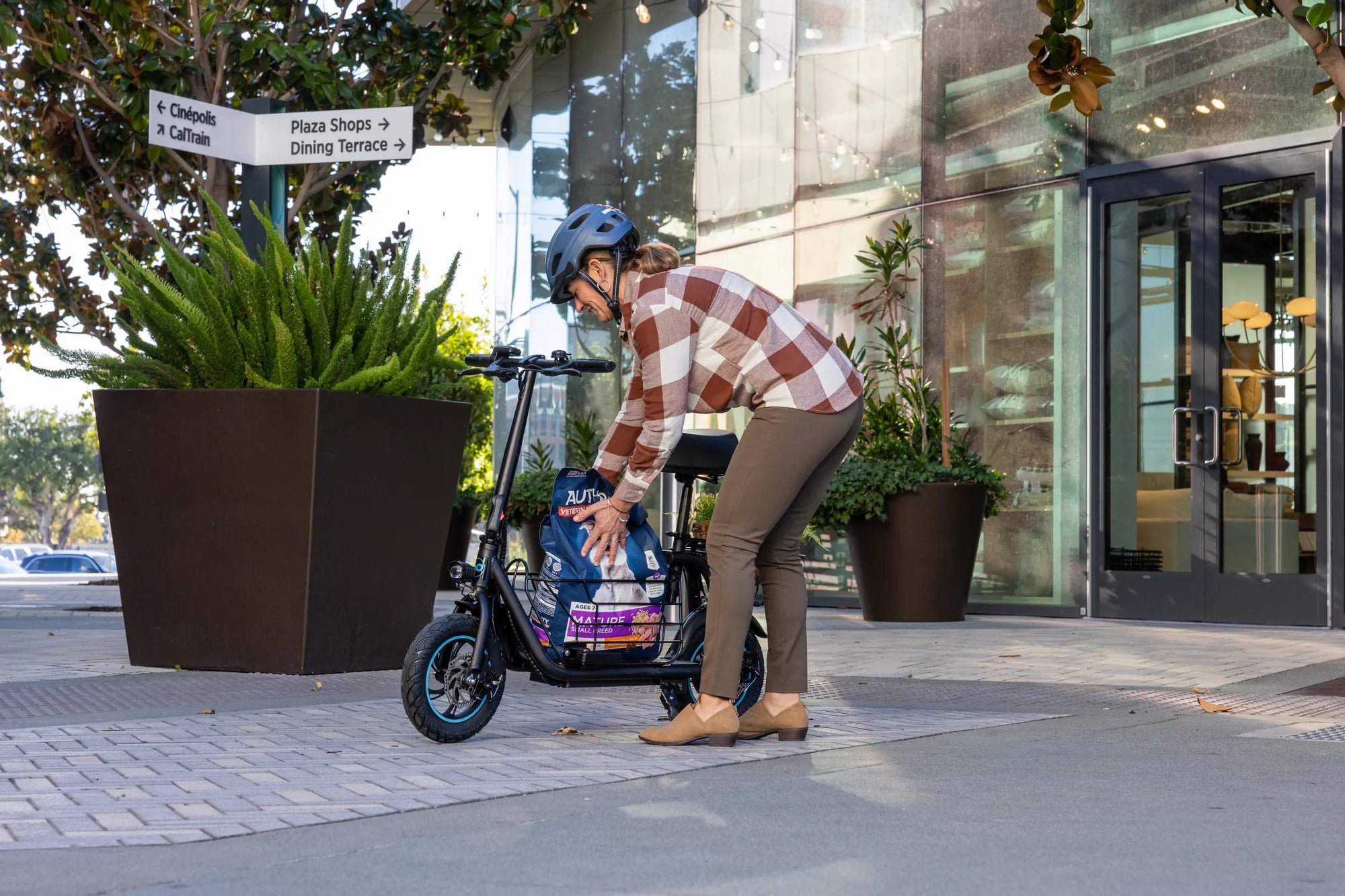
Furthermore, these vehicles are engineered for practical, everyday use. Many models come equipped with integrated storage solutions like front baskets or rear cargo platforms. This transforms a simple ride into a functional tool for running errands, completing local deliveries, or enjoying leisurely outdoor excursions. The electric assist means hills and longer distances become manageable, expanding the user's range of freedom without physical strain.
This article will provide a comprehensive, data-driven analysis to help you understand the full potential of a small trike. We will dissect the key features that define quality, explore specific applications, and provide a clear framework for making an informed purchase. By the end, you will know exactly what to look for in a model that offers confidence, utility, and reliable performance.
Why Choose a Small Trike? Stability, Safety, and Practicality
The decision to choose a small trike over other forms of micro-mobility is rooted in three fundamental benefits: superior stability, enhanced safety, and undeniable practicality. The triangular wheelbase is the defining feature, creating a platform that remains upright whether moving or stationary. This eliminates the need to put a foot down at traffic lights or when loading cargo, a significant advantage for riders of all skill levels and physical abilities.
From a safety perspective, the risk of tipping forward or falling over during low-speed maneuvers is drastically reduced. This is particularly valuable when carrying uneven loads or navigating crowded urban environments like sidewalks and bike lanes. The stable platform also allows for more confident braking, as the rider does not have to manage balance simultaneously. Many quality small trike models enhance this safety with reliable braking systems and bright lighting for visibility.
Practicality is where the small trike truly shines. The design naturally accommodates storage. A front-mounted basket keeps items in view and easily accessible, while rear cargo beds or panniers can handle bulkier loads. This makes a small trike an exceptional tool for grocery shopping, transporting work tools, or even operating a small-scale delivery service. The utility transforms it from a mere vehicle into a mobile utility hub.
Finally, the accessibility factor cannot be overstated. For seniors or individuals with certain mobility challenges, a small trike with a step-through frame and electric pedal assist (or throttle control) can restore a sense of independence. It provides a means of transportation for short trips, social visits, and recreational outings without the requirements of a driver's license in most regions, offering freedom and an improved quality of life.
Key Features to Evaluate in a Quality Small Trike
Selecting the right small trike requires careful evaluation of its core components. Understanding these specifications ensures your investment meets your specific needs for performance, safety, and longevity. A high-quality small trike is defined by its motor, battery, frame construction, and braking system.
Motor Power and Drive Type (Rear vs. Front)
The motor is the heart of an electric small trike. Power ratings typically range from 250W for basic assist on flat terrain to 750W or more for tackling steep hills and carrying heavy cargo. A more powerful motor provides better acceleration and hill-climbing capability but may impact battery range. The drive type is equally critical. Rear-wheel drive offers superior traction, especially under load, as the motor pushes the weight. This is ideal for cargo models. Front-wheel drive can feel more intuitive, pulling the rider along, but may lose traction on slippery surfaces or steep inclines when the front wheel is lightly loaded.
Battery Range and Certification
Battery performance dictates how far you can travel on a single charge. Advertised ranges vary from 15 to over 50 miles, but real-world results depend on factors like rider weight, terrain, assist level, and cargo. The most important specification is battery safety certification. Insist on UL-certified lithium-ion battery packs. Brands like Gyroor use these certified batteries, which undergo rigorous testing for over 500 charge cycles, thermal stability, and short-circuit protection. This certification is a non-negotiable safety feature that also ensures long-term reliability and performance.
Frame Design, Weight Capacity, and Portability
The frame's geometry and build quality determine comfort and utility. Step-through frames offer easy mounting and dismounting, a crucial feature for seniors or those with limited flexibility. Pay close attention to the maximum weight capacity, which includes the rider and any cargo. A robust small trike should support at least 250-300 lbs. For storage and transport, consider if a folding mechanism is necessary. A foldable frame, often made from aluminum alloy, greatly enhances portability, allowing the trike to fit in a car trunk or be stored in a compact apartment space.
Braking Systems and Ride Comfort
Effective braking is paramount for safety, especially on a vehicle that can carry significant weight. Disc brakes, whether mechanical or hydraulic, provide superior stopping power and perform consistently in wet conditions, making them the preferred choice for hilly areas or cargo use. Drum brakes are lower maintenance and adequate for flat, casual riding. Ride comfort is enhanced by suspension systems. Front fork suspension absorbs impacts from road imperfections, while a wide, padded seat and air-filled tires with good tread further smooth out the ride, making longer journeys enjoyable.
Small Trike Applications: From Urban Commuting to Enhanced Mobility
The versatility of the modern small trike allows it to serve distinct and valuable roles in daily life. Identifying your primary use case is the first step in selecting the right model with the appropriate features and specifications.
The Eco-Friendly Urban Commuter
For city dwellers, a small trike is a game-changer for short-distance travel. It effortlessly conquers the "last mile" between home, transit, and work while avoiding traffic congestion and parking fees. The built-in storage basket is perfect for a laptop bag, groceries, or a change of clothes. With electric assist, arriving at your destination sweat-free is easy, even in business attire. This application prioritizes models with a balance of good range (25+ miles), a comfortable upright riding position, and reliable lighting for urban safety.
The Compact Cargo and Delivery Solution
Small businesses, market vendors, and hobbyists are increasingly turning to cargo-specific small trike models. These trikes feature extended rear decks or large front cargo boxes capable of hauling over 100 lbs of goods. They are ideal for farmers' market vendors transporting produce, artisans delivering crafts, or service technicians carrying tools locally. For this use, motor power (500W+), a high weight capacity, and powerful disc brakes are essential features. The stability of the trike platform ensures safe handling even with an unbalanced load.
The Accessible Mobility and Recreation Vehicle
This is perhaps the most impactful application. A small trike provides independence and joy to seniors and individuals with mobility limitations. The stable three-wheel design eliminates the fear of falling, while the electric assist compensates for reduced strength or stamina. It enables users to visit friends, enjoy park paths, and complete light errands on their own terms. Key features here include a very low step-through height, intuitive controls (like a simple thumb throttle), a wide, supportive seat, and a suspension system for joint comfort. In many jurisdictions, these low-speed electric vehicles do not require a license, making them an accessible form of personal transport.
Making the Smart Choice: A Data-Driven Comparison
To cut through marketing claims, use this objective checklist to evaluate any small trike model. This table outlines the critical specifications and features you should compare side-by-side. We've included benchmark examples based on what reputable brands, like Gyroor, offer to illustrate what to look for in terms of safety and quality construction.
| Evaluation Factor | What to Look For | Benchmark Example (e.g., Gyroor Standards) |
|---|---|---|
| Price Point | Value relative to features & build quality. Avoid the cheapest options with unknown components. | Mid-range pricing reflecting quality motors, UL-certified batteries, and robust frames. |
| Motor & Drive | 350W-750W rear-drive motor for reliable traction and hill-climbing. | 500W rear-hub motor with multiple pedal assist levels for versatile performance. |
| Battery (Range & Certification) | Minimum 25-mile real-world range. MUST be UL-certified for safety. | 36V/10.4Ah UL-certified lithium-ion pack, IPX5 water-resistant casing, 500+ cycle life. |
| Max Load Capacity | At least 265 lbs (120 kg) to accommodate rider and cargo. | Sturdy aluminum alloy frame supporting 280+ lbs for added margin of safety. |
| Key Features | Folding mechanism, integrated cargo basket, front suspension, LCD display. | One-step folding, removable front basket, spring front suspension, multi-function display. |
| Warranty & Support | Comprehensive warranty covering frame, motor, and battery with accessible customer service. | 1-year comprehensive warranty with dedicated US-based support team for peace of mind. |
Small Trike FAQ: Your Questions Answered
Q: Do I need a license or insurance for a small electric trike?
A: In most regions of the US and Europe, low-speed electric bicycles and tricycles (with motors under 750W and top assisted speeds of 20-28 mph) are classified as bicycles and do not require a driver's license, registration, or insurance. However, local laws vary, so always check your municipal and state regulations.
Q: How does it handle on hills and different terrains?
A: A small trike with a sufficiently powerful motor (500W+) handles moderate hills well, especially with rear-wheel drive. The stable platform is an advantage on gravel or packed dirt paths. However, due to its fixed rear axle (on most models), sharp, uneven terrain or very soft sand can be challenging. For mixed terrain, look for models with wider, knobby tires and front suspension.
Q: What is the typical maintenance required?
A> Maintenance is relatively low. Key tasks include keeping tires properly inflated, checking brake pad wear, ensuring all bolts are tight (especially after the first few rides), and keeping the chain lubricated if it's a pedal-assist model. The electric system requires little upkeep beyond keeping connectors clean and dry and storing the battery as recommended.
Q: Is it safe to ride in the rain?
A> Modern, well-built electric trikes are designed for all-weather use. The critical factor is the Ingress Protection (IP) rating for the electrical components. An IPX5 rating, like those found on Gyroor models, means the battery and motor casing can withstand water jets from any direction, making riding in rain perfectly safe. Always exercise caution on wet surfaces as braking distances increase.
Q: Can it be used year-round, and how should the battery be stored in winter?
A> You can ride in cooler temperatures, but lithium-ion battery performance decreases in cold weather, reducing range. For winter storage, if you won't be riding for months, charge the battery to about 60%, remove it from the trike, and store it in a cool, dry place indoors (ideally between 32°F and 77°F). Never store a fully depleted or fully charged battery for extended periods.
Conclusion: Finding Your Perfect Ride
Choosing the right small trike is a decision that empowers greater independence, practicality, and enjoyment in daily travel. The process begins by clearly defining your primary use—be it urban commuting, cargo transport, or accessible mobility. From there, prioritize the features that matter most: a stable frame with adequate load capacity, a UL-certified battery for safety, and a motor powerful enough for your local terrain. Do not compromise on these core safety and performance elements for a lower price.
The data-driven checklist provided gives you a clear, objective framework to compare models and identify the one that offers true value. Look for brands that back their products with robust warranties and accessible customer support, hallmarks of a company that trusts its engineering. A quality small trike from a reputable manufacturer is an investment in freedom, utility, and sustainable transport.
Ready to explore models that embody these principles of safety, reliability, and thoughtful design? Browse the full collection of UL-certified, IPX5-rated electric trikes and scooters from a brand trusted by over 100,000 riders. Find your perfect match at gyroorboard.com and take the first step toward stable, electric-powered freedom.
How Fast Is an Ebike: Legal Limits, Motor Power & Real-World Speed
How Fast Is an Ebike: Legal Limits, Motor Power & Real-World Speed