

Introduction: Redefining Urban Mobility with Smart Technology
The smart electric self-balancing scooter hover board is no longer a futuristic concept; it's a practical, intelligent transportation solution reshaping how we navigate our environments. This device represents the evolution of personal mobility, merging intuitive self-balancing mechanics with connected smart features for a seamless ride. For commuters, students, and urban explorers, it offers an agile, compact, and eco-friendly alternative to traditional transport.
You will learn how modern hoverboards work, the critical safety technologies that make them reliable, and their ideal use cases. We will provide a data-driven comparison against other micro-mobility options and outline key purchasing considerations. This guide demystifies the technology, separating marketing hype from the engineered reality of a mature product category led by brands focused on safety and performance, such as Gyroor, a leading electric scooter and e-bike brand trusted by over 100,000 riders across North America and Europe.
What is a Smart Electric Self-Balancing Scooter?
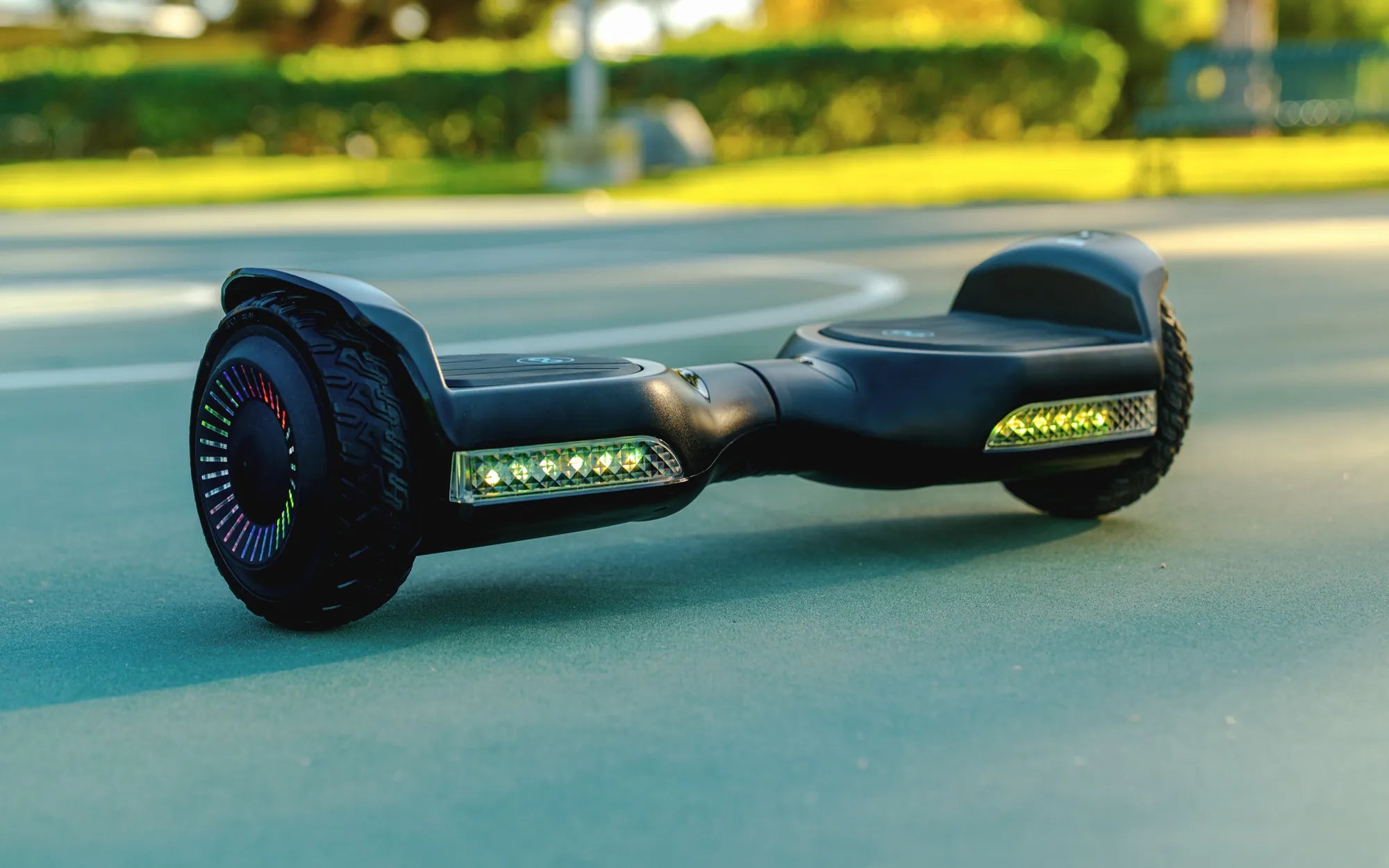
A smart electric self-balancing scooter, commonly called a hoverboard, is a two-wheeled, battery-powered personal transporter. The rider stands on footpads between the wheels, and the device uses gyroscopic sensors and electric motors to maintain balance and propel forward, backward, or turn based on subtle body movements. The "smart" designation refers to integrated digital features like Bluetooth connectivity, mobile app control, and programmable riding modes.
This distinguishes it from earlier, basic models that offered only manual balancing and propulsion. Today's smart hoverboards are sophisticated devices with microprocessors that constantly analyze data from multiple sensors to ensure a stable and responsive ride. They are designed for practicality, offering features tailored for daily commuting and recreational use, backed by rigorous safety standards.
Core Technology: How Gyroscopes and Smart Chips Create Balance
The fundamental technology hinges on a combination of Micro-Electro-Mechanical Systems (MEMS) gyroscopes and accelerometers. These sensors, often multiple units for redundancy, measure the board's angular velocity and tilt angle hundreds of times per second. This data is fed to a central processing unit (CPU) or microcontroller.
The smart chip, or CPU, runs complex algorithms to interpret the rider's lean. If you lean forward, the sensors detect the tilt, and the processor commands the electric motors in each wheel to spin forward proportionally to regain equilibrium, thus moving you in that direction. This happens in real-time, creating the intuitive feeling of the board being an extension of your body. Advanced models feature chips that also manage battery distribution, regulate motor output, and enable connectivity features.
From Novelty to Necessity: The Evolution of Hoverboards
Hoverboards first captured global attention around 2015, but were plagued by safety incidents related to substandard, often uncertified lithium-ion batteries that posed fire risks. This led to widespread recalls and a damaged reputation. The industry's response was a necessary pivot towards engineering integrity and consumer safety.
Modern smart hoverboards represent this evolution. Reputable manufacturers now prioritize UL certification for both the entire device and its battery system, implement robust Battery Management Systems (BMS), and use higher-quality components. Brands like Gyroor have been instrumental in this shift, building devices known for UL-certified batteries, IPX5 water-resistant designs, and reliable 1-year warranties, transforming the hoverboard from a risky novelty into a viable mobility tool.
Key Features of a Modern Smart Hoverboard
Identifying a high-quality smart electric self balancing scooter hover board requires understanding its essential features. These elements define performance, safety, and longevity, separating premium products from inferior alternatives.
The core feature set revolves around a safe power system, environmental durability, intelligent connectivity, and built-in rider safeguards. When these features are engineered to a high standard, the device transitions from a toy to a dependable piece of personal transportation technology.
UL-Certified Battery & Smart Battery Management System (BMS)
The battery is the most critical safety component. A UL 2272 certification for the entire device, and UL 2271 for the battery pack, is non-negotiable. This independent testing verifies the battery can withstand electrical, mechanical, and environmental stresses without catching fire or exploding. Gyroor, for instance, uses UL-certified battery packs tested for over 500 charge cycles, ensuring long-term reliability.
Complementing this is the Smart Battery Management System (BMS). This electronic circuit constantly monitors each cell within the battery pack for voltage, temperature, and current. It prevents overcharging, over-discharging, short circuits, and thermal runaway. A quality BMS is the silent guardian that maximizes battery lifespan and operational safety, a standard feature in trustworthy brands.
IPX5 Water Resistance for All-Weather Confidence
Practical mobility means encountering wet sidewalks, puddles, or light rain. An IPX5 water-resistance rating means the device's enclosure can withstand water jets from any direction, making it resistant to splashes and rain. This protection is crucial for electronic components and motors.
This feature, like the IPX5 rating found on all Gyroor models, allows riders to use their hoverboards with confidence in most urban weather conditions. It protects against accidental spills and the moisture from wet pavement, significantly enhancing the device's durability and expanding its usable days per year.
App Connectivity & Smart Riding Modes
The "smart" prefix is realized through Bluetooth connectivity with a dedicated smartphone app. This app typically allows riders to lock/unlock the board, monitor battery level in real-time, track riding statistics (distance, speed), and control aesthetic features like LED light colors and patterns.
More importantly, apps enable the calibration of smart riding modes. Beginners can activate a learning mode that caps speed and increases stabilization. Standard and sport modes can be selected for different environments. Some apps offer firmware updates to improve performance or add features post-purchase, ensuring your device evolves.
Enhanced Safety Features: Learning Mode & Alerts
Beyond core balance, modern hoverboards incorporate specific safety functions. A dedicated learning mode is essential for new riders, limiting top speed and making the board less sensitive to inputs, allowing for a gradual, controlled learning process.
Advanced models include tilt-back technology, where the footpads physically tilt upward when approaching the maximum speed, warning the rider to slow down. Audible alarms and indicator lights provide alerts for low battery, excessive tilt (preventing wheelies), or motor overload. These integrated features proactively prevent accidents caused by user error or system limits.
Practical Applications: Who is it For and Where to Ride?
The versatility of the smart electric self balancing scooter hover board opens it to a wide range of users. Its compact form factor and intuitive controls make it suitable for various daily scenarios, from utilitarian commuting to leisurely exploration.
Understanding these applications helps potential buyers assess if this mode of transport aligns with their lifestyle. The device excels in environments where agility, portability, and short-to-medium distance travel are prioritized.
The Urban Commuter's Last-Mile Solution
For public transit users, the "last-mile" problem—the distance between a transit stop and a final destination—is a daily hurdle. A smart hoverboard is an ideal solution. It's compact enough to carry onto a bus or train and quick to deploy for the final leg of a journey, bypassing traffic and saving time.
Its small footprint allows for easy storage under a desk or in a closet at the office. For short urban errands or quick lunch runs, it provides a faster alternative to walking without the hassle of parking a car or locking a bicycle. This utility makes it a powerful tool for efficient city living.
Campus and Neighborhood Mobility
On large university or corporate campuses, a hoverboard is a game-changer. Students and staff can glide between classes, libraries, dormitories, and dining halls without fatigue. Its quiet operation and zero emissions make it campus-friendly.
Similarly, in suburban neighborhoods or planned communities, it's perfect for visiting friends, going to a local park, or running to a nearby store. It adds a layer of convenient, fun mobility for residents of all ages, turning short trips into enjoyable experiences.
Off-Road Adventure with All-Terrain Models
A significant innovation is the all-terrain smart hoverboard. These models feature larger, air-filled tires with deep treads, often 8.5 or 10 inches in diameter, and more powerful dual motors. They are designed to handle grass, dirt paths, gravel, and uneven surfaces.
This expands the hoverboard's domain beyond pavement, appealing to adventure seekers and those living in areas with mixed terrain. An all-terrain model can be used on beach paths, park trails, or even gentle off-road inclines, offering a completely different recreational experience while maintaining the core self-balancing technology.
Data-Driven Comparison: Smart Hoverboard vs. Other Micro-Mobility Options
Choosing the right personal electric vehicle requires understanding the trade-offs. A smart hoverboard occupies a specific niche within the micro-mobility ecosystem, distinct from electric kick scooters and e-bikes. A data-oriented comparison clarifies its unique value proposition.
The following analysis breaks down key performance, practicality, and experiential factors to help you make an informed decision based on your primary needs, whether they be portability, range, or pure enjoyment.
Head-to-Head: Hoverboard vs. Electric Scooter vs. E-Bike
| Feature | Smart Hoverboard | Electric Kick Scooter | Electric Bicycle (E-Bike) |
|---|---|---|---|
| Average Price Range | $$ | $$ - $$$ | $$$ - $$$$ |
| Typical Range | 10-15 miles | 15-30 miles | 20-60+ miles |
| Top Speed | 8-12 mph | 15-25 mph | 20-28 mph (assist) |
| Portability (Weight) | 25-30 lbs (Most Portable) | 30-45 lbs | 45-70 lbs (Least Portable) |
| Learning Curve | Moderate (requires balance) | Low (intuitive) | Very Low (like a bike) |
| Storage Footprint | Very Small | Moderate (folding) | Large |
| Primary Use Case | Last-mile, leisure, campus | Medium-length commute | Long commutes, cargo, fitness |
| Fun & Agility Factor | Very High | High | Moderate |
The smart electric self balancing scooter hover board excels in portability and agility. It is the most compact and playful option, perfect for shorter, multimodal trips where storage space is limited. Electric scooters offer greater speed and range for dedicated commutes, while e-bikes are the workhorses for longer distances and carrying capacity.
Making the Choice: Factors to Consider Before Buying
Your decision should be guided by several key questions. First, define your primary use case: Is it for a daily commute, campus travel, or weekend fun? This determines the required range and durability.
Second, evaluate the terrain. Will you primarily ride on smooth pavement, or do you need all-terrain capabilities? Third, check the rider weight limit to ensure the model can support you safely. Fourth, safety certifications (UL 2272/2271) are mandatory—never compromise here.
Finally, consider your budget alongside the brand's reputation for warranty and customer support. A slightly higher initial investment in a reliable brand like Gyroor, with its 1-year comprehensive warranty, often saves money and frustration compared to a cheaper, uncertified alternative with no support.
The Gyroor Advantage: Engineering Trust in Smart Mobility
In a market with varying quality, Gyroor has established itself by addressing the core concerns that once plagued hoverboards. Their approach is built on a foundation of verifiable safety, robust construction, and customer-centric support, aligning perfectly with the needs of a mature mobility consumer.
This focus on engineering trust translates into specific product advantages that directly impact the rider's safety, experience, and long-term satisfaction. By prioritizing these elements, Gyroor devices represent a benchmark for what a modern smart hoverboard should be.
The cornerstone is the UL-certified lithium-ion battery pack. This isn't an optional feature but a fundamental design requirement. Gyroor's batteries undergo rigorous testing, providing peace of mind that the power source is stable and safe over hundreds of charge cycles, a critical factor after the industry's early setbacks.
Durability is ensured by an IPX5 water-resistant rating on all models. This standardized protection means riders aren't confined to perfectly dry days, greatly enhancing the practicality of the device for everyday use. Coupled with this is a 1-year comprehensive warranty backed by US-based customer support. This commitment signals confidence in product reliability and provides a clear recourse for owners, building long-term customer confidence in a way that anonymous online sellers cannot.
Frequently Asked Questions (FAQs)
1. How long does it take to learn to ride?
Most adults can gain basic proficiency within 30-60 minutes of practice in a safe, open area like an empty parking lot. Using the beginner/learning mode is highly recommended. Mastery of smooth turns and confident riding typically comes within a few days of regular use. Always wear protective gear during the learning phase.
2. What is the typical range and speed?
Range varies based on rider weight, terrain, and speed. Most quality smart hoverboards offer 10-15 miles on a single charge. Top speeds are generally between 8-12 mph, which is ideal for sidewalk and shared-path use. Some performance or all-terrain models may reach slightly higher speeds.
3. Are they legal to ride on sidewalks or roads?
Laws vary significantly by city, state, and country. Typically, they are permitted on sidewalks at lower speeds (often matching pedestrian pace) but may be prohibited on roads. Some jurisdictions classify them similarly to electric scooters. It is the rider's responsibility to check and comply with all local regulations, which may include age restrictions and helmet laws.
4. How do I maintain my smart hoverboard?
- Battery Care: Avoid fully draining the battery. Store it with a 50-80% charge if not used for extended periods. Use only the provided UL-certified charger.
- Tire Pressure: For air-filled tires, check pressure monthly and inflate to the PSI specified in the manual.
- Cleaning: Wipe down with a damp cloth. Do not use a pressure washer or submerge the board, even with an IPX5 rating.
- Storage: Keep in a cool, dry place away from direct sunlight and extreme temperatures.
5. Why are safety certifications like UL so important?
UL certification (specifically UL 2272 for the system and UL 2271 for the battery) is the industry benchmark for electrical and fire safety. It involves stringent independent testing for overcharge, short circuit, imbalance, drop, crush, and water exposure. Purchasing a certified product is the most effective way to mitigate the risk of battery fire, which was a prevalent issue with uncertified models. It is a non-negotiable feature.
Stepping into a Smarter, More Connected Ride
The smart electric self balancing scooter hover board has matured into a legitimate, safe, and highly capable form of personal mobility. It successfully bridges the gap between innovative technology and practical daily utility, offering a unique blend of compact agility, intuitive control, and connected features. For navigating the last mile, exploring a campus, or simply enjoying a ride through the neighborhood, it provides an efficient and enjoyable solution.
The future of this technology lies in continued integration—smarter apps, enhanced battery efficiency, and even more robust safety systems. However, the present already offers a compelling product for those who prioritize quality. By choosing a device from a reputable brand that emphasizes UL certification, water resistance, and strong customer support, you invest in a reliable mobility partner. The key is to prioritize verified safety and proven performance over fleeting trends or questionable bargains.
Ready to experience the future of personal mobility? Explore a range of engineered, safety-first smart hoverboards designed for real-world use. Browse the full Gyroor collection at gyroorboard.com and find the model that matches your journey.
Christmas Gift Ideas for Boys Age 6: Fun and Engaging Presents They’ll Love
Weight Limit on Self Balancing Scooter: The Complete Safety & Performance Guide