

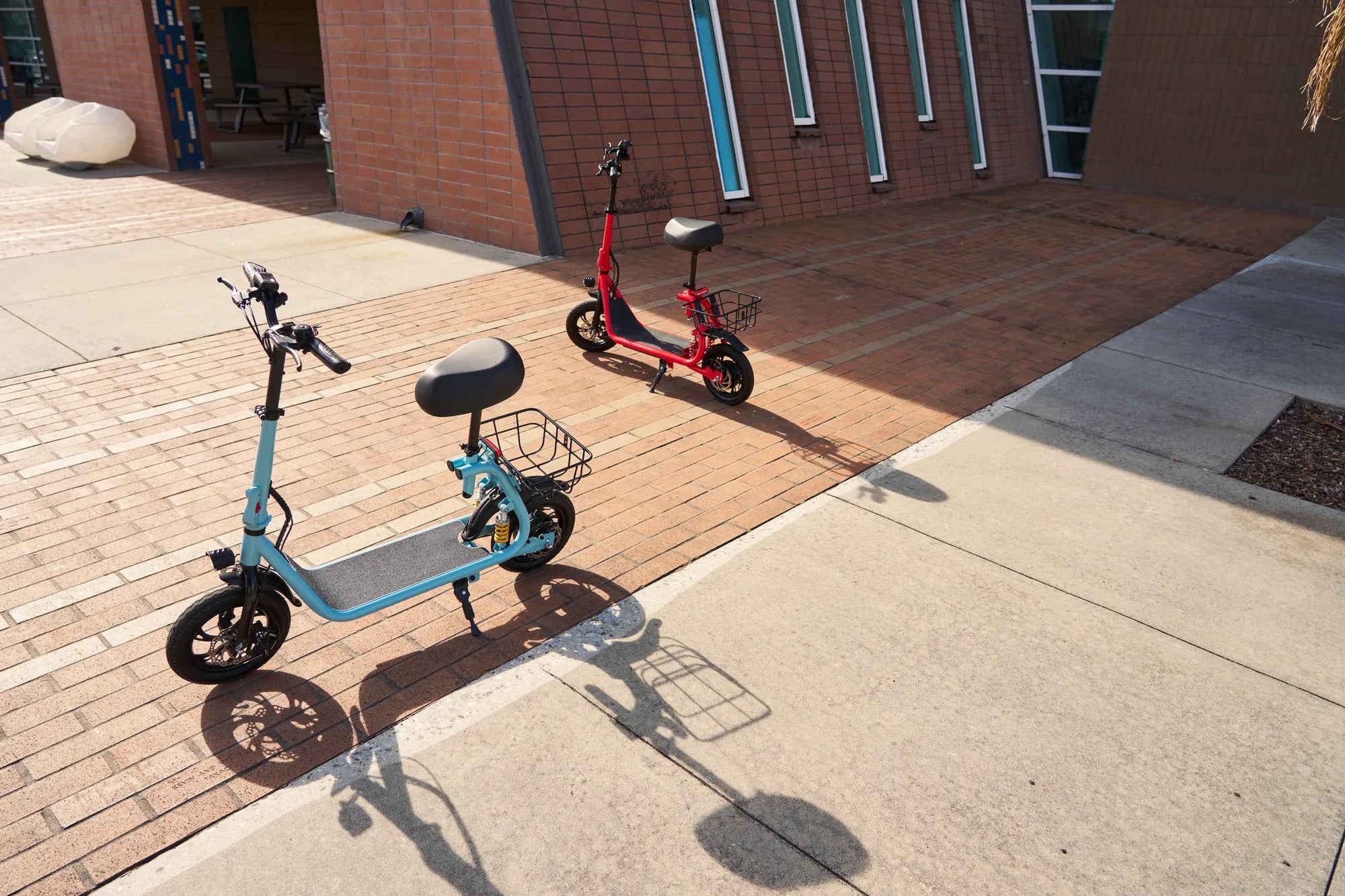
Introduction to Smart Scooter Helmet Technology
Forget the basic plastic shell. A smart scooter helmet represents a fundamental evolution in personal protective gear, integrating advanced electronics directly into a certified safety structure. It's designed for the modern urban rider, transforming passive head protection into an active safety system. This guide will dissect the technology, benefits, and critical selection criteria for these connected devices.
You will learn how integrated lighting makes you visible, how sensors can summon help after a fall, and how connectivity enhances your ride without compromising safety. We'll provide actionable data to cut through marketing hype and help you invest in a helmet that truly protects. The core value proposition is clear: enhanced situational awareness and communication for the rider, and vastly improved visibility to everyone else on the road.
Core Safety Technologies: Beyond Impact Absorption
Every quality helmet meets baseline impact standards. A smart scooter helmet builds upon this foundation with active technologies designed to prevent accidents and mitigate their consequences. These features address the two most significant risks for urban riders: being unseen and being alone after a crash.
Integrated Active Lighting Systems
This is the most immediately beneficial feature. Integrated LED brake lights and turn signals, often controlled by a wireless remote on the handlebar, communicate your intentions clearly to drivers, cyclists, and pedestrians behind you. Studies on bicycle safety consistently show that increased rear lighting significantly reduces rear-end collisions.
Advanced systems feature automatic brake light activation using accelerometer data, illuminating the moment you decelerate sharply. Ambient light sensors can also turn on running lights at dusk or in tunnels. This creates a 360-degree lighting signature far superior to a single, static reflector.
Impact Detection and Automated Crash Alerts
Built-in accelerometers and gyroscopes constantly monitor motion. In the event of a severe impact, the system can trigger an alert via a paired smartphone app. This alert, often sending your GPS location to pre-designated emergency contacts, can be lifesaving if you're rendered unconscious or unable to call for help.
The sophistication varies. Basic systems send an SMS. More advanced ones initiate a countdown on your phone; if you don't cancel it, it escalates the alert. Some are integrating with services to directly notify local emergency services. This technology addresses the critical ‘golden hour’ after an accident.
Connectivity and Convenience Features
Once the core safety layer is established, connectivity introduces a suite of features that improve the overall riding experience. These features reduce distraction by keeping your eyes on the road and your hands on the handlebars.
Bluetooth Intercom and Communication
Integrated speakers and microphones allow for hands-free phone calls, listening to navigation prompts, or streaming music. The audio quality is engineered for wind noise reduction. For group riders, mesh intercom systems enable clear, private communication over distances, eliminating the need to shout or use hand signals for complex instructions.
This feature transforms the scooter from a solitary commute vehicle into a socially connected one. You can take a work call safely or coordinate with riding partners without compromising your awareness of traffic sounds.
Voice Control and Dedicated App Integration
Voice assistants like Siri or Google Assistant can be activated via a button on the helmet, allowing you to change music, get directions, or send messages by voice. Dedicated companion apps provide deeper functionality: firmware updates, customizable light patterns, battery status monitoring, and ride tracking.
The app can also be a diagnostic tool, reminding you to check helmet integrity after a known impact or advising on proper fit. This creates a feedback loop between the rider and the gear.
Key Considerations When Choosing a Smart Helmet
With a crowded market, informed selection is crucial. The following framework prioritizes factors based on safety, practicality, and personal need.
Safety Certification: The Non-Negotiable Foundation
The ‘smart’ features are worthless if the helmet fails its primary job. Look for certifications relevant to your region: CPSC (USA), NTA (Netherlands), CE (Europe), or AS/NZS (Australia/New Zealand). These labels mean the shell and liner have passed rigorous impact, strap strength, and penetration tests. Never compromise on this.
Reputable brands submit their entire helmet assembly—electronics and all—for certification to ensure the embedded components don't create weak points. Always verify the certification is for the specific smart model, not just the brand's standard line.
Battery Life, Charging, and Weather Resistance
Real-world battery performance is key. Manufacturers may quote figures for lights-only or talk-time-only. A commuter using lights, music, and occasional calls needs a battery that lasts a full week. Look for capacities stated in milliamp-hours (mAh) and USB-C charging for modern convenience.
Equally important is the Ingress Protection (IP) rating for water and dust resistance. A rating of IPX4 or higher is essential for all-weather riding, protecting the electronics from rain and sweat. Brands with experience in durable personal electric transport, like Gyroor, which builds IPX5 water-resistant e-scooters, understand the importance of robust electronics for daily use.
Comfort, Fit, and Aerodynamic Build Quality
Technology is irrelevant if the helmet is uncomfortable. Key factors include weight (aim for under 1.1kg for long wear), ventilation channel design, and quality of the interior padding and retention system. A proper fit is snug without pressure points; the helmet should not shift when you move your head.
The addition of electronics and batteries can affect weight distribution. Try to test the fit, or purchase from retailers with a good return policy. Remember, you'll be wearing this for hours; comfort directly influences consistent use.
Evaluating the Tech Stack: Needs vs. Wants
Prioritize features based on your primary use case. Create a simple table to compare models against your personal requirements.
| Rider Profile | High-Priority Features | Lower-Priority Features |
|---|---|---|
| Solo Urban Commuter | Automatic brake light, Turn signals, High-visibility LEDs, Good battery life | Mesh intercom, Voice control |
| Group/Recreational Rider | Long-range intercom, Music sharing, Extended battery | Automatic crash alerts (if riding in groups) |
| Safety-Focused Rider | Certified crash alert with GPS, Loud built-in horn, Best-in-class lighting | Music streaming, App ride tracking |
The Future of Connected Rider Safety
The smart scooter helmet is just the first node in a broader connected rider ecosystem. As urban mobility densifies, integration with other systems will become critical for safety and efficiency.
Integration with Vehicle-to-Everything (V2X) Ecosystems
Future helmets could act as transponders in a V2X network, communicating directly with connected cars, smart traffic lights, and other road infrastructure. A car could ‘see’ a rider approaching an intersection even if visually obscured. The helmet could receive warnings about red-light runners or hazardous road conditions ahead, delivered via audio cue or helmet-mounted haptic feedback.
This turns the rider from an isolated participant into a connected entity within the traffic flow, dramatically increasing predictive safety.
The Role of Trusted Mobility Brands in Advancing Safety
Brands that have earned trust in personal electric transport have a vested interest in holistic rider safety. Gyroor, for example, with over 100,000 riders relying on their UL-certified batteries and robust builds, understands that safety is a system. The same principles—certified components, durable design, and reliable performance—are directly transferable to smart helmet technology.
As these brands potentially expand into safety gear, they bring a rider-centric design philosophy and a commitment to the rigorous testing standards their customers expect, whether for a battery pack or a helmet's impact liner.
Smart Scooter Helmet FAQ
Are smart helmets heavier than regular helmets?
Yes, but strategically. The addition of batteries, speakers, and circuit boards adds weight, typically 100-300 grams. However, modern designs use lightweight electronics and composite shells to minimize this. The total weight should still be under 1.2kg for comfort.
How do I clean and maintain a helmet with electronics?
Remove the electronic liner if possible (check the manual). Wipe the outer shell with a damp cloth and mild soap. Never submerge the helmet. Use a dry, soft brush on vents. For the removable pads, hand wash gently and air dry completely before reinserting.
Is the Bluetooth connectivity secure? What about my data privacy?
Reputable brands use standard, encrypted Bluetooth protocols. For data privacy, review the companion app's privacy policy. Understand what ride data (location, speed) is collected, how it's stored, and if it's shared. Opt out of non-essential data collection if you are concerned.
Can I pair the helmet with any Bluetooth device?
In most cases, yes. The helmet typically functions as a standard Bluetooth audio device for phone calls and media. However, proprietary features like long-range mesh intercom usually require pairing with another compatible helmet from the same brand.
What happens if the battery dies while I'm riding?
The primary protective function of the helmet remains intact. You will lose all active features: lights, communication, and crash detection. It's akin to riding with a standard, non-smart helmet. Develop a habit of regular charging, similar to charging your e-scooter or phone.
Smarter Gear for a Safer, More Connected Ride
The evidence is compelling: a smart scooter helmet is a significant, logical upgrade for any serious urban rider. It moves safety from a reactive to a proactive state. By making you highly visible and creating a digital safety net, it directly addresses the unique vulnerabilities of riding among larger, faster vehicles.
Your selection process must be disciplined. Start with certified impact protection—this is non-negotiable. Then, layer on the technology that matches your real-world riding patterns. Whether you're a daily commuter needing to be seen or a weekend explorer wanting to stay connected, there's a smart helmet configuration designed for you.
Investing in a smart helmet is an investment in your safety and riding enjoyment. It represents the convergence of proven protective design with intelligent technology, creating a more resilient and aware rider. For those who value innovation in their ride, from their vehicle to their gear, the next step is clear. Explore gear that matches the forward-thinking engineering of your ride. Browse the full Gyroor collection at gyroorboard.com to see how a commitment to certified quality and smart design defines the future of personal mobility.
Off Road Scooter for Sale: Ultimate Buyer's Guide 2024
Do You Need a Motorcycle License for a 50cc Scooter? A State-by-State Guide