



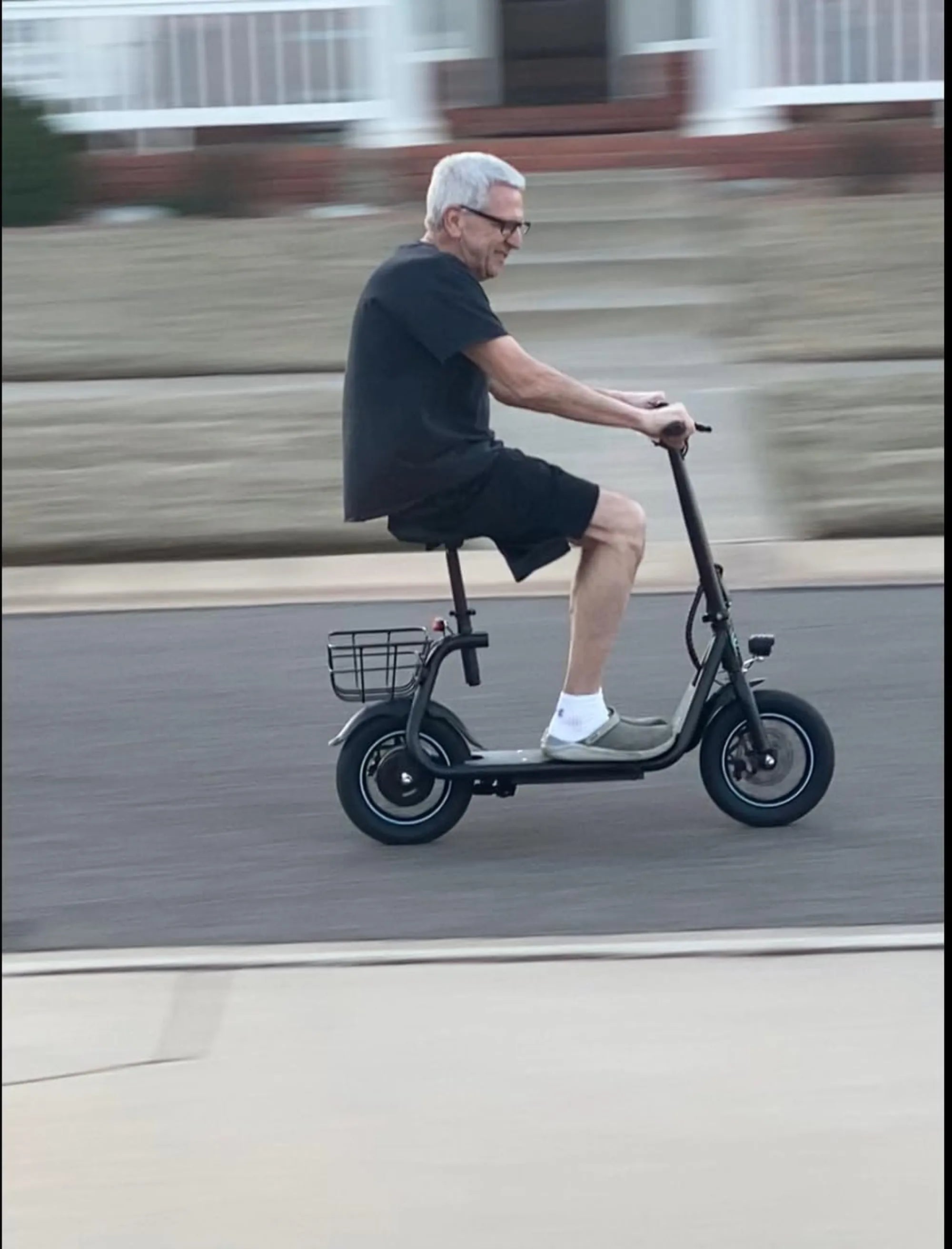
Introduction to the Sport Electric Scooter Revolution
The era of the electric scooter as a simple last-mile toy is over. A new class of vehicle has emerged, engineered for power, durability, and versatility: the sport electric scooter. These machines represent a fundamental shift, positioning sport electric scooters as the future of urban mobility and adventure.
Defined by higher wattage motors, advanced suspension, and rugged construction, sport models bridge two worlds. They transform the daily grind of commuting into an agile, efficient, and enjoyable experience while unlocking access to trails and terrain previously reserved for mountain bikes or dirt bikes. This article provides a comprehensive, data-driven analysis of this dynamic segment. You will learn the key engineering features, compare performance specifications, understand vital safety certifications, and discover how these vehicles are reshaping how we move and explore.
Engineering the Thrill: Key Features of a True Sport E-Scooter
Distinguishing a sport electric scooter from a basic commuter model requires examining its core technical specifications. Performance is not an afterthought; it is the foundational design principle, achieved through integrated systems built for demanding use.
The difference is measurable in acceleration, top speed, range under load, and ride quality on imperfect surfaces. A true sport scooter is a cohesive system where the motor, battery, frame, and suspension work in concert to deliver a controlled, powerful, and responsive ride, whether navigating city streets or a gravel path.
Power & Performance: Motors, Batteries, and Speed
At the heart of any sport electric scooter is its powertrain. While commuter scooters often utilize single motors ranging from 250W to 500W, sport models typically start at 500W and can exceed 2000W in dual-motor configurations. Dual motors provide exceptional torque for rapid acceleration and superior hill-climbing capability, often handling grades of 25% or more.
This power demand requires a robust electrical system and high-quality battery. Sport scooters commonly operate on 48V or 52V systems, compared to the 36V standard for many entry-level models. This higher voltage allows for greater efficiency and sustained power output. The battery itself is critical. High-drain performance necessitates a battery pack with high-grade cells and a robust Battery Management System (BMS). For instance, leading brands like Gyroor utilize UL-certified lithium-ion battery packs, tested for over 500 charge cycles, ensuring safe, reliable power delivery even under maximum load.
Real-world top speeds for sport scooters generally range from 20 mph (32 km/h) to over 40 mph (64 km/h), with local regulations being the primary limiting factor. It is crucial to note that maximum advertised range is often calculated under ideal conditions. Riding at top speed, especially with dual motors engaged, can reduce the range by 30-40% due to increased energy consumption.
Built for the Challenge: Suspension, Tires, and Frame
Performance is meaningless without control and durability. A sport scooter's chassis is built to manage the forces of high speed and rough terrain. The suspension system is the first line of defense. While basic scooters may have only front or rear spring suspension, or none at all, sport models feature full hydraulic or advanced spring suspension at both wheels.
This system absorbs impacts from potholes, curbs, and trail irregularities, maintaining tire contact with the ground for better traction and a significantly smoother, safer ride. Paired with suspension are the tires. Sport models favor larger pneumatic (air-filled) tires, typically 8.5 inches or more in diameter. Off-road or all-terrain variants feature knobby tread patterns that provide grip on loose dirt, gravel, and grass.
The frame material and design are equally important. Aircraft-grade aluminum alloys are standard for their optimal strength-to-weight ratio. The geometry is reinforced at stress points like the stem and deck to handle jumps, drops, and hard braking. This robust construction ensures the scooter remains agile and responsive without compromising safety.
Control and Safety: Braking Systems and Lighting
With increased speed and capability comes a paramount need for reliable stopping power and visibility. Sport electric scooters employ advanced braking systems that far exceed the foot brakes or basic disc brakes on commuter models. A common and effective setup is a dual braking system, combining a front hydraulic disc brake with a rear electronic or regenerative brake.
Hydraulic disc brakes offer superior modulation and consistent performance in varied weather conditions. Electronic brakes use the motor to create resistance, slowing the scooter while often feeding a small amount of energy back into the battery. This multi-system approach provides redundancy and powerful, controlled deceleration.
Integrated lighting is a non-negotiable safety feature for a vehicle capable of night rides. A bright LED headlight (often exceeding 1000 lumens) illuminates the path ahead, while a brake light that activates automatically during deceleration alerts traffic from behind. Additional deck or stem-mounted ambient lights further increase rider visibility, a critical factor for both urban and adventure use.
The Dual Life: Urban Commuting and Off-Road Adventure
The defining characteristic of a sport electric scooter is its versatility. It seamlessly transitions between two distinct roles: a high-efficiency urban commuter and a capable off-road explorer. This dual-purpose nature maximizes its utility and justifies its position as a primary vehicle for many users.
This flexibility addresses the modern individual's need for practical daily transport and accessible recreational escape. The same machine that efficiently carries you to work can, on the weekend, open up a network of forest trails or beach paths, all without the need for a car rack or special transport.
Conquering the Concrete Jungle: The Urban Commute
For the urban commuter, a sport electric scooter transforms the journey. The powerful motor eliminates range anxiety and makes short work of steep hills that would stall lesser scooters. The extended range, often 25-40 miles on a single charge, comfortably covers round-trip commutes for most city dwellers, with less frequent charging.
The full suspension system is a game-changer for urban infrastructure. It effortlessly smooths out cobblestones, tram tracks, potholes, and cracked pavement, reducing rider fatigue and increasing comfort. The larger pneumatic tires provide more stability and a safer ride over grates and manhole covers. When paired with a water-resistant design like an IPX5 rating, the commute continues reliably in light rain or on wet streets, a feature brands like Gyroor build into their performance models for all-weather readiness.
Unleashing Adventure: Trail Riding and Off-Road Exploration
Beyond the city limits, the sport electric scooter reveals its adventurous spirit. With the right tires and suspension, it can handle packed dirt trails, gravel fire roads, grassy fields, and sandy paths. This capability democratizes outdoor exploration, requiring less skill and physical exertion than mountain biking while offering a unique, thrilling experience.
The key to off-road performance lies in the combination of features discussed: knobby tires for traction, ample suspension travel for absorbing bumps and drops, and a high-clearance deck to avoid scraping on obstacles. The instant torque from the electric motor provides precise control for navigating tricky sections. It is essential to manage expectations; these are not dirt bikes. They excel on mild to moderate trails, opening up a new category of lightweight, electric-powered adventure.
Data-Driven Decision: Comparing Sport Scooter Specifications
Choosing the right sport electric scooter requires careful comparison of specifications aligned with your primary use case. The table below outlines key metrics to evaluate, illustrating the trade-offs between urban-focused and adventure-capable models. This data provides a framework for informed decision-making.
| Specification | Urban-Performance Model | Adventure-Ready Model | Considerations |
|---|---|---|---|
| Motor Power | 500W - 800W Single | 1000W+ Dual Motor | Dual motors excel in hills & off-road; single motors offer sufficient urban power with better efficiency. |
| Max Speed | 20 - 25 mph (32 - 40 km/h) | 25 - 40+ mph (40 - 64+ km/h) | Check local legal limits. Higher speed requires more protective gear. |
| Max Range | 25 - 35 miles (40 - 56 km) | 20 - 40 miles (32 - 64 km) | Range decreases significantly at top speed, in cold weather, or on rough terrain. |
| Suspension Type | Front & Rear Spring | Front & Rear Hydraulic | Hydraulic offers smoother, more adjustable damping for aggressive riding. |
| Tire Type | 8.5" - 10" Pneumatic (Street Tread) | 10"+ Pneumatic (Knobby/Off-road Tread) | Larger, knobby tires improve off-road traction but may increase rolling resistance on pavement. |
| Water Resistance | IPX4 (Splash Resistant) | IPX5 (Water Jet Resistant) | IPX5, as found on Gyroor models, provides confidence in rain and wet conditions. |
| Warranty & Support | 1-Year Limited | 1-Year Comprehensive | Seek clear warranty terms covering the motor, battery, and frame with accessible customer service. |
Why Trust Matters: Safety, Certification, and Warranty in High-Performance Rides
When operating a vehicle capable of higher speeds and demanding use, the quality of its construction and the integrity of its components are not just features—they are imperatives. Investing in a sport electric scooter from a reputable brand with transparent safety certifications is an investment in personal safety and long-term reliability.
The market for high-performance personal electric vehicles includes products with varying standards. Trustworthy manufacturers distinguish themselves through third-party certifications, durable design ratings, and strong customer support policies that stand behind their products.
The Critical Role of UL-Certified Batteries
The battery is the most critical safety component in any electric scooter. High-performance models place significant demand on their battery packs. A UL certification (from Underwriters Laboratories) means the battery has undergone rigorous independent testing for electrical, mechanical, and fire safety.
This certification tests for issues like overcharging, short-circuiting, and thermal runaway—a chain reaction that can lead to fires. Brands that prioritize safety, such as Gyroor, use UL-certified battery packs tested for over 500 charge cycles. This ensures not only safety but also long-term capacity retention, meaning your scooter will maintain its range and power for years of use.
Durability for All Conditions: The Importance of IPX5 Rating
A sport electric scooter is designed for the real world, where weather can change quickly. The IP (Ingress Protection) rating defines a product's resistance to dust and water. An IPX5 rating specifically means the scooter's electrical components are protected against low-pressure water jets from any direction.
In practical terms, this allows you to ride confidently in light to moderate rain, through puddles, or on damp roads without fear of water damage causing a short circuit or motor failure. It is a key indicator of build quality and durability, ensuring the scooter's adventure potential isn't limited by a light shower. This feature is standard on robust models designed for versatile use.
Investing with Confidence: Understanding the 1-Year Comprehensive Warranty
A strong warranty reflects a manufacturer's confidence in its product. For a complex mechanical and electrical device like a sport scooter, a comprehensive 1-year warranty should cover the core components: the motor, battery, controller, and frame against manufacturing defects.
This coverage provides significant peace of mind. It means that if a component fails under normal use within the warranty period, the manufacturer will repair or replace it. Coupled with accessible customer support—like the US-based service offered by established brands—this warranty minimizes downtime and protects your investment. It transforms the scooter from a disposable gadget into a reliable vehicle.
Frequently Asked Questions (FAQ) About Sport Electric Scooters
Q1: What is the real-world range when riding at top speed?
Expect a 30-40% reduction from the advertised maximum range. A scooter rated for 40 miles at 15 mph may only achieve 25-28 miles if ridden consistently at its top speed of 25+ mph, due to increased aerodynamic drag and motor load.
Q2: Are sport electric scooters legal on roads and bike paths?
Laws vary widely by city, state, and country. Generally, local regulations govern maximum speed (often 15-20 mph for bike paths), power output, and where they can be ridden. Always check your local ordinances. Most sport scooters allow speed limiting via their display to comply with local laws.
Q3: How much maintenance do they require compared to commuter models?
They require more attentive maintenance due to higher performance stresses. Key tasks include regularly checking tire pressure, inspecting brake pads (especially disc brakes) for wear, ensuring suspension bolts are tight, and keeping the drivetrain clean. A pre-ride safety check is highly recommended.
Q4: Can they be used safely in the rain?
Models with an IPX5 water resistance rating, like many from Gyroor, are designed for safe operation in wet conditions. However, safety depends heavily on rider behavior: reduce speed, avoid sharp turns or hard braking on slick surfaces, and never submerge the scooter in water. Always dry the scooter after a wet ride.
Q5: What is the typical learning curve for a high-powered scooter?
For riders new to electric scooters, start in a safe, open area at the lowest speed setting. Practice acceleration, braking, and turning to understand the weight and power. The transition from a commuter scooter is easier, but respect the increased acceleration and speed. Always wear a helmet and appropriate safety gear during the learning phase and beyond.
Conclusion: Embracing a New Era of Dynamic Personal Transport
Sport electric scooters have decisively evolved from a novelty into a mature category of personal transportation. They offer a compelling solution that combines the practical necessity of efficient urban mobility with the human desire for adventure and exploration. This is the core promise that makes sport electric scooters the future of urban mobility and adventure.
The convergence of powerful yet safe UL-certified batteries, durable IPX5-rated construction, and sophisticated suspension systems creates a vehicle that is as reliable as it is thrilling. By understanding the key specifications and prioritizing safety certifications, riders can choose a model that fits their lifestyle, whether it's dominating the daily commute or discovering new trails. This represents more than a purchase; it's an investment in a more dynamic, efficient, and enjoyable way to navigate the world.
Ready to experience the fusion of high-performance commuting and off-road capability? Explore engineering built on a foundation of safety and reliability. Browse the full Gyroor collection at gyroorboard.com to find a sport electric scooter designed for the demands of the modern rider.
Are Pure Electric Scooters Waterproof? What You Need to Know
Fast Electric Scooters Under $200: Affordable Speed and Convenience