



Redefining the Daily Commute
Urban mobility is at a breaking point. Congestion saps hours from our days, parking costs spiral, and the environmental toll of traditional transport grows heavier. A quiet revolution on two wheels is providing a compelling answer. The stand on electric scooters has emerged not as a toy, but as a legitimate, efficient, and transformative tool for navigating city streets.
This article provides a comprehensive, data-driven analysis of how stand-on electric scooters are reshaping urban transit. We will dissect their core technology, compare their real-world performance against other modes, and navigate the essential safety and regulatory landscape. For over 100,000 riders across North America and Europe, brands like Gyroor have proven that reliable, well-engineered scooters are a cornerstone of modern mobility.
You will learn what makes a high-quality scooter, how to calculate its true cost and efficiency, and how to ride safely and legally. The future of urban mobility is electric, compact, and personal. Understanding the stand on electric scooters is your first step into that future.
The Anatomy of a Modern Stand-On Electric Scooter
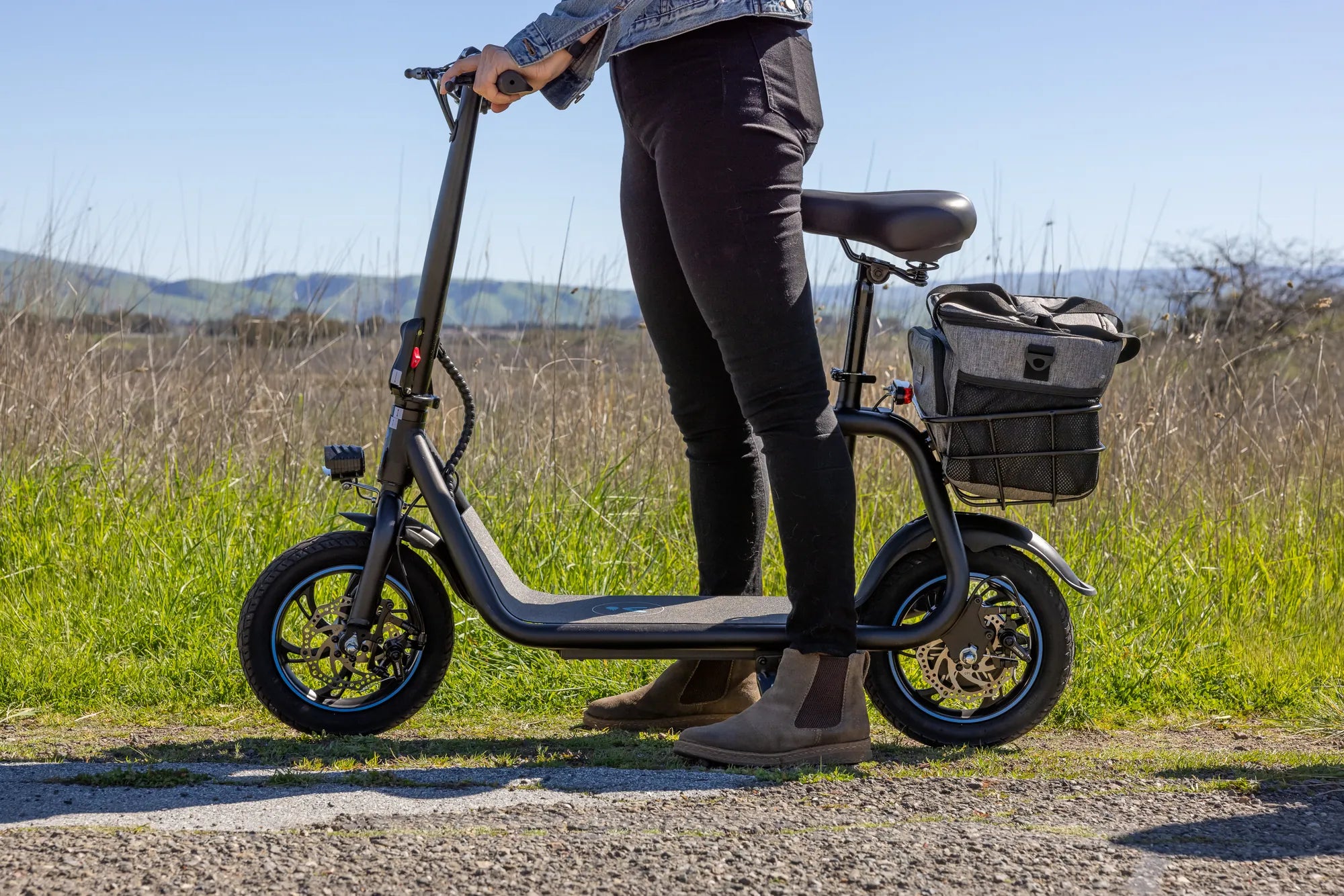
A modern electric scooter is a sophisticated piece of personal transportation engineering, far removed from its kick-scooter ancestors. Its performance, safety, and durability hinge on several integrated systems. Understanding these components is key to making an informed purchase and ensuring a reliable ride.
The foundation is a robust, often aluminum alloy, folding frame that balances weight and strength. The deck provides the standing platform, with its width, length, and surface grip directly impacting comfort and stability. The steering column houses the controls and connects to the front wheel, which may feature a suspension system for absorbing road imperfections.
Braking is typically handled by a dual system—often a electronic regenerative brake paired with a mechanical disc or drum brake—providing confident stopping power. Finally, lighting (front and rear) and a clear display for speed, battery level, and mode selection are standard on quality models, ensuring visibility and rider information.
Power & Performance: More Than Just a Motor
The heart of the scooter is its motor and battery system. Motor power, measured in watts (W), dictates acceleration and hill-climbing ability. A 350W motor can handle moderate inclines, while 500W+ motors offer brisk acceleration and better performance on steeper hills. Torque is the immediate rotational force, crucial for getting moving from a stop.
Range is determined by battery capacity, measured in watt-hours (Wh). A larger Wh rating generally means a longer range. However, real-world range is affected by rider weight, terrain, temperature, and riding style. Manufacturers' maximum range estimates are best viewed under ideal conditions; a practical estimate is 60-70% of the stated figure.
This is where battery quality is non-negotiable. A UL-certified battery pack, like those used in all Gyroor scooters, has undergone rigorous testing for safety, stability, and longevity. These batteries are engineered to withstand 500+ charge cycles while maintaining performance and minimizing risks like thermal runaway, making them a critical investment in long-term reliability.
Built for the Real World: Durability & Design
Urban commuting means encountering potholes, curbs, and unpredictable weather. Durability is therefore paramount. The Ingress Protection (IP) rating indicates resistance to solids and liquids. An IPX5 rating, a standard for commuter-focused models, means the scooter can withstand water jets from any direction, making it safe to ride in rain or through puddles.
Tire choice significantly affects ride quality. Air-filled (pneumatic) tires offer better shock absorption and traction but risk punctures. Solid or honeycomb tires are puncture-proof but provide a firmer ride. Some premium scooters combine a suspension system with pneumatic tires for optimal comfort on rough surfaces.
Thoughtful design extends to portability. A secure, one-click folding mechanism is essential for combining scooter travel with public transit or for storage under a desk. The overall weight, often between 30-50 lbs for commuter models, affects both carrying ease and the scooter's unassisted performance.
Stand-On Scooters vs. The Urban Mobility Landscape
To understand the value proposition of stand on electric scooters, a direct comparison with other transport modes is essential. We evaluate based on four key metrics: cost-per-mile, time efficiency for short-to-medium trips (3-10 miles), carbon footprint, and logistical hassle (parking, waiting).
Private cars, while comfortable and flexible, score poorly on cost, time (due to congestion), emissions, and parking hassle. Public transit is low-cost and eco-friendly but is often hampered by fixed schedules, indirect routes, and crowding, impacting time efficiency and convenience.
E-bikes offer excellent range and carrying capacity but come with a higher initial cost, greater weight, and similar parking challenges to scooters. Walking is free and healthy but impractical beyond very short distances. The stand on electric scooters uniquely occupies a sweet spot, offering door-to-door directness, very low operating costs, and zero direct emissions.
The Commuter's Math: Cost, Time, and Convenience
Let's quantify the comparison with a practical 5-mile (8 km) urban commute. The following table breaks down the annualized costs and average door-to-door time, illustrating where the stand on electric scooters provides decisive advantages.
| Transport Mode | Est. Annual Cost* | Avg. 5-Mile Commute Time | Key Hassle Factors |
|---|---|---|---|
| Personal Car | $7,000 - $10,000+ | 25 - 40 minutes | Parking fees/tickets, fuel, insurance, traffic, maintenance |
| Rideshare/Taxi | $4,000 - $8,000 | 20 - 35 minutes | Surge pricing, wait times, variable cost |
| Public Transit | $800 - $1,500 | 35 - 50 minutes | Fixed schedules, walking to/from stops, crowding |
| E-Bike | $150 - $300 (electricity) | 20 - 25 minutes | Theft risk, heavier to store, higher upfront cost |
| Stand-On E-Scooter | $50 - $100 (electricity) | 18 - 22 minutes | Weather dependence, local regulations, need for safe storage |
| Walking | $0 | 75 - 100 minutes | Time-prohibitive, physically taxing |
*Car cost includes depreciation, insurance, fuel, maintenance, parking. Scooter/E-bike cost assumes electricity charging and minor maintenance. Scooter purchase price amortized over 3-5 years.
The data is clear. For the common urban trip, the stand on electric scooters offers a nearly optimal balance of low cost, high time efficiency, and minimal logistical friction, especially when paired with a reliable model designed for daily use.
Navigating Regulations and Riding Safely
The rapid adoption of e-scooters has led to an evolving regulatory landscape. Responsible riding is not just about personal safety; it's about ensuring the positive integration of micro-mobility into cities. Understanding and following the rules is the responsibility of every rider.
Regulations vary significantly by city, county, and country. Common themes include designated riding areas (bike lanes vs. sidewalks), speed limits (often 15-20 mph), minimum rider age (typically 16+), and helmet laws. Some cities require registration or have specific parking rules to prevent sidewalk clutter.
Ignorance of the law is not an excuse. A quick check of your local Department of Transportation or city government website will provide the specific statutes. Adhering to them protects you from fines and helps build a positive reputation for scooter riders as a whole, paving the way for better infrastructure.
Knowing the Rules of the Road
As a general rule, e-scooters are treated similarly to bicycles in most jurisdictions. This means you belong in the bike lane where available. If no bike lane exists, you should ride on the road, following the flow of traffic, not on the sidewalk where you endanger pedestrians.
Key universal rules include: never riding under the influence of alcohol or drugs, yielding to pedestrians, using hand signals for turns, and obeying all traffic signals and signs. Many areas also mandate front and rear lights if riding at night. Proactive compliance is the hallmark of a conscientious rider and is critical for the long-term acceptance of stand on electric scooters in urban ecosystems.
Safety as a Standard, Not an Option
Your safety gear is your primary defense. A helmet is an absolute necessity—a certified bicycle or multi-impact helmet can prevent catastrophic injury. For night riding, reflective clothing or vests dramatically increase your visibility to drivers.
Safe riding practices are equally important. Always perform a pre-ride check of tire pressure, brakes, and lights. Start at lower speeds in a safe environment to get accustomed to the acceleration and braking dynamics. Maintain a safe distance from vehicles, pedestrians, and obstacles, and always assume that drivers may not see you.
Choosing a scooter from a brand that prioritizes safety in its design is a foundational step. Features like dual braking systems, wide anti-slip decks, bright integrated lighting, and robust construction—all hallmarks of Gyroor's lineup—provide inherent safety benefits that complement your vigilant riding habits.
The Future is Electric: Trends and Sustainability
The evolution of the stand on electric scooters is accelerating, driven by technology and urban policy. We are moving beyond basic transportation into integrated mobility solutions. These trends point toward a future where micro-mobility is seamless, smart, and central to city life.
Swappable battery networks are emerging, allowing riders to exchange a depleted battery for a charged one in seconds at kiosks, eliminating range anxiety and enabling near-continuous use for delivery or shared fleets. Connectivity is deepening through smartphone apps that offer ride analytics, firmware updates, anti-theft tracking, and integration with public transit schedules.
Advanced materials like carbon fiber and magnesium alloys are making scooters lighter and stronger. Motor and battery efficiency continues to improve, promising longer ranges from smaller, safer battery packs. These innovations will make the stand on electric scooters even more capable and accessible.
Micro-Mobility and the Smart City
The rise of stand on electric scooters is inextricably linked to broader goals of urban sustainability and smart city development. They are a key tool for solving the "last-mile" problem, seamlessly connecting homes and offices to public transit hubs.
By replacing car trips, especially those under five miles, they directly reduce traffic congestion, lower greenhouse gas emissions, and decrease urban noise pollution. Their small footprint alleviates parking pressure, freeing up public space for parks, wider sidewalks, and outdoor dining.
Forward-thinking cities are responding by building protected micro-mobility lanes and creating equitable access programs. The stand on electric scooters is not just a product trend; it is a pragmatic component of the blueprint for cleaner, quieter, and more livable cities.
Choosing the Right Scooter for Your Needs
With numerous models available, selecting the right stand on electric scooters requires matching specifications to your personal use case. Key decision factors include commute distance, terrain, rider weight, portability needs, and budget.
For short, flat commutes (under 5 miles) with a need for maximum portability, a lightweight model (under 30 lbs) with a 250-350W motor and a 7.5-10Ah battery may suffice. For longer commutes (5-15 miles) or hilly areas, prioritize a 500W+ motor, a 12-15Ah+ battery, and features like suspension and pneumatic tires for comfort.
Always verify the scooter's maximum weight rating. Invest in a model from a reputable brand that offers clear customer support and a solid warranty. A slightly higher upfront cost for a reliable scooter with a UL-certified battery and good water resistance (IPX5 or higher) pays dividends in safety, longevity, and peace of mind over years of use.
Maintenance and Long-Term Care
Proper maintenance ensures your scooter remains safe, reliable, and performs at its best for years. A simple, regular routine can prevent most major issues. Start by keeping the scooter clean, especially after riding in wet or dirty conditions, to prevent grime from damaging moving parts.
Regularly check and inflate pneumatic tires to the recommended PSI; under-inflation reduces range and increases puncture risk. Test your brakes before every ride and listen for any changes in sound from the motor or bearings. Periodically check that all nuts and bolts, especially around the folding mechanism and stem, are tight.
Battery care is crucial. Avoid letting the battery fully discharge for extended periods. Store the scooter in a cool, dry place when not in use. Following the manufacturer's charging guidelines, such as using only the provided charger, preserves the health of the UL-certified battery pack over its entire lifecycle.
Frequently Asked Questions (FAQ)
Q: How far can a typical stand-on electric scooter go on a single charge?
A: Real-world range varies from 15 to 40 miles per charge for commuter models. It depends heavily on battery capacity (Ah/Wh), rider weight, terrain, speed, and temperature. A scooter with a 10Ah battery might achieve 15-20 miles for a 165 lb rider on flat ground, while a 15Ah+ model can reach 25-35 miles. Always consider your round-trip distance with a safety margin.
Q: Are Gyroor scooters really waterproof for riding in the rain?
A: Yes, Gyroor commuter scooters are built with an IPX5 water-resistant rating. This means they are protected against water jets from any direction, making them safe for riding in rain, through puddles, and in wet urban conditions. However, they are not designed to be submerged or subjected to high-pressure water washing. Always dry your scooter after a wet ride.
Q: What does the 1-year warranty cover, and is support easily accessible?
A: Gyroor's standard 1-year warranty covers manufacturing defects in materials and workmanship for the frame, motor, battery, and controller. The UL-certified battery itself often has a separate warranty period. Support is accessible via email and phone, with a network of service centers in North America and Europe. The brand's presence and trust among over 100,000 riders ensure reliable post-purchase support.
Q: Is it difficult to learn to ride an electric scooter?
A: Most adults can learn the basics in under 30 minutes. The key is to start in a safe, open, flat area like an empty parking lot. Begin by simply kicking off and coasting to get a feel for balance. Then, practice using the throttle gently and applying the brakes smoothly. Wear protective gear, and within a short time, the controls will become intuitive. The wide, stable decks on models like those from Gyroor aid significantly in building confidence.
Q: How do I maintain my electric scooter to ensure it lasts?
A: Follow a simple routine: 1) Keep it clean and dry. 2) Check tire pressure weekly if using pneumatic tires. 3) Listen for unusual noises and test brakes regularly. 4) Avoid extreme temperatures during storage and charging. 5) Use only the manufacturer-provided charger. 6) Do not exceed the maximum weight limit. 7) Have it serviced annually by a professional if you put high mileage on it. This care, combined with a quality build, can extend a scooter's functional life to 3-5 years or more.
Your Ticket to a Smarter Commute
The evidence is overwhelming. For millions in cities worldwide, the stand on electric scooters has evolved from a novelty into a practical, efficient, and enjoyable primary mode of transport. It solves tangible problems: saving time, reducing cost, and offering unmatched door-to-door convenience for short urban trips.
This future of mobility is built on reliability and safety. Choosing a scooter is an investment in your daily life. It pays to invest in a platform engineered for the long haul—with a UL-certified battery for peace of mind, an IPX5 rating for all-weather capability, and a warranty backed by a reputable brand.
The urban landscape is changing. Traffic congestion and carbon emissions demand new solutions. By adopting a stand on electric scooter, you are not just choosing a better way to get to work; you are participating in a cleaner, quieter, and more efficient model for city living. The ride toward a smarter commute starts now.
Ready to transform your daily travel? Explore engineering built for reliability. Browse the full Gyroor collection, featuring UL-certified, IPX5-rated commuter scooters trusted by a global community, at gyroorboard.com.
Are You Allowed to Drive Electric Scooters on the Road? The Ultimate Guide
Best Electric Scooters Canada 2025: Top Picks for Eco-Friendly Commuting