



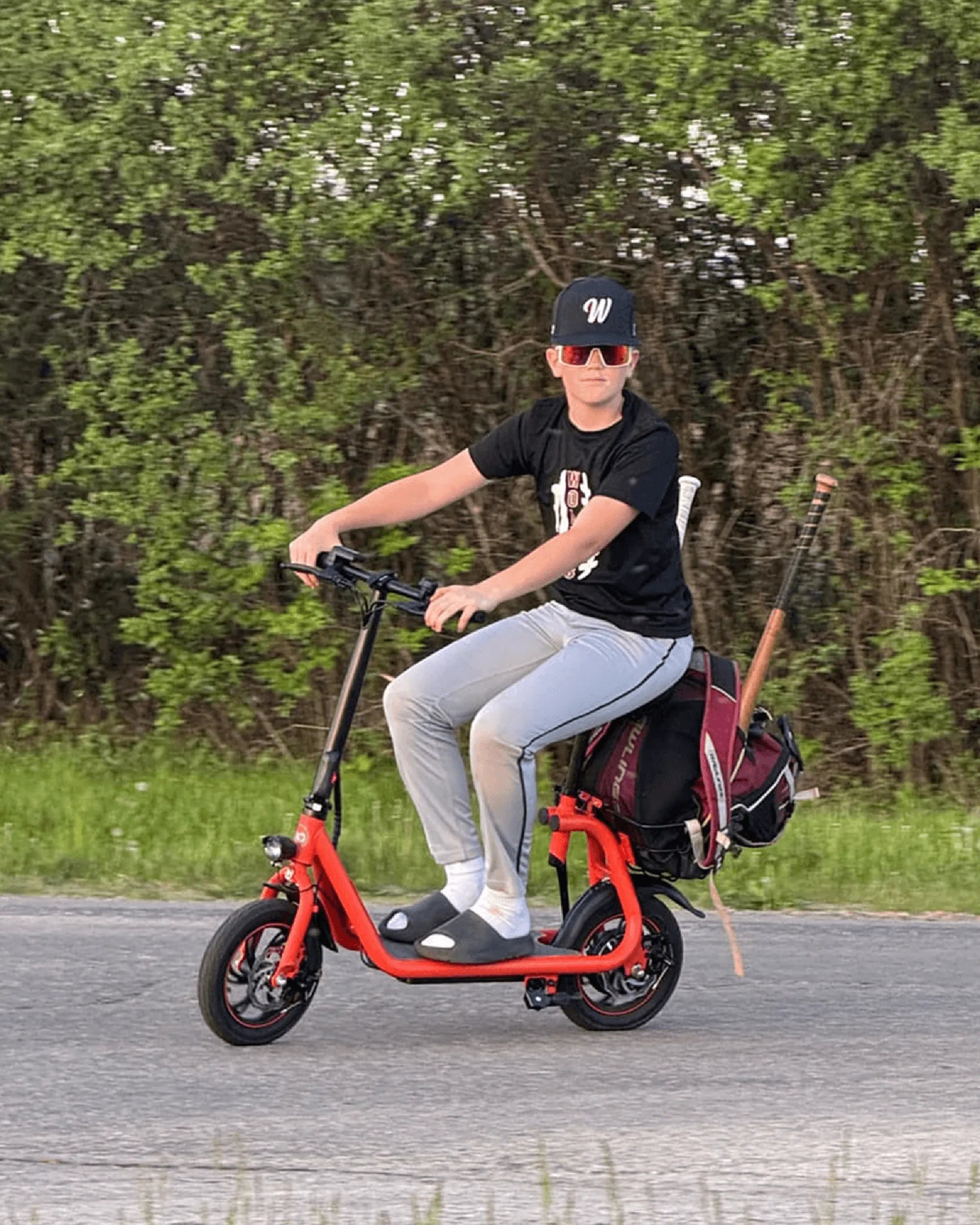
Winter is coming, and if you own an electric scooter, now is the time to think about how to store it properly. Cold temperatures, moisture, and inactivity can damage your scooter if not stored correctly. Follow this comprehensive guide to keep your ride in perfect shape until the warmer months return.
Why Proper Winter Storage Matters
Leaving your electric scooter exposed to winter conditions can lead to battery degradation, rust, and mechanical issues. Cold weather slows down chemical reactions in lithium-ion batteries, reducing their efficiency and lifespan. Moisture can cause corrosion on metal parts, while prolonged inactivity may lead to tire deflation or motor problems. Proper storage ensures your scooter remains ready for action when spring arrives.
Step 1: Clean Your Scooter Thoroughly
Before storing your electric scooter, give it a thorough cleaning. Dirt, grime, and road salt can corrode the frame and components over time. Use a damp cloth to wipe down the entire scooter, paying special attention to the wheels, brakes, and undercarriage. Avoid using high-pressure water, as it can damage electrical components. Dry the scooter completely before moving to the next step.
Step 2: Charge the Battery Correctly
The battery is the heart of your electric scooter, and improper storage can harm its performance. Charge the battery to around 50-70% before storing it. A fully charged battery can degrade faster, while a completely drained one may become unusable. If possible, remove the battery and store it separately in a cool, dry place. Check the charge level every few weeks and top it up if it drops below 30%.
Step 3: Choose the Right Storage Location
Store your scooter in a dry, temperature-controlled environment. Avoid garages or sheds that experience extreme temperature fluctuations. If indoor storage isn’t an option, use a waterproof cover to protect it from moisture and dust. Elevate the scooter slightly to prevent flat spots on the tires. Keep it away from direct sunlight, which can fade the paint and damage plastic parts.
Step 4: Perform Basic Maintenance
Inspect your scooter for any loose bolts, worn-out tires, or brake issues before storing it. Tighten any loose components and lubricate moving parts like the folding mechanism or throttle. If your scooter has pneumatic tires, inflate them to the recommended pressure to prevent flat spots. Cover the display and controls with a soft cloth to protect them from dust.
Step 5: Prepare for Spring
When winter ends, don’t rush to ride your scooter immediately. First, inspect it for any signs of damage or wear. Charge the battery fully and test all functions, including lights, brakes, and throttle. Check the tire pressure and adjust it if needed. A little preparation ensures a smooth and safe return to riding.
By following these steps, you’ll keep your electric scooter in peak condition during the winter months. Proper storage not only extends its lifespan but also ensures you’re ready to hit the road as soon as the weather warms up. Don’t let winter ruin your ride—take action now to protect your investment!
Best Small Folding Electric Scooter: The Ultimate Guide for Urban Commuters
Electric Bike Accessories: Must-Have Add-Ons for Every Rider