


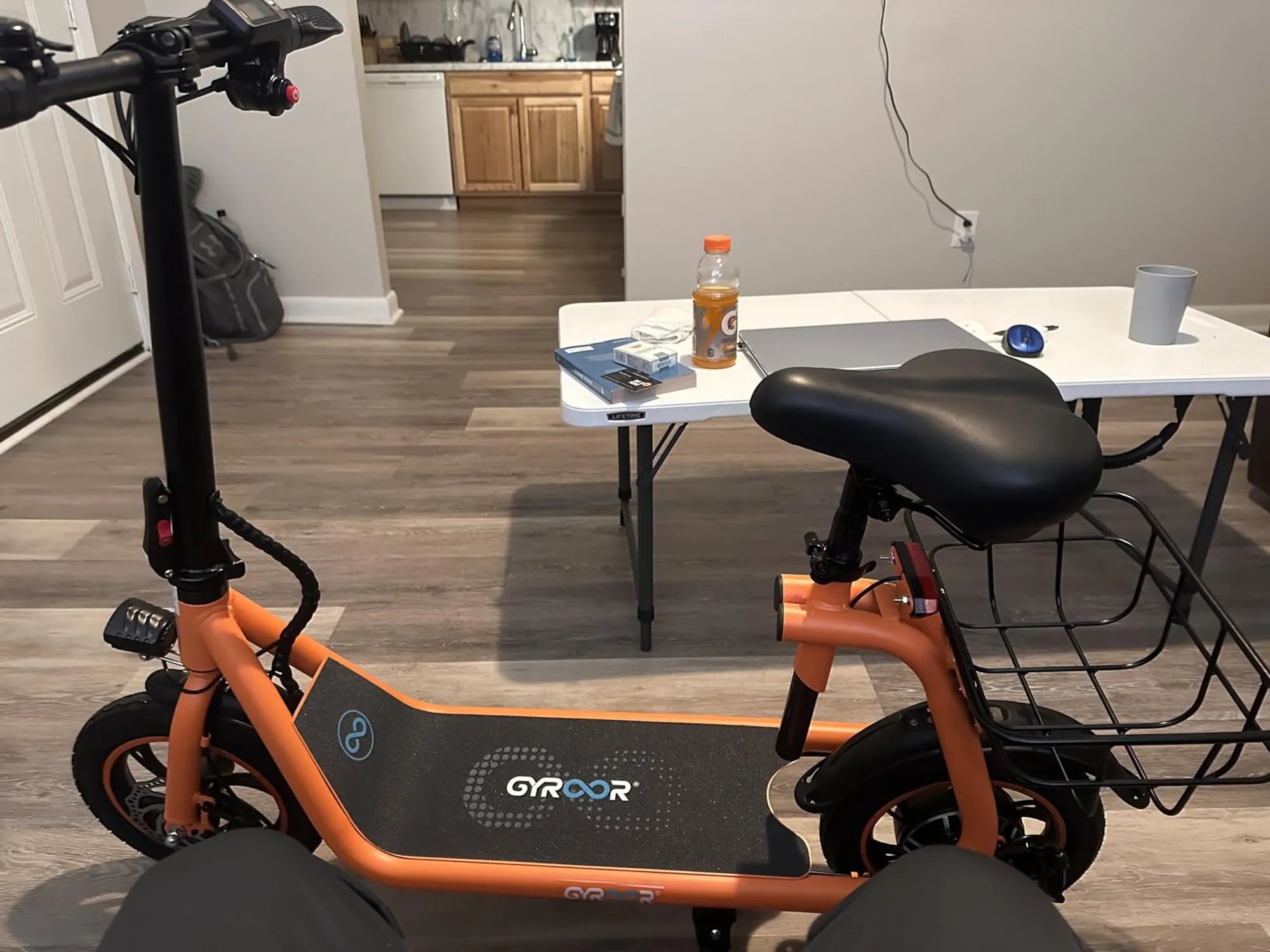
Introduction: The Rise of the Street-Legal 500cc Scooter Trike
The street legal 500cc scooter trike represents a revolutionary convergence of motorcycle freedom, scooter practicality, and three-wheeled stability. This hybrid vehicle category has surged in popularity among urban commuters, touring enthusiasts, and riders seeking confidence without sacrificing performance. Unlike traditional motorcycles, a street legal 500cc scooter trike offers a fundamentally different riding experience that eliminates balance concerns at stops while delivering ample power for highway travel.
This guide will demystify everything about these unique machines. You'll learn what makes a 500cc scooter trike street legal across different jurisdictions, the engineering behind their design, and their distinct advantages over conventional two-wheeled scooters. We'll also explore important considerations before purchasing, including maintenance requirements, handling characteristics, and how to identify quality manufacturers that prioritize safety and reliability.
The market for three-wheeled vehicles has expanded dramatically in recent years, with the street legal 500cc scooter trike occupying a sweet spot between smaller displacement models and full-sized touring trikes. This 500cc engine size provides the perfect balance of manageable power for newer riders and sufficient performance for experienced motorcyclists looking for increased stability. Whether you're navigating city traffic or planning weekend adventures, this vehicle category deserves serious consideration.
Understanding the legal landscape is crucial before investing in any motorized vehicle. A street legal 500cc scooter trike must meet specific federal and state requirements regarding equipment, emissions, and documentation. We'll break down exactly what "street legal" means in practical terms, helping you avoid costly mistakes and ensure your vehicle can be properly registered and insured for road use across the United States.
What is a Street-Legal 500cc Scooter Trike?
A street legal 500cc scooter trike is a three-wheeled motor vehicle featuring two wheels at the front and one at the rear, powered by a 500cc internal combustion engine or electric motor equivalent. These vehicles combine the step-through design and automatic transmission of a scooter with the stability of a trike, creating a unique riding category that bridges multiple transportation needs. Classification varies by jurisdiction but typically falls under motorcycle or autocycle regulations, requiring specific licensing and registration procedures.
The 500cc engine displacement represents the optimal balance in this vehicle category. This size provides approximately 30-45 horsepower, sufficient for highway speeds up to 80+ mph while maintaining reasonable fuel efficiency of 40-60 MPG. The engine is typically fuel-injected for reliability and emissions compliance, paired with a Continuously Variable Transmission (CVT) that eliminates manual shifting. This combination makes the street legal 500cc scooter trike accessible to riders of varying experience levels.
From a regulatory perspective, "street legal" means the vehicle meets all applicable Federal Motor Vehicle Safety Standards (FMVSS) and Environmental Protection Agency (EPA) requirements. This includes proper lighting, braking systems, emissions controls, and safety equipment. Manufacturers must provide a Manufacturer's Certificate of Origin (MCO) and Vehicle Identification Number (VIN) for registration. States may have additional requirements, but federal compliance forms the foundation of street legality.
The design philosophy behind these vehicles emphasizes accessibility and confidence. Unlike traditional motorcycles that require balancing at stops and during low-speed maneuvers, a street legal 500cc scooter trike remains upright without rider input. This fundamental difference opens motorized transportation to individuals who might avoid two-wheeled vehicles due to balance concerns, physical limitations, or simply preference for enhanced stability in various riding conditions.
Key Design and Engineering Features
The engineering of a street legal 500cc scooter trike revolves around its unique three-wheel configuration. Most models utilize a tilting front suspension system that allows the two front wheels to lean independently through corners, maintaining motorcycle-like handling characteristics while providing unprecedented stability. Alternative designs with fixed front wheels exist but generally offer less agile handling, trading cornering precision for mechanical simplicity and potentially lower cost.
The chassis design typically places the engine low and toward the center of the vehicle, creating a low center of gravity that enhances stability further. This engineering choice, combined with the wider track of two front wheels, dramatically increases the vehicle's resistance to tip-overs compared to traditional motorcycles. The single rear wheel maintains the familiar drivetrain layout of conventional scooters, simplifying maintenance and keeping production costs manageable.
Storage capacity represents another significant advantage in the design. Most street legal 500cc scooter trikes feature generous under-seat compartments capable of holding two full-face helmets, along with additional trunk space in the rear. Some models offer locking storage compartments integrated into the bodywork, providing secure space for groceries, work materials, or touring gear. This practical focus distinguishes these vehicles from most motorcycles, which typically offer minimal built-in storage.
Braking systems on quality models feature dual hydraulic disc brakes on the front wheels and a single disc or drum brake at the rear, often with linked braking or anti-lock braking systems (ABS) for enhanced safety. The suspension typically consists of telescopic forks or double wishbone systems at the front with dual shock absorbers at the rear, tuned for comfort while maintaining responsive handling. These components work together to create a riding experience that feels secure yet engaging.
The Legal Landscape: Making Your 500cc Trike Street Legal
Navigating the legal requirements for a street legal 500cc scooter trike requires understanding both federal mandates and state-specific regulations. At the federal level, the vehicle must comply with FMVSS standards for lighting, braking, tires, and safety equipment. The engine must carry EPA certification demonstrating compliance with emissions standards. These federal requirements are typically handled by the manufacturer, but buyers must verify compliance before purchase, especially when considering imported or niche models.
State regulations vary significantly and ultimately determine whether your specific vehicle can be registered for road use. Most states classify these vehicles as motorcycles, requiring a standard Class M motorcycle license or endorsement. However, some states have created specific "autocycle" or "three-wheeled vehicle" categories with different licensing requirements, sometimes allowing operation with a standard driver's license. Researching your state's specific classification is the essential first step in the ownership process.
The registration process mirrors that of motorcycles in most jurisdictions. You'll need the Manufacturer's Certificate of Origin (MCO), bill of sale, proof of insurance, and completed application forms from your local Department of Motor Vehicles (DMV). Some states require a physical inspection to verify vehicle identification numbers and equipment compliance. Registration fees and annual taxes vary by state but generally fall between motorcycle and automobile rates, reflecting the unique nature of these vehicles.
Insurance represents a critical component of street legality. Most states require liability insurance minimums similar to motorcycles, though some insurers offer specific policies for three-wheeled vehicles. Premiums typically fall between motorcycle and automobile rates, reflecting the unique risk profile of these vehicles. Shopping for insurance before purchase is advisable, as availability and cost can vary significantly between providers and states. Comprehensive coverage is recommended given the investment value of these vehicles.
Essential Equipment and Documentation
To be street legal, a 500cc scooter trike must be equipped with specific safety equipment meeting Department of Transportation (DOT) standards. This includes a headlight with high and low beams, taillight, brake light, turn signals on both front and rear, side reflectors, and at least one rearview mirror (most states require two). The lighting must be permanently mounted and visible from specified distances, with turn signals emitting amber light to the front and red or amber to the rear.
The vehicle must have a horn audible from at least 200 feet, a speedometer/odometer, and a braking system that can stop the vehicle within specified distances. Tires must carry DOT approval markings and meet minimum tread depth requirements. While not always required for registration, safety equipment like helmets (mandatory in some states), eye protection, and reflective materials significantly enhance real-world safety and should be considered essential for responsible operation.
Documentation requirements begin with the Manufacturer's Certificate of Origin (MCO), which serves as the vehicle's birth certificate. This document must include the Vehicle Identification Number (VIN), make, model, year, and engine displacement. The VIN must be permanently affixed to the frame in at least one location, typically on the steering head or main frame tube. Without proper documentation, registering a vehicle becomes extremely difficult, if not impossible, so verifying these documents exist before purchase is crucial.
Emissions compliance documentation varies by state but generally requires the vehicle to have an EPA certification label permanently affixed. In states adopting California Air Resources Board (CARB) standards, additional certification may be required. For used vehicles, the previous registration and title provide the chain of ownership needed for transfer. When purchasing from a private party, ensure all documentation transfers properly, and complete a bill of sale that includes both parties' information, the VIN, sale price, and date.
Licensing, Registration, and Insurance
Licensing requirements for operating a street legal 500cc scooter trike depend entirely on state classification. In states classifying them as motorcycles, riders need a Class M license or endorsement, obtained through written and skills testing specific to motorcycles. Some states offer restricted licenses for three-wheeled vehicles, while others require full motorcycle certification regardless of wheel count. Even in states with relaxed licensing for three-wheelers, completing a Motorcycle Safety Foundation (MSF) course provides valuable skills specific to these vehicles.
The registration process typically involves submitting the MCO, bill of sale, proof of insurance, odometer disclosure statement, and completed application to your local DMV. Most states charge title fees, registration fees, and sales tax based on the purchase price. Some states require a vehicle identification number inspection by law enforcement or DMV personnel before registration. Once registered, you'll receive license plates and a registration card that must be carried during operation, with renewal required annually or biennially depending on state regulations.
Insurance requirements generally include liability coverage for bodily injury and property damage, with minimum limits varying by state. Given the value of these vehicles and potential medical costs in accidents, carrying higher limits than state minimums is strongly advisable. Comprehensive and collision coverage protects against theft, vandalism, and damage regardless of fault. Uninsured/underinsured motorist coverage is particularly valuable, as many drivers carry only minimum liability insurance inadequate for serious accidents.
Insurance companies evaluate risk based on vehicle type, rider experience, location, and usage. Because street legal 500cc scooter trikes represent a relatively new category, some insurers may not have established specific rates, potentially leading to inconsistent quotes. Working with an agent experienced in motorcycle or specialty vehicle insurance can help navigate this process. Maintaining a clean driving record, completing safety courses, and storing the vehicle securely can help reduce premiums over time.
Why Choose a 500cc Scooter Trike? Advantages Over Two Wheels
The street legal 500cc scooter trike offers compelling advantages that address common limitations of traditional two-wheeled motorcycles and scooters. These benefits extend beyond mere novelty, providing practical solutions for real-world transportation needs. From enhanced stability to increased storage capacity, the design philosophy of these vehicles prioritizes accessibility and utility without sacrificing the fundamental enjoyment of open-air motorized transportation.
For riders transitioning from automobiles, the learning curve is significantly reduced compared to traditional motorcycles. The elimination of balance requirements at stops and during low-speed maneuvers removes a major anxiety source for new riders. This accessibility expands the potential riding population to include individuals who might never consider a conventional motorcycle due to physical limitations, age-related concerns, or simply preference for additional stability in various riding conditions.
The 500cc engine displacement provides a perfect balance of performance and manageability. This size delivers ample power for highway merging, hill climbing, and passing maneuvers while maintaining reasonable fuel economy and insurance costs. Unlike smaller displacement scooters that struggle at highway speeds, a street legal 500cc scooter trike maintains reserve power for safety in traffic. Yet unlike larger displacement motorcycles, it remains lightweight enough for easy handling in urban environments.
Practical considerations further distinguish these vehicles. The built-in storage capacity often rivals small automobiles, with weatherproof compartments suitable for groceries, work materials, or personal items. This eliminates the need for add-on luggage systems common to motorcycles while providing secure storage at your destination. The step-through design facilitates mounting and dismounting, while the comfortable seating position reduces fatigue during extended rides. These features combine to create a vehicle genuinely suited for daily transportation needs.
Unmatched Stability and Confidence
The fundamental advantage of any three-wheeled configuration is inherent stability. A street legal 500cc scooter trike cannot fall over when stationary, eliminating the need to place feet down at stops and reducing the risk of tip-overs during low-speed maneuvers. This stability extends to uneven road surfaces, gravel, wet conditions, and other situations that challenge traditional motorcycle riders. The confidence this inspires allows riders to focus on traffic and road conditions rather than balance maintenance.
Physics explains this advantage through the vehicle's triangular footprint and lower center of gravity. With two contact points at the front, the vehicle resists leaning beyond its design parameters, creating a stable platform that feels secure in various conditions. This stability proves particularly valuable for riders carrying passengers or cargo, situations that alter the handling dynamics of traditional motorcycles. The enhanced stability also makes these vehicles more forgiving of rider errors, though proper training remains essential.
Weather and road condition handling demonstrates another stability advantage. Wet leaves, painted road markings, railroad tracks, and gravel roads present significantly reduced hazards compared to two-wheeled vehicles. While caution remains necessary, the reduced likelihood of sudden loss of traction provides additional safety margin. This capability expands riding opportunities and reduces weather-related anxiety, potentially increasing the number of days per year the vehicle serves as practical transportation.
For specific rider populations, this stability proves transformative. Older riders experiencing reduced balance or strength can maintain their mobility and riding enjoyment. Riders with certain physical disabilities find three-wheeled configurations accessible where traditional motorcycles are not. Even experienced motorcyclists appreciate the reduced fatigue from not supporting the vehicle's weight at stops, particularly in heavy traffic. This universal benefit explains the growing popularity across diverse rider demographics.
Power and Performance for Any Commute
The 500cc engine represents the sweet spot in the three-wheeled scooter market, delivering performance adequate for virtually all riding scenarios. With power outputs typically ranging from 30-45 horsepower, these vehicles achieve 0-60 mph acceleration in 8-12 seconds, comparable to many compact automobiles. This performance enables safe highway merging, confident passing maneuvers, and comfortable cruising at legal highway speeds with reserve power for emergencies.
Highway capability distinguishes the 500cc class from smaller displacement alternatives. While 150-300cc scooters can reach highway speeds, they often operate at near-maximum engine output, reducing longevity and providing minimal passing power. A street legal 500cc scooter trike maintains 65-75 mph cruising with the engine turning at moderate RPMs, reducing wear and providing immediate acceleration when needed. This makes interstate travel practical for touring or longer commutes.
Hill climbing ability further demonstrates the 500cc advantage. Steep grades that would slow smaller vehicles to a crawl are handled with ease, even when carrying a passenger or cargo. The automatic CVT transmission maintains optimal engine RPM for the grade, eliminating gear shifting concerns. This performance makes these vehicles viable in mountainous regions or cities with significant elevation changes, expanding their geographic suitability beyond flat urban environments.
Fuel efficiency remains respectable despite the increased displacement. Most 500cc trikes achieve 40-60 MPG depending on riding style and conditions, significantly better than most automobiles and comparable to many smaller motorcycles. This efficiency, combined with the ability to use regular unleaded gasoline in most models, keeps operating costs reasonable. The combination of performance and efficiency creates a compelling value proposition for both practical transportation and recreational riding.
Superior Storage and Practicality
Storage capacity represents a game-changing advantage for the street legal 500cc scooter trike. The design inherently creates space between the front wheels and under the seat that manufacturers utilize for storage compartments. Typical under-seat storage can accommodate two full-face helmets, while rear trunk spaces often provide 20-40 liters of additional capacity. This integrated storage eliminates the need for aftermarket luggage systems while providing weatherproof security for valuables.
Daily practicality shines through in mundane but important details. Grocery shopping becomes straightforward with multiple compartments for bags. Commuting with a laptop, lunch, and change of clothes requires no additional bags strapped to the vehicle. Even small-item storage like phones, wallets, and sunglasses finds dedicated spaces with charging ports in some models. This convenience transforms the vehicle from recreational equipment to legitimate primary transportation for many owners.
Passenger accommodation further demonstrates practical design. Unlike many scooters where passenger space feels like an afterthought, these vehicles typically provide generous seating with proper footpegs and grab handles. The stability advantage extends to two-up riding, making passenger transport more comfortable and secure for both riders. Some models even offer backrests and armrests for passenger comfort during longer journeys, features rarely found on traditional motorcycles in this price range.
Maintenance accessibility benefits from the scooter-based design. The step-through configuration and often removable body panels provide excellent access to the engine, CVT, and other components. This simplifies routine maintenance like oil changes, belt replacement, and filter service compared to many fully-faired motorcycles. The practical design extends to center stands or parking brakes that facilitate maintenance while providing secure parking on level surfaces.
Important Considerations Before You Buy
While the street legal 500cc scooter trike offers numerous advantages, informed purchasing requires understanding potential trade-offs and practical considerations. These vehicles represent a significant investment, with prices typically ranging from $8,000 to $15,000 for quality models. Beyond initial cost, ownership expenses include insurance, maintenance, storage, and potential financing costs that should be budgeted before purchase.
Handling dynamics differ substantially from traditional motorcycles, requiring adjustment even for experienced riders. The vehicle's width demands greater awareness in traffic and may limit lane splitting in states where permitted. Parking considerations also change, as the vehicle's footprint often exceeds that of a motorcycle, potentially requiring automobile-sized spaces. Test riding before purchase is essential to evaluate comfort, handling, and overall suitability for your specific needs and riding environment.
Dealer support and parts availability vary significantly between brands. Mainstream manufacturers typically offer better parts networks and service training, while niche brands may offer unique features at the cost of support accessibility. Researching the dealer network in your area before purchasing can prevent frustrating delays for routine maintenance or repairs. Online owner communities provide valuable insights into long-term reliability and common issues with specific models.
Resale value represents another consideration, as the three-wheeled market remains more specialized than traditional motorcycles. While depreciation varies by brand, features, and condition, expecting automobile-like depreciation curves is reasonable. Protecting your investment through proper maintenance, documentation, and storage preserves value while ensuring reliable operation. Understanding these factors before purchase helps set realistic expectations and prevents buyer's remorse.
Understanding the Trade-Offs: Handling and Cost
Handling characteristics represent the most significant adjustment for riders transitioning from two-wheeled vehicles. While incredibly stable in straight lines and during braking, cornering dynamics differ substantially. Non-tilting models require automobile-like steering inputs through corners, while tilting models feel more familiar but still different from motorcycles. This learning curve, while manageable with practice, requires conscious adaptation during initial riding.
Specific handling considerations include wider turning radii, different weight transfer characteristics during braking and acceleration, and altered feedback through the handlebars. Riders accustomed to leaning into corners must adjust to the vehicle's different responses. These differences don't represent deficiencies but rather distinct characteristics that become intuitive with experience. Professional instruction or controlled practice in empty parking lots accelerates this adaptation process.
Ownership costs extend beyond the purchase price. Insurance premiums, while varying by location and rider profile, typically exceed those for comparable-displacement motorcycles due to the vehicle's higher value and repair costs. Tire replacement represents another significant expense, as many models require specific tires not commonly stocked by all dealers. Front tires often wear unevenly, potentially requiring replacement in pairs, further increasing maintenance costs.
Fuel and maintenance costs generally compare favorably to automobiles but exceed those of smaller-displacement scooters. The 500cc engine requires more oil and potentially more expensive filters than 150cc models. Valve adjustment intervals, if required, involve more labor due to bodywork removal. These factors should be researched for specific models and factored into long-term ownership budgets. While not prohibitive, they represent realistic considerations often overlooked during the excitement of purchase.
The Gyroor Standard: Safety and Reliability as a Priority
When evaluating any motorized vehicle, prioritizing safety and reliability separates satisfactory purchases from exceptional ones. Leading manufacturers like Gyroor establish industry standards through engineering excellence and customer-focused design. Their approach to electric mobility, trusted by over 100,000 riders across North America and Europe, demonstrates principles equally applicable to internal combustion vehicles like the street legal 500cc scooter trike.
Battery safety represents a critical concern for electric models, and the principles apply broadly. Gyroor's commitment to UL-certified lithium-ion battery packs, tested for 500+ charge cycles, reflects an engineering philosophy prioritizing long-term reliability and safety. When considering any powered vehicle, verifying that critical components meet recognized safety standards provides peace of mind and protects your investment. This due diligence separates quality manufacturers from those cutting corners.
Build quality and weather resistance significantly impact ownership experience and safety. Features like IPX5 water-resistant ratings, standard across Gyroor's electric lineup, ensure components withstand real-world conditions. For internal combustion trikes, evaluating weather protection, corrosion resistance, and component quality reveals manufacturing priorities. Vehicles designed for daily use in varied conditions demonstrate durability that fair-weather designs lack, impacting both safety and long-term satisfaction.
Warranty and support complete the ownership equation. Gyroor's comprehensive 1-year warranty and US-based customer support establish expectations for responsive service. When considering a street legal 500cc scooter trike, evaluating warranty terms, parts availability, and dealer network quality prevents future frustrations. Brands investing in customer support demonstrate confidence in their products and commitment to owner satisfaction, factors that enhance both safety and enjoyment throughout ownership.
Comparison: 500cc Scooter Trike vs. Alternatives
Understanding how the street legal 500cc scooter trike compares to alternative transportation options clarifies its unique position in the market. This comparison examines key factors including practicality, performance, cost, and suitability for different rider needs. The following table provides a data-driven overview of how these vehicles stack up against common alternatives.
| Vehicle Type | Stability | Storage Capacity | Highway Capability | License Required | Avg. Fuel Economy | Typical Price Range |
|---|---|---|---|---|---|---|
| 500cc Scooter Trike | Excellent | Superior (50-100L+) | Excellent (75+ mph) | Motorcycle (usually) | 40-60 MPG | $8,000-$15,000 |
| 500cc Traditional Scooter | Good | Good (30-50L) | Excellent (75+ mph) | Motorcycle | 45-65 MPG | $6,000-$10,000 |
| 300cc Scooter Trike | Excellent | Superior (40-80L) | Good (65+ mph) | Varies by state | 50-70 MPG | $6,000-$12,000 |
| Compact Automobile | Excellent | Superior (200L+) | Excellent | Standard Driver's | 25-35 MPG | $15,000-$25,000 |
| Electric Bicycle | Good | Limited (10-30L) | Poor (20-28 mph) | None typically | N/A (electric) | $1,500-$5,000 |
| Traditional Motorcycle | Fair | Poor (0-30L) | Excellent | Motorcycle | 40-55 MPG | $5,000-$12,000 |
The street legal 500cc scooter trike occupies a unique niche, offering nearly automobile-level stability and storage while maintaining motorcycle-like efficiency and engagement. Compared to traditional 500cc scooters, it trades some fuel economy and lower cost for dramatically enhanced stability and increased storage. This makes it particularly suitable for riders prioritizing confidence in various conditions or needing practical cargo capacity.
Against smaller 300cc trikes, the 500cc model provides significantly better highway performance and hill-climbing ability while accepting a modest fuel economy penalty. For riders regularly traveling at highway speeds or living in hilly areas, this trade-off proves worthwhile. Compared to compact automobiles, the trike offers superior efficiency, lower operating costs, and the enjoyment of open-air riding while sacrificing passenger capacity, climate control, and crash protection.
Electric bicycles represent a completely different category, suitable for shorter distances at lower speeds without licensing requirements. The street legal 500cc scooter trike serves riders needing greater range, weather protection, and highway capability. Traditional motorcycles offer similar performance but lack the stability and practical storage, making the trike preferable for daily commuting and utilitarian use despite potentially higher initial cost.
This comparison highlights that no single vehicle excels in all categories. The street legal 500cc scooter trike makes specific trade-offs that align perfectly with certain rider needs: those seeking motorcycle engagement with enhanced stability, practical storage for daily use, and sufficient performance for varied riding conditions. Understanding these trade-offs enables informed decisions matching vehicles to individual requirements and preferences.
Frequently Asked Questions (FAQ)
Q: Do I need a motorcycle license for a 500cc scooter trike?
A: In most US states, yes—a Class M motorcycle license or endorsement is required. However, some states have created specific "autocycle" classifications that may allow operation with a standard driver's license. You must check your specific state's regulations through the Department of Motor Vehicles, as requirements vary significantly. Even if your state doesn't require a motorcycle license, completing a motorcycle safety course provides valuable skills specific to three-wheeled vehicle operation.
Q: Can a 500cc scooter trike be ridden on the highway?
A: Absolutely. The 500cc engine provides ample power for safe highway travel, with most models capable of sustaining 70-80+ mph. This distinguishes them from smaller displacement trikes that may struggle at highway speeds. However, you should always check your state's specific regulations, as some states have minimum engine size requirements for interstate travel. Proper protective gear becomes even more important at highway speeds due to increased wind forces and potential debris.
Q: Is a trike safer than a traditional motorcycle?
A: It offers different safety advantages and considerations. The stability at stops and during low-speed maneuvers significantly reduces drop-related accidents, which represent a high percentage of motorcycle incidents. However, the wider profile changes handling dynamics and increases visibility to other drivers—both potential safety advantages. Ultimately, safety depends more on rider training, defensive riding practices, proper maintenance, and appropriate gear than vehicle configuration alone.
Q: How does maintenance compare to a traditional scooter?
A: Maintenance is broadly similar for engine, transmission, and basic systems, but with some important differences. Tire replacement costs more, as you have three tires instead of two, and front tires may wear unevenly requiring replacement in pairs. Alignment services, rarely needed on two-wheeled vehicles, may be required periodically. Bodywork removal for certain services can be more involved. Overall, expect maintenance costs 20-40% higher than a comparable displacement two-wheeled scooter, though this varies by specific model.
Q: What is the typical fuel economy for a 500cc trike?
A: Most models achieve 40-60 miles per gallon under normal riding conditions, with variations based on riding style, terrain, load, and specific engine tuning. This compares favorably to most automobiles (25-35 MPG) but is generally 10-20% lower than similar-displacement two-wheeled scooters due to increased weight and aerodynamic drag. Fuel costs remain reasonable, with most models running on regular unleaded gasoline and featuring fuel injection for consistent efficiency.
Q: Can I carry a passenger on a scooter trike?
A> Yes, most models are designed for two-up riding with proper passenger accommodations including a separate seat, footpegs, and grab handles. The stability advantage extends to passenger carrying, making it more comfortable and secure than on many traditional motorcycles. However, you should always check the specific model's weight capacity and ensure your passenger has appropriate protective gear. Some states have additional licensing requirements for carrying passengers, so verify local regulations.
Q: Where can I test ride or purchase a street legal 500cc scooter trike?
A> Major powersports dealers often carry popular models, particularly in urban areas with strong scooter markets. Manufacturer websites typically have dealer locators. For electric models, reputable brands like Gyroor offer direct consumer sales with test ride events in major markets. Always test ride before purchasing to evaluate comfort, handling, and overall fit. When purchasing, ensure the dealer provides all necessary documentation for registration and offers service support.
Conclusion: Is a Street-Legal 500cc Scooter Trike Right for You?
The street legal 500cc scooter trike represents a compelling transportation solution that blends motorcycle freedom with practical stability and utility. Its unique design addresses common limitations of traditional two-wheelers while delivering performance adequate for both urban commuting and highway travel. For riders seeking confidence without sacrificing engagement, or practicality without abandoning efficiency, this vehicle category deserves serious consideration.
Your decision should balance objective factors like licensing requirements, budget, and practical needs with subjective preferences for riding experience and style. The enhanced stability particularly benefits newer riders, those with balance concerns, or anyone regularly riding in challenging conditions. The substantial storage capacity transforms the vehicle from recreational equipment to legitimate primary transportation for many owners. The 500cc engine size hits the sweet spot between manageable power and genuine highway capability.
Prioritizing safety and reliability guides you toward manufacturers with proven track records and quality engineering. Whether considering electric or internal combustion models, principles like UL-certified components, water-resistant construction, and comprehensive warranties—standards exemplified by brands like Gyroor—separate satisfactory purchases from exceptional ones. These considerations protect your investment while ensuring years of enjoyable, reliable service.
Take the next step toward enhanced mobility by exploring available models that match your needs and preferences. Research local regulations, schedule test rides, and consult with experienced owners. For those interested in electric alternatives that embody these same principles of safety, reliability, and practical design, browse the full Gyroor collection at gyroorboard.com to discover how leading engineering creates exceptional riding experiences across multiple vehicle categories.
Fastest Scooter Top Speed: The Complete Guide to High-Speed Electric Scooters
Fastest Scooter Top Speed: The Complete Guide to High-Speed Electric Scooters