



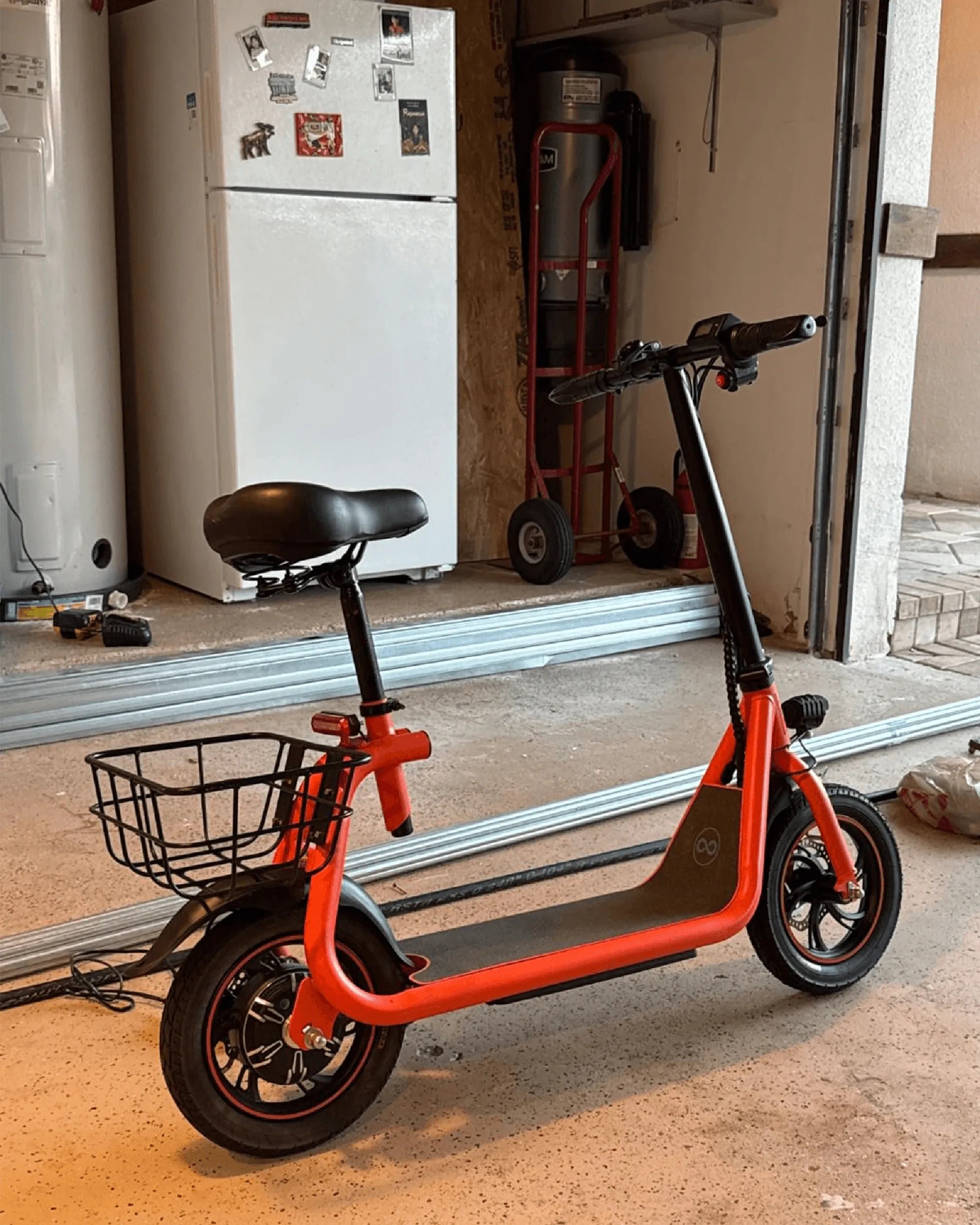
The business of electric scooters is revolutionizing how people move through cities, combining convenience, sustainability, and affordability into a single mode of transportation. As urban areas become more congested and environmentally conscious, electric scooters have emerged as a game-changer, attracting investors, entrepreneurs, and commuters alike. Whether you're a city planner, a potential rider, or an aspiring entrepreneur, understanding this booming industry is essential.
The Rise of Electric Scooters in Urban Mobility
Electric scooters have surged in popularity over the past decade, driven by the need for efficient, eco-friendly transportation alternatives. Cities worldwide are embracing micromobility solutions to reduce traffic congestion and carbon emissions. The business of electric scooters has capitalized on this trend, offering a flexible, last-mile transportation option that complements public transit systems.
Key Drivers Behind the Electric Scooter Boom
Several factors have contributed to the rapid growth of the electric scooter industry:
- Environmental Concerns: With growing awareness of climate change, consumers are seeking greener alternatives to traditional gas-powered vehicles.
- Urbanization: As cities become more densely populated, the demand for compact, efficient transportation solutions has skyrocketed.
- Cost Savings: Electric scooters are significantly cheaper to own and operate compared to cars, making them an attractive option for budget-conscious commuters.
- Technological Advancements: Improvements in battery life, motor efficiency, and connectivity have made electric scooters more reliable and user-friendly.
Challenges Facing the Electric Scooter Industry
Despite its rapid growth, the business of electric scooters faces several hurdles:
- Regulatory Issues: Many cities struggle to integrate electric scooters into existing transportation frameworks, leading to inconsistent regulations.
- Safety Concerns: Accidents involving electric scooters have raised questions about rider education and infrastructure needs.
- Vandalism and Theft: Shared scooter services often grapple with high rates of damage and theft, impacting profitability.
- Battery Disposal: The environmental impact of lithium-ion battery production and disposal remains a pressing concern.
The Economics of Electric Scooter Businesses
The business model for electric scooters typically falls into two categories: retail sales and shared mobility services. Retail sales cater to individual owners, while shared services operate on a rental basis through smartphone apps. Both models have proven lucrative, though they face distinct challenges in terms of scalability and unit economics.
Future Trends in the Electric Scooter Market
As the industry matures, several trends are shaping its future:
- Subscription Models: Some companies are experimenting with monthly subscription services for regular commuters.
- Improved Battery Technology: Advancements in solid-state batteries could dramatically increase range and reduce charging times.
- Integration with Public Transit: Cities are increasingly viewing electric scooters as part of comprehensive transportation networks.
- Autonomous Features: Future scooters may incorporate self-parking and other autonomous capabilities to reduce operational costs.
The business of electric scooters isn't just about getting from point A to point B—it's about reimagining urban transportation for a more sustainable future. As technology evolves and cities adapt, electric scooters will likely play an even greater role in how we navigate our communities. Whether you're considering investing in this sector or simply looking for a smarter way to commute, now is the time to pay attention to this transformative industry.
Most Reliable E Scooter: A Comprehensive Guide to Choosing the Best
Electric Scooters Winston Salem: The Future of Urban Mobility