



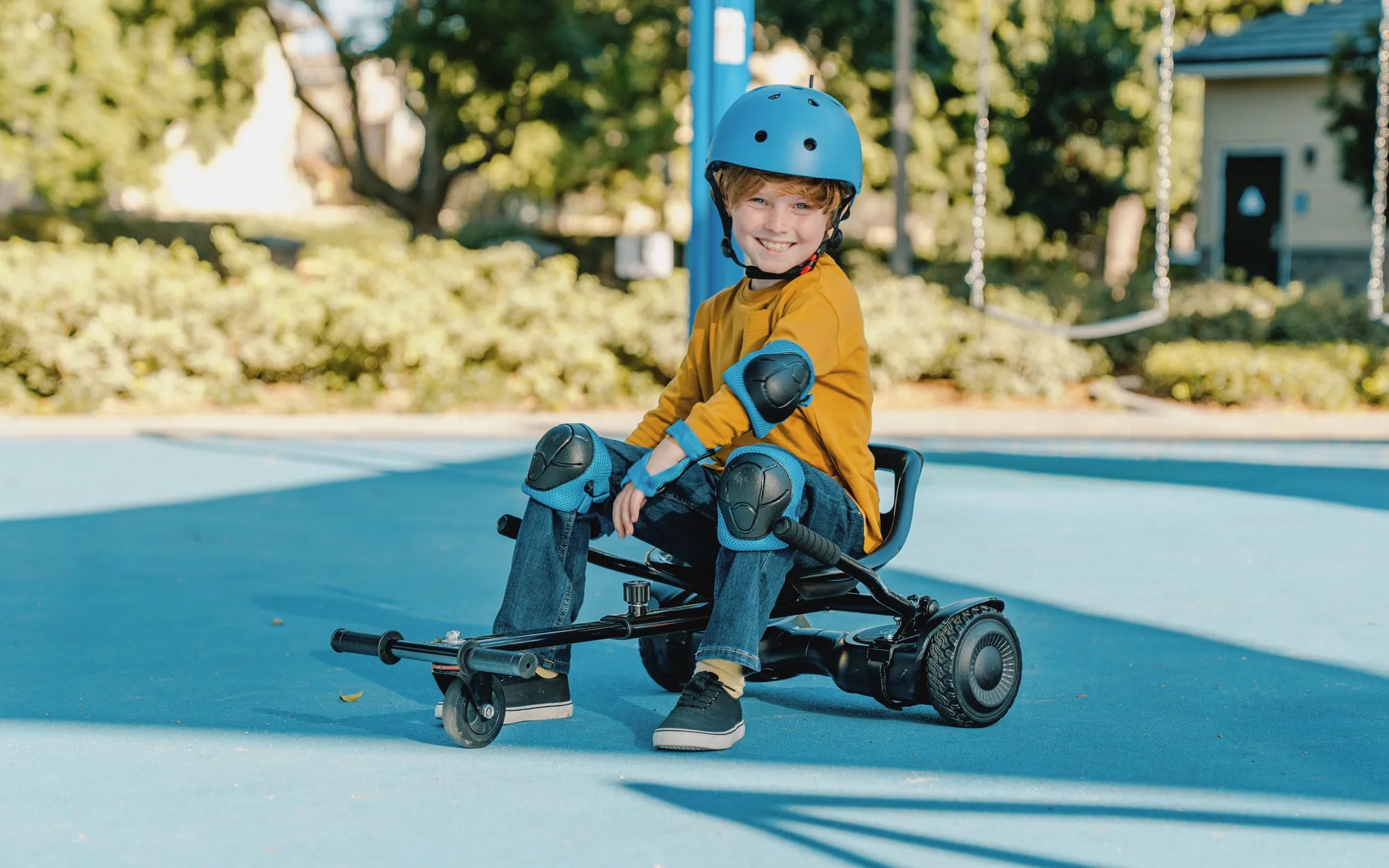
Choosing your child's first independent ride is a milestone moment. A three-wheel scooter for kids offers the perfect blend of stability, fun, and developmental benefits, serving as a safer, more confidence-building entry point than traditional two-wheel models. This ultimate guide will provide parents with everything they need to know: from understanding the unique advantages of three-wheel designs and non-negotiable safety features to selecting the right model and maintaining it for seasons of adventure. We'll combine practical data with actionable advice to ensure your child's journey into active mobility is both joyful and secure.
Why a Three-Wheel Scooter is a Kid's Perfect First Ride
The transition from toddling to rolling represents a significant leap in a child's physical development and sense of independence. A three-wheel scooter for kids is uniquely engineered to facilitate this leap safely. Its design prioritizes initial stability, allowing young riders to focus on the fundamentals of pushing, steering, and balancing without the immediate fear of falling associated with two-wheelers.
This early success is crucial for building confidence. The psychological benefit of mastering a new skill cannot be overstated. When a child feels stable and in control, they are more likely to persist, practice, and ultimately derive greater joy and physical benefit from the activity. The three-wheel scooter for kids acts as a training tool that makes the learning curve gentler and more rewarding.
From a developmental standpoint, riding a three-wheel scooter engages multiple systems. It enhances gross motor skills, coordination, and core strength. The act of alternating legs to propel forward promotes bilateral coordination, while steering develops spatial awareness and reaction time. Unlike passive toys, it encourages outdoor play, contributing to overall physical health and well-being.
For parents, the primary appeal is the inherent safety of the triangular wheelbase. This design significantly reduces the risk of sideways tipping, a common concern with first-time riders. By choosing a three-wheel scooter for kids, you are investing in a piece of play equipment that is designed from the ground up for beginner success, laying a foundation for a lifetime of active living.
Understanding the Three-Wheel Advantage: Stability, Confidence, and Development
The core advantage of a three-wheel scooter for kids lies in its fundamental geometry. Two wheels in the front and one in the rear (or vice-versa) create a stable tripod structure. This design provides a wider contact area with the ground compared to a two-wheel scooter, dramatically increasing lateral stability. For a child still developing their sense of balance, this physical assurance is transformative.
This stability directly fuels confidence. A child who can step on, push off, and glide without immediate wobbling is a child who feels capable. This positive reinforcement loop encourages longer play sessions and more enthusiastic practice. The three-wheel scooter for kids is engineered to deliver early wins, making the rider more willing to attempt slight leans for turning and eventually graduate to more advanced models.
Developmentally, the scooter is a multifaceted tool. Steering mechanisms vary; some models use a lean-to-steer design where the handlebars are fixed and turning is achieved by tilting the deck, which intuitively teaches balance. Others use traditional handlebar steering. Both methods develop proprioception—the body's ability to sense its position in space—and refine fine motor skills in the hands and arms.
The physical exercise involved is full-body. Propelling the scooter builds leg strength and cardiovascular health. Maintaining an upright posture engages core muscles. Navigating a path or avoiding obstacles sharpens cognitive planning and visual processing. This combination makes the three-wheel scooter for kids a comprehensive developmental aid disguised as pure fun.
Three Wheels vs. Two Wheels: Choosing the Right Starting Point
The choice between a three-wheel and a two-wheel scooter is fundamentally about matching the vehicle to the child's current skill level and developmental stage. A three-wheel scooter for kids is the definitive starting point, while a two-wheel model represents the next step in the progression.
The following table outlines the key differences to guide your decision:
| Feature | Three-Wheel Scooter | Two-Wheel Scooter |
|---|---|---|
| Primary Stability | High. Triangular base prevents tipping. | Low. Requires active balancing. |
| Learning Curve | Gentle. Focus on propulsion and basic steering. | Steep. Requires learning balance simultaneously. |
| Ideal Age Range | Typically 2 to 6 years (beginner). | Typically 5 years and up (intermediate). |
| Confidence Building | Fast. Success is almost immediate. | Slower, but highly rewarding upon mastery. |
| Maneuverability | Good for wide turns; stable at low speeds. | High. Allows for sharper turns and tricks. |
| Best For | First-time riders, cautious children, building foundational skills. | Children who have mastered balance, seeking speed and agility. |
As the data shows, introducing a three-wheel scooter for kids first allows them to compartmentalize the skills of riding. They master propulsion and the concept of steering before having to tackle dynamic balance. This step-by-step approach is less frustrating and more pedagogically sound. Attempting a two-wheel scooter too early can lead to falls, fear, and a reluctance to try again.
Brands like Gyroor understand this progression. While known for advanced electric scooters and e-bikes for older riders and adults, their design philosophy emphasizes building from stable foundations—a principle that applies to young riders' first experiences. Starting with a stable three-wheel scooter for kids sets the stage for a confident transition to two wheels later on.
Key Safety Features Every Parent Must Look For
Safety is the non-negotiable foundation of fun. When selecting a three-wheel scooter for kids, certain design features are critical. The first is overall construction quality. The scooter should feel solid, not flimsy. Look for a deck made from durable, reinforced materials that can withstand impacts and weight. The connection points, especially where the handlebar column meets the deck, should be robust and secure without any noticeable play or wobble.
The wheel design is equally important. Larger, wider wheels made from high-quality polyurethane (PU) provide better shock absorption and a smoother ride over sidewalk cracks and minor imperfections. This improves both comfort and control. Additionally, ensure the scooter's weight limit comfortably exceeds your child's current weight to account for growth and ensure structural integrity.
Another vital feature is the steering limiter. This is a built-in mechanism that prevents the handlebars from rotating a full 360 degrees. A sharp, uncontrolled turn can easily cause a child to be thrown off. A limiter restricts the turning radius to a safe angle, preventing jackknifing and promoting stable, predictable turns. This is an essential feature often overlooked in very cheap models.
Finally, consider the grip and adjustability of the handlebars. They should be covered with a non-slip, comfortable grip to prevent hands from slipping during use. Adjustable height handlebars are a significant advantage, allowing the scooter to grow with your child over several seasons, ensuring an ergonomically correct and safe riding posture at all times.
The Importance of a Stable Design and Reliable Braking System
The stable three-wheel geometry is the first and most important safety feature, but it must be paired with an effective braking system. For young children, the braking mechanism needs to be intuitive and easy to engage with minimal force. The most common and effective type for a three-wheel scooter for kids is a step-down rear fender brake.
This system works by the rider simply pressing down on the rear fender with their foot, creating friction against the rear wheel to slow and stop. It's a natural motion that doesn't require complex hand coordination. When evaluating this brake, test its responsiveness; it should engage smoothly and bring the scooter to a controlled stop without jerking. The fender itself should be made of a durable material that won't crack under repeated pressure.
Some advanced three-wheel models may incorporate a handbrake, but this is typically for older children. For the core age group of 2-6 years, the foot-activated brake is superior. It's crucial for parents to practice using the brake with their child before independent riding. Teach them to anticipate stops and apply gentle, gradual pressure rather than a sudden stomp, which could lead to a forward pitch.
The integration of the brake with the stable platform is key. A well-designed three-wheel scooter for kids ensures that during braking, the weight distribution remains managed by the three-point stance, preventing nosedives. This combination of innate stability and simple, reliable stopping power forms the bedrock of a safe riding experience.
Safety Beyond the Scooter: Gear and Riding Etiquette
The safest scooter is only one part of the equation. Proper protective gear is mandatory, not optional. A certified, properly fitted bicycle helmet is the absolute minimum requirement for every single ride, even in the driveway. Look for helmets meeting CPSC (U.S. Consumer Product Safety Commission) safety standards. Elbow and knee pads are highly recommended, especially during the learning phase, as they protect against the most common scrapes and falls.
Establishing clear riding etiquette and rules is equally important for long-term safety. Always insist on riding in safe, controlled environments. This means smooth, paved surfaces like driveways, sidewalks in quiet neighborhoods (where permitted and safe), or park paths—never on roads, near traffic, or on streets with cars. Adult supervision is essential for young riders to enforce rules and respond to any situation.
Teach your child to be aware of their surroundings. This includes watching for pedestrians, cracks in the pavement, gravel, wet leaves, or slopes that could affect control. Instill the habit of scanning ahead and slowing down for obstacles. Also, establish rules about not riding at dusk or in the dark, and if riding in lower light conditions is unavoidable, adding reflective stickers to the scooter and having the child wear reflective clothing is a must.
Finally, lead by example. If you ride an electric scooter or bike yourself, demonstrate safe practices. Wear your helmet, follow traffic rules, and show respect for pedestrians. Your behavior sets the standard for your child's understanding of responsible riding, ensuring that the fun of their three-wheel scooter for kids is built on a lasting culture of safety.
How to Choose the Best Three-Wheel Scooter for Your Child
Selecting the right three-wheel scooter for kids involves matching specifications to your child's individual size, age, and personality. The goal is to find a scooter that fits them perfectly now, with some room to grow, to ensure optimal control and safety. A scooter that is too large or too heavy can be intimidating and difficult to manage, while one that is too small will be outgrown quickly and may feel unstable.
Start by checking the manufacturer's recommended age and weight limits. These are based on the scooter's structural design and are critical for safety. Do not purchase a scooter where your child is at the absolute maximum weight limit; choose one with a comfortable buffer. The deck should be low to the ground to allow easy mounting and dismounting and to lower the center of gravity, enhancing stability.
Consider your child's temperament. For a more cautious child, prioritize maximum stability—look for models with a wider deck and a wheel configuration that emphasizes a slow, steady learning curve. For a more adventurous child who may progress quickly, you might consider a model with a lean-to-steer mechanism that introduces balance concepts, or one with adjustable handlebars to extend its usable life as they gain skill and height.
The environment matters too. If you'll primarily be riding on rougher pavement, prioritize models with larger, softer wheels for better shock absorption. For indoor or very smooth outdoor use, standard wheels will suffice. By taking a holistic view of your child's physical attributes and your riding environment, you can narrow the field to the best-fitting three-wheel scooter for kids.
Age and Weight Guidelines: Finding the Perfect Fit
Adhering to age and weight guidelines is the most important step in the selection process. These parameters are engineered into the scooter's design. For a three-wheel scooter for kids, the typical age range is 2 to 6 years, but this can vary by model and the child's development.
For Toddlers (Ages 2-3): Look for scooters with a very low deck height (often 1-2 inches off the ground), extra-wide wheelbases, and a total weight under 3-4 pounds for easy handling. The handlebar height should be between 18 and 22 inches. These scooters are designed for slow, stable exploration and often have a "sweet spot" weight limit of around 44 lbs (20 kg).
For Preschoolers (Ages 3-5): This is the core market for three-wheel scooters. Deck heights may be slightly higher, and handlebars adjustable from roughly 20 to 26 inches. The scooter's weight might be 4-6 pounds, with a higher weight capacity, often up to 110 lbs (50 kg) for durable models. This ensures the scooter can last for several years of growth.
For Older Kids (Ages 5-8): Some three-wheel models are designed for older beginners or as stable alternatives. These will have higher weight limits (up to 150 lbs or 68 kg) and taller handlebar adjustments. They may also feature more sophisticated steering or even electric-assist options for a different kind of fun, though non-motorized is best for learning fundamentals.
Always measure your child's inseam and compare it to the deck height. Their feet should flat-foot the ground comfortably when standing on the deck. The handlebars should be at or slightly below waist level when standing beside the scooter. A proper fit is the first step in safe and confident riding on any three-wheel scooter for kids.
Durability and Warranty: Investing in Long-Lasting Fun
A three-wheel scooter for kids is an investment in active play. Prioritizing durability means choosing a scooter that will withstand daily use, occasional bumps, and the rigors of childhood. Look for construction from materials like aircraft-grade aluminum or reinforced steel for the main frame. These materials offer an excellent strength-to-weight ratio, keeping the scooter light enough for a child to maneuver yet strong enough to be resilient.
Examine the welding and joints. They should be smooth and solid. Plastic components, such as the deck covering, handlebar grips, and wheel hubs, should be thick and high-quality, not brittle. Give the scooter a gentle shake; there should be no rattles or loose parts. High-quality bearings in the wheels will ensure a smooth, quiet glide and last much longer than cheap alternatives.
The warranty offered by the manufacturer is a direct reflection of their confidence in the product's durability and their commitment to customer support. A comprehensive warranty is a critical safety net. Gyroor, for instance, a leading brand in personal electric mobility, backs its products with a reliable 1-year warranty, supported by a US-based customer service team. This level of support provides peace of mind that any manufacturing defects will be addressed promptly.
Investing in a durable scooter from a reputable brand with a strong warranty might have a higher upfront cost, but it pays dividends in longevity, safety, and overall value. It often means the scooter can be passed down to a younger sibling, making it a truly sustainable choice. When evaluating a three-wheel scooter for kids, consider the total cost of ownership, not just the initial price tag.
Maintaining Your Scooter for Seasons of Fun
Regular, simple maintenance ensures your child's three-wheel scooter for kids remains safe and functional for years. A well-maintained scooter performs better, is safer to ride, and teaches your child the value of caring for their belongings. Establishing a quick maintenance routine takes only minutes but dramatically extends the scooter's lifespan.
The most critical maintenance task is checking and tightening fasteners. The vibrations from riding can gradually loosen bolts, especially those connecting the handlebar stem to the deck and the wheels to the axles. Every few weeks, or after any particularly rough ride, use the appropriate Allen wrench or screwdriver (usually provided with the scooter) to ensure all bolts are snug. Do not overtighten, as this can strip threads.
Next, inspect the wheels and bearings. Spin each wheel to ensure it rotates freely and smoothly without wobbling or making grinding noises. Check the wheels for significant wear, cracks, or deep cuts. Worn-down wheels can affect stability and braking. Most quality three-wheel scooters for kids have wheels that can be replaced when worn, which is far more economical than replacing the entire scooter.
Finally, test the braking system regularly. Press down on the rear fender brake to ensure it makes firm contact with the wheel and brings it to a stop. If the brake becomes less effective, check for wear on the brake pad (the part of the fender that contacts the wheel) and ensure no debris is stuck in the mechanism. A quick wipe-down of the wheel and brake contact surface after riding in dusty conditions can maintain optimal performance.
Simple Pre-Ride Checks and Cleaning Tips
Instituting a pre-ride checklist is an excellent safety habit. Before your child mounts their three-wheel scooter for kids, take 30 seconds to perform a visual and functional inspection. Look for any obvious damage, such as a cracked deck or bent handlebar. Give the scooter a shake to listen for loose parts. Ensure the handlebars are securely locked at the desired height and do not twist or collapse.
Check the wheels for debris like pebbles, twigs, or hair wrapped around the axles, which can impede rotation. Confirm the steering moves smoothly from side to side without sticking. Perform a brake test by pushing the scooter forward and applying the brake to verify it engages and stops the wheel. This quick routine can prevent accidents caused by mechanical failure.
Cleaning the scooter is straightforward but important. Use a damp cloth with mild soap and water to wipe down the deck, frame, and handlebars. Avoid spraying water directly onto the scooter, especially near bearing areas, as forced moisture can degrade lubrication. For stubborn dirt on wheels, a soft brush can be helpful. Dry the scooter with a towel after cleaning to prevent rust on any metal components.
Store the scooter in a dry place, such as a garage or mudroom, away from direct sunlight and extreme temperatures. If storing for an extended period (e.g., over winter), a final thorough cleaning and ensuring all parts are dry will prevent corrosion and keep the three-wheel scooter for kids ready for action when the sun returns.
Proper Storage and Battery Care (for Electric Models)
While most three-wheel scooters for young kids are kick-powered, some older children may graduate to stable three-wheel electric scooters. For these models, battery care is paramount for safety, performance, and longevity. The principles here reflect the expertise of brands like Gyroor, which uses UL-certified lithium-ion battery packs in its electric mobility products, a standard parents should look for.
Always follow the manufacturer's specific charging instructions. As a general rule, do not leave the scooter plugged in for extended periods after it is fully charged (overcharging). Similarly, avoid completely draining the battery before recharging. For long-term storage (more than a month), it is best to store the scooter with the battery charged to about 50-60% capacity. Storing a battery fully drained or at 100% charge for months can permanently reduce its capacity.
Store the electric scooter in a cool, dry place. Extreme heat (like in a hot car trunk) or freezing cold can damage lithium-ion batteries. The ideal storage temperature is between 50°F and 77°F (10°C and 25°C). If the scooter gets wet, wipe it down thoroughly and allow it to dry completely before charging or storing. While brands like Gyroor design products with IPX5 water-resistant ratings to protect against splashes and puddles, submerging any electric vehicle is dangerous and voids warranties.
Use only the charger provided by the manufacturer. Third-party chargers may not have the correct voltage or safety cut-offs, posing a fire risk. Periodically inspect the battery compartment, charger, and cable for any signs of damage, swelling, or exposed wires. Proper battery stewardship ensures that an electric three-wheel scooter for kids remains a reliable and safe source of fun for its entire lifespan.
Frequently Asked Questions (FAQs)
Q1: What is the best age to start my child on a three-wheel scooter?
A: Most children are ready to try a three-wheel scooter between the ages of 2 and 3, once they can walk and run confidently. Look for signs of good coordination and an interest in wheeled toys. Always choose a model specifically designed for their age and size, with a low deck and wide wheelbase for maximum stability.
Q2: Can a three-wheel scooter be used indoors?
A> Yes, many three-wheel scooters for kids are suitable for indoor use on hard flooring like hardwood, laminate, or tile. Their quiet, non-marking polyurethane wheels are ideal for this. Ensure you have a clear, obstacle-free space and consider placing protective mats under play areas if concerned about floor scratches. Always supervise indoor riding.
Q3: How do I teach my child to use the scooter safely?
A> Start in a flat, open, and smooth area like a driveway or empty tennis court. Hold the handlebars lightly to help them find their balance as they place one foot on the deck. Encourage them to use the other foot to push gently. Practice stopping with the brake before they gain speed. Offer lots of encouragement and keep initial sessions short and positive.
Q4: Is a three-wheel scooter safe in wet conditions?
A> It is not recommended. Wet pavement significantly reduces traction for both the wheels and the brake, increasing the risk of slipping and losing control. Metal parts can rust, and water can damage bearings. If the scooter does get wet, dry it thoroughly as soon as possible. For electric models, never ride or charge a wet scooter, even if it has a water-resistant rating like Gyroor's IPX5, which is for light splashes, not riding in the rain.
Q5: My child is tall for their age. How do I ensure a good fit?
A> Focus on the scooter's specifications, not just the age label. The key metrics are the deck height and the adjustable handlebar range. Measure your child's inseam; the deck should be low enough for them to stand flat-footed. The handlebars should adjust to a height between their waist and lower chest when they stand next to the scooter. Always prioritize models with a higher weight capacity and adjustable handlebars for a growing child.
Rolling Towards Confidence and Joy
The journey to choosing the right three-wheel scooter for kids is one that pays off in countless hours of active, confident play. By prioritizing the inherent stability of the three-wheel design, you give your child the gift of a safe and successful first riding experience. This foundation of confidence is perhaps the greatest benefit, fostering a love for outdoor activity and a sense of accomplishment that extends far beyond the sidewalk.
Remember, the key considerations are a perfect fit for your child's size, a focus on core safety features like a stable base and reliable brake, and a commitment to durable construction from a trustworthy brand. Integrating safety gear and smart riding habits from day one ensures the fun is protected. Simple, regular maintenance will keep the scooter rolling smoothly season after season.
Brands that build with integrity, like Gyroor—a leader in electric mobility trusted by over 100,000 riders—understand that safety and quality are the cornerstones of any great riding experience, whether for an adult on an e-bike or a child on their first scooter. This commitment to UL-certified components, robust design, and strong customer support sets a standard worth seeking.
Ready to find the perfect ride to kickstart your child's adventure? Explore a curated selection of durable, kid-tested riding gear and discover the confidence that comes from quality engineering. Browse the full Gyroor collection at gyroorboard.com and equip your child for a world of fun, freedom, and safe exploration.
Big Christmas Gift Ideas for Teen Girls: The Ultimate Guide to Memorable Gifts
Best Christmas Gift Ideas for Kids 2025: Top Picks for Holiday Joy