

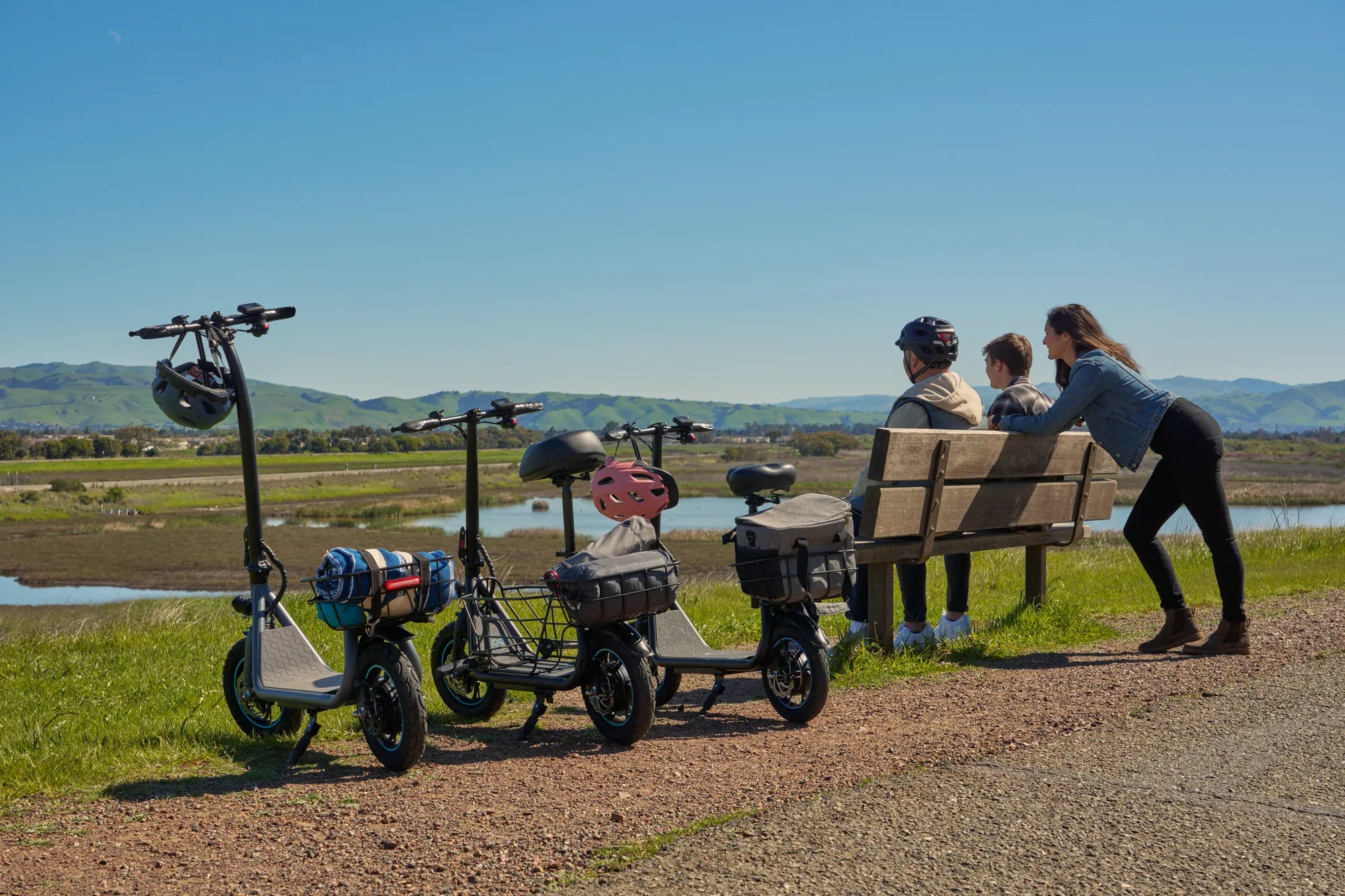
Imagine a vehicle that combines the stability of a car with the agility of a motorcycle—three wheeled vehicles are redefining urban mobility and adventure. Whether for daily commutes, eco-friendly travel, or thrilling rides, these unique machines offer a versatile solution for modern transportation needs. Let’s dive into the world of three wheeled vehicles and explore why they’re gaining popularity.
What Is a Three Wheeled Vehicle?
A three wheeled vehicle, as the name suggests, is a motorized or human-powered transport with three wheels. These vehicles come in various configurations, including two wheels at the front and one at the back (tadpole) or one wheel at the front and two at the rear (delta). Their design offers a balance between the efficiency of motorcycles and the safety of cars.
Types of Three Wheeled Vehicles
Three wheeled vehicles can be broadly categorized into several types:
1. Traditional Trikes
These are often seen as recreational vehicles, offering a stable and comfortable ride. They are popular among older riders or those who prefer a more relaxed driving experience.
2. Electric Three Wheelers
With the rise of eco-friendly transportation, electric three wheelers are becoming a common sight in urban areas. They are efficient, quiet, and produce zero emissions.
3. Cargo Trikes
Designed for utility, cargo trikes are used for transporting goods in crowded cities. They are an excellent alternative to small delivery vans, especially in areas with heavy traffic.
4. Adventure Trikes
Built for off-road enthusiasts, these vehicles combine rugged durability with the thrill of exploration. They are perfect for those who want to venture beyond paved roads.
Benefits of Three Wheeled Vehicles
Three wheeled vehicles offer several advantages over traditional two-wheeled or four-wheeled options:
1. Enhanced Stability
The three-wheel design provides better balance, reducing the risk of tipping over compared to motorcycles. This makes them ideal for beginners or those with mobility challenges.
2. Fuel Efficiency
Many three wheelers are lightweight and aerodynamic, leading to better fuel economy. Electric models further reduce operating costs.
3. Maneuverability
These vehicles can navigate tight spaces and congested streets with ease, making them perfect for urban environments.
4. Lower Environmental Impact
With options like electric and hybrid models, three wheeled vehicles contribute to reducing carbon footprints.
Challenges and Considerations
While three wheeled vehicles have many benefits, there are some challenges to consider:
1. Limited Speed
Most three wheelers are not designed for high-speed travel, which may be a drawback for some users.
2. Weather Exposure
Unlike cars, many three wheeled vehicles lack full enclosures, leaving riders exposed to the elements.
3. Regulatory Hurdles
In some regions, three wheelers may face unique licensing or insurance requirements, which can complicate ownership.
The Future of Three Wheeled Vehicles
As cities grow denser and environmental concerns rise, three wheeled vehicles are poised to play a significant role in the future of transportation. Innovations in battery technology, autonomous driving, and lightweight materials will likely expand their appeal. Whether for personal use, delivery services, or recreational adventures, these vehicles offer a compelling blend of practicality and fun.
Ready to experience the freedom and versatility of a three wheeled vehicle? From eco-friendly commutes to off-road escapades, there’s a model out there to match your lifestyle. The road ahead is wide open—why not take it on three wheels?
E Bike Deals: How to Find the Best Discounts and Save Big
E Bike Stand: The Ultimate Guide to Choosing and Using the Perfect Stand