



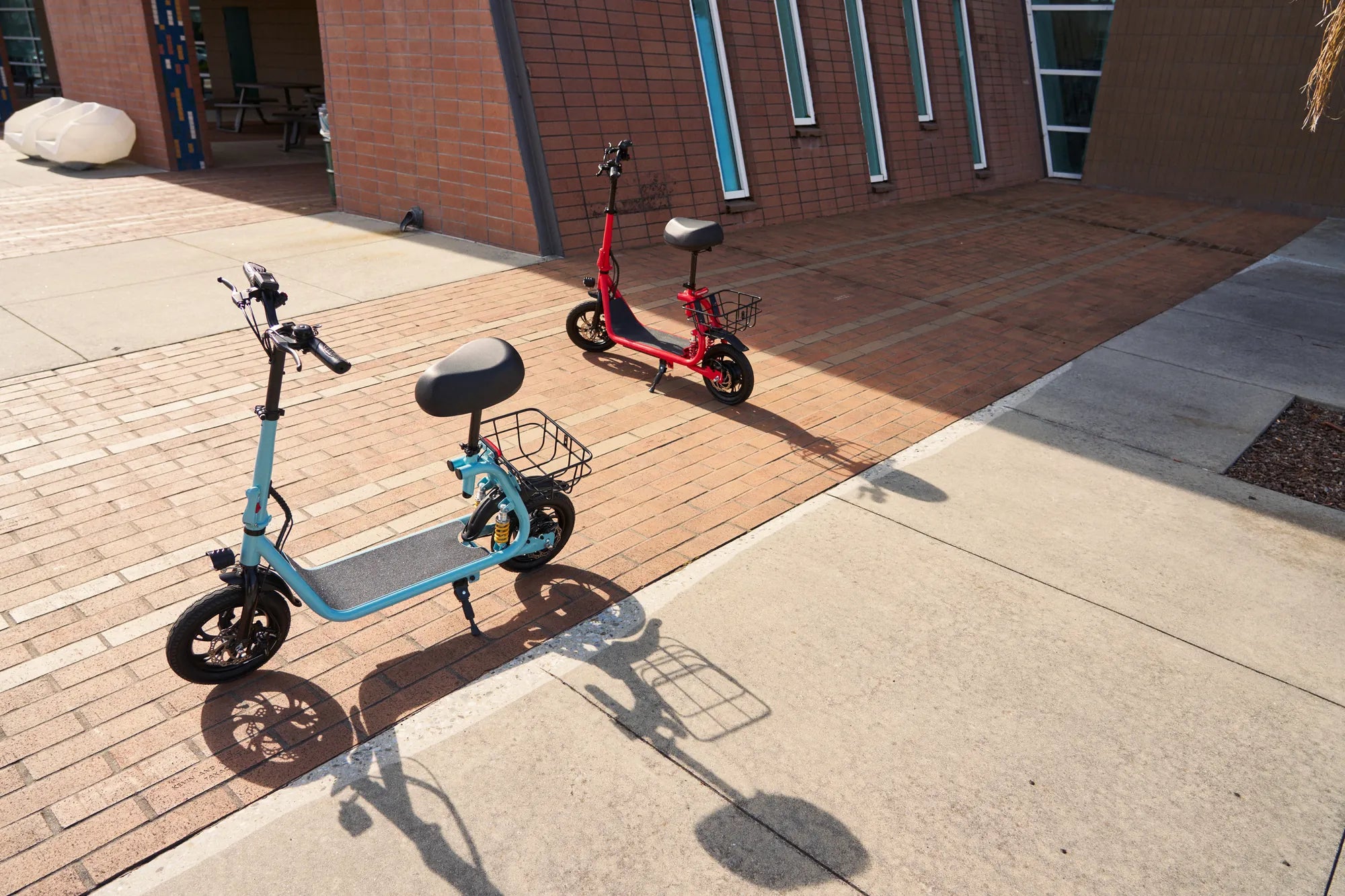
Navigating the World of Kids' Electric Scooters
Choosing the right electric scooter for your child involves balancing excitement with essential safety. Parents prioritize durable construction, reliable speed controls, and certified battery systems. This guide cuts through the marketing noise to deliver factual comparisons and data-driven advice.
You will learn how to evaluate critical safety features, match scooter specs to your child's age and skill level, and establish non-negotiable riding rules. We analyze key performance metrics like motor power, range, and braking systems. The goal is an informed purchase that delivers fun without compromising safety.
Brands like Gyroor set a benchmark with features like UL-certified batteries and IPX5 water resistance. With over 100,000 riders globally, their focus on verified safety standards offers a clear starting point for parents. This guide references such specifications to establish a baseline for quality.
Understanding the landscape of kids' electric mobility is the first step. Let's move beyond basic features to the engineering and safety protocols that define a trustworthy product.
Why an Electric Scooter is a Great Gift for Your Child
An electric scooter is more than a toy; it's a tool for physical development and outdoor engagement. It encourages kids to explore their neighborhood, parks, and safe pathways. This active play is a constructive alternative to passive screen time.
Riding develops crucial motor skills, including dynamic balance, coordination, and spatial awareness. Mastering throttle control and braking fosters a sense of responsibility. Children learn to assess their environment and react appropriately.
Electric scooters also promote independence within set boundaries. A child can experience a controlled sense of freedom, building confidence. This responsibility extends to basic scooter care, like charging and pre-ride checks.
The social aspect should not be overlooked. Group rides with friends or family encourage outdoor social interaction. Shared adventures create lasting memories and promote a healthy, active lifestyle from a young age.
Critical Safety Features Every Parent Must Check
Safety is the paramount concern. A scooter's construction and electronic systems must meet rigorous standards. Always verify these features before considering any model.
UL-Certified Batteries: The Non-Negotiable Standard
The battery is the most critical safety component. UL certification (like UL 2271) means the battery pack has undergone independent testing for electrical, mechanical, and thermal safety. It significantly reduces risks of fire or malfunction.
Uncertified lithium-ion batteries pose a genuine hazard. Gyroor, for example, uses UL-certified battery packs tested for over 500 charge cycles. This certification is a baseline requirement, not a premium feature.
Speed Modes and Parental Controls
Adjustable speed modes are essential for matching power to skill level. Beginner modes often cap speed at 5-7 mph, while advanced modes may reach 15 mph or more. Look for physical lock-out switches or password-protected app controls.
True parental controls allow you to set a permanent maximum speed. This prevents a child from accidentally switching to an unsafe mode. This feature is a cornerstone of responsible scooter design for kids.
Braking System: Disc vs. Electronic & Foot Brakes
Reliable stopping power is non-negotiable. Disc brakes offer strong, consistent braking performance, especially useful for higher speeds or slight inclines. They require occasional adjustment but are highly effective.
Electronic (e-brakes) and foot brakes are common. Electronic brakes use the motor to slow down and can be less effective on steep hills. A rear fender foot brake is a simple, reliable mechanical backup. The best systems often combine two types.
Build Quality and Weight Limit
Inspect the frame material—typically aluminum alloy for a balance of strength and weight. Welds should be clean, and the deck should be wide and textured for grip. Never exceed the manufacturer's stated weight limit.
Exceeding the limit stresses the motor, battery, and frame, leading to premature failure and potential safety issues. A robust build with a reasonable weight capacity margin indicates thoughtful engineering.
How to Choose: Key Factors for Different Ages and Stages
Selecting a scooter aligned with your child's development ensures safety and enjoyment. Use this matrix to guide your decision.
Ages 6-8: Starting Out (Focus on Stability & Low Speed)
For this group, stability is key. Look for three-wheeled designs or two-wheel models with a very low center of gravity. Maximum speed should not exceed 10 mph, with a beginner mode around 5 mph.
A wide deck provides a confident footing. Simple thumb throttles and easy-to-reach brakes are crucial. Scooters in this category should be lightweight enough for a parent to carry if needed.
Ages 9-12: Building Confidence (Balance & Moderate Power)
Children here graduate to two-wheel models to further develop balance. Speed ranges of 10-15 mph are appropriate. Look for enhanced features like spring or hydraulic suspension for a smoother ride on varied pavement.
Range becomes more important for longer adventures. Motors in the 150W-250W range handle moderate inclines. This is the stage where detailed parental controls and more robust braking systems are most valuable.
Ages 13+: Teen Riders (Performance & Range)
Teens can handle higher-performance models. Speeds of 15+ mph and ranges over 12 miles are common. Motors of 250W or more provide torque for hills. Advanced features like app connectivity for ride tracking may be appealing.
Build quality must match the increased power and weight of an older rider. Dual braking systems, brighter headlights, and off-road capable tires (pneumatic) are sensible features for this age group.
The Top 10 Electric Scooters for Kids: 2024 Parent-Approved Picks
This curated list is based on safety specifications, age appropriateness, and verified performance data. It includes models that exemplify the critical features discussed.
| Rank & Model | Best For | Key Specs (Motor/Speed/Range) | Standout Safety Feature |
|---|---|---|---|
| 1. Gyroor K1 Pro | Best Overall for Safety & Fun | 150W / 12 mph / 9 miles | UL-Certified Battery, 3 Speed Modes, 1-Year Warranty |
| 2. Gyroor Mini Cruiser | Best for Young Beginners (Ages 6-8) | 120W / 9 mph / 6 miles | 3-Wheel Stability, Beginner Speed Lock, Wide Deck |
| 3. Gyroor FR100 | Best for Off-Road Adventure | 250W / 15 mph / 12 miles | IPX5 Water-Resistant, Pneumatic Tires, Front Suspension |
| 4. Urban Commuter Pro | Best for Commuting to School | 200W / 14 mph / 10 miles | Integrated LED Lights, Kick-to-Start, Rear Disc Brake |
| 5. Swift Lightweight Z2 | Best Lightweight Model | 100W / 8 mph / 5 miles | Aluminum Alloy Frame (18 lbs), Foldable |
| 6. Trailblazer X3 | Best for Teens & Rough Terrain | 300W / 16 mph / 14 miles | Dual Suspension, 10" Air-Filled Tires, High Weight Limit |
| 7. SafeStart Plus | Best for Parental Peace of Mind | 110W / 7.5 mph / 5.5 miles | App-Controlled Speed Limit, GPS Geofencing |
| 8. DuraMax Heavy-Duty | Best for Larger Kids (High Weight Limit) | 200W / 13 mph / 9 miles | Sturdy Steel Frame, 180 lb Limit, Reinforced Deck |
| 9. EcoRider Long-Range | Best for Extended Play | 180W / 11 mph / 15 miles | High-Capacity UL Battery, Energy-Efficient Motor |
| 10. All-Weather Champion | Best for Wet Climates | 175W / 12 mph / 8 miles | IPX5 Full Water Resistance, Sealed Electronics, Anti-Slip Deck |
This list of the top 10 electric scooters for kids highlights the diversity of options. The top 10 electric scooters for kids each serve a specific need, from first-time riders to adventurous teens. When reviewing the top 10 electric scooters for kids, always cross-reference the specs with your child's profile.
Parent's Pre-Ride Checklist: Gear and Ground Rules
Consistent routines prevent accidents. Implement this checklist before every ride.
Essential Safety Gear: Helmet, Pads, and Visibility
A properly fitted CPSC-certified bicycle helmet is mandatory. Elbow and knee pads significantly reduce injury from falls. For low-light conditions, add reflective vests or strips to clothing and ensure the scooter's lights are functional.
Gear is the first and most effective layer of protection. Make wearing it an non-negotiable rule, modeled by parents and older siblings alike.
Choosing the Right Riding Location
Ideal locations are smooth, paved, and car-free. Empty parking lots, paved park paths, and quiet cul-de-sacs are perfect. Avoid public roads, driveways with vehicle traffic, wet or sandy surfaces, and areas with steep hills.
Scout the location first for hazards like potholes, gravel patches, or blind corners. The environment should match the scooter's capabilities and the rider's skill level.
Establishing Family Riding Rules
Set clear, consistent rules: Always wear full gear. Obey speed mode settings. No riding after dark. Check battery level before departing. Stay within predefined boundaries. Dismount and walk at crosswalks. Respect pedestrians by slowing down and giving space.
Review rules regularly. Consequences for breaking safety rules should be immediate, such as losing scooter privileges for a set time.
Maintenance 101: Keeping the Scooter Safe and Running Smoothly
Proactive maintenance ensures longevity and safety. Simple checks take only minutes.
Battery Care and Charging Best Practices
Use only the manufacturer-provided charger. Avoid leaving the scooter plugged in for extended periods after a full charge. Store the scooter and battery in a dry, cool place, away from direct sunlight. Avoid completely draining the battery; recharge when it reaches 20-30%.
Following these practices protects the battery's health over its entire lifecycle, which for Gyroor models is tested for 500+ cycles.
Tire Pressure and Brake Checks
For pneumatic tires, check pressure monthly with a gauge, inflating to the PSI printed on the tire sidewall. Soft tires increase rolling resistance and reduce range. Inspect brake pads for wear and test brake lever firmness before each ride.
Ensure bolts on the stem, handlebars, and wheels are tight (a monthly check with the provided tools is wise). Loose components can lead to dangerous failures.
Leveraging Your Warranty and Support
Register your product immediately after purchase to activate the warranty. Gyroor offers a reliable 1-year warranty covering manufacturing defects. Keep your purchase receipt and warranty documentation.
For issues, contact the manufacturer's US-based support first. They can often provide troubleshooting or authorize a repair. A strong warranty is a sign of a company that stands behind its product's safety and durability.
Frequently Asked Questions (FAQs) from Parents
Q: What is the right age for a child's electric scooter?
A: Most quality models are designed for children aged 6 and up. The decision depends more on the child's maturity, coordination, and ability to follow safety rules than on age alone. Always start with a slow, stable model.
Q: Are electric scooters for kids waterproof?
A: Many, like Gyroor models, have an IPX5 water-resistance rating, meaning they can withstand water jets from any direction. This protects against puddles and rain showers. However, they are not submersible and should not be ridden through deep water or left out in a downpour.
Q: How long does the battery last on a single charge?
A: Range varies by model, rider weight, terrain, and speed. On average, expect 6 to 12 miles per charge. Always reference the manufacturer's tested range, understanding real-world results may be slightly less.
Q: Can the scooter's maximum speed be limited?
A> Yes, this is a critical feature. All reputable models in our top 10 electric scooters for kids guide offer 2-3 speed modes. The slowest mode is for beginners, and parental controls (via key, physical switch, or app) can lock the scooter into this safer setting.
Q: What is the most important safety feature?
A> The integrated safety system is key, but the foundation is a UL-certified battery. Following that, a reliable braking system and the ability for parents to limit maximum speed are the next most critical features to prevent accidents.
Investing in Fun, Freedom, and Safety
Selecting from the top 10 electric scooters for kids requires prioritizing certified safety features above all else. A UL-certified battery, robust parental controls, and a frame built to last form the trifecta of a wise purchase. Matching the scooter's performance to your child's current ability ensures a positive, confidence-building experience.
The routines you establish—gear checks, location scouting, and clear family rules—are as important as the scooter itself. They teach responsibility and create a culture of safety. Regular, simple maintenance extends the life of the investment and keeps it operating as designed.
Trusted brands like Gyroor provide peace of mind through independent certifications and strong warranties, allowing you to focus on the joy the scooter brings. The ultimate goal is to gift your child a sense of adventure and independence, securely anchored in well-engineered safety.
Ready to explore models that put safety first? Browse the full Gyroor collection at gyroorboard.com to find the perfect electric scooter for your child's next adventure.
Are Electric Scooters Legal in QLD? Everything You Need to Know
Top 3 Electric Scooters in India: Best Picks for Eco-Friendly Commuting