


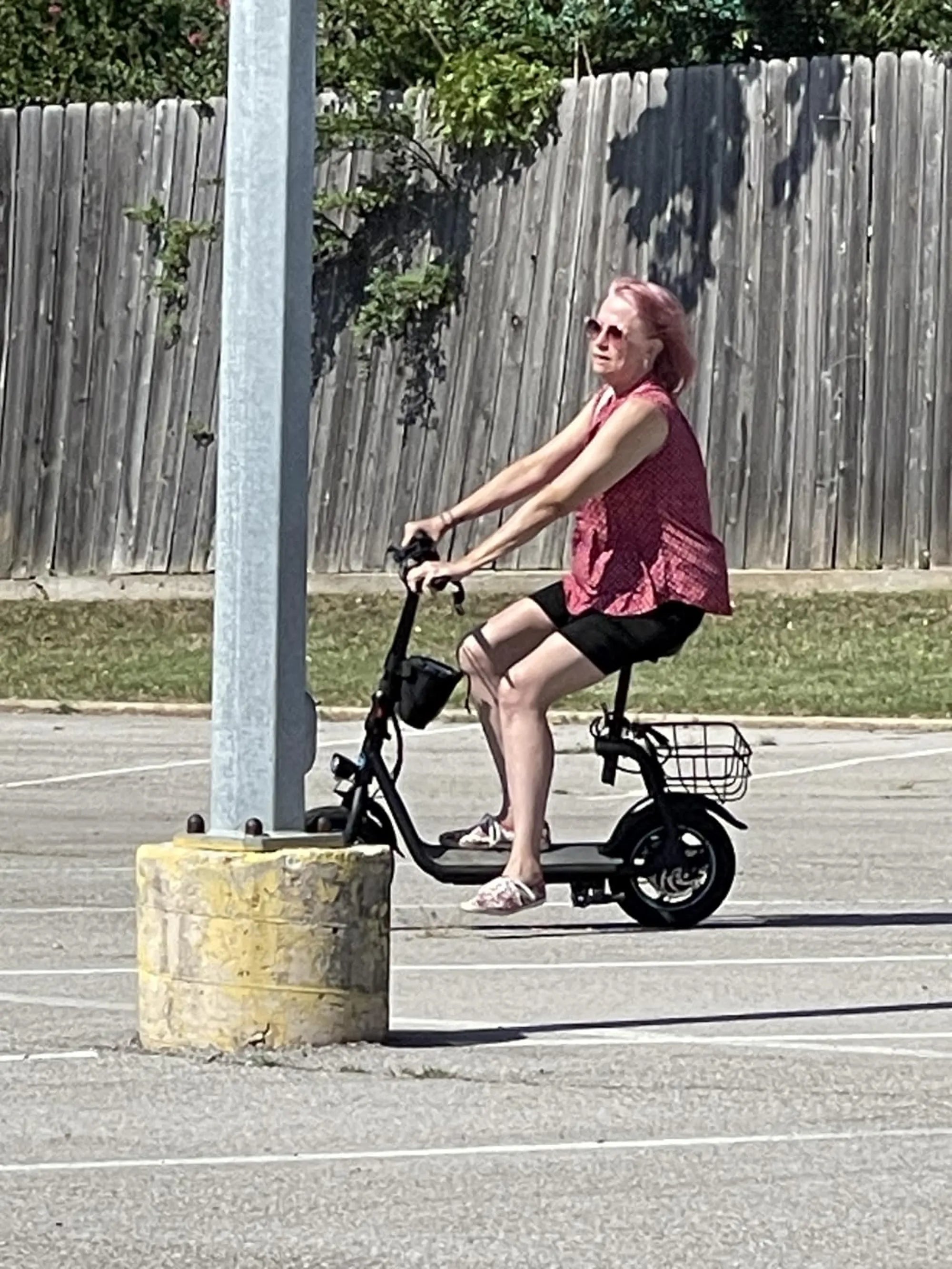
Navigating the 2025 Electric Scooter Landscape
The urban commute is undergoing a quiet revolution. For the smart commuter, the choice is no longer just about speed; it's about efficiency, reliability, and integrating seamlessly into a multimodal lifestyle. This guide provides a definitive, data-driven framework for selecting the best electric scooter in 2025. We move beyond superficial specifications to focus on real-world performance, safety certifications, and long-term ownership value that smart commuters demand.
Our analysis is built on practical evaluation criteria, not promotional fluff. You will learn to distinguish between advertised and actual range, understand the non-negotiable importance of battery safety standards, and identify the scooter category that aligns perfectly with your daily route and lifestyle. The goal is to equip you with the knowledge to make an informed investment in your daily mobility.
The market has matured significantly, with leading brands now prioritizing certified components and durable designs. For instance, Gyroor, a brand trusted by over 100,000 riders across North America and Europe, builds all its models with UL-certified batteries and IPX5 water-resistant designs. This shift towards verified safety and reliability sets the standard for what smart commuters should expect in 2025.
The Smart Commuter’s Framework: What to Look for in 2025
Choosing an electric scooter requires a shift in perspective. The smartest buy isn't the one with the highest top speed; it's the model that delivers consistent, safe, and practical performance day after day. This framework prioritizes the factors that impact your daily commute most directly, from peace of mind to practical portability.
Performance metrics must be contextualized. A scooter's value is determined by how its features handle your specific commute—be it pothole-riddled streets, bridge inclines, or the need to carry it onto a train. We will break down the critical specifications and translate them into real-world commuting scenarios.
Safety & Certification: Non-Negotiables for Peace of Mind
Battery safety is the paramount concern. In 2025, any scooter under serious consideration must have a UL 2272 certification for its electrical system. This independent test verifies the battery pack's resilience against overcharging, short circuits, and other failure modes. It is the baseline for a safe product.
Water resistance is equally critical for all-weather reliability. Look for a minimum IPX5 rating, which certifies protection against water jets from any direction. This rating, found on all Gyroor models, means your scooter can handle wet roads and light rain without immediate risk of electrical failure. Never compromise on these verifiable safety standards.
Real-World Range vs. Advertised Range
Manufacturer range figures are typically derived under ideal laboratory conditions. Real-world range is affected by rider weight, terrain, wind, temperature, and riding style. A conservative and practical rule is to derate the advertised range by 20-30% for commute planning.
For a reliable daily commute, your scooter's real-world range should comfortably exceed your round-trip distance by at least 30%. This buffer accounts for battery degradation over time, unexpected detours, and colder weather, which can significantly reduce lithium-ion battery performance.
Portability and Daily Practicality
The best commuter scooter is one you'll actually use every day. Weight is a crucial, often overlooked factor. A 50-pound scooter might have great specs, but carrying it up a flight of stairs or onto a crowded bus quickly becomes a burden.
Evaluate the folding mechanism for speed, security, and whether the scooter stays compact when folded. A good fold should allow you to store the scooter under a desk or in a closet without it splaying open. The balance between robust performance and manageable weight defines true portability.
Top Electric Scooter Categories for 2025 Commuters
The market segments neatly into distinct categories based on primary use-case. Identifying which category you belong to is the first step toward a satisfying purchase. Each type represents a different balance of power, range, portability, and comfort.
Your choice should be dictated by your longest regular trip, the nature of your terrain, and how you plan to transport the scooter when not riding. The following categories will help you narrow your focus to the models designed for your specific commuting reality.
The Ultimate Urban Commuter (Balanced Performance)
This category is the sweet spot for most city dwellers. Ideal for 5-10 mile daily round trips, these scooters blend adequate power with manageable weight. Key specs include a 20-25 mph top speed, a 20-30 mile real-world range, and a weight between 35 and 50 pounds.
Essential features include integrated front and rear lights for visibility, a clear digital display showing speed and battery level, and some form of suspension—either in the front wheel or deck—to absorb urban road imperfections. A reliable braking system, typically disc or drum, is mandatory for stop-and-go traffic.
The Long-Distance / Suburban Explorer
Designed for commutes over 10 miles one-way or for suburban riders connecting to transit hubs, these scooters prioritize range and comfort over portability. Real-world range should reliably hit 35+ miles. They often feature larger wheels (10-inch or more) for stability and dual suspension systems to handle longer rides on varied paths.
The trade-off is weight and size. These models often weigh 55 pounds or more, making them less ideal for frequent carrying. They represent a commitment to using the scooter as a primary vehicle for a significant portion of the journey, offering a car-replacement experience for shorter suburban trips.
The Ultra-Portable & Last-Mile Specialist
This category is defined by weight—under 30 pounds—and a compact fold. These scooters are perfect for multi-modal commuters who combine train, bus, or subway rides with a scooter for the first and last mile. Portability is the primary feature, with performance taking a secondary role.
Expect a top speed of 15-18 mph and a real-world range of 10-15 miles, which is ample for short connections. The ride will be firmer due to smaller, solid tires and minimal or no suspension. The convenience of effortlessly carrying it anywhere often outweighs these performance compromises for the right user.
Data-Driven Comparison: Key Specs at a Glance
The following table provides a conceptual overview of what to expect from leading models in each category for the 2025 market. It highlights the core trade-offs between range, weight, and capability, using example specifications that reflect current high-quality offerings.
| Model Type | Category | Real-World Range | Top Speed | Weight | Key Feature | 2025 Price Estimate |
|---|---|---|---|---|---|---|
| Urban Commuter Pro | Balanced Performance | 22-28 miles | 24 mph | 42 lbs | UL 2272 Certified, Front Suspension | $850 - $1,100 |
| Suburban Range Max | Long-Distance Explorer | 38-45 miles | 28 mph | 62 lbs | Dual Suspension, 10" Pneumatic Tires | $1,300 - $1,700 |
| Metro Light V2 | Ultra-Portable Specialist | 12-15 miles | 17 mph | 28 lbs | One-Second Fold, Aircraft-Grade Aluminum | $600 - $800 |
This comparison illustrates the clear progression. As range and speed increase, so does weight and price. The Ultra-Portable model sacrifices performance for unparalleled carry-ability, while the Long-Distance model is a capable but substantial machine.
Beyond the Scooter: Essential 2025 Riding Gear & Tips
Owning a top electric scooter is only half the equation. Safe and enjoyable commuting requires the right gear and habits. Investing in protection is not an admission of risk but a declaration of responsible riding. The smartest commuters prepare for the unexpected.
Regular maintenance is simple but non-negotiable for longevity and safety. A few minutes of pre-ride checks can prevent most common issues. Combining quality gear with proactive care ensures your scooter remains a reliable asset for years.
The Non-Negotiable Gear List
A certified helmet is the absolute minimum. For electric scooters capable of 15+ mph, look for a multi-impact helmet with MIPS (Multi-directional Impact Protection System) technology. This added layer can significantly reduce rotational forces on the brain in certain impacts.
High-visibility elements are crucial, especially for dawn, dusk, or night riding. This can be a reflective vest, ankle bands, or a helmet with integrated lights. Padded gloves protect your hands in a fall and improve grip. These items transform you from an anonymous rider into a visible, protected road user.
Maintenance & Warranty Wisdom
Basic maintenance is straightforward. Weekly, check tire pressure (for pneumatic tires), test brake responsiveness, and ensure all bolts are tight. Keep the scooter clean, especially the brake discs and charging port. Store it in a dry, temperate place when not in use.
The warranty is your long-term safety net. A strong, transparent warranty like Gyroor's 1-year comprehensive warranty on the vehicle, battery, and charger provides significant peace of mind. It signals the manufacturer's confidence in its product. Always register your product and understand the warranty terms and the process for accessing customer support.
Frequently Asked Questions (FAQ) for 2025 Buyers
1. Are electric scooters legal in my city?
Laws vary widely by municipality, state, and country. Generally, regulations govern where you can ride (bike lanes vs. sidewalks), maximum speed limits (often 15-20 mph on public roads), age restrictions, and whether helmet use is mandatory. Always check your local city transportation or police department website for the most current ordinances before riding.
2. How much should I budget for a quality commuter scooter in 2025?
For a reliable, safe daily commuter, plan to invest between $800 and $1,500. The $500-$800 range can offer decent basic models, but the $800-$1,500 tier is where you consistently find UL-certified batteries, better water resistance, and more robust construction. Performance and long-range models extend beyond $1,500.
3. Can I ride my scooter in the rain?
A scooter with an IPX5 rating (protected against water jets) is designed to handle wet roads and light rain. However, you should avoid deep puddles, standing water, and heavy downpours. Water can damage bearings, reduce brake effectiveness, and, if deep enough, breach seals. Always dry your scooter after riding in the rain.
4. What’s the true cost of ownership beyond the purchase price?
Electricity costs are negligible—roughly $10-$20 annually. The main costs are potential tire replacements (especially for pneumatic tires), brake pad changes, and occasional tube repairs. The most significant potential cost is a battery replacement after several years (typically 500+ charge cycles). A good warranty mitigates early-life electrical issues.
5. How do I know if the battery is safe and will last?
The single best indicator is a UL 2272 certification for the battery and electrical system. For longevity, look for brands that use high-quality, name-brand battery cells (like LG or Samsung) and specify a high cycle life (e.g., 500+ cycles to 80% capacity). Proper care—avoiding full discharges, not leaving it at 100% charge for weeks, and storing in cool conditions—will maximize battery life.
Conclusion: Your Path to Smarter Commuting in 2025
The journey to finding your ideal electric scooter culminates in a simple principle: match capability to need. Let your specific commute—the distance, the terrain, the need for portability—dictate the category, not the allure of the highest spec. Prioritizing verified safety certifications, realistic range estimates, and strong warranty support will lead to a more satisfying and reliable ownership experience than chasing top speed alone.
Use the framework in this guide as a checklist. Evaluate scooters through the lens of daily practicality, not just peak performance. The right scooter will feel like a natural extension of your commute, reducing stress, saving time, and offering a genuine sense of freedom. Your investment in a quality, well-suited model pays dividends in daily convenience and long-term reliability.
Ready to explore models that embody these principles of safety, performance, and value? Browse the full Gyroor collection, featuring UL-certified batteries, IPX5 water-resistant designs, and a reliable 1-year warranty, at gyroorboard.com to find the electric scooter engineered for your 2025 commute.
Best Electric Scooters Under $250 2025: Your Guide to Affordable Rides
Electric Scooters With Adjustable Handlebars: The Ultimate Guide to Custom Comfort