



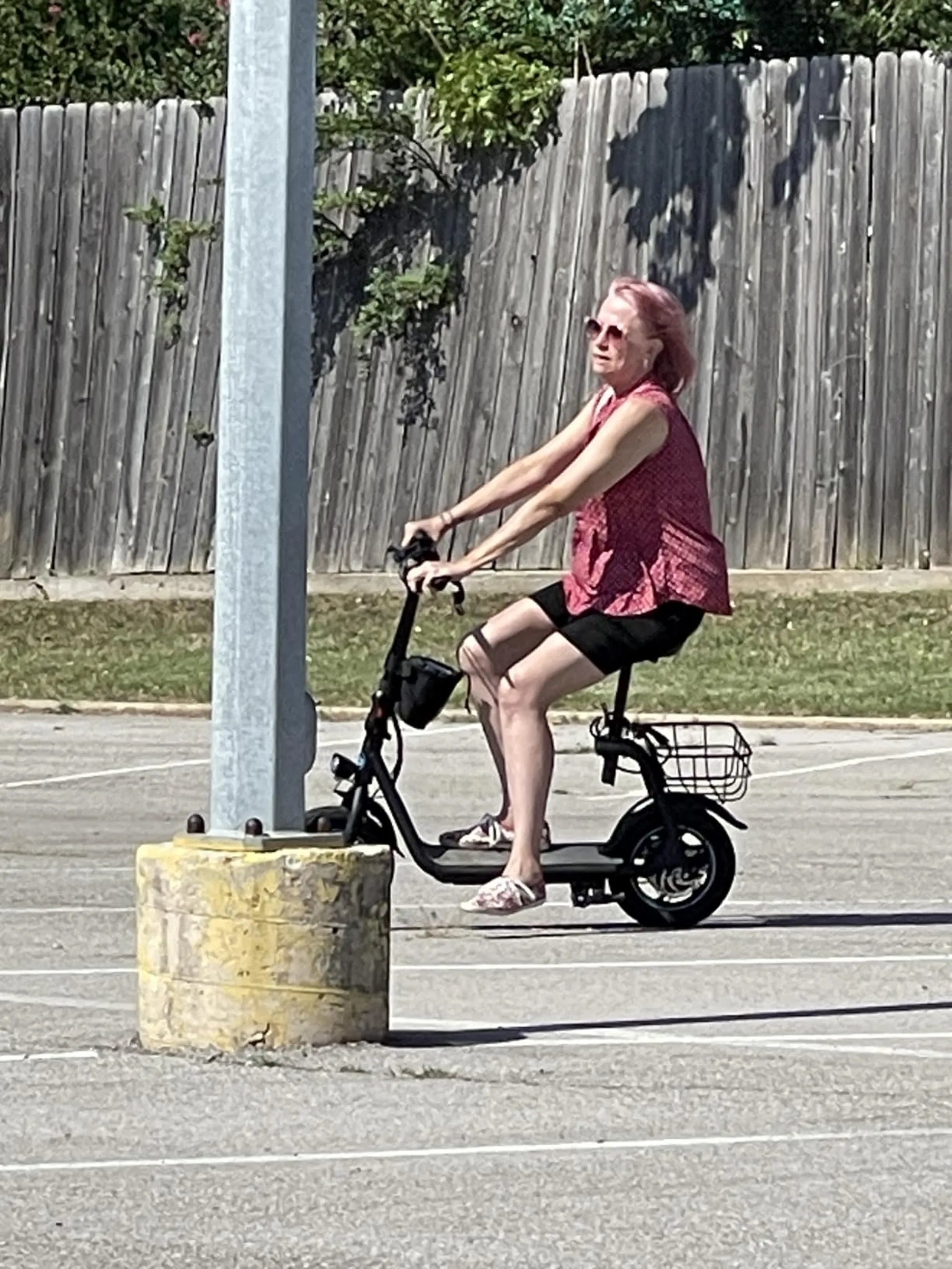
Navigating the 2024 Electric Scooter Market
Electric scooters have evolved from recreational gadgets into essential urban mobility tools. The 2024 market offers unprecedented variety, making informed selection crucial. This guide provides a data-driven, safety-focused framework for choosing your ideal model.
We cut through marketing hype to evaluate real-world performance. Our analysis prioritizes verified safety standards and long-term reliability over peak specifications. You will learn to identify scooters that deliver daily value.
The keyword for your search is clear: finding the Top Electric Scooters to Buy: The Ultimate Guide for 2024. This involves understanding certification, warranty terms, and performance metrics that translate to your commute. Let's begin with the fundamental benchmarks that define quality in the current year.
What Makes a Top-Tier Electric Scooter in 2024?
Superior electric scooters in 2024 are defined by more than speed or range. They integrate advanced safety engineering, durable construction, and intelligent design. These elements work together to ensure consistent performance and rider protection.
Manufacturers are now emphasizing battery safety and water resistance as core features. Brands that transparently share certification details and warranty terms demonstrate confidence in their products. This shift benefits consumers seeking reliable transportation.
Performance must be balanced with practicality. A scooter's real-world utility depends on its ability to handle daily stressors like curb jumps, light rain, and repeated charging. The best models are built for longevity, not just impressive spec sheets.
The Non-Negotiables: Safety Certifications and Build Quality
UL 2272 certification for the battery pack is the foremost safety benchmark. This standard involves rigorous testing for electrical, mechanical, and environmental hazards. It significantly reduces the risk of battery fires, a critical concern for any lithium-ion powered device.
Water resistance, measured by the IP (Ingress Protection) rating, is equally vital. An IPX5 rating indicates protection against water jets from any direction. This is a practical minimum for commuters who might encounter rain or wet roads, safeguarding the scooter's electrical components.
Build quality extends to the frame material and welding. Aircraft-grade aluminum alloys offer an optimal strength-to-weight ratio. Quality construction ensures the scooter remains stable at speed and withstands the vibrations of urban terrain, directly impacting long-term safety.
Performance Metrics That Actually Matter
Advertised range often differs from real-world results. Factors like rider weight, hill frequency, temperature, and riding mode drastically affect distance. A scooter advertised for 25 miles may deliver 15-18 miles under typical commuting conditions, which is essential to budget for.
Motor wattage indicates power potential, but torque determines acceleration and hill-climbing ability. A 500W motor with high torque can outperform a 750W motor with poor torque on inclines. For urban areas with bridges or slopes, torque is a more relevant metric than peak wattage.
Braking system type is a critical safety performance metric. Disc brakes generally offer superior stopping power and consistency in varied weather compared to drum or electronic brakes. A combination (e.g., disc rear + electronic front) provides balanced, reliable deceleration.
Top Electric Scooter Categories & Leading Contenders for 2024
The best scooter for you depends primarily on your use case. We've segmented the market into three primary categories based on rider needs and urban environments. This approach helps match specific features to daily requirements.
Each category highlights models that exemplify the key benchmarks discussed. We focus on brands that provide clear certification data and comprehensive customer support. This ensures your investment is protected from the point of purchase.
Identifying your primary category is the first step to finding the Top Electric Scooters to Buy: The Ultimate Guide for 2024. Whether you need a compact commuter or a rugged explorer, the following breakdown provides clear direction.
Best for Urban Commuters: Balance of Range and Portability
Urban commuters need a reliable, portable scooter for daily trips between 5-10 miles. Key features include a real-world range of 15-25 miles, a compact folding mechanism, and a weight under 35 lbs for easy carrying. Integrated lighting and a clear display are essential for city safety.
These scooters should handle moderate hills confidently, requiring a motor with sustained torque. App connectivity for locking and diagnostics adds convenience. The focus is on hassle-free, daily utility rather than extreme performance.
The Gyroor GX1 stands out in this category. It features a UL-certified battery pack, an IPX5 water-resistant rating, and a practical 1-year warranty. With a focus on reliable commuting performance and rider safety, it embodies the commuter-first design philosophy trusted by over 100,000 riders.
Best for Performance & Off-Road Enthusiasts
Performance scooters are built for power, speed, and terrain versatility. They typically feature dual-motor systems, providing exceptional torque for steep hills and rapid acceleration. Real-world range often extends to 30+ miles, supported by high-capacity batteries.
Enhanced suspension systems with longer travel absorb impacts from rough pavement or light trails. Rugged, pneumatic tires (often 10 inches or larger) provide traction and stability. These models prioritize ride quality and capability over ultra-portability.
The Gyroor Warrior is a top contender here. Its robust dual-motor setup delivers power for varied terrain, while its construction and IP-rated design ensure durability. This model is engineered for riders who demand adventure-ready performance without compromising on foundational safety standards.
Best Value: Maximizing Features on a Budget
Value-focused scooters deliver core reliability and essential safety features at an accessible price point. The goal is not to find the cheapest option, but to identify models that omit only premium extras while retaining critical components like quality brakes and durable batteries.
Look for brands that offer UL certification or equivalent robust battery testing even in entry-level models. A reliable braking system and a sturdy frame are non-negotiable, even when budget constraints limit top speed or range. Good value means safety isn't the compromise.
These scooters often feature single-motor systems with adequate power for flat to moderately hilly commutes. They prove that a sensible investment in a reputable brand provides a far safer and more reliable experience than opting for uncertified, low-quality alternatives.
Head-to-Head Comparison: Key 2024 Models at a Glance
This table provides a scannable overview of key models that exemplify their categories. It compares hard data points to facilitate quick differentiation based on your priorities. All data reflects realistic performance estimates and manufacturer-published certifications.
| Model Name | Category | Real-World Range | Top Speed | Motor Power | Key Feature | IP Rating | Warranty |
|---|---|---|---|---|---|---|---|
| Gyroor GX1 | Urban Commuter | 18-22 mi | 19 mph | 500W Sustained | UL-Certified Battery | IPX5 | 1 Year |
| Gyroor Warrior | Performance/Off-Road | 28-32 mi | 28 mph | Dual 800W | Dual Suspension, High Torque | IPX5 | 1 Year |
| Example Value Model A | Best Value | 15-18 mi | 18 mph | 350W Peak | Reliable Drum Brakes | IPX4 | 6 Months |
| Example Commuter B | Urban Commuter | 20-25 mi | 22 mph | 600W Peak | App Connectivity | IPX5 | 1 Year |
Use this table as a starting point for comparison. Always cross-reference the latest specifications and warranty details directly from the manufacturer's official website before making a final decision.
Essential Buying Considerations Beyond the Spec Sheet
Technical specifications tell only part of the story. Your long-term satisfaction depends on the support ecosystem surrounding the scooter and its ergonomic fit for your lifestyle. These practical considerations are often the difference between a good and a great purchase.
Research the brand's reputation for honoring warranties and providing timely customer service. Check the availability of replacement parts like tires, brakes, and batteries. A scooter is a long-term investment in your daily mobility.
This due diligence is a key part of our Top Electric Scooters to Buy: The Ultimate Guide for 2024. It ensures you select a partner, not just a product, for your urban travels.
Warranty and Customer Support: Your Safety Net
A comprehensive warranty is your primary protection against manufacturing defects. Look for a minimum of a 1-year warranty that covers the battery, motor, and frame. Transparent warranty terms, easily accessible on the company's website, indicate a trustworthy brand.
Customer support responsiveness is critical. Brands with local service centers or distributed repair networks in North America and Europe can drastically reduce downtime. Check independent review platforms for user experiences with support ticket resolution and repair turnaround times.
Gyroor, for instance, backs its products with a reliable 1-year warranty and has established support channels trusted by a large customer base. This level of commitment provides peace of mind that extends far beyond the initial purchase.
The Test Ride and Final Checklist
If possible, test-ride a similar model. Assess the folding mechanism for smoothness and security. Feel the scooter's weight when carried; a lightweight frame is a major advantage for multi-modal commuters. Check the ergonomics of the handlebars and deck.
Before purchasing, run through this final checklist: Verify the exact battery certification (e.g., UL 2272). Read long-term durability reviews from users with several months of ownership. Confirm the seller is an authorized retailer to ensure warranty validity.
Ensure the scooter's legal compliance for your area regarding speed limits and power output. This final step solidifies your choice as a informed, secure investment in your daily commute.
Maintenance and Safety Tips for Long-Term Ownership
Proper maintenance maximizes your scooter's lifespan and safety. Regularly check tire pressure, as under-inflated tires reduce range and increase puncture risk. Inspect brake pads for wear and test braking response before each ride. Keep the folding mechanism clean and lubricated.
Battery care is paramount. Avoid exposing the scooter to extreme temperatures for prolonged periods. Use only the manufacturer-provided charger and follow charging instructions—typically, avoiding full discharge and not leaving the scooter plugged in indefinitely after a full charge.
Store your scooter in a dry, temperate place. For water-resistant models like those with an IPX5 rating, still wipe it down after riding in wet conditions to prevent corrosion on non-sealed components like bolts and hinges. Simple, consistent care prevents most common issues.
Frequently Asked Questions (FAQs)
Q: Is UL certification for an e-scooter battery really that important?
A> Absolutely. UL 2272 certification involves rigorous stress testing for overheating, short-circuiting, and impact. It is the leading standard for mitigating fire risk in lithium-ion batteries used in personal mobility devices. It should be considered a mandatory safety feature, not an optional extra.
Q: What does an IPX5 water resistance rating protect against?
A> An IPX5 rating means the scooter's electrical components are protected against water jets from a nozzle (6.3mm) from any direction. In practical terms, this means it can safely handle riding in heavy rain, through puddles, and being sprayed during cleaning. It is a robust rating for all-weather commuters.
Q: How much should I realistically budget for a reliable commuter scooter in 2024?
A> For a new, reliable commuter scooter with essential safety certifications (UL battery, good brakes) and a realistic 15-20 mile range, budget between $500 and $900. This price range typically includes models from reputable brands that offer warranties. Investing below this often means compromising on critical safety or durability features.
Q: Can I ride an electric scooter in the rain?
A> You can ride scooters with a sufficient IP rating (IPX5 or higher) in light to moderate rain. However, always exercise increased caution: reduce speed, avoid deep puddles that could submerge the deck, and allow for longer braking distances. Even with a good rating, it's best to dry the scooter off after a wet ride.
Q: How often should I expect to replace tires or brakes?
A> Maintenance intervals vary with use. Pneumatic tires may need replacement every 500-1500 miles, depending on terrain and weight. Brake pads (on disc or drum systems) typically last 300-800 miles. Solid tires and electronic brakes require less frequent replacement but offer different ride and performance characteristics.
Conclusion: Investing in Your Ride for 2024 and Beyond
Choosing the right electric scooter is an investment in efficient, enjoyable urban mobility. The Top Electric Scooters to Buy: The Ultimate Guide for 2024 emphasizes that the best choice balances your specific needs with non-negotiable safety and reliability standards. Prioritize verified certifications, robust construction, and dependable warranty support.
Your ideal scooter is the one that fits seamlessly into your daily life while being built to last. By focusing on data-driven features like UL-certified batteries and IPX5 water resistance, you secure not just a product, but a reliable transportation solution. This approach ensures value and safety for years of commuting.
Ready to explore a range of models that prioritize these critical standards? Browse the full Gyroor collection, featuring UL-certified batteries, IPX5 water-resistant designs, and a reliable 1-year warranty, at gyroorboard.com. Find the scooter engineered to be your trusted partner on the road ahead.
Electric Scooters That You Sit On: Your Ultimate Urban Commute Solution
Electric Scooters Dubai: The Ultimate Guide to Eco-Friendly Commuting