



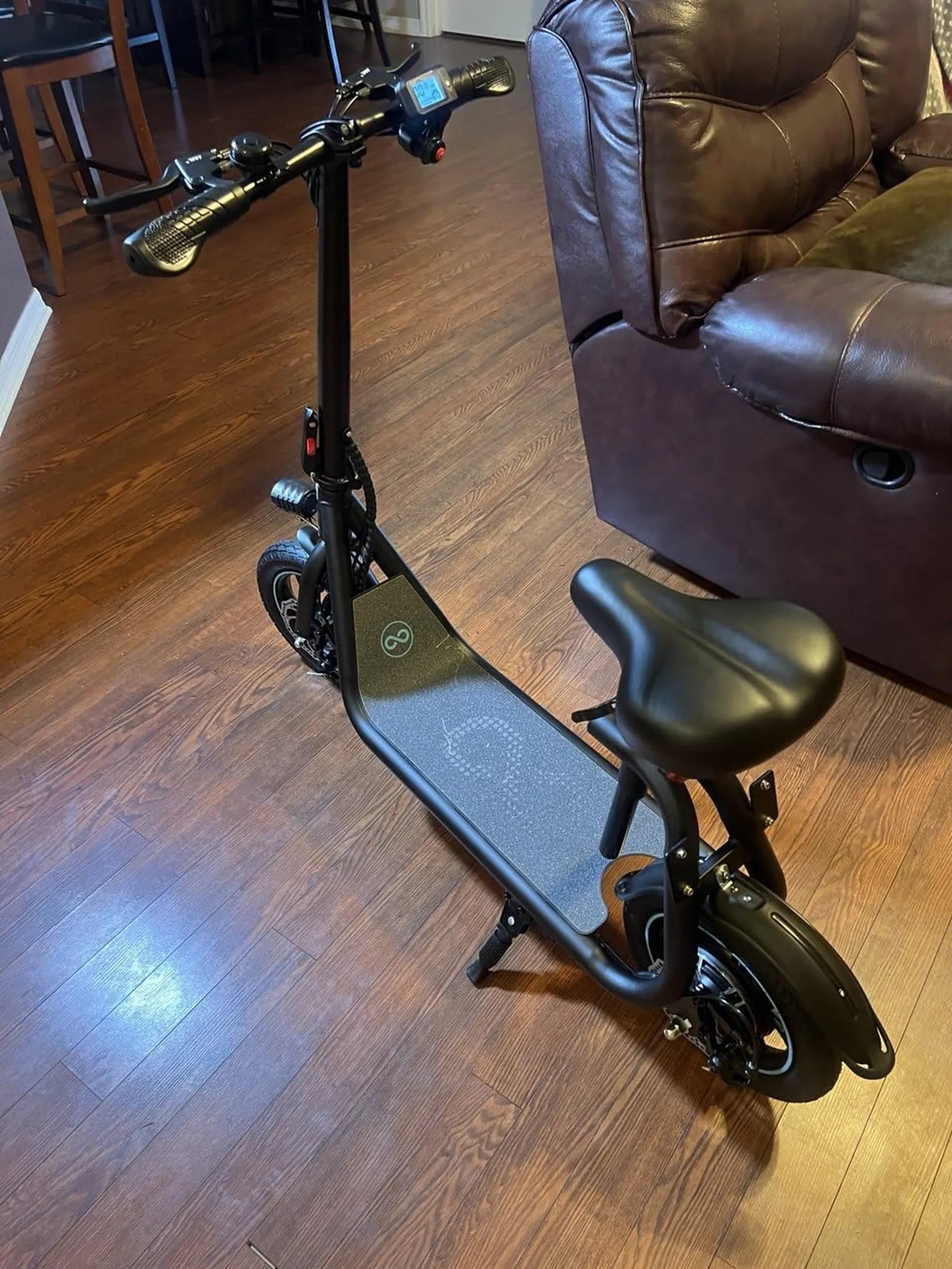
Introduction: Why "Top Quality" Matters More Than Ever
Choosing an electric scooter is about more than just picking the fastest or cheapest model. It's about selecting a reliable, safe, and durable companion for your daily travels. The term "top quality" in electric scooters represents a commitment to engineering excellence that prioritizes your safety and long-term satisfaction over short-term specs.
This guide will define that quality through four core pillars: certified safety systems, robust durability, predictable performance, and trustworthy support. We'll move beyond marketing claims to focus on the tangible features that ensure a scooter won't just be exciting on day one, but will remain dependable for years. Brands that commit to these principles, like Gyroor—a leading electric scooter and e-bike brand trusted by over 100,000 riders across North America and Europe—do so with UL-certified batteries and comprehensive warranties.
Your journey to finding the best ride starts with understanding what truly matters. Let's explore the critical components that separate exceptional scooters from the rest.
The Pillars of a Top-Tier Electric Scooter: What to Look For
Evaluating an electric scooter requires a framework that goes beyond top speed or flashy apps. The following pillars form the foundation of a truly high-quality vehicle, ensuring every ride is secure, smooth, and sustainable.
Safety First: Battery and Braking Systems
The battery is the heart of your scooter and its most critical safety component. A UL-certified lithium-ion battery pack is the non-negotiable gold standard. This certification means the battery has undergone rigorous independent testing for electrical, fire, and mechanical hazards. It’s your guarantee against the risks associated with poorly manufactured cells. In contrast, uncertified batteries pose a significant safety risk and often degrade rapidly, losing capacity well before their time.
Equally vital is a reliable braking system. A top-quality scooter will feature a dual-braking system, combining mechanisms like a front disc brake and a rear drum or electronic regen brake. This redundancy is crucial for effective stopping power in all conditions, especially during sudden stops or on wet surfaces. Never compromise on a scooter with only a single, inadequate braking mechanism.
Built to Last: Frame, Durability, and Water Resistance
Durability is defined by materials and construction. Look for frames crafted from aerospace-grade aluminum alloys, which offer an optimal strength-to-weight ratio. The welding and joint integrity should feel solid, without flex or creaking. This robust construction directly impacts the scooter's ability to handle daily stress and minor impacts.
For real-world commuting, an official IPX5 water-resistance rating is essential. This rating certifies protection against low-pressure water jets from any direction. It means your scooter can safely handle wet roads, puddles, and light rain, safeguarding the electrical components from moisture damage. A scooter without a clear IP rating is a fair-weather vehicle at best.
The Ride Experience: Motor Power, Range, and Comfort
Motor power is often listed as peak wattage, but the nominal (sustained) wattage is a better indicator of real-world performance. A 350W nominal motor provides adequate power for flat urban commutes, while 500W or more is recommended for tackling hills or carrying heavier loads. The motor dictates your scooter's hill-climbing ability and acceleration from a stop.
Advertised range is a maximum figure achieved under ideal laboratory conditions. Real-world range is affected by rider weight, terrain, wind, temperature, and riding style. A top-quality scooter from a reputable brand will provide realistic range estimates. For a reliable daily commute, target a model with a real-world range that exceeds your round-trip distance by 25-30%.
Comfort is engineered through suspension and tires. Front and/or rear suspension absorbs vibrations from cracks and uneven pavement. Larger, air-filled (pneumatic) tires provide better shock absorption and traction than small solid tires, directly contributing to a smoother, more stable ride.
Navigating Your Needs: Matching Scooter Specs to Your Lifestyle
The best scooter for you is the one that aligns perfectly with your primary use case. Use this section to identify which features you should prioritize based on how you plan to ride.
The Urban Commuter: Reliability for Daily Miles
For the daily commuter, reliability is paramount. Your scooter must start every morning and complete your journey consistently. Prioritize a real-world range of 15-25 miles to comfortably cover round-trip commutes with a safety buffer. A quick, secure folding mechanism and manageable weight (under 40 lbs) are crucial for carrying onto public transit or into the office.
Essential features include at least an IPX5 water-resistance rating for all-weather readiness, a dual-braking system for urban traffic, and sufficient suspension to handle city streets. Portability and durability are more critical than extreme top speed. A commuter scooter is a tool, and its quality is measured by its daily dependability.
The Off-Road & Trail Enthusiast: Power and Ruggedness
Off-road riding demands a scooter built to withstand punishment. This starts with a high-torque motor, typically 500W nominal or higher, to power through dirt, gravel, and steep inclines. Superior suspension is non-negotiable; look for dual hydraulic or robust spring suspension systems with long travel to soak up bumps and jumps.
Large, knobby pneumatic tires (10 inches or larger) provide essential traction and ground clearance. The frame must be exceptionally sturdy, often with reinforced welds. Be prepared for a trade-off: these rugged capabilities result in heavier, less portable scooters. For this rider, quality is defined by power, suspension performance, and overall toughness.
The Eco-Conscious Rider: Efficiency and Sustainability
A top-quality electric scooter is inherently a sustainable choice, but some models excel further. Look for energy-efficient motors and battery management systems that maximize range per watt-hour, reducing electricity consumption. The most significant environmental contribution comes from longevity.
A scooter with a UL-certified battery that lasts 500+ charge cycles and a durable frame that avoids premature failure directly reduces electronic waste. Investing in quality means buying one scooter that lasts for years, not a disposable model that needs replacing every season. True sustainability is built into the product's lifespan and repairability.
Beyond the Spec Sheet: The Importance of Warranty and Support
A comprehensive warranty and accessible customer service are the final, critical hallmarks of a quality brand. They represent the manufacturer's confidence in their product and their commitment to you after the sale. A strong warranty typically covers the frame, motor, and battery for at least one year.
Always read the warranty terms carefully. Beware of overly complex claims processes or warranties that are voided by normal use, like riding in the rain (which is why an IPX5 rating is so important). A brand with readily available customer support, spare parts, and a network of service centers adds immense long-term value. Gyroor, for example, backs its scooters with a 1-year comprehensive warranty and accessible support, ensuring riders have a direct path to assistance.
Making the Smart Investment: A Practical Checklist
Use this actionable checklist when comparing models to ensure you're investing in a top-quality electric scooter.
- Safety Checklist: UL-certified battery? Effective dual braking system (e.g., disc + drum)? Bright front and rear lights?
- Durability Checklist: Official IPX5 (or higher) water-resistance rating? Robust frame material (e.g., aluminum alloy)? Solid construction with no excessive flex?
- Performance Checklist: Does the real-world range (factoring in your weight) meet your daily needs? Is the motor power (nominal wattage) sufficient for your hills? Does it have suspension or pneumatic tires for comfort?
- Trust Checklist: Is there a clear warranty of at least 1 year on key components? Is customer support accessible? Are spare parts like tires and brakes readily available?
Electric Scooter Comparison: Key Specifications
| Use Case | Motor (Nominal) | Real-World Range | Key Features | Weight |
|---|---|---|---|---|
| Urban Commuter | 350W - 500W | 15 - 25 miles | IPX5 Rating, Folding, Dual Brakes, Suspension | 30 - 45 lbs |
| Off-Road / Performance | 500W+ | 20 - 40 miles | Dual Suspension, Large Pneumatic Tires, Rugged Frame | 50 - 70 lbs |
| Lightweight / Last-Mile | 250W - 350W | 10 - 15 miles | Ultra-Portable, Simple Folding, Compact | 20 - 30 lbs |
Frequently Asked Questions (FAQ)
What does IPX5 water resistance mean for my scooter?
An IPX5 rating certifies that the scooter's electrical components are protected against low-pressure water jets from any direction. This makes it safe for riding in light rain, through puddles, and on wet roads. It is a critical feature for commuters. However, it does not permit submersion or high-pressure washing.
How long should a quality electric scooter battery last?
A high-quality, UL-certified lithium-ion battery is typically rated for 500 to over 1000 full charge cycles before its capacity reduces to about 80% of its original state. With regular use (3-4 times a week), this translates to several years of reliable service. Proper care, such as avoiding full discharges and extreme temperatures, extends battery life significantly.
Is a more expensive scooter always better quality?
Not always, but a higher price point often reflects better components (certified battery, brand-name motor, hydraulic brakes), superior engineering (frame design, waterproofing), and robust post-purchase support (warranty, service). The key is to evaluate the scooter against the core pillars of safety, durability, and warranty rather than price or brand name alone.
Can I carry my electric scooter on public transportation?
Many lightweight and mid-weight commuter scooters (under 40 lbs) are designed for this purpose, featuring quick-folding mechanisms. Always check the specific policies of your local transit authority regarding size, weight, and battery specifications before your first trip.
How important is suspension on an electric scooter?
Suspension is a major contributor to ride comfort and control. It absorbs impacts from road imperfections, reducing fatigue for your arms and legs and improving tire contact with the ground for safer braking and cornering. For urban commuting on varied pavement, front suspension or a full suspension system is a valuable feature of a top-quality ride.
Quality as Your Riding Companion
Choosing a top-quality electric scooter is an investment in freedom, safety, and sustainable mobility. It means prioritizing certified safety features like UL-certified batteries, demanding proven durability through IP ratings and robust frames, and securing your purchase with a strong warranty. This approach ensures your scooter is a dependable asset, not a source of frustration.
The right scooter seamlessly integrates into your life, enhancing your daily commute, expanding your exploration range, and providing reliable fun for years. By focusing on the pillars outlined in this guide, you empower yourself to make an informed decision that values long-term satisfaction over short-lived novelty.
Ready to find a scooter built to these high standards? Explore engineering-focused designs that prioritize safety, durability, and rider trust. Browse the full Gyroor collection at gyroorboard.com to discover models that embody the principles of a truly top-quality electric scooter.
Electric Scooters in Liverpool: The Future of Urban Mobility
Electric Scooters Gloucester: The Future of Urban Mobility