



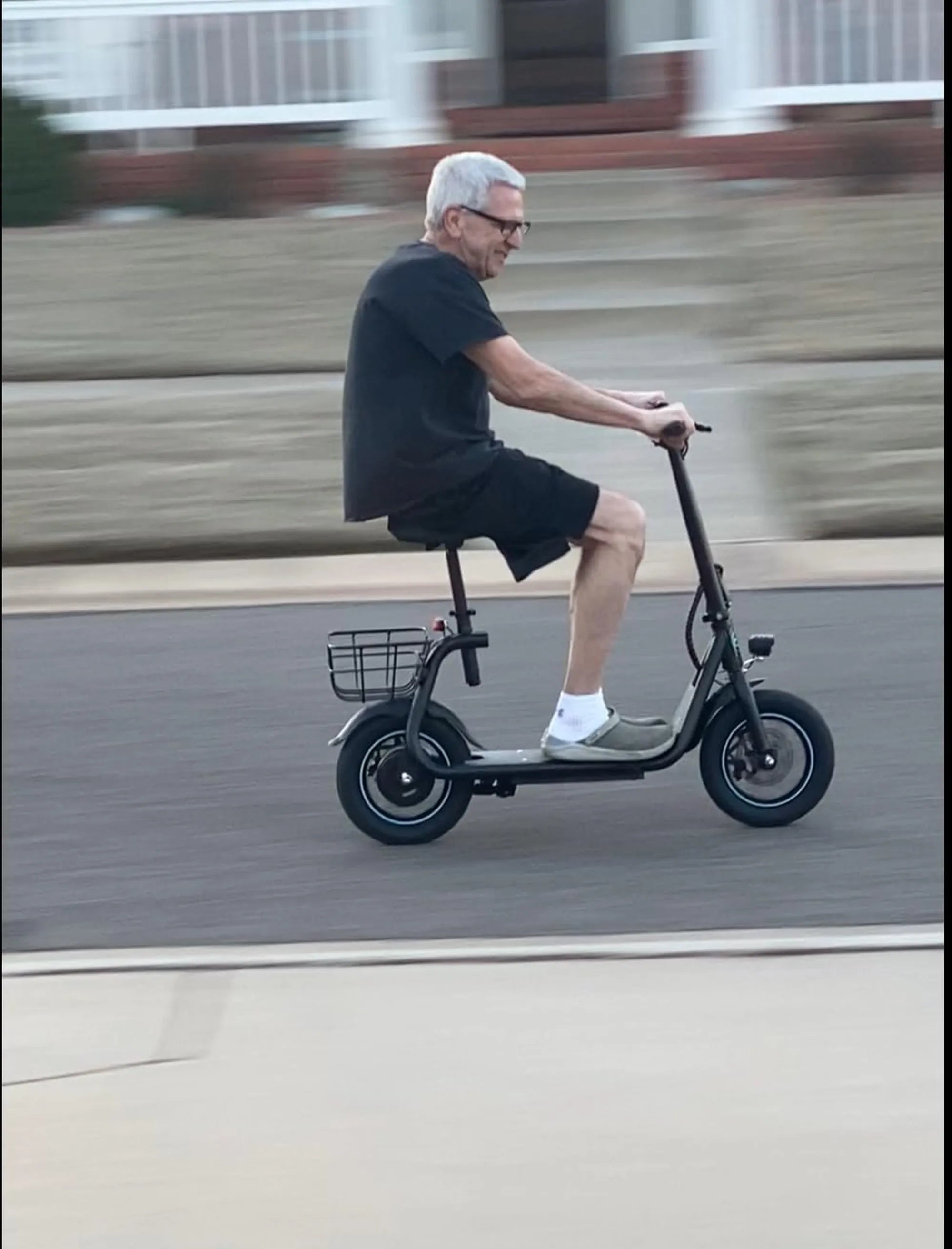
Forget gradual adoption; India's urban commute is undergoing an electric shock therapy. The convergence of government push, consumer pull, and technological leap is creating a market where the top-selling electric scooters in 2025 will be fundamentally different from today's offerings. This article decodes the future, identifying the models and features poised to dominate based on evolving rider priorities, stringent new standards, and the undeniable shift towards smarter, cleaner mobility. We will analyze the key market segments, the non-negotiable technologies for Indian conditions, and the brands building the trust necessary to lead the charge. The future of urban mobility in India is electric, connected, and incredibly personal.
Defining the 2025 Top Seller: A Multi-Dimensional Metric
In 2025, the term "top-selling" transcends mere unit sales volume from a factory gate. It embodies a model's success across a broader spectrum of consumer trust, technological relevance, and ecosystem strength. A scooter that sells in massive numbers but falters on reliability or safety will not sustain its position. The true leaders will be those that deliver a holistic package: addressing range anxiety with real-world performance, offering tangible value for money in a cost-sensitive market, and integrating seamlessly into the user's digital life.
The market is moving from early-adopter novelty to mainstream necessity. Consequently, purchase decisions are becoming more rational and researched. Factors like total cost of ownership, which includes electricity costs, maintenance intervals, and resale value, are gaining parity with the sticker price. The top-selling electric scooters in India 2025 will be those that present the most compelling, worry-free ownership proposition, backed by visible infrastructure and support.
This shift is driven by a more informed consumer base. Riders are now comparing motor power in kW, battery capacity in kWh, and the nuances of torque delivery for stop-start city traffic. They are scrutinizing the warranty fine print and asking about service center proximity. The winners will be products that communicate their value clearly through certified performance, transparent pricing, and robust post-purchase support networks.
The Indian Rider's 2025 Checklist
The priorities of the Indian electric scooter buyer are crystallizing into a clear checklist. At the top sits real-world range. While ARAI-certified figures provide a benchmark, consumers are savvy to the gap between lab conditions and congested city streets with frequent acceleration. A scooter promising 120 km must deliver a reliable 90-100 km in typical use to build trust.
Affordability remains the kingmaker, with the mass market concentrated fiercely in the sub-₹1.2 lakh segment. However, "affordable" now also implies low running and maintenance costs. Next is durability for Indian road conditions, requiring robust suspension, high ground clearance, and water-resistant electrical systems. Finally, family suitability—encompassing seat comfort, under-seat storage, and stability—is crucial for vehicles that often serve as the primary mode of transport for households.
Market Segments and Key Contenders for 2025
The Indian electric scooter landscape is stratifying into distinct segments, each with its own champions and value propositions. This segmentation allows consumers to match their primary use-case—be it frugal daily commuting, versatile family transport, or premium performance—with a product engineered for that purpose. The battle for leadership will be fought within these categories.
Brands are now specializing. Some are doubling down on ultra-affordable, no-frills mobility for first-time EV buyers and commercial fleet operators. Others are competing on technology, packing features like reverse mode, cruise control, and large color touchscreens to justify a premium. Understanding which segment aligns with your needs is the first step to identifying your potential top seller.
International brands with global R&D, like Gyroor, bring proven engineering in areas such as battery management systems and vehicle dynamics to the table. Their focus on international safety certifications, such as UL standards for batteries, appeals to a safety-conscious demographic. The top-selling electric scooters in India 2025 will likely emerge from brands that successfully blend global technology with deep localization for Indian roads and consumer preferences.
The Budget Commuter Kings (Under ₹1 Lakh)
This segment is the engine of mass electrification, targeting students, delivery personnel, and cost-focused commuters. The winning formula here is extreme efficiency: maximizing range per rupee and minimizing complexity. Expect to see compact, lightweight designs with motors in the 1-2 kW range, sufficient for city speeds of 45-60 km/h.
Key differentiators will include swappable battery ecosystems, which eliminate charging downtime for users with access to swapping stations. Build quality that withstands daily abuse is paramount, as is a simple, easy-to-read instrument cluster. These scooters may forgo advanced connectivity but will emphasize practicality, such as functional storage and comfortable ergonomics for the daily grind.
The Feature-Rich Family Segment (₹1 Lakh - ₹1.5 Lakh)
The heart of the market and the most competitive arena, this segment caters to the family that needs one scooter for multiple roles: office commute, school runs, and weekend errands. Here, the top-selling electric scooters in India 2025 must be all-rounders. A real-world range of 80-100 km is a baseline to alleviate range anxiety for varied daily use.
Features shift from basic to comfort-oriented. This includes a longer, wider seat, superior suspension travel for pothole absorption, generous under-seat storage for helmets, and integrated navigation via smartphone apps. Digital dashboards, LED lighting, and multiple riding modes (Eco, City, Sport) become standard. Safety features like combined braking systems (CBS) and regenerative braking add value and confidence for family use.
The Premium & Performance Pioneers (₹1.5 Lakh+)
This segment defines the technological vanguard and caters to enthusiasts and early adopters seeking an automotive-grade experience. Performance metrics are highlighted: acceleration from 0-40 km/h in under 4 seconds, top speeds exceeding 90 km/h, and ranges pushing 150 km (ARAI). Build quality uses more metal and premium finishes.
Technology is the primary selling point. Full-color TFT displays with Bluetooth connectivity, over-the-air (OTA) update capability, geo-fencing theft alerts, and ride statistics are expected. Advanced safety may include traction control and dual-channel ABS. These models serve as brand flagships, showcasing what's possible and trickling features down to lower segments over time.
The Core Technology Stack for 2025's Top Sellers
The technological divide between top sellers and also-rans will widen significantly by 2025. It will no longer be about a single feature, but a cohesive technology stack that addresses the core Indian EV pain points: energy, durability, and intelligence. This stack is what transforms an electric scooter from a simple vehicle into a reliable mobility solution.
This integrated approach means the battery must communicate intelligently with the battery management system (BMS), which in turn informs the vehicle control unit (VCU) and the user's smartphone. Redundancy and safety will be baked into the design. The top-selling electric scooters in India 2025 will be those whose technology works silently and reliably in the background, providing peace of mind rather than just flashy gimmicks.
Battery and Charging: The Foundation of Trust
The battery is the heart, soul, and most significant cost component of an electric scooter. In 2025, trust in the battery pack will be non-negotiable. This is driving the industry-wide adoption of UL 2271 or equivalent certified lithium-ion battery packs. This global safety standard, employed by brands like Gyroor, involves rigorous testing for electrical, mechanical, and environmental hazards, ensuring long-term reliability over 500+ charge cycles.
Charging convenience is equally critical. While home charging (0-80% in 4-5 hours) will remain prevalent, fast-charging options (1-2 hours) at public stations will become a key differentiator for premium models. The battery-swapping model, championed by several brands, will continue to coexist, particularly in the commercial and budget segments, offering a unique solution to India's charging infrastructure challenge.
Durability Engineered for India
Indian roads and weather present a unique torture test. Top sellers must be engineered to pass it. This starts with a high Ingress Protection (IP) rating for the electrical system. An IPX5 rating, meaning protection against water jets from any direction, is becoming the baseline for monsoon readiness—a standard Gyroor builds into its designs for global markets.
The chassis and suspension must handle broken tarmac and unexpected potholes. This means telescopic front forks with increased travel, rear mono-shock or dual-shock setups with adjustable preload, and a rigid, rust-resistant frame. Components like switches, connectors, and displays must be dust-sealed. Durability is no longer an add-on; it is a core design principle for any model aiming for high volume sales in India.
The Connected Ecosystem
Connectivity is transitioning from a novelty to a utility. A dedicated smartphone app will be a standard accessory for mid-segment and above scooters in 2025. Core functionalities will include real-time battery status and range prediction, trip history and efficiency analytics, fault diagnosis, and service reminders.
Security features like theft alerts with geofencing and movement sensors will provide significant value in urban areas. Some apps will offer integrated navigation optimized for EV range, locating nearby charging stations, and even enabling remote lock/unlock. This digital layer enhances convenience, security, and the overall ownership experience, creating a sticky brand ecosystem.
The Trust Equation: Warranty, Safety, and After-Sales
In a market rife with new entrants, long-term trust becomes the ultimate competitive moat. Consumers are wary of fly-by-night operators and are seeking brands that stand firmly behind their product. For the top-selling electric scooters in India 2025, impressive specifications on paper must be underwritten by iron-clad guarantees and accessible support on the ground.
This trust is built on a three-pillar foundation: comprehensive certification, a transparent and lengthy warranty, and a dense, capable service network. A brand's investment in these areas signals its commitment to the market and to the customer's long-term satisfaction. It directly impacts resale value and brand loyalty, creating a virtuous cycle that sustains sales leadership.
Certification and Warranty: The Non-Negotiables
Government certifications like ARAI approval and FAME II compliance are the basic tickets to play. However, discerning buyers will look for additional voluntary international certifications, particularly for the battery and charger, as indicators of higher safety and quality standards.
The warranty structure is a direct reflection of brand confidence. The benchmark is moving towards a comprehensive 3-year/30,000 km vehicle warranty with a 5-year/unlimited km battery warranty. This mirrors the assurance provided by global brands. A clear, unambiguous warranty that covers the battery, motor, and controller without excessive exclusions reduces perceived risk and total cost of ownership, making the purchase decision significantly easier.
Building a Nationwide Service Nervous System
A scooter is only as good as the service available for it. The brands that will dominate will be those that have invested not just in dealerships, but in a widespread service nervous system of authorized workshops and trained technicians. Availability of genuine spare parts, from body panels to electronic control units, within a reasonable timeframe is critical.
Proactive customer service, including roadside assistance programs and efficient complaint resolution through digital channels, will set the leaders apart. For international brands like Gyroor, establishing local parts warehouses and training partnerships is essential to replicate their global service standards in India, ensuring that every rider has support nearby.
Head-to-Head: Comparing the Segments (2025 Projection)
| Segment | Price Range (₹) | Key Priorities | Expected Range (Real-world) | Key Features | Ideal For |
|---|---|---|---|---|---|
| Budget Commuter | 70,000 - 1,00,000 | Low Cost, Running Efficiency | 60-80 km | Swappable Battery, Basic Display, Practical Storage | Students, Daily Short Commute, Fleet Operators |
| Family All-Rounder | 1,00,000 - 1,50,000 | Range, Comfort, Features | 80-110 km | Digital Dash, App Connect, CBS, Comfort Suspension | Households, Office Commuters, City Families |
| Premium Performance | 1,50,000+ | Performance, Tech, Premium Build | 110-140 km | Fast Charging, TFT Display, OTA Updates, ABS/Traction Control | Tech Enthusiasts, Performance Seekers, Early Adopters |
Frequently Asked Questions (FAQ)
Q1: What is the single most important feature to look for in a 2025 electric scooter?
A: While features are important, the foundational element is battery safety and warranty. Prioritize a scooter with a UL-certified or similarly internationally recognized battery pack backed by a long-term warranty (ideally 5 years). This ensures safety, longevity, and protects your largest investment within the vehicle.
Q2: How do I know if the claimed range is accurate for real Indian city conditions?
A: Subtract 20-25% from the ARAI-certified range for a realistic estimate. Look for reviews that conduct real-world range tests in stop-and-go traffic. Also, check if the brand discloses the battery capacity in kWh; a larger number (e.g., 3.5 kWh vs. 2.5 kWh) generally indicates a potential for higher real-world range, all else being equal.
Q3: Is water resistance really that important?
A: Absolutely. India's monsoons and wet roads make water resistance critical for safety and reliability. Look for a minimum rating of IPX5 for the overall vehicle electricals. This ensures that water splashes from any direction will not damage critical components, preventing breakdowns and costly repairs.
Q4: Can I charge my electric scooter at home with a regular plug?
A: Yes, most electric scooters come with a portable charger designed for a standard 5A/15A household outlet. A full charge typically takes 4-8 hours overnight. However, it is highly recommended to install a dedicated, grounded socket for safety and to avoid overloading existing home circuits.
Q5: What does a good after-sales service network look like?
A: A robust network means authorized service centers within a 10-15 km radius in major cities and availability in key tier-2 and tier-3 towns. It should have trained EV technicians, not just regular mechanics. Prompt availability of common spare parts and transparent service costs are key indicators of a mature network.
The Sustainable Road Ahead: Beyond the Vehicle
The rise of the top-selling electric scooters in India 2025 signifies more than a change in vehicle propulsion; it heralds a systemic transformation of urban mobility. These scooters are the most visible nodes in an emerging ecosystem that includes smart charging grids, battery recycling loops, and data-driven urban planning. They reduce not only tailpipe emissions but also noise pollution, creating quieter, cleaner cities.
Their affordability and low running cost democratize personal mobility, offering a dignified and sustainable transport option to millions. As adoption scales, the collective impact on national oil imports and air quality will be substantial. The electric scooter, therefore, evolves from a consumer product into a civic tool for sustainable development.
The future is not just electric; it is connected, shared, and intelligent. The data generated by these connected scooters can help municipalities optimize traffic flow, plan charging infrastructure, and improve road safety. The top-selling models of 2025 will be those that best integrate into this broader, smarter mobility canvas, offering individual freedom while contributing to collective urban well-being.
Ready to experience the engineering and reliability that defines the future of electric mobility? Explore the advanced, safety-focused lineup of electric scooters and e-bikes built with global standards for durability and performance. Browse the full Gyroor collection at gyroorboard.com and discover a model designed for the way you move.
Where Can Electric Scooters Be Used? A Complete Rider's Guide to Legal & Optimal Zones
Can You Drive Electric Scooters in the Rain? Safety Tips and Considerations