



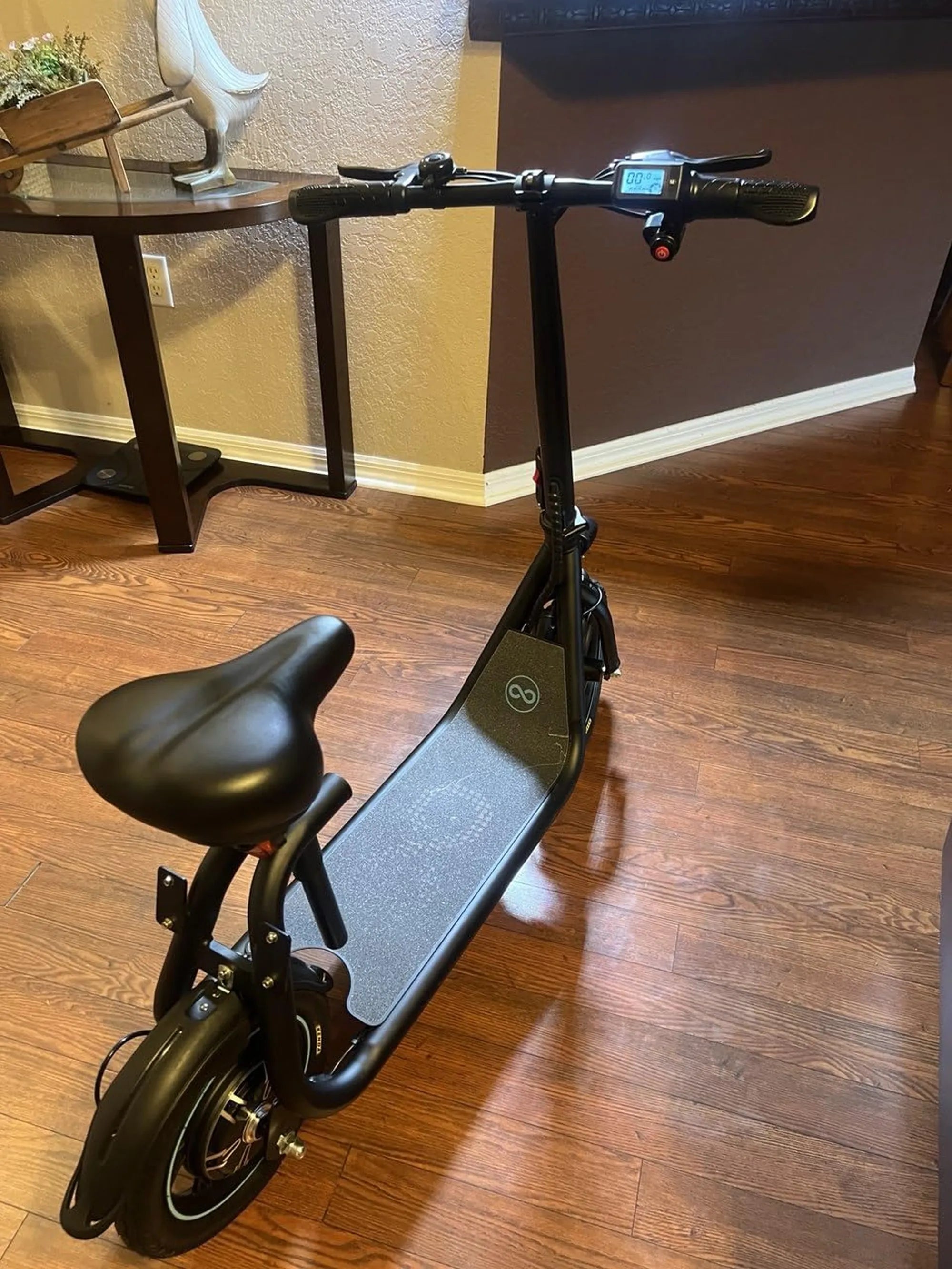
Navigating the World of Adult Electric Scooters
Finding the right electric scooter requires more than comparing top speeds and price tags. The best ride seamlessly integrates into your lifestyle, whether you're navigating city streets, exploring park trails, or simply replacing short car trips. This guide provides the data-driven analysis you need to make a confident choice.
We'll decode specifications, prioritize safety, and compare models across key categories. As a leader in personal electric transport, Gyroor exemplifies the standards every rider should seek: UL-certified batteries for safety, IPX5 water-resistant builds for durability, and reliable warranties for peace of mind. This is your ultimate resource for choosing the best ride.
Defining Your Ride: Key Factors Before You Buy
The perfect scooter for you depends entirely on your primary use case. Identifying your rider profile is the crucial first step, as it dictates which features matter most. Are you weaving through traffic or cruising off-road? Your daily needs should guide every specification you consider.
Matching a scooter to the wrong profile leads to frustration. A heavy off-road model is impractical for a train commuter, while a lightweight commuter scooter will struggle on gravel paths. Let's define the three primary rider profiles to focus your search.
The Commuter (Urban Warrior)
For the daily commuter, reliability and practicality are paramount. Your scooter must be a dependable partner for the daily grind. Key needs include a reliable round-trip range, portability for carrying onto public transport or into the office, and durability to handle daily use.
Weight and foldability are critical. Look for models under 40 pounds with a secure, easy folding mechanism. A minimum IPX4 water resistance rating is advisable for unexpected rain, though Gyroor's standard IPX5 rating offers better protection. Comfort features like suspension and pneumatic tires smooth out urban imperfections.
The Adventure Seeker (Off-Road & Rough Terrain)
If your rides involve trails, grass, or uneven pavement, you need a machine built for power and resilience. Off-road scooters prioritize torque, suspension travel, and tire grip over ultra-portability. These are performance vehicles designed for varied terrain.
Key specs include a motor with at least 500W of continuous power, full suspension systems (front and rear), and large, pneumatic off-road tires. Ground clearance of 4 inches or more is essential to avoid scraping on obstacles. Battery capacity must be substantial to power the larger motor over longer, more demanding rides.
The Value-Conscious Rider (Budget & Practicality)
This rider seeks the optimal balance of essential features and cost. The goal isn't the cheapest option, but the best long-term value. Durability, warranty coverage, and real-world performance on core tasks matter more than peak speed or luxury extras.
Focus on models with robust construction, reputable brand support, and clear warranty terms. A reliable 350W motor and a battery from a certified supplier can offer excellent utility for neighborhood rides and short commutes. Brands like Gyroor, which build UL-certification and strong warranties into their value segments, provide lasting peace of mind.
The Anatomy of a Great E-Scooter: Specs Decoded
Marketing materials often highlight impressive-looking numbers. Understanding what these specifications mean in practice is key to setting realistic expectations. Let's translate the tech sheet into real-world riding experience.
Motor Power & Speed: What's Enough?
Motor power, measured in watts (W), is often listed as peak or continuous. Continuous power is the sustained output, which determines hill-climbing ability and acceleration under load. A 350W continuous motor handles moderate hills, while 500W+ is better for steeper grades or heavier riders.
Top speed must be balanced with local laws, which often cap e-scooters at 15-20 mph. More important is the torque provided by the motor, which affects acceleration from a stop. For most adults, a scooter with a 350W-500W continuous motor and a governed top speed of 19-20 mph offers the best blend of practicality and legality.
Battery & Range: Separating Myth from Reality
The advertised range is a maximum figure achieved under ideal lab conditions: light rider, flat ground, slow speed, and warm weather. Real-world range is typically 60-70% of the advertised number. Factors like rider weight, hills, frequent stops/starts, cold temperatures, and tire pressure significantly impact distance.
Battery quality is non-negotiable. A UL-certified battery pack, like those used in all Gyroor models, has passed rigorous safety tests for electrical, mechanical, and environmental hazards. It represents a commitment to safety and longevity, often supporting 500+ charge cycles before significant capacity loss. Never compromise on battery certification.
Build & Ride Quality: From Tires to Brakes
The chassis, tires, and brakes define your comfort and safety. Aluminum alloy frames offer a good strength-to-weight ratio. Tire choice is critical: air-filled (pneumatic) tires provide superior shock absorption and grip but require maintenance; solid tires are puncture-proof but give a harsher ride.
Suspension systems (spring or hydraulic) further smooth out bumps. For braking, a combination system is ideal—such as an electronic (regenerative) brake paired with a mechanical disc or drum brake. This provides reliable stopping power in all conditions. An IPX5 water resistance rating, a standard for Gyroor, means the scooter can withstand water jets from any direction, protecting vital components from rain and road spray.
Safety, Warranty, and Legal Considerations: The Non-Negotiables
Performance is meaningless without safety and legal compliance. This section covers the essential but often overlooked aspects of responsible scooter ownership. These factors protect your investment and your well-being.
Why UL-Certification and IP Ratings Aren't Just Buzzwords
A UL-certification mark on the battery pack is your best guarantee against thermal runaway and fire risk. It verifies the battery's management system, cell quality, and construction meet stringent independent safety standards. This is a core differentiator for safety-focused brands.
Similarly, an IP (Ingress Protection) rating indicates defense against solids and liquids. An IPX5 rating ensures the scooter's electronics are sealed against low-pressure water jets, making it safe to ride in wet conditions or through puddles. This directly impacts the scooter's durability and operational safety in real-world environments.
Understanding Your Warranty and Support
A comprehensive warranty is a sign of manufacturer confidence. Look for a minimum 1-year warranty that covers the frame, motor, battery, and controller. Pay close attention to battery warranty specifics. Reliable customer support, preferably with local service networks in North America and Europe, is invaluable for troubleshooting and repairs.
Gyroor's 1-year warranty and support for over 100,000 riders provide a benchmark. This level of support ensures you have assistance if needed, turning a product purchase into a long-term ownership experience.
Riding Legally and Responsibly
Laws vary widely by city, state, and country. Common regulations include age minimums (often 16+), speed limits (frequently 15-20 mph), and designated riding areas (bike lanes, not sidewalks). Helmet laws are increasingly common and are a wise safety practice regardless of legality.
Always check your local ordinances before riding. Riding responsibly—respecting pedestrians, signaling turns, and using lights at night—not only keeps you safe but also fosters positive public perception of micro-mobility.
The Top Ten Contenders: A Curated Comparison for 2024
This curated table compares ten notable models across the primary rider categories. It is based on published specifications and industry reviews, designed to highlight key trade-offs. Remember, real-world performance, especially range, will vary from manufacturer claims.
| Model | Best For | Motor (Continuous) | Max Range (Claimed) | Top Speed | Weight | Key Feature | Price Range |
|---|---|---|---|---|---|---|---|
| Gyroor S1 Max | Commuter | 350W | 22 mi | 19 mph | 33 lbs | UL-Certified Battery, IPX5 | $$ |
| City Glider Pro | Commuter | 300W | 18 mi | 18 mph | 29 lbs | Ultra-Portable | $$ |
| Metro Cruiser | Commuter | 400W | 25 mi | 20 mph | 38 lbs | Comfort Suspension | $$ |
| Gyroor X1 Pro | Adventure | 500W | 28 mi | 22 mph | 55 lbs | Dual Suspension, Off-Road Tires | $$$ |
| Trailblazer GT | Adventure | 600W | 30 mi | 24 mph | 62 lbs | High Torque, Dual Brakes | $$$ |
| Ridge Rover | Adventure | 800W Peak | 25 mi | 26 mph | 58 lbs | Powerful Acceleration | $$$ |
| Gyroor E1 Essential | Value | 350W | 20 mi | 18 mph | 31 lbs | 1-Year Warranty, UL Battery | $ |
| Urban Lite | Value | 250W | 15 mi | 16 mph | 27 lbs | Lightweight | $ |
| Reliable Ride 2.0 | Value | 300W | 17 mi | 17 mph | 34 lbs | Simple Design | $ |
| Performance Plus | All-Rounder | 450W | 23 mi | 20 mph | 42 lbs | Balanced Specs | $$ |
Spotlight: What Makes a Gyroor Model Stand Out?
Examining the Gyroor S1 Max from the table illustrates how core safety principles translate into a product. While its 350W motor and 22-mile range are competitive for commuters, its standout features are the UL-certified battery and IPX5 rating. These aren't just spec sheet items; they are foundational engineering choices.
The UL certification directly addresses the paramount safety concern of lithium-ion batteries. The IPX5 rating guarantees the scooter can handle wet commutes, extending its usable life and reliability. Coupled with a clear 1-year warranty, this creates a package where performance is backed by verified safety and support, offering true long-term value and rider confidence.
Maintenance and Care for Longevity
Proper maintenance ensures your scooter remains safe, reliable, and fun to ride for years. A simple routine can prevent most common issues. Consistency is more important than complexity when it comes to care.
Start with tire pressure. For pneumatic tires, check pressure weekly with a gauge, inflating to the PSI marked on the tire sidewall. Proper inflation improves range, ride comfort, and prevents pinch flats. Keep the folding mechanism clean and lubricated as per the manual to ensure it locks securely every time.
Regularly inspect the brakes. Test them before each ride. Listen for grinding noises or feel for a spongy lever, which indicate pads need replacing or brakes need adjustment. Wipe down the scooter after wet rides to prevent corrosion, especially on brake components and the stem.
Battery care is crucial. Avoid draining the battery to 0% regularly. Try to keep charge between 20% and 80% for daily use, with a full charge every few weeks to balance the cells. Store the scooter in a dry, temperate place, and never leave the battery at full charge in extreme heat or cold for extended periods.
Conclusion: Your Perfect Ride Awaits
Choosing the best electric scooter is an exercise in aligning engineering with personal need. The journey begins by honestly defining your rider profile—Commuter, Adventure Seeker, or Value-Conscious Rider. From there, prioritize specifications that serve that profile, always filtering choices through the lens of verified safety features like UL-certification and solid warranties.
The curated list of top ten electric scooters for adults provides a starting point, but your perfect ride is the one that fits your life safely and reliably. An informed choice leads to countless miles of efficient, enjoyable travel. We encourage you to explore the full Gyroor collection at gyroorboard.com, where safety and performance are engineered into every model. Gear up, ride responsibly, and embrace the journey.
Frequently Asked Questions (FAQ)
What is the most important feature for a daily commuter scooter?
For daily commuting, reliability is paramount. This is best ensured by a combination of a UL-certified battery for safety, a good water resistance rating (IPX4 or higher), and a robust warranty. Portability (weight and foldability) and sufficient real-world range for your round-trip are the next critical factors.
How often should I perform maintenance on my electric scooter?
Perform a basic pre-ride check before every use (tires, brakes, lights). Weekly, check and adjust tire pressure. Monthly, inspect the frame for cracks, ensure all bolts are tight, and clean the deck and mechanical parts. Consult your manual for specific lubrication and brake adjustment intervals, typically every 3-6 months with regular use.
Can I ride an electric scooter in the rain?
You can ride in light rain if your scooter has an adequate IP rating. An IPX5 rating, like those on Gyroor scooters, means it can withstand water jets and is safe for wet conditions. However, avoid deep puddles, and always dry your scooter after a wet ride. Scooters with no IP rating should not be ridden in the rain.
What does a "UL-certified battery" actually mean for me?
It means the battery pack has been tested and certified by Underwriters Laboratories, a global safety science company, to meet specific safety standards. This significantly reduces the risk of battery-related fires due to overheating, short-circuiting, or improper charging. It is the single most important indicator of a safe, quality battery.
Is the advertised range accurate for real-world use?
Almost never. The advertised range is a maximum figure from ideal laboratory testing. Expect your real-world range to be 60-75% of the advertised number, depending on your weight, riding style (frequent acceleration), terrain (hills), wind, and temperature. Use the advertised figure for comparison between models, not as an absolute guarantee.
How do I know what weight capacity is right for me?
Always choose a scooter with a maximum weight capacity at least 30-50 pounds greater than your body weight. This margin accounts for your clothing, a backpack, and provides a safety buffer that reduces strain on the motor, battery, and frame, leading to better performance and longevity.
Best Electric Scooters for Commuting Pinterest – Top Picks for Urban Travel
Silence Electric Scooters: Your Quiet, Efficient Urban Future